In today’s business landscape, change isn’t just constant—it’s accelerating. Through my work with organizations and research for “High-Value Leadership” and “Mastering a High-Value Company Culture,” I’ve discovered that successful change leadership requires more than just good intentions. It demands a strategic approach that balances organizational needs with human dynamics.
Understanding the Change Leadership Challenge
Consider the transformation of the Detroit Lions under Dan Campbell’s leadership. The challenge wasn’t simply about improving performance metrics. It required fundamentally reshaping organizational culture while maintaining operational effectiveness. This example demonstrates how successful change leadership operates on multiple levels simultaneously.
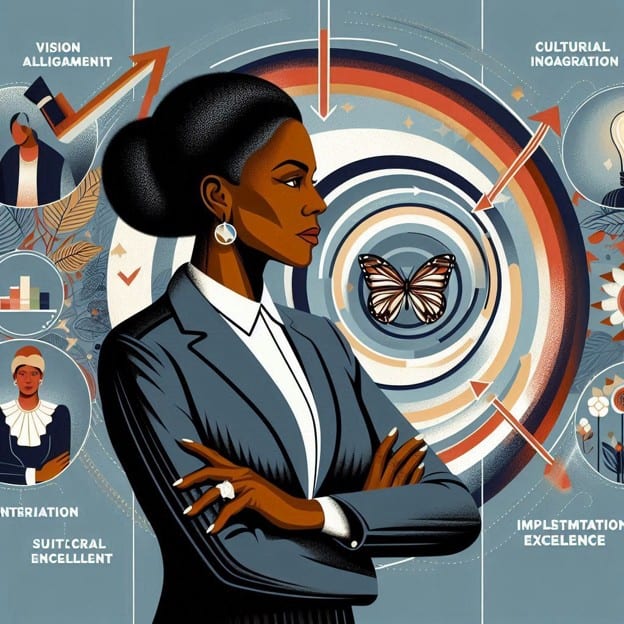
The Four Pillars of Strategic Change Leadership
1. Vision Alignment
Before implementing any change, leaders must:
- Clearly articulate the reason for change
- Connect change initiatives to organizational purpose
- Create a compelling vision of the future state
- Align change efforts with core values
For example, when Sarah Chen transformed Midwest Manufacturing from traditional automotive parts to electric vehicle components, she first established a clear vision that connected the company’s heritage of quality with future innovation.
2. Cultural Integration
Changed efforts must work within and enhance organizational culture:
- Assess current cultural strengths and challenges
- Identify cultural supports and barriers to change
- Design initiatives that reinforce desired cultural elements
- Build capacity to change within the organization
3. Stakeholder Engagement
Successful change requires active participation at all levels:
- Leadership alignment and modeling
- Middle management buy-in and support
- Front-line employee involvement
- External stakeholder communication
4. Implementation Excellence
Strong execution includes:
- Clear milestones and metrics
- Regular communication and feedback loops
- Resource allocation and support
- Continuous learning and adjustment
The Change Leadership Framework
Based on my research and consulting experience, here’s a comprehensive framework for leading changes:
Phase 1: Preparation
1. Assessment
- Current state analysis
- Stakeholder mapping
- Cultural readiness evaluation
- Risk assessment
2. Planning
- Vision development
- Strategy creation
- Resource allocation
- Timeline establishment
Phase 2: Implementation
1. Communication
- Clear messaging
- Multiple channels
- Two-way dialogue
- Regular updates
2. Engagement
- Leadership alignment
- Employee involvement
- Training and development
- Recognition and celebration
Phase 3: Sustainability
1. Monitoring
- Progress tracking
- Impact assessment
- Course corrections
- Success measurement
2. Integration
- Process alignment
- System updates
- Cultural reinforcement
- Continuous improvement
Common Pitfalls and How to Avoid Them
1. Insufficient Communication
- Solution: Develop a comprehensive communication strategy
- Example: One manufacturing client increased change initiative success by 40% through daily huddles and weekly update meetings
2. Lack of Middle Management Support
- Solution: Invest in management development and engagement
- Example: A healthcare organization achieved 85% change adoption by creating change champion roles for middle managers
3. Cultural Misalignment
- Solution: Design change initiatives that build cultural strengths
- Example: A tech company successfully transformed by incorporating their innovative culture into change processes
Measuring Change Success
Effective change of leadership requires both hard and soft metrics:
Hard Metrics
- Performance indicators
- Financial results
- Project milestones
- Operational efficiency
Soft Metrics
- Employee engagement
- Cultural alignment
- Leadership effectiveness
- Stakeholder satisfaction
Building Change Leadership Capability
To strengthen your organization’s change leadership capacity:
1. Develop Leadership Skills
- Change management training
- Emotional intelligence development
- Communication capability building
- Cultural awareness enhancement
2. Create Support Systems
- Change management frameworks
- Communication platforms
- Feedback mechanisms
- Recognition programs
3. Foster Learning Culture
- Knowledge sharing
- Best practice documentation
- Lesson capture
- Continuous improvement
Looking Forward
As organizations face increasing complexity and disruption, the ability to lead change effectively becomes more critical. Leaders must develop both the strategic understanding and practical skills to guide their organizations through transformation while maintaining cultural integrity and operational excellence.
Conclusion
Leading through change is both an art and a science. It requires careful planning, robust execution, and unwavering commitment to organizational values and culture. By adopting a strategic approach and building the necessary capabilities, leaders can guide their organizations through transformation while creating lasting positive impact.
Ready to strengthen your organization’s change leadership capabilities? Contact Che’ Blackmon Consulting at admin@cheblackmon.com to learn how we can help you develop and implement effective change strategies that align with your organizational culture and values.
#ChangeManagement #LeadershipTransformation #OrganizationalChange #StrategicLeadership #BusinessTransformation #CorporateCulture #ChangeLeadership #ExecutiveLeadership #BusinessStrategy #OrganizationalDevelopment

Leave a Reply