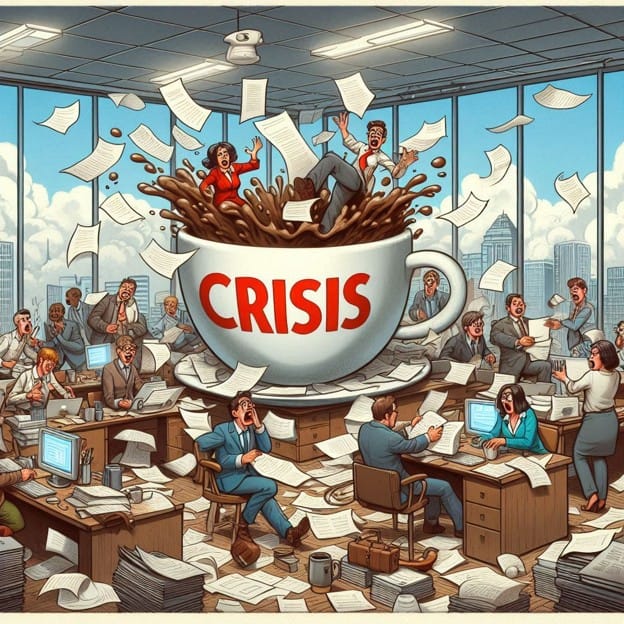
Leading through crisis isn’t just about managing emergencies—it’s about building resilient organizations that can thrive through uncertainty. As I discuss in “Mastering a High-Value Company Culture,” effective crisis leadership requires a foundation of trust, clear communication, and empowered talent that can adapt and innovate when challenges arise.
Building Crisis-Ready Leadership
The Foundation
1. Cultural Preparedness
- Strong values alignment
- Clear decision frameworks
- Established trust
- Open communication channels
2. Operational Readiness
- Risk assessment protocols
- Response plans
- Resource allocation
- Communication systems
Case Study: Manufacturing Resilience
During a major supply chain disruption, one client demonstrated exemplary crisis leadership by:
- Activating cross-functional response teams
- Implementing transparent communication
- Empowering front-line decision making
- Maintaining cultural cohesion
The result? They maintained 85% operational capacity while competitors struggled to reach 50%.
Crisis Leadership Framework
Phase 1: Preparation
- Risk assessment
- Response planning
- Team development
- Resource allocation
Phase 2: Response
- Clear communication
- Quick decision making
- Resource deployment
- Stakeholder engagement
Phase 3: Recovery
- Impact assessment
- Process improvement
- Team support
- Learning integration
Essential Leadership Capabilities
1. Emotional Intelligence
- Self-awareness
- Stress management
- Empathy
- Social awareness
2. Strategic Thinking
- Scenario planning
- Risk assessment
- Resource optimization
- Adaptive strategy
3. Communication Excellence
- Clear messaging
- Multiple channels
- Regular updates
- Feedback loops
Building Crisis-Ready Teams
Team Development
1. Capability Building
- Crisis simulation training
- Decision-making practice
- Communication skills
- Stress management
2. Structure and Process
- Clear roles
- Decision authority
- Communication protocols
- Resource access
Crisis Communication Strategy
Key Components
1. Message Development
- Clear and concise
- Facts-based
- Action-oriented
- Values-aligned
2. Delivery Channels
- Multiple platforms
- Regular updates
- Two-way communication
- Feedback mechanisms
Common Crisis Leadership Challenges
Challenge 1: Information Management
Solution:
- Establish information hubs
- Create verification processes
- Maintain clear channels
- Regular updates
Challenge 2: Decision Paralysis
Solution:
- Clear decision frameworks
- Empowered teams
- Regular review cycles
- Quick feedback loops
Measuring Crisis Leadership Effectiveness
Key Metrics
1. Response Metrics
- Decision speed
- Communication effectiveness
- Resource deployment
- Stakeholder engagement
2. Recovery Indicators
- Operational recovery
- Team resilience
- Cultural strength
- Learning integration
Best Practices for Crisis Leadership
1. Prepare Continuously
- Regular risk assessment
- Updated response plans
- Team training
- Resource readiness
2. Communicate Effectively
- Clear and frequent
- Multiple channels
- Two-way dialogue
- Feedback integration
3. Lead with Values
- Cultural alignment
- Ethical decisions
- Transparent actions
- Stakeholder care
Action Steps for Leaders
Immediate Actions
1. Assessment
- Evaluate current readiness
- Identify gaps
- Map resources
- Plan improvements
2. Team Development
- Build capabilities
- Clarify roles
- Establish protocols
- Practice responses
Long-term Development
1. Cultural Strengthening
- Build trust
- Enhance communication
- Develop resilience
- Foster innovation
2. System Integration
- Align processes
- Update technology
- Improve coordination
- Enhance monitoring
Discussion Questions
- How crisis-ready is your organization?
- What are your biggest crisis leadership challenges?
- How effective are your communication systems?
- What support do your teams need?
- How will you measure crisis readiness?
Next Steps
1. Evaluate Your Readiness
- Assess current state
- Identify gaps
- Define priorities
- Plan improvements
2. Build Your Framework
- Develop protocols
- Assign roles
- Create processes
- Establish metrics
3. Strengthen Your Team
- Provide training
- Practice responses
- Build capabilities
- Foster resilience
Partner with Che’ Blackmon Consulting
Ready to develop your crisis leadership capabilities? We offer:
- Crisis readiness assessment
- Leadership development
- Team training
- Implementation support
Our approach helps organizations:
- Build crisis-ready cultures
- Develop leadership capabilities
- Enhance team resilience
- Create sustainable solutions
Through customized programs, we help you:
- Assess current state
- Design response frameworks
- Build team capabilities
- Measure and improvement
Contact us at admin@cheblackmon.com to begin your journey:
- Schedule a consultation
- Evaluate your needs
- Create your roadmap
- Start your transformation
Remember, effective crisis leadership isn’t just about managing emergencies—it’s about building resilient organizations that can thrive through any challenge. Let’s work together to prepare your organization and your leaders for whatever comes next. The best time to prepare for a crisis is before it happens. Start building your crisis leadership capabilities today to ensure your organization can navigate tomorrow’s challenges successfully.
#CrisisLeadership #OrganizationalResilience #LeadershipDevelopment #RiskManagement #ChangeManagement #BusinessContinuity #ExecutiveLeadership #CrisisManagement #BusinessStrategy #LeadershipStrategy

Leave a Reply