All posts by che_13nov@yahoo.com

Succession Planning: Growing Future Leaders

Beyond Replacement to Transformation

Effective succession planning is about more than simply filling organizational charts with names for future leadership roles. It’s about cultivating potential, nurturing talent, and creating pathways for growth that ensure your organization thrives long-term. At Che’ Blackmon Consulting, we view succession planning as a strategic imperative that, when done right, becomes a powerful catalyst for organizational transformation.

As I discussed in “Mastering a High-Value Company Culture,” organizations that excel at succession planning don’t just survive leadership transitions, they leverage them as opportunities to evolve and innovate. They build resilience while creating equitable advancement opportunities that might otherwise be overlooked.

The Hidden Costs of Succession Planning Failures

The consequences of inadequate succession planning extend far beyond the inconvenience of an empty leadership seat. Consider these sobering realities:

  • External executive hires cost 40% more on average than internal promotions
  • New leaders typically take 6-9 months to reach full productivity
  • Failed leadership transitions can cost up to 40 times the position’s base salary when including direct and indirect costs
  • Organizations without robust succession planning experience 36% higher leadership turnover
  • Teams under new external leadership typically see productivity declines of 15-20% during transitions

One healthcare system we worked with calculated that their succession planning gaps cost them over $3.2 million in a single year through interim leadership expenses, recruitment costs, and productivity losses. These numbers underline why succession planning isn’t just a nice-to-have HR practice, it’s a business imperative with tangible financial implications.

From Replacement Planning to Leadership Cultivation

Traditional succession planning often focuses narrowly on identifying replacement candidates for key positions. This approach, while better than nothing, falls short of what organizations truly need. Modern succession planning encompasses a broader, more strategic process:

1. Strategic Role Analysis

Effective succession planning begins by looking forward, not backward. One technology client completely reimagined their approach by asking: “What leadership capabilities will drive our success five years from now?” Rather than simply planning replacements for current roles, they identified emerging leadership needs based on their evolving business strategy.

This forward-looking perspective revealed gaps in their leadership pipeline around digital transformation and ecosystem partnerships—capabilities that weren’t emphasized in their current leadership model but would be crucial for future success. By identifying these needs early, they could begin intentionally developing these competencies in their high-potential talent.

2. Talent Assessment with an Inclusion Lens

Traditional talent assessment approaches often reinforce existing biases and overlook promising candidates from underrepresented groups. Applying an inclusion lens to succession planning helps organizations identify hidden talent that might otherwise be missed.

A financial services organization we worked with discovered a troubling pattern: their “high potential” designations correlated strongly with certain demographic characteristics and visibility to senior leaders, rather than objective performance measures. By implementing structured assessment processes that evaluated potential across multiple dimensions, they uncovered talented individuals who had been consistently overlooked.

Their revised approach included:

  • Clearly defined potential indicators based on demonstrated behaviors
  • Multi-rater feedback from diverse evaluators
  • Assessment of learning agility and growth mindset
  • Consideration of non-traditional career paths and experiences
  • Deliberate checks for bias in evaluation discussions

This inclusive approach increased their identified high-potential pool by 34% and significantly diversified their succession pipelines.

3. Accelerated Development Experiences

Simply identifying successor candidates is insufficient. Organizations must actively accelerate their development through carefully designed experiences. As we emphasize in our operating principles at Che’ Blackmon Consulting, authentic development requires both challenge and support.

A manufacturing company implemented a robust development approach for succession candidates that included:

  • Strategic stretch assignments with clear learning objectives
  • Cross-functional project leadership opportunities
  • Formal executive mentorship pairings
  • External executive education programs
  • Action learning teams focused on strategic business challenges
  • Regular exposure to board members and senior leadership

These experiences were carefully sequenced to progressively build capabilities while providing adequate support. The result: 78% of their key leadership vacancies were successfully filled by internal candidates, compared to just 32% before implementing this approach.

4. Transparent Career Pathways

Secrecy around succession planning creates unnecessary anxiety and missed development opportunities. Progressive organizations are increasingly transparent about succession processes and career pathways.

A professional services firm transformed their historically secretive approach by:

  • Clearly communicating the competencies and experiences required for senior roles
  • Creating visible leadership development tracks
  • Providing regular feedback to high-potential employees about their development needs
  • Involving employees in creating their own development plans
  • Celebrating internal promotions as visible examples of succession success

This transparency increased employee engagement scores by 27 points and significantly improved retention of high-potential talent.

5. Shared Accountability for Development

For succession planning to truly work, accountability must extend beyond the HR department. Everyone plays a role in cultivating future leadership talent.

A retail organization created a shared accountability model where:

  • Executives were evaluated on their talent development effectiveness
  • Managers had specific goals around preparing team members for advancement
  • Peer leaders participated in talent development through structured mentoring
  • Succession candidates had clear ownership of their development plans
  • HR facilitated the process and provided necessary resources and support

With this distributed approach, the organization built a culture where leadership development became everyone’s responsibility—embodying our principle that sustainable growth requires collective effort.

Case Study: Transformation Through Intentional Succession

A mid-sized technology company approached us with a common challenge: their founding CEO planned to retire within three years, and they had no clear successor. Beyond this immediate concern, they realized their leadership bench throughout the organization was alarmingly thin.

We partnered with them to create a comprehensive succession strategy that exemplified our values of authenticity, inclusion, and excellence. Key components included:

  • A thorough assessment of leadership roles and future capability needs
  • Creation of success profiles for key positions based on future business requirements
  • Implementation of a structured talent review process with specific attention to identifying overlooked potential
  • Development of targeted learning experiences for succession candidates
  • Establishment of mentoring relationships between board members and potential C-suite successors
  • Regular talent discussions integrated into business strategy meetings

The results after two years were remarkable:

  • Internal leadership readiness increased from 23% to 67% of key positions
  • Leadership diversity improved significantly at all levels
  • Employee engagement scores around career growth rose by 31 points
  • The founding CEO successfully transitioned to a board role while an internal candidate seamlessly stepped into leadership
  • The company achieved record growth during the transition year, defying the typical performance dip

Most importantly, they established a sustainable process that continues to strengthen their leadership pipeline—embodying our commitment to creating lasting organizational transformation.

Common Succession Planning Pitfalls

Even well-intentioned succession efforts can fall short. Here are critical mistakes to avoid:

  1. Focusing exclusively on the C-suite: Effective succession planning cascades throughout the organization. One healthcare system we worked with extended their succession planning down to department manager levels, which significantly strengthened their overall leadership pipeline.
  • Planning for roles rather than capabilities: As organizational structures evolve rapidly, role-based succession planning quickly becomes outdated. A more effective approach focuses on building versatile leadership capabilities that can flex as the organization changes.
  • Confusing performance with potential: High performance in a current role doesn’t necessarily indicate potential for success at higher levels. Succession planning must distinguish between these factors and assess both.
  • Neglecting cultural fit and values alignment: Technical capability alone doesn’t ensure leadership success. One manufacturing client learned this lesson painfully after promoting a technically brilliant but culturally toxic leader who ultimately set the organization back years in their employee experience journey.
  • Treating succession planning as an annual event: Organizations that treat succession planning as a continuous process rather than an annual exercise achieve far better results. This ongoing approach allows for regular adjustments as business needs and individual capabilities evolve.

Current Trends Shaping Succession Planning

As we look to the future, several key trends are reshaping succession planning approaches:

  • Skills-based succession thinking: Organizations are shifting from planning successors for specific roles to developing versatile skill portfolios that can be deployed flexibly as needs evolve.
  • Increased transparency: The historical secrecy around succession gives way to more open conversations about development paths and possibilities.
  • Technology-enabled tracking: Advanced analytics and talent management systems now allow for more sophisticated monitoring of bench strength and development progress.
  • **Non-linear career paths: Progressive organizations recognize that the best development sometimes comes through lateral moves, special assignments, or even temporary step-backs that build critical capabilities.
  • External ecosystem consideration: Some organizations are extending their succession thinking beyond traditional boundaries to include key partners, suppliers, and even customers in their leadership ecosystem.

At Che’ Blackmon Consulting, we continually refine our approaches to incorporate these emerging practices while maintaining unwavering focus on our mission: creating pathways for authentic growth that empower overlooked talent and transform organizations.

Taking Action: Next Steps for Your Organization

Regardless of your current succession planning maturity, these practical steps can help you advance:

  1. Assess your leadership continuity risk: Honestly evaluate where your organization would be vulnerable if key leaders departed. Consider using our Leadership Continuity Risk Assessment (available on our website) to identify specific vulnerability areas.
  • Evaluate your current talent identification practices: Are you finding all your potential leaders, or just the most visible ones? Look critically at how you define and assess potential.
  • Audit your development practices: Do your high-potential employees receive experiences that genuinely accelerate their growth, or are they limited to classroom training and theoretical learning?
  • Examine your promotion patterns: What do your actual promotion decisions reveal about your succession effectiveness? Are you consistently developing and advancing internal talent?
  • Build succession discussions into strategic planning: Integrate talent reviews and succession discussions with your business strategy conversations to ensure alignment.

Discussion Questions

  • How well does your succession planning process identify and develop talent from underrepresented groups or less visible parts of your organization?
  • What signals would indicate that your succession planning is becoming a true competitive advantage rather than just a risk mitigation exercise?
  • How effectively do your current leadership development experiences prepare successors for the challenges they’ll actually face in future roles?
  • What cultural barriers might be limiting the effectiveness of your succession efforts, particularly for overlooked talent?
  • How might you better balance the confidentiality needs of succession planning with the benefits of transparency to potential leaders?

Partner with Che’ Blackmon Consulting

Ready to transform your approach to succession planning? Che’ Blackmon Consulting offers customized solutions that align with your unique organizational needs and culture.

Our services include:

  • Succession strategy development
  • Talent assessment design
  • High-potential program creation
  • Accelerated development planning
  • Executive transition coaching

Contact us today to schedule a complimentary strategy session:

  • Email: admin@cheblackmon.com
  • Phone: 888.369.7243
  • Website: https://cheblackmon.com

Join our monthly newsletter “The Blackmon Brief” launching March 2025 for ongoing insights that support your leadership development journey.

#SuccessionPlanning #LeadershipDevelopment #TalentManagement #FutureLeaders #OrganizationalGrowth #EmployeeRetention #BusinessStrategy #ExecutiveDevelopment

Che’ Blackmon is a Human Resources strategist and author who has transformed organizational cultures across multiple industries for over two decades. Her commitment to creating pathways of opportunity for overlooked talent has made her a sought-after advisor for organizations committed to building inclusive, high-value cultures where authentic leadership transforms workplaces.


Building and Scaling Leadership Development Programs

Unlocking Potential Across Your Organization

In today’s rapidly evolving business landscape, leadership development isn’t just a nice-to-have—it’s a strategic imperative. Organizations that systematically develop their leaders outperform those that don’t by a significant margin. Yet many companies struggle to build leadership programs that effectively scale beyond a handful of high-potential employees. At Che’ Blackmon Consulting, we’ve found that truly transformative leadership development requires both strategic vision and practical execution.

As I write in my book, “Mastering a High-Value Company Culture,” leadership development is the engine that powers sustainable growth and inclusive excellence. It’s not enough to focus on developing just the top tier of your organization. True transformation happens when leadership capabilities cascade throughout all levels.

The Hidden Costs of Inadequate Leadership Development

Before diving into solutions, let’s examine what’s at stake. Organizations with ineffective leadership development strategies face several critical challenges:

  • Talent drain: High-potential employees leave when they don’t see growth opportunities
  • Innovation gaps: Without diverse leadership perspectives, companies miss market opportunities
  • Execution failures: Teams struggle to implement strategic initiatives effectively
  • Culture erosion: Toxic leadership behaviors spread without proper development
  • Agility limitations: Organizations can’t adapt quickly to changing market conditions

A client in the healthcare sector recently shared that their leadership turnover was costing them approximately $2.3 million annually—not including the incalculable costs of lost institutional knowledge and team disruption. This stark reality emphasizes why building robust, scalable leadership development programs isn’t just a talent initiative; it’s a business necessity.

Core Components of Scalable Leadership Development

Creating leadership development programs that grow with your organization requires attention to several key elements:

#1. Clear Leadership Competency Framework

Effective programs start with clarity about what good leadership looks like in your specific context. One manufacturing client struggled for years with disconnected leadership initiatives until we helped them create a competency framework that reflected both their current needs and future aspirations.

Their framework included traditional leadership capabilities like strategic thinking and execution excellence, but also emphasized inclusive leadership behaviors that would help them tap into overlooked talent pools—a core principle that aligns with our value of creating equitable opportunities.

2. Personalized Learning Pathways

The one-size-fits-all approach to leadership development is fundamentally flawed. People learn differently, start from different baselines, and have unique strengths to leverage.

A financial services organization we worked with revolutionized their approach by creating flexible learning paths based on:

  • Individual assessment results
  • Career aspirations
  • Current role requirements
  • Organizational needs
  • Learning style preferences

This personalization increased program completion rates from 64% to 91% while improving application of skills on the job by 43%.

3. Experiential Learning Opportunities

Research consistently shows that we learn leadership best by doing. Classroom training alone yields limited results. Truly scalable programs incorporate structured experiential learning through:

  • Cross-functional project assignments
  • Stretch roles with appropriate support
  • Action learning teams tackling real business problems
  • Structured reflection practices
  • Coaching to extract maximum learning from experiences

A technology company we partnered with embedded these principles by creating “leadership labs” where emerging leaders could test new approaches in low-risk environments before applying them to higher-stakes situations. This approach bridged the knowing-doing gap that plagues many development initiatives.

4. Robust Accountability Systems

As we emphasize in our operating principles at Che’ Blackmon Consulting, measurable results matter. Leadership development programs require accountability mechanisms like:

  • Clear metrics for behavior change
  • Regular progress check-ins
  • Manager involvement in development
  • Peer accountability groups
  • Recognition systems that reinforce desired behaviors

When a retail client implemented quarterly leadership development review sessions with the same rigor as their financial reviews, the organization saw a 37% increase in leadership effectiveness scores over 18 months.

5. Technology-Enabled Scaling

Technology, when thoughtfully applied, can dramatically increase the reach and effectiveness of leadership development. Modern approaches leverage:

  • Microlearning modules available on-demand
  • AI-powered coaching platforms
  • Virtual reality simulations for practice
  • Learning experience platforms that curate personalized content
  • Analytics that identify skill gaps and measure progress

One nonprofit client with limited resources used a combination of free and low-cost tools to create a surprisingly robust digital learning ecosystem, demonstrating that technology-enabled scaling is possible regardless of budget constraints.

Case Study: Transformation in Action

A mid-sized professional services firm came to us with a familiar challenge: they had invested significantly in developing their senior leaders but struggled to extend development opportunities throughout the organization. Their leadership pipeline was dangerously thin, especially among historically underrepresented groups.

Working together, we designed a multi-level approach that exemplified our core value of innovation. Key elements included:

  • A redesigned competency model that emphasized both technical excellence and inclusive leadership behaviors
  • Leadership development journeys customized to four distinct organizational levels
  • Peer learning circles that met monthly to discuss application challenges
  • A digital learning hub with curated resources aligned to competency areas
  • Quarterly leadership challenges that encouraged application of new skills

The results after 18 months were remarkable:

  • Internal promotion readiness increased by 42%
  • Leadership diversity improved across all dimensions
  • Employee engagement scores rose by 23 points
  • Client satisfaction reached an all-time high
  • The organization reduced external hiring costs by $850,000

Most importantly, they created a sustainable system that continued to evolve as organizational needs changed—embodying our principle of building long-term partnerships focused on continuous improvement.

Common Pitfalls to Avoid

Even well-designed leadership development programs can falter. Here are critical mistakes to watch for:

  1. Disconnection from business strategy: Leadership development must directly support organizational priorities. One engineering firm we worked with explicitly linked their development modules to their three-year strategic plan, ensuring relevance and executive support.
  • Overemphasis on formal training: Companies often invest heavily in classroom experiences while underinvesting in on-the-job application support. The 70-20-10 model (70% on-the-job learning, 20% social learning, 10% formal training) provides a better balance.
  • Failure to involve direct managers: When managers aren’t equipped to support development, learning transfer suffers dramatically. A comprehensive approach includes equipping managers with coaching skills and accountability tools.
  • Measuring activity instead of impact: Tracking completion rates and satisfaction scores is easy but insufficient. True evaluation requires assessing behavior change and business impact, even if those metrics are more challenging to capture.
  • Ignoring systemic barriers: This is particularly important for overlooked talent. Development programs must address the systemic obstacles that prevent certain groups from advancing, embodying our commitment to challenging barriers while creating practical pathways for change.

Current Trends Shaping the Future of Leadership Development

As we look ahead, several emerging trends are reshaping how organizations approach leadership development:

  • Skills-based talent approaches: Companies are shifting from role-based to skills-based frameworks, allowing for more flexible development and career paths.
  • Democratized learning: Development opportunities are extending beyond traditional high-potential programs to reach broader employee populations.
  • Human-centered leadership: The pandemic accelerated emphasis on empathy, well-being, and human connection as essential leadership capabilities.
  • Digital leadership fluency: As hybrid work becomes standard, the ability to lead effectively through digital channels has become a core competency.
  • Neuroscience-informed practices: Leadership development is increasingly incorporating insights from neuroscience about how adults learn and how the brain responds to change.

At Che’ Blackmon Consulting, we regularly refresh our approaches to incorporate these emerging practices while maintaining unwavering focus on our core mission: creating sustainable pathways for authentic growth and breakthrough performance.

Taking Action: Next Steps for Your Organization

Wherever you are in your leadership development journey, these practical next steps can help you advance:

  1. Assess your current state: Honestly evaluate what’s working and what’s not in your existing approach. Consider using our Leadership Development Maturity Model (available for download on our website) to identify specific improvement areas.
  • Clarify your leadership vision: What leadership capabilities will drive your organization’s success in the next 3-5 years? How do these align with your values and culture aspirations?
  • Identify your biggest capability gaps: Where is the most significant disconnect between your leadership vision and current reality? This gap should inform your initial priorities.
  • Start small but think big: Choose a focused area to begin with, but design it as part of a broader ecosystem that can scale over time.
  • Build evaluation in from the start: Determine how you’ll measure success before launching new initiatives.

Discussion Questions

  • How well does your current leadership development approach balance standardization (for consistency and scalability) with personalization (for relevance and engagement)?
  • What systemic barriers might be limiting the effectiveness of your leadership development efforts, particularly for overlooked talent?
  • How effectively do your leadership development initiatives connect to your business strategy and cultural aspirations?
  • What technological capabilities could help you scale your leadership development impact without proportionally increasing costs?
  • How might you better leverage experiential learning to accelerate leadership growth in your organization?

Partner with Che’ Blackmon Consulting

Ready to transform your approach to leadership development? Che’ Blackmon Consulting offers customized solutions that align with your unique organizational needs and culture.

Our services include:

  • Leadership competency framework development
  • Program design and implementation
  • Train-the-trainer capability building
  • Measurement strategy and analytics
  • Executive coaching and advisory services

Contact us today to schedule a complimentary strategy session:

  • Email: admin@cheblackmon.com
    • Phone: 888.369.7243
    • Website: https://cheblackmon.com

Join our monthly newsletter “The Blackmon Brief” launching March 2025 for ongoing insights that support your leadership development journey.

Che’ Blackmon is a Human Resources strategist and author who has transformed organizational cultures across multiple industries for over two decades. Her commitment to creating pathways of opportunity for overlooked talent has made her a sought-after advisor for organizations committed to building inclusive, high-value cultures where authentic leadership transforms workplaces.

#LeadershipDevelopment #TalentManagement #OrganizationalGrowth #InclusiveLeadership #ProfessionalDevelopment #BusinessStrategy #WorkplaceCulture #EmployeeEngagement

Data-Driven Leadership: Making Informed Decisions

In today’s rapidly evolving business landscape, gut instinct alone isn’t enough. As I discuss in “Mastering a High-Value Company Culture,” transforming organizational cultures and empowering overlooked talent requires a strategic balance of human insight and data-driven decision making. The most effective leaders know how to harness data to create sustainable pathways for authentic growth and breakthrough performance.

The Foundation of Data-Driven Leadership

Core Components

1. Data Collection

  • Relevant metrics
  • Quality information
  • Consistent gathering
  • Systematic storage

2. Analysis Framework

  • Clear objectives
  • Statistical understanding
  • Pattern recognition
  • Context consideration

Case Study: Manufacturing Excellence

When working with a major automotive supplier, implementing data-driven leadership led to:

  • 25% reduction in quality issues
  • 30% improvement in productivity
  • 40% increase in employee engagement
  • Significant cost savings

Creating a Data-Driven Culture

Phase 1: Assessment

  • Current metrics review
    • Data quality evaluation
    • Process analysis
    • Capability assessment

Phase 2: Implementation

1. Infrastructure Development

  • Data collection systems
    • Analysis tools
    • Reporting frameworks
    • Training programs

2. Team Capability Building

  • Data literacy
    • Analysis skills
    • Decision frameworks
    • Communication methods

Essential Data Leadership Skills

1. Analysis Capabilities

  • Statistical understanding
    • Pattern recognition
    • Trend analysis
    • Impact assessment

2. Strategic Interpretation

  • Context consideration
    • Business alignment
    • Risk evaluation
    • Opportunity identification

3. Communication Excellence

  • Clear presentation
    • Storytelling with data
    • Stakeholder engagement
    • Action planning

Making Data-Informed Decisions

Framework Development

1. Data Collection

  • Define metrics
    • Establish processes
    • Ensure quality
    • Maintain consistency

2. Analysis Process

  • Regular review
    • Pattern identification
    • Impact assessment
    • Option evaluation

Implementation Strategy

1. Decision Making

  • Clear criteria
    • Stakeholder input
    • Risk assessment
    • Action planning

2. Results Monitoring

  • Performance tracking
    • Impact measurement
    • Course correction
    • Learning integration

Common Challenges and Solutions

Challenge 1: Data Overload

Solution:

  • Focus on key metrics
    • Clear prioritization
    • Efficient analysis
    • Actionable insights

Challenge 2: Quality Issues

Solution:

  • Standard processes
    • Quality controls
    • Regular audits
    • Continuous improvement

Measuring Success

Key Performance Indicators

1. Decision Quality

  • Accuracy rate
    • Implementation success
    • Time efficiency
    • Impact measurement

2. Organizational Impact

  • Performance improvement
    • Cultural enhancement
    • Innovation increase
    • Cost reduction

Best Practices for Data-Driven Leadership

1. Strategic Focus

  • Clear objectives
    • Relevant metrics
    • Regular review
    • Action orientation

2. Quality Emphasis

  • Data accuracy
    • Consistent processes
    • Regular validation
    • Continuous improvement

3. People Integration

  • Capability development
    • Cultural alignment
    • Change management
    • Success celebration

Action Steps for Leaders

Immediate Actions

1. Assess Current State

  • Review metrics
    • Evaluate processes
    • Identify gaps
    • Plan improvements

2. Build Infrastructure

  • Develop systems
    • Create processes
    • Establish controls
    • Train teams

Long-term Development

1. Enhance Capabilities

  • Build skills
    • Improve processes
    • Update systems
    • Measure impact

2. Create Sustainability

  • Document processes
    • Train successors
    • Share knowledge
    • Build resilience

Discussion Questions

  1. How data-driven are your current decisions?
  2. What metrics matter most in your environment?
  3. How can you better integrate data into leadership?
  4. What capabilities do your teams need?
  5. How will you measure success?

Next Steps

1. Evaluate Your Approach

  • Assess current state
    • Identify gaps
    • Define priorities
    • Plan improvements

2. Develop Your Framework

  • Create structure
    • Build processes
    • Establish metrics
    • Allocate resources

3. Build Your Capabilities

  • Enhance skills
    • Improve systems
    • Train teams
    • Measure results

Partner with Che’ Blackmon Consulting

Ready to enhance your data-driven leadership capabilities? We offer:

  • Leadership development
    • Process improvement
    • Implementation support
    • Results measurement

Our approach helps leaders:

  • Build data capabilities
    • Create decision frameworks
    • Enhance team performance
    • Drive transformation

Through customized solutions, we help you:

  • Assess current state
    • Design frameworks
    • Develop capabilities
    • Measure impact

Contact us at admin@cheblackmon.com to begin your journey:

  • Schedule a consultation
    • Evaluate your needs
    • Create your roadmap
    • Start transformation

Remember, effective data-driven leadership isn’t just about collecting numbers—it’s about creating insights that drive meaningful action and sustainable growth. Let’s work together to develop your data leadership capabilities and transform your organization’s decision-making process.

The future belongs to leaders who can effectively combine human insight with data-driven decision making. Start building your data leadership practice today to ensure success tomorrow.

#DataDrivenLeadership #BusinessAnalytics #LeadershipStrategy #DecisionMaking #BusinessIntelligence #ExecutiveLeadership #OrganizationalExcellence #BusinessTransformation #DataAnalytics #StrategicLeadership

Leadership Coaching: Developing Your Direct Reports

As I discuss in “Mastering a High-Value Company Culture,” empowering overlooked talent isn’t just about providing opportunities, it’s about creating sustainable pathways for authentic growth through intentional coaching and development. Effective leadership coaching transforms both individuals and organizations, creating breakthrough performance through strategic HR leadership.

The Foundation of Leadership Coaching

Core Principles

1. Trust-Based Relationships

  • Psychological safety
  • Mutual respect
  • Open communication
  • Shared commitment

2. Growth Mindset

  • Continuous learning
  • Embracing challenges
  • Learning from failure
  • Development focus

Case Study: Manufacturing Leadership Development

Working with a manufacturing client, we implemented a structured coaching program that:

  • Increased leadership bench strength by 40%
  • Improved employee engagement scores by 35%
  • Reduced turnover among high potentials by 50%
  • Enhanced cross-functional collaboration

The Coaching Framework

Phase 1: Assessment

  • Individual capabilities
    • Development needs
    • Career aspirations
    • Performance gaps

Phase 2: Planning

  • Clear objectives
    • Development strategies
    • Success metrics
    • Resource requirements

Phase 3: Implementation

1. Regular Coaching Sessions

  • Structured discussions
    • Progress reviews
    • Feedback exchange
    • Action planning

2. Development Activities

  • Skill building
    • Experience creation
    • Knowledge acquisition
    • Network development

Essential Coaching Skills

1. Active Listening

  • Full attention
    • Deep understanding
    • Non-verbal awareness
    • Emotional attunement

2. Powerful Questioning

  • Open-ended inquiry
    • Thought provocation
    • Insight generation
    • Action orientation

3. Effective Feedback

  • Timely delivery
    • Specific examples
    • Growth focus
    • Action-oriented

Creating Development Opportunities

Structured Experiences

1. On-the-Job Learning

  • Stretch assignments
    • Project leadership
    • Cross-functional roles
    • Special initiatives

2. Formal Development

  • Training programs
    • Certification courses
    • Workshops
    • Seminars

Relationship Building

1. Mentoring Connections

  • Internal mentors
    • External advisors
    • Peer relationships
    • Industry networks

2. Team Integration

  • Collaborative projects
    • Cross-functional teams
    • Leadership exposure
    • Knowledge sharing

Measuring Coaching Impact

Key Performance Indicators

1. Individual Growth

  • Skill development
    • Performance improvement
    • Career progression
    • Leadership effectiveness

2. Organizational Impact

  • Succession readiness
    • Employee engagement
    • Team performance
    • Cultural strength

Best Practices for Leadership Coaching

1. Structure and Consistency

  • Regular sessions
    • Clear objectives
    • Progress tracking
    • Accountability mechanisms

2. Customization and Flexibility

  • Individual needs
    • Learning styles
    • Development pace
    • Career goals

3. Resource Integration

  • Tools and frameworks
    • Learning materials
    • Support systems
    • Technology platforms

Common Coaching Challenges

Challenge 1: Time Management

Solution:

  • Scheduled commitments
    • Protected coaching time
    • Efficient processes
    • Clear boundaries

Challenge 2: Resistance to Growth

Solution:

  • Trust building
    • Clear benefits
    • Early wins
    • Celebrated progress

Action Steps for Leaders

Immediate Actions

1. Assess Current State

  • Review development needs
    • Evaluating relationships
    • Identify opportunities
    • Plan approach

2. Build Coaching Structure

  • Create framework
    • Schedule sessions
    • Define objectives
    • Establish metrics

Long-term Development

1. Enhance Coaching Skills

  • Develop capabilities
    • Practice techniques
    • Seek feedback
    • Refine approach

2. Create Support Systems

  • Resource allocation
    • Tool development
    • Process integration
    • Success measurement

Discussion Questions

  1. How effective is your current coaching approach?
  2. What development opportunities exist in your organization?
  3. How can you support your direct reports’ growth?
  4. What coaching capabilities do you need to develop?
  5. How will you measure coaching success?

Next Steps

1. Evaluate Your Coaching Practice

  • Assess current approach
    • Identify gaps
    • Define priorities
    • Plan improvements

2. Develop Your Framework

  • Create structure
    • Build processes
    • Establish metrics
    • Allocate resources

3. Enhance Your Skills

  • Seek training
    • Practice techniques
    • Get feedback
    • Refine approach

Partner with Che’ Blackmon Consulting

Ready to enhance your leadership coaching capabilities? We offer:

  • Coaching skill development
    • Program design support
    • Implementation guidance
    • Results measurement

Our approach helps leaders:

  • Build coaching capabilities
    • Create development frameworks
    • Enhance team performance
    • Drive cultural transformation

Through customized solutions, we help you:

  • Assess current state
    • Design coaching programs
    • Develop capabilities
    • Measure impact

Contact us at admin@cheblackmon.com to start your journey:

  • Schedule a consultation
    • Evaluate your needs
    • Create your roadmap
    • Begin transformation

Remember, effective leadership coaching isn’t just about improving performance, it’s about creating sustainable pathways for authentic growth and breakthrough performance. Let’s work together to develop your coaching capabilities and empower your team’s success.

The investment you make in coaching your direct reports today creates the leaders who will transform your organization tomorrow. Start building your coaching practice now to ensure sustainable success for the future.

#LeadershipDevelopment #ExecutiveCoaching #TalentDevelopment #LeadershipCoaching #ProfessionalDevelopment #EmployeeEngagement #OrganizationalDevelopment #LeadershipSkills #CareerGrowth #LeadershipStrategy

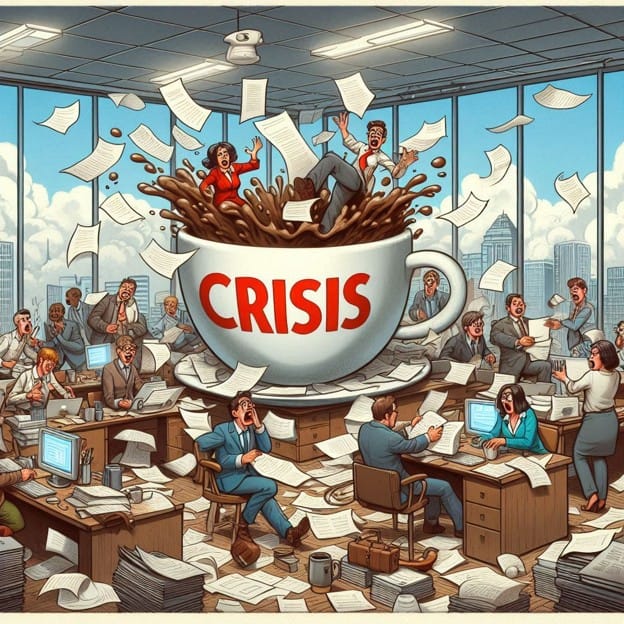
Crisis Leadership: Preparing for the Unexpected

Leading through crisis isn’t just about managing emergencies—it’s about building resilient organizations that can thrive through uncertainty. As I discuss in “Mastering a High-Value Company Culture,” effective crisis leadership requires a foundation of trust, clear communication, and empowered talent that can adapt and innovate when challenges arise.

Building Crisis-Ready Leadership

The Foundation

1. Cultural Preparedness

  • Strong values alignment
  • Clear decision frameworks
  • Established trust
  • Open communication channels

2. Operational Readiness

  • Risk assessment protocols
  • Response plans
  • Resource allocation
  • Communication systems

Case Study: Manufacturing Resilience

During a major supply chain disruption, one client demonstrated exemplary crisis leadership by:

  • Activating cross-functional response teams
  • Implementing transparent communication
  • Empowering front-line decision making
  • Maintaining cultural cohesion

The result? They maintained 85% operational capacity while competitors struggled to reach 50%.

Crisis Leadership Framework

Phase 1: Preparation

  • Risk assessment
    • Response planning
    • Team development
    • Resource allocation

Phase 2: Response

  • Clear communication
    • Quick decision making
    • Resource deployment
    • Stakeholder engagement

Phase 3: Recovery

  1. Impact assessment
    1. Process improvement
    1. Team support
    1. Learning integration

Essential Leadership Capabilities

1. Emotional Intelligence

  • Self-awareness
    • Stress management
    • Empathy
    • Social awareness

2. Strategic Thinking

  • Scenario planning
    • Risk assessment
    • Resource optimization
    • Adaptive strategy

3. Communication Excellence

  • Clear messaging
    • Multiple channels
    • Regular updates
    • Feedback loops

Building Crisis-Ready Teams

Team Development

1. Capability Building

  • Crisis simulation training
    • Decision-making practice
    • Communication skills
    • Stress management

2. Structure and Process

  • Clear roles
    • Decision authority
    • Communication protocols
    • Resource access

Crisis Communication Strategy

Key Components

1. Message Development

  • Clear and concise
    • Facts-based
    • Action-oriented
    • Values-aligned

2. Delivery Channels

  • Multiple platforms
    • Regular updates
    • Two-way communication
    • Feedback mechanisms

Common Crisis Leadership Challenges

Challenge 1: Information Management

Solution:

  • Establish information hubs
    • Create verification processes
    • Maintain clear channels
    • Regular updates

Challenge 2: Decision Paralysis

Solution:

  • Clear decision frameworks
    • Empowered teams
    • Regular review cycles
    • Quick feedback loops

Measuring Crisis Leadership Effectiveness

Key Metrics

1. Response Metrics

  • Decision speed
    • Communication effectiveness
    • Resource deployment
    • Stakeholder engagement

2. Recovery Indicators

  • Operational recovery
    • Team resilience
    • Cultural strength
    • Learning integration

Best Practices for Crisis Leadership

1. Prepare Continuously

  • Regular risk assessment
    • Updated response plans
    • Team training
    • Resource readiness

2. Communicate Effectively

  • Clear and frequent
    • Multiple channels
    • Two-way dialogue
    • Feedback integration

3. Lead with Values

  • Cultural alignment
    • Ethical decisions
    • Transparent actions
    • Stakeholder care

Action Steps for Leaders

Immediate Actions

1. Assessment

  • Evaluate current readiness
    • Identify gaps
    • Map resources
    • Plan improvements

2. Team Development

  • Build capabilities
    • Clarify roles
    • Establish protocols
    • Practice responses

Long-term Development

1. Cultural Strengthening

  • Build trust
    • Enhance communication
    • Develop resilience
    • Foster innovation

2. System Integration

  1. Align processes
    1. Update technology
    1. Improve coordination
    1. Enhance monitoring

Discussion Questions

  1. How crisis-ready is your organization?
  2. What are your biggest crisis leadership challenges?
  3. How effective are your communication systems?
  4. What support do your teams need?
  5. How will you measure crisis readiness?

Next Steps

1. Evaluate Your Readiness

  1. Assess current state
    1. Identify gaps
    1. Define priorities
    1. Plan improvements

2. Build Your Framework

  • Develop protocols
    • Assign roles
    • Create processes
    • Establish metrics

3. Strengthen Your Team

  • Provide training
    • Practice responses
    • Build capabilities
    • Foster resilience

Partner with Che’ Blackmon Consulting

Ready to develop your crisis leadership capabilities? We offer:

  • Crisis readiness assessment
    • Leadership development
    • Team training
    • Implementation support

Our approach helps organizations:

  • Build crisis-ready cultures
    • Develop leadership capabilities
    • Enhance team resilience
    • Create sustainable solutions

Through customized programs, we help you:

  1. Assess current state
    1. Design response frameworks
    1. Build team capabilities
    1. Measure and improvement

Contact us at admin@cheblackmon.com to begin your journey:

  • Schedule a consultation
    • Evaluate your needs
    • Create your roadmap
    • Start your transformation

Remember, effective crisis leadership isn’t just about managing emergencies—it’s about building resilient organizations that can thrive through any challenge. Let’s work together to prepare your organization and your leaders for whatever comes next. The best time to prepare for a crisis is before it happens. Start building your crisis leadership capabilities today to ensure your organization can navigate tomorrow’s challenges successfully.

#CrisisLeadership #OrganizationalResilience #LeadershipDevelopment #RiskManagement #ChangeManagement #BusinessContinuity #ExecutiveLeadership #CrisisManagement #BusinessStrategy #LeadershipStrategy

Cross-Functional Leadership: Breaking Down Silos

In today’s complex business environment, organizational silos can be the silent killers of innovation, growth, and cultural transformation. Throughout my research for “Mastering a High-Value Company Culture” and my consulting work, I’ve found that effective cross-functional leadership is essential for empowering overlooked talent and creating sustainable pathways for authentic growth.

Understanding the Silo Challenge

Organizational silos are more than just structural divisions—they’re cultural barriers that:

  • Limit collaboration and innovation
  • Reduce operational efficiency
  • Hinder talent development
  • Impede organizational agility

Case Study: Manufacturing Transformation

When working with a major automotive supplier, we discovered that departmental silos were causing:

  • 35% longer product development cycles
  • Significant quality issues
  • Low employee engagement
  • Missed market opportunities

Building Cross-Functional Excellence

1. Leadership Framework

  • Clear shared vision
  • Aligned objectives
  • Integrated processes
  • Collaborative metrics

2. Cultural Components

  • Trust-based relationships
  • Open communication channels
  • Shared accountability
  • Innovation mindset

Practical Implementation Strategies

Phase 1: Assessment and Planning

1. Evaluate Current State

  • Map organizational structure
  • Identify communication barriers
  • Assess collaboration levels
  • Document pain points

2. Design Integration Points

  • Cross-functional teams
  • Shared projects
  • Joint planning sessions
  • Combined metrics

Phase 2: Implementation

1. Build Collaborative Infrastructure

  • Communication platforms
  • Shared workspaces
  • Project management tools
  • Knowledge sharing systems

2. Develop Team Capabilities

  • Cross-functional training
  • Collaboration skills
  • Change management
  • Cultural awareness

Success Metrics and Measurement

Key Performance Indicators

1. Operational Metrics

  • Process efficiency
  • Project completion rates
  • Innovation outcomes
  • Quality improvements

2. Cultural Indicators

  • Collaboration levels
  • Employee engagement
  • Knowledge sharing
  • Trust measures

Best Practices for Cross-Functional Leadership

1. Communication Excellence

  • Regular cross-team meetings
  • Transparent information sharing
  • Clear decision protocols
  • Feedback mechanisms

2. Team Development

  • Cross training opportunities
  • Rotation programs
  • Mentorship initiatives
  • Shared learning experiences

3. Process Integration

  • Aligned workflows
    • Shared tools
    • Integrated systems
    • Common metrics

Common Challenges and Solutions

Challenge 1: Resistance to Change

Solution:

  • Build compelling case for collaboration
    • Demonstrate early wins
    • Celebrating shared successes
    • Provide support and resources

Challenge 2: Competing Priorities

Solution:

  • Establish clear objectives
    • Create shared metrics
    • Align incentives
    • Foster mutual accountability

Implementation Roadmap

Month 1-3: Foundation

  • Assess current state
    • Build leadership alignment
    • Design integration strategy
    • Plan implementation

Month 4-6: Implementation

  • Launch cross-functional initiatives
    • Develop team capabilities
    • Establish measurement systems
    • Monitor progress

Month 7-12: Optimization

  • Refine processes
    • Scale successful practices
    • Address challenges
    • Celebrating achievements

Leadership Actions for Success

1. Model Collaboration

  • Work across boundaries
    • Share information openly
    • Support joint initiatives
    • Celebrating team success

2. Build Capabilities

  • Develop cross-functional skills
    • Foster cultural awareness
    • Enhance communication
    • Strengthening relationships

Discussion Questions

  1. How do silos currently impact your organization’s performance?
  2. What cross-functional opportunities exist in your environment?
  3. How can you better align team objectives and metrics?
  4. What support do you need to drive collaboration?
  5. How will you measure cross-functional success?

Next Steps for Leaders

1. Assess Your Environment

  • Map current relationships
    • Identify barriers
    • Document opportunities
    • Define priorities

2. Create Your Action Plan

  • Set clear objectives
    • Define success metrics
    • Allocate resources
    • Establish timelines

3. Build Support

  • Engage stakeholders
    • Develop capabilities
    • Create accountability
    • Monitor progress

Partner with Che’ Blackmon Consulting

Ready to transform your organization through cross-functional leadership? We offer:

  • Organizational assessment
    • Strategy development
    • Implementation support
    • Leadership coaching

Our approach helps organizations:

  • Break down silos
    • Build collaborative cultures
    • Enhance performance
    • Driving innovation

Through customized solutions, we help you:

  • Assess current state
    • Design integration strategies
    • Develop leadership capabilities
    • Measure and optimize results

Contact us at admin@cheblackmon.com to begin your transformation:

  • Schedule a consultation
    • Evaluate your needs
    • Create your roadmap
    • Start your journey

Breaking down silos isn’t just about structural change—it’s about creating a culture of collaboration that empowers talent and drives sustainable growth. Let’s work together to transform your organization through effective cross-functional leadership.

Remember, true organizational excellence comes from breaking down barriers and building bridges that enable all talent to contribute their best work. The journey starts with leadership commitment and continues through consistent action and continuous improvement.

#OrganizationalDevelopment #CrossFunctionalTeams #LeadershipStrategy #InnovationCulture #ChangeManagement #BusinessTransformation #TeamCollaboration #OrganizationalCulture #LeadershipDevelopment #BusinessGrowth