The Sandwich Generation Squeeze: GenX Leaders Managing Up, Down, and Sideways 🥪

Generation X leaders are experiencing an unprecedented pressure point. Born between 1965 and 1980, these professionals now occupy critical middle management and senior leadership roles while simultaneously caring for aging parents and supporting adult children. Add to this the challenge of navigating workplace dynamics with Boomer bosses and Millennial/Gen Z direct reports, and you have what I call the “triple squeeze” of modern leadership.

The Unique Position of GenX in Today’s Workplace

GenX leaders represent just 35% of the workforce but hold 51% of leadership positions globally. They’re the bridge generation—digitally adaptable yet traditionally trained, collaborative yet independent, skeptical yet committed. They’re managing the most age-diverse workforce in history while carrying the heaviest personal caregiving load of any generation.

Research from Pew indicates that 47% of adults in their 40s and 50s have both a parent over 65 and are either raising or financially supporting children. For GenX leaders, this translates into managing complex responsibilities across multiple life domains, often with limited organizational support.

As I explored in “High-Value Leadership: Transforming Organizations Through Purposeful Culture,” authentic leadership requires bringing your whole self to work. Yet for GenX leaders juggling eldercare appointments, college tuition payments, and strategic presentations, “bringing your whole self” can feel overwhelming.

The Compounded Challenge for Black Women GenX Leaders 💪

For Black women in GenX leadership positions, these challenges multiply exponentially. They face what researchers call “gendered racism” in the workplace while often serving as primary caregivers in multigenerational households. Studies show Black women spend 41% more time on caregiving than white women, while earning 63 cents for every dollar earned by white men in similar positions.

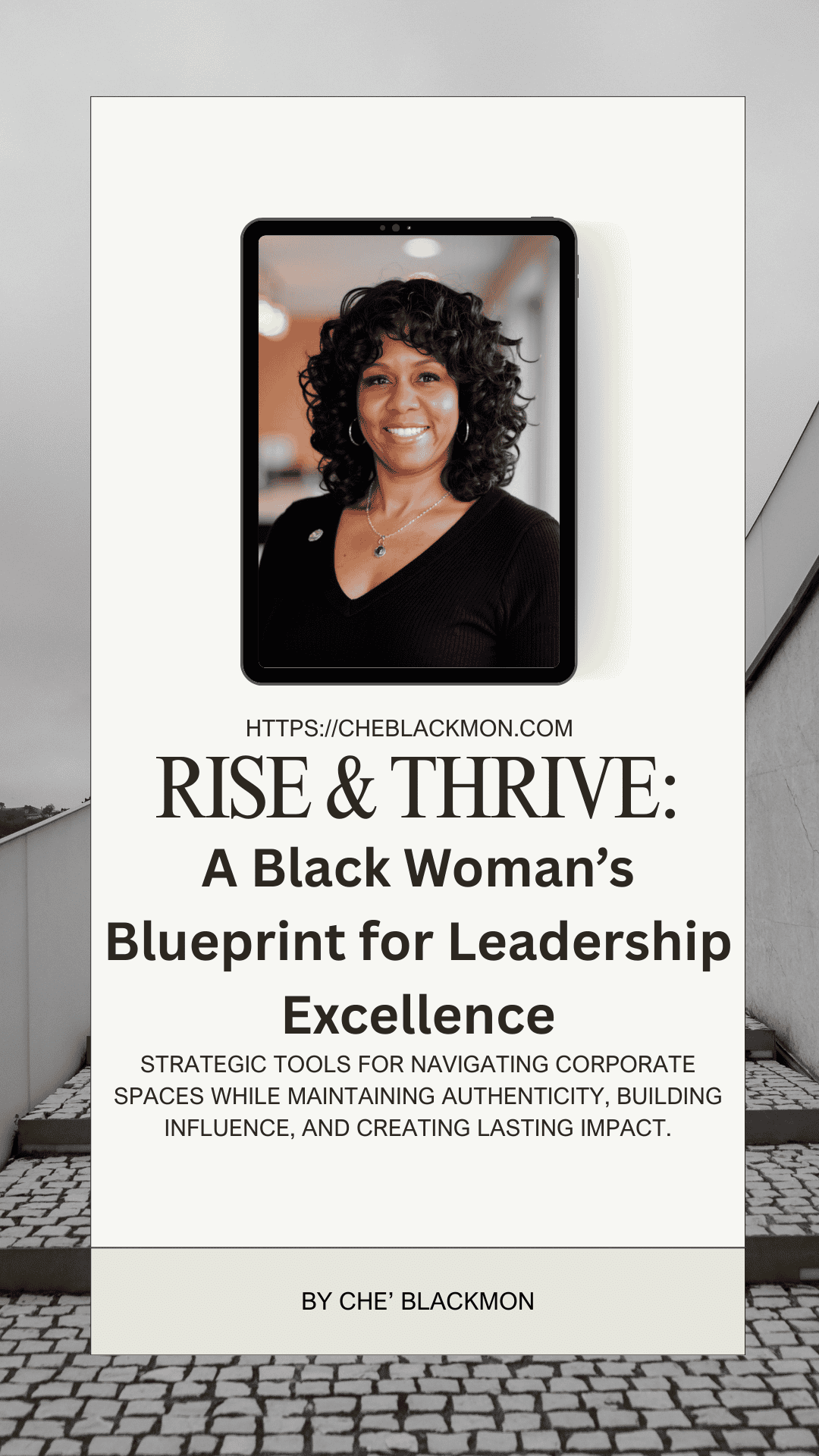
In “Rise & Thrive: A Black Woman’s Blueprint for Leadership Excellence,” I discussed the additional emotional labor Black women carry in corporate spaces. For GenX Black women leaders, this includes:

  • Being expected to mentor every Black junior employee while receiving less mentorship themselves
  • Managing microaggressions from multiple generations with different awareness levels
  • Navigating the “only one” syndrome in senior leadership while supporting family members who may not understand corporate pressures
  • Facing assumptions about their promotion being “diversity-driven” rather than merit-based

Case Study: Angela’s Triple Bind

Angela, a 48-year-old Black woman VP at a Fortune 500 company, manages a team of 50 while caring for her mother with dementia and supporting two college-aged children. Her days begin at 5 AM reviewing global reports, include lunchtime calls to her mother’s care facility, and end helping her daughter navigate workplace racism in her first internship. When her Boomer CEO questions her “commitment” for leaving at 5:30 PM, and her Millennial direct reports expect 24/7 Slack availability, Angela embodies the impossible standards placed on GenX leaders, particularly Black women.

Managing Up: Navigating Boomer Bosses 📊

Boomer leaders (born 1946-1964) often value face time, hierarchical respect, and traditional communication methods. For GenX leaders reporting to them, success requires strategic adaptation without sacrificing authenticity.

Effective Strategies for Managing Boomer Leaders:

1. Speak Their Language

  • Lead with ROI and bottom-line impact
  • Document achievements in formal reports
  • Schedule face-to-face meetings for important discussions
  • Respect hierarchical communication channels

2. Bridge Technology Gaps Diplomatically

  • Introduce new tools gradually with clear business cases
  • Offer to create “executive summaries” of digital data
  • Translate digital metrics into traditional business language
  • Provide options rather than mandates

3. Honor Their Experience While Asserting Your Expertise

  • Acknowledge their institutional knowledge
  • Frame new ideas as “building on” established success
  • Use phrases like “expanding our success” rather than “changing direction”
  • Share credit generously

Managing Down: Leading Millennials and Gen Z 🚀

Younger employees expect transparency, purpose-driven work, continuous feedback, and flexibility. They’ve never known a workplace without technology and often prioritize work-life integration over traditional career paths.

Strategies for Leading Younger Generations:

1. Provide Purpose and Context

  • Connect every project to larger organizational impact
  • Share the “why” behind decisions
  • Create opportunities for meaningful contribution
  • Celebrate impact, not just output

2. Embrace Flexible Communication

  • Use multiple channels (Slack, video, text)
  • Provide real-time feedback rather than annual reviews
  • Be accessible without being available 24/7
  • Set clear boundaries while remaining approachable

3. Foster Growth and Development

  • Create clear development pathways
  • Provide frequent learning opportunities
  • Offer reverse mentoring programs
  • Support career experimentation

Managing Sideways: Peer Relationships Across Generations 🤝

GenX leaders must also navigate peer relationships with colleagues from different generations, each bringing distinct values and work styles.

Building Cross-Generational Alliances:

1. With Boomer Peers:

  • Bond over shared organizational knowledge
  • Respect their seniority while asserting your expertise
  • Collaborate on succession planning
  • Bridge generational divides together

2. With Fellow GenX Leaders:

  • Create support networks for shared challenges
  • Share caregiving resources and strategies
  • Collaborate on flexible work policies
  • Advocate collectively for middle management

3. With Millennial Peers:

  • Learn from their digital native perspectives
  • Partner on innovation initiatives
  • Share leadership development opportunities
  • Build mutual mentoring relationships

The Caregiving Crisis: Supporting Aging Parents and Adult Children 👨‍👩‍👧‍👦

The average GenX leader spends 23 hours per week on caregiving activities outside work. This invisible labor impacts performance, advancement opportunities, and mental health.

Current Statistics:

  • 73% of employees caring for older relatives have quit a job due to caregiving responsibilities
  • GenX women are 10 times more likely than men to reduce work hours for caregiving
  • The average GenX household provides $7,000 annually in financial support to adult children
  • 60% of GenX caregivers report symptoms of burnout

Real-World Example: Microsoft’s Response

Microsoft recognized the caregiving crisis among GenX employees and implemented comprehensive support:

  • Paid family caregiving leave
  • Backup elder and child care services
  • Flexible work arrangements without career penalties
  • Employee resource groups for caregivers
  • Partnership with care coordination services

Result: 30% reduction in stress-related leave and 25% improvement in retention among GenX leaders.

Creating High-Value Support Systems 🌟

In “Mastering a High-Value Company Culture,” I emphasized that culture is built through intentional systems. GenX leaders need both personal and organizational support structures.

Personal Strategies:

1. Boundary Management

  • Establish non-negotiable family time
  • Create “buffer zones” between work and caregiving
  • Use technology for efficiency (care apps, scheduling tools)
  • Practice saying “no” to non-essential commitments

2. Resource Optimization

  • Build caregiving teams (family, friends, professionals)
  • Investigate employer benefits fully
  • Join caregiver support groups
  • Share resources with other GenX leaders

3. Self-Care as Survival

  • Schedule personal health appointments
  • Protect sleep hygiene
  • Maintain at least one non-work, non-caregiving activity
  • Seek mental health support proactively

Organizational Support Systems:

1. Policy Innovation

  • Flexible work arrangements that acknowledge caregiving
  • Paid caregiving leave beyond FMLA
  • Backup care services
  • Phased retirement options

2. Cultural Shifts

  • Normalize caregiving discussions
  • Recognize caregiving in performance evaluations
  • Create caregiver employee resource groups
  • Train managers on caregiving challenges

3. Career Path Flexibility

  • Alternative advancement paths during high-caregiving years
  • Job-sharing at senior levels
  • Return-to-leadership programs
  • Project-based leadership opportunities

The Hidden Strengths of the Sandwich Generation 💡

While the challenges are real, GenX leaders bring unique strengths born from their complex positioning:

1. Unmatched Adaptability Managing multiple generations develops exceptional flexibility and problem-solving skills.

2. Bridge-Building Expertise Natural translators between traditional and digital, hierarchical and flat, formal and informal.

3. Emotional Intelligence Navigating complex family and work dynamics builds sophisticated emotional awareness.

4. Efficiency Masters Limited time forces innovation in productivity and delegation.

5. Authentic Leadership The impossibility of perfection often leads to more genuine, vulnerable leadership.

Current Trends and Future Outlook 🔮

Emerging Workplace Trends:

1. “Caregiving Benefits” as Standard Forward-thinking companies now view caregiving support as essential as healthcare.

2. Four-Generation Workforce Strategies Organizations are developing specific strategies for managing four (soon five) generations.

3. Flexible Leadership Models Recognition that leadership doesn’t require 24/7 availability is growing.

4. GenX Retention Crisis As caregiving demands peak, organizations risk losing their most experienced leaders.

Best Practices from Leading Organizations:

Johnson & Johnson: Provides up to $100/day for backup dependent care Bank of America: Offers paid caregiving leave and care consultation services Patagonia: Created on-site eldercare alongside their famous childcare IBM: Developed AI-powered care coordination tools for employees

Action Steps for GenX Leaders 🎯

Immediate Actions (This Week):

  1. Assess Your Current Load
    • List all caregiving responsibilities
    • Identify your biggest stressors
    • Map your support gaps
  2. Audit Available Resources
    • Review all employer benefits
    • Research community resources
    • Identify potential support partners
  3. Set One Boundary
    • Choose one area to protect
    • Communicate it clearly
    • Stick to it for one week

30-Day Plan:

  1. Build Your Support Network
    • Join a GenX leader group
    • Find caregiving resources
    • Identify backup support
  2. Optimize Your Work Style
    • Implement time-blocking
    • Delegate one major task
    • Streamline one process
  3. Address One Generational Challenge
    • Choose your biggest friction point
    • Develop targeted strategies
    • Test and refine approach

90-Day Transformation:

  1. Create Sustainable Systems
    • Establish caregiving routines
    • Build communication protocols
    • Develop emergency plans
  2. Advocate for Change
    • Propose one policy improvement
    • Share your story strategically
    • Build coalition support
  3. Model High-Value Leadership
    • Demonstrate sustainable success
    • Mentor others facing similar challenges
    • Create psychological safety for your team

For Black Women GenX Leaders: Additional Strategies 🌟

Managing Intersectional Challenges:

1. Build Your Board of Directors

  • Find mentors who understand your unique position
  • Connect with other Black women GenX leaders
  • Seek sponsors who advocate for your advancement

2. Document Everything

  • Keep detailed records of achievements
  • Track microaggressions and responses
  • Maintain caregiver accommodation requests

3. Strategic Visibility

  • Share successes proactively
  • Control your narrative
  • Build allies across generations

4. Protect Your Energy

  • Say no to unofficial diversity work
  • Delegate emotional labor
  • Preserve capacity for what matters most

Discussion Questions for Reflection 💭

  1. How has your experience as a GenX leader managing multiple generations shaped your leadership style?
  2. What caregiving responsibilities currently impact your work performance, and what support would make the biggest difference?
  3. Where do you experience the most friction in managing across generations, and what strategies have worked?
  4. How does your organization currently support (or fail to support) leaders with caregiving responsibilities?
  5. What would sustainable success look like for you as a sandwich generation leader?

Your Next Steps: From Squeeze to Strategic Success 🚀

The sandwich generation squeeze is real, but it doesn’t have to derail your leadership journey. With intentional strategies, organizational support, and community connection, GenX leaders can transform this challenging life phase into a period of profound impact and growth.

Ready to move from survival to strategic success?

Che’ Blackmon Consulting specializes in supporting GenX leaders navigating complex generational dynamics while maintaining high performance and personal wellbeing.

We offer:

GenX Leadership Assessment – Evaluate your current challenges and identify strategic priorities

Multigenerational Team Optimization – Build high-performing teams across generational differences

Caregiving Leadership Strategies – Develop sustainable approaches to managing work and caregiving

High-Value Culture Development – Create organizational cultures that support sandwich generation leaders

Executive Coaching for Complex Lives – Personalized support for navigating your unique challenges

Don’t navigate the squeeze alone. Let’s create strategies for sustainable success.

📞 Schedule your consultation: 888.369.7243
📧 Email: admin@cheblackmon.com
🌐 Learn more: www.cheblackmon.com

Because high-value leadership isn’t about doing it all—it’s about creating sustainable success while honoring all aspects of your life.


Che’ Blackmon, SPHR, is the founder of Che’ Blackmon Consulting and author of “Mastering a High-Value Company Culture” and “High-Value Leadership: Transforming Organizations Through Purposeful Culture.” With over 20 years of experience in HR leadership and organizational transformation, she specializes in helping traditionally overlooked leaders create sustainable success while managing complex life responsibilities.

#GenXLeaders #SandwichGeneration #MultigenerationalWorkplace #LeadershipDevelopment #WorkLifeBalance #CaregivingAndCareers #BlackWomenInLeadership #HighValueLeadership #MiddleManagement #GenerationalDiversity #ExecutiveLeadership #WorkplaceCulture #CareerDevelopment #LeadershipStrategy #InclusiveLeadership


Leading Through Uncertainty: The High-Value Leader’s Crisis Playbook 🚀

Crisis doesn’t build character—it reveals it. When uncertainty strikes, high-value leaders don’t just manage the storm; they transform turbulence into opportunity for organizational growth and cultural strengthening.

The Reality of Crisis Leadership

Every organization faces moments of profound uncertainty. Market disruptions. Global pandemics. Economic downturns. Leadership transitions. In these moments, the difference between organizations that merely survive and those that thrive comes down to one factor: high-value leadership that maintains cultural integrity while navigating change.

As I outlined in “High-Value Leadership: Transforming Organizations Through Purposeful Culture,” true leadership excellence emerges not from avoiding crises but from creating environments where both people and organizations can flourish—especially during challenging times.

Understanding Crisis Through Multiple Lenses 🔍

The Organizational Impact

When crisis hits, organizations typically experience:

  • Disrupted operations and unclear priorities
  • Heightened anxiety and decreased productivity
  • Communication breakdowns and rumor proliferation
  • Resource constraints and difficult trade-offs
  • Accelerated timeline for critical decisions

The Human Impact

Behind every organizational crisis are human beings experiencing:

  • Fear about job security and future stability
  • Stress from increased workload and changing expectations
  • Confusion from conflicting information
  • Exhaustion from sustained uncertainty
  • Grief over losses—both tangible and intangible

The Overlooked Perspective: Black Women in Crisis

For Black women in corporate spaces, organizational crises often compound existing challenges. Research shows that during economic downturns, Black women are often “first fired, last hired.” They frequently bear additional emotional labor, serving as unofficial counselors while managing their own heightened vulnerability.

As I explored in “Rise & Thrive: A Black Woman’s Blueprint for Leadership Excellence,” Black women leaders must navigate crisis while facing:

  • Increased scrutiny of their decisions
  • Pressure to represent entire demographics
  • Limited access to informal support networks
  • The burden of maintaining composure while others express frustration freely

The High-Value Crisis Leadership Framework 💡

1. Stabilize with Transparency

Immediate Actions:

  • Acknowledge the reality of the situation without sugar-coating
  • Communicate what you know, what you don’t know, and when you’ll know more
  • Establish regular communication cadences
  • Create multiple channels for questions and feedback

Case Study: Microsoft’s 2020 Transformation

When Satya Nadella faced the dual crisis of pandemic and social unrest, he didn’t minimize challenges. Instead, he acknowledged employee fears, shared his own vulnerabilities, and committed to regular, transparent updates. This approach built trust that enabled Microsoft to emerge stronger, with employee satisfaction scores actually increasing during crisis.

2. Prioritize Cultural Anchors

In “Mastering a High-Value Company Culture,” I emphasized that culture is an organization’s lifeblood. During crisis, maintaining cultural integrity becomes even more critical.

Essential Cultural Anchors:

  • Values Reinforcement: Double down on core values when everything else is uncertain
  • Ritual Preservation: Maintain team traditions, even if modified for new realities
  • Recognition Amplification: Celebrate small wins and acknowledge extra efforts
  • Community Building: Create spaces for connection despite physical or emotional distance

3. Lead with Empathy and Equity

The Empathy Imperative: Crisis affects everyone, but not equally. High-value leaders recognize and address disparate impacts.

Equity-Centered Actions:

  • Assess how crisis affects different employee groups
  • Provide flexible support options recognizing diverse needs
  • Ensure traditionally overlooked voices are heard in decision-making
  • Address systemic inequities that crisis may exacerbate

Real-World Application: During the 2008 financial crisis, Starbucks CEO Howard Schultz maintained health benefits for part-time workers despite pressure to cut costs. This decision, rooted in empathy and equity, fostered loyalty that powered Starbucks’ eventual recovery and growth.

4. Communicate with Courage and Clarity 📢

The Communication Matrix:

Frequency: Daily during acute crisis, weekly during recovery Transparency: Share challenges honestly while maintaining hope Accessibility: Use multiple channels to reach all stakeholders Bidirectionality: Create genuine feedback loops, not just broadcasts

Scripts for Difficult Messages:

When announcing layoffs: “These decisions reflect economic realities, not individual value. We’re committed to supporting affected colleagues through transition assistance, extended benefits, and active job placement support.”

When facing uncertainty: “While we don’t have all answers today, here’s what we do know… Here’s our decision-making process… Here’s when we’ll update you next…”

5. Build Resilience Through Development

Crisis can catalyze growth when leaders invest in capability building.

Strategic Development Focus:

  • Cross-training to increase organizational flexibility
  • Leadership development at all levels
  • Emotional intelligence and stress management
  • Innovation and problem-solving skills
  • Digital literacy and remote collaboration

Practical Tools for Crisis Navigation 🛠️

The Daily Crisis Leadership Checklist

Morning (First 30 minutes):

  • [ ] Review overnight developments
  • [ ] Identify top 3 priorities for the day
  • [ ] Check in with leadership team
  • [ ] Prepare key messages

Midday (15 minutes):

  • [ ] Pulse check with frontline managers
  • [ ] Address emerging issues
  • [ ] Celebrate any wins, however small

Evening (Final 30 minutes):

  • [ ] Document decisions made
  • [ ] Prepare next-day communications
  • [ ] Personal reflection and self-care

The Stakeholder Impact Assessment

Create a matrix evaluating crisis impact on:

  1. Employees (by department, level, demographic)
  2. Customers (by segment, geography, loyalty)
  3. Partners (by criticality, dependency)
  4. Community (local, industry, society)

For each group, identify:

  • Specific impacts they’re experiencing
  • Their most pressing needs
  • Resources available to support them
  • Communication strategies to reach them

Supporting Traditionally Overlooked Talent During Crisis 🌟

Creating Inclusive Crisis Response

For Black Women and Other Marginalized Groups:

  1. Provide Psychological Safety
    • Acknowledge unique stressors they face
    • Create employee resource group (ERG) safe spaces
    • Offer culturally competent mental health resources
  2. Ensure Equitable Access
    • Review who has access to flexibility options
    • Examine whether crisis benefits reach all employees
    • Address technology gaps for remote work
  3. Amplify Overlooked Voices
    • Include diverse perspectives in crisis planning
    • Rotate who presents in all-hands meetings
    • Seek input through multiple channels
  4. Protect Against Bias
    • Use objective criteria for difficult decisions
    • Review decisions for disparate impact
    • Create appeals processes for contested decisions

Case Study: Target’s COVID-19 Response

Target’s crisis response demonstrated inclusive leadership by:

  • Providing immediate wage increases for frontline workers (predominantly women and people of color)
  • Offering backup childcare benefits recognizing caregiving burdens
  • Creating dedicated shopping hours for vulnerable populations
  • Investing in mental health resources with diverse provider options

Result: Employee retention increased, customer loyalty strengthened, and Target emerged from crisis with enhanced reputation and market position.

Recovery and Renewal Strategies 🌱

From Crisis Management to Crisis Transformation

Phase 1: Stabilization (Weeks 1-4)

  • Focus on immediate safety and continuity
  • Establish crisis communication rhythms
  • Identify and protect critical operations

Phase 2: Adaptation (Months 1-3)

  • Adjust operations for new reality
  • Develop medium-term sustainability plans
  • Begin capturing lessons learned

Phase 3: Innovation (Months 3-6)

  • Identify opportunities within disruption
  • Pilot new approaches developed during crisis
  • Reimagine “return to normal” as “advance to better”

Phase 4: Integration (Months 6-12)

  • Embed crisis learnings into operations
  • Update crisis preparedness plans
  • Celebrate resilience and growth

Building Anti-Fragile Culture

Beyond resilience (bouncing back), high-value leaders build anti-fragility (growing stronger through stress).

Anti-Fragile Practices:

  • Regular crisis simulation exercises
  • Deliberate redundancy in critical systems
  • Continuous learning culture
  • Distributed decision-making authority
  • Strong internal and external networks

Measuring Crisis Leadership Effectiveness 📊

Key Performance Indicators

Immediate Metrics:

  • Employee retention during crisis
  • Communication effectiveness scores
  • Customer retention rates
  • Operational continuity percentage

Long-term Metrics:

  • Post-crisis employee engagement
  • Innovation index improvement
  • Market share changes
  • Reputation/brand strength

Equity Metrics:

  • Retention rates by demographic
  • Advancement during/after crisis by group
  • Pay equity maintenance
  • Inclusion survey results

Current Trends Shaping Crisis Leadership 🔮

1. Hybrid Crisis Management

Organizations now plan for simultaneous crises (health + economic + social + climate).

2. Stakeholder Capitalism

Crisis response increasingly considers all stakeholders, not just shareholders.

3. Mental Health Priority

Psychological safety and wellbeing support are now crisis response essentials.

4. Digital-First Communication

Virtual town halls and digital collaboration tools are baseline expectations.

5. Equity-Centered Recovery

Organizations recognize that equitable recovery strengthens overall resilience.

Your Crisis Leadership Action Plan 🎯

Immediate Steps (This Week):

  1. Assess Your Crisis Readiness
    • Review existing crisis plans
    • Identify gaps in communication systems
    • Evaluate team crisis capabilities
  2. Strengthen Cultural Anchors
    • Document core values and their crisis application
    • Identify rituals worth preserving
    • Plan recognition strategies
  3. Build Your Support Network
    • Identify crisis advisors
    • Connect with peer leaders
    • Establish mental health resources

Ongoing Development (Next 90 Days):

  1. Enhance Crisis Capabilities
    • Complete crisis leadership training
    • Practice scenario planning
    • Develop crisis communication templates
  2. Foster Team Resilience
    • Conduct resilience workshops
    • Cross-train critical functions
    • Build psychological safety
  3. Create Feedback Systems
    • Establish pulse survey processes
    • Create safe reporting channels
    • Develop rapid response protocols

Discussion Questions for Reflection 💭

  1. How has your organization’s response to recent crises aligned with or deviated from its stated values?
  2. Which traditionally overlooked groups in your organization might need additional support during crisis, and how can you provide it?
  3. What crisis-induced innovations could become permanent improvements in your organization?
  4. How do you personally maintain resilience while supporting others through crisis?
  5. What would truly inclusive crisis leadership look like in your specific context?

Next Steps: Transform Crisis into Catalyst 🚀

Crisis leadership isn’t about having all the answers—it’s about creating conditions where organizations and people can navigate uncertainty together, emerging stronger and more united.

Ready to strengthen your crisis leadership capabilities?

Che’ Blackmon Consulting offers:

Crisis Leadership Assessment – Evaluate your organization’s crisis readiness and identify critical gaps

High-Value Crisis Response Planning – Develop culturally-aligned crisis strategies that protect people and performance

Inclusive Recovery Strategies – Design equitable approaches that strengthen all stakeholders

Leadership Resilience Coaching – Build personal and team capacity for sustained crisis navigation

Culture Preservation Workshops – Maintain organizational identity through disruption

Don’t wait for the next crisis to test your leadership. Build your high-value crisis capabilities now.

📞 Schedule your consultation: 888.369.7243
📧 Email: admin@cheblackmon.com
🌐 Learn more: www.cheblackmon.com

Because in times of uncertainty, high-value leadership doesn’t just manage crisis—it transforms challenge into opportunity for lasting positive change.


Che’ Blackmon, SPHR, is the founder of Che’ Blackmon Consulting and author of “Mastering a High-Value Company Culture” and “High-Value Leadership: Transforming Organizations Through Purposeful Culture.” With over 20 years of experience transforming organizational cultures, she specializes in helping leaders create environments where traditionally overlooked talent thrives, especially during challenging times.

#CrisisLeadership #HighValueLeadership #InclusiveLeadership #OrganizationalCulture #LeadershipDevelopment #CulturalTransformation #EquityInLeadership #BlackWomenInLeadership #ExecutiveLeadership #CrisisManagement #LeadershipExcellence #WorkplaceCulture #DiversityAndInclusion #TransformationalLeadership #LeadershipStrategy

The Championship Classroom: Applying Sports Leadership to Business Success 🏆

The Detroit Lions’ transformation from perennial losers to playoff contenders under Dan Campbell offers more business lessons than any MBA case study I’ve encountered. When Campbell took over in 2021, he didn’t just change plays—he transformed culture. His approach mirrors exactly what I’ve seen work in corporate transformations: clear vision, relentless accountability, and the radical belief that everyone has championship potential.

Sports and business share more DNA than most executives realize. Both require strategy under pressure, team cohesion despite individual ambitions, and the ability to bounce back from devastating losses. For traditionally overlooked professionals, particularly Black women navigating corporate spaces, sports leadership principles offer a powerful framework for success that transcends traditional business models.

The Playbook Connection: Why Sports Leadership Works in Business 📋

In “High-Value Leadership: Transforming Organizations Through Purposeful Culture,” I discuss how transformation requires both individual excellence and collective commitment. Sports embody this dual requirement perfectly.

Consider what makes championship teams different from talented groups that never win:

  • Shared accountability for outcomes
  • Role clarity with ego management
  • Preparation that anticipates adversity
  • Recovery systems for inevitable setbacks
  • Celebration rituals that reinforce culture

These aren’t just sports concepts—they’re organizational imperatives. Yet most businesses approach them haphazardly while sports teams treat them as sacred.

The Research Behind the Connection

A Stanford Graduate School of Business study found that companies led by former athletes outperformed their peers by 15% on average. The differentiator? These leaders understood that winning requires both individual excellence and team cohesion—a balance many business leaders never master.

For Black women, who often excel in collegiate sports at higher rates than other demographics yet remain underrepresented in corporate leadership, this connection represents untapped potential. We’ve already learned these lessons on courts and fields. Now it’s time to apply them in boardrooms.

Building Your Starting Lineup: Talent Selection and Development

Championship coaches don’t just recruit talent—they build complementary teams. Pat Summitt, the legendary Tennessee Lady Vols coach, didn’t just win 1,098 games by recruiting stars. She won by creating systems where different talents could thrive together.

In “Mastering a High-Value Company Culture,” I emphasize that culture fit doesn’t mean sameness—it means shared commitment to collective success. Sports teams demonstrate this perfectly.

Case Study: The 2004 Detroit Pistons

The 2004 Pistons won the NBA championship without a single superstar. Their “Going to Work” mentality emphasized defense, teamwork, and role excellence. Each player understood their contribution:

  • Ben Wallace: Defensive anchor
  • Chauncey Billups: Strategic leadership
  • Richard Hamilton: Consistent scoring
  • Tayshaun Prince: Versatile defense
  • Rasheed Wallace: Emotional energy

Their business parallel? A midwest manufacturing company I consulted with applied this same principle. Instead of competing for “rock star” talent, they built complementary teams where:

  • Technical experts focused on innovation
  • Operational leaders drove efficiency
  • Cultural ambassadors maintained morale
  • Strategic thinkers planned ahead
  • Customer champions protected quality

Result: 40% productivity increase without adding headcount.

The Practice Field: Creating High-Performance Cultures

Elite athletes don’t just show up for games—they live in preparation mode. Serena Williams famously practiced harder than she played, understanding that championships are won in practice, not just competition.

The Business Practice Equivalent:

1. Skill Development Sessions Replace boring training with competitive skill-building:

  • Sales teams compete in pitch tournaments
  • Engineering teams hold hackathons
  • Customer service runs scenario simulations
  • Leadership practices crisis management

2. Film Review for Business Sports teams review game film religiously. Why don’t businesses?

  • Record important meetings for analysis
  • Review client interactions for improvement
  • Analyze competitor moves systematically
  • Document and study failures

3. Conditioning for Endurance Business marathons require stamina:

  • Build mental resilience through challenges
  • Create recovery protocols for intense periods
  • Develop bench strength for sustainability
  • Rotate high-pressure assignments

Reality Check for Traditionally Overlooked Talent:

Black women often face the “practice player” phenomenon—always preparing others for success while being overlooked for the starting lineup. A senior Black woman executive recently told me: “I coached five people into C-suite roles while being told I needed ‘more seasoning’ myself.”

The solution? Document your coaching impact as leadership evidence. Every person you develop is proof of your championship-level leadership.

Game Day Excellence: Performance Under Pressure

When Simone Biles performs, she’s not thinking about 10,000 hours of practice—she’s in flow state. Business leaders need the same ability to perform when stakes are highest.

In “Rise & Thrive: A Black Woman’s Blueprint for Leadership Excellence,” I discuss how traditionally overlooked professionals often perform under higher pressure—every day is game day when you’re representing more than yourself.

The Clutch Performance Framework:

1. Pre-Game Rituals Athletes have specific routines before competition. Business leaders need them too:

  • Morning preparation routine for big meetings
  • Visualization of successful outcomes
  • Physical warm-up (yes, even for desk jobs)
  • Mental clarity practices

2. In-Game Adjustments Championship teams adapt mid-game:

  • Read the room like reading defense
  • Adjust strategy based on response
  • Call timeouts when momentum shifts
  • Substitute players/approaches as needed

3. Closing Strong Games are won in final moments:

  • Maintain energy through conclusion
  • Execute practiced closing strategies
  • Stay focused despite fatigue
  • Celebrate immediately after victory

Case Study: The Presentation Championship

Anita, a Black woman director at a Fortune 500 company, applied athletic performance principles to land a $50 million contract:

  • Practice: 20 presentation run-throughs
  • Game Film: Studied successful pitches
  • Team Building: Assembled diverse expertise
  • Pre-Game: Arrived early, walked the space
  • Adjustment: Read room energy, modified approach
  • Closing: Executed practiced power finish

She later said: “I approached it like my college basketball championships—preparation, teamwork, and clutch execution.”

The Injury Report: Managing Setbacks and Comebacks

Every athlete faces injuries. Every business leader faces failures. The difference between champions and everyone else? Recovery strategy.

Tom Brady’s career-threatening knee injury in 2008 led to his most dominant years. Why? He used recovery time to study, strategize, and strengthen other areas.

The Business Comeback Playbook:

1. Immediate Response Protocol

  • Assess damage honestly
  • Communicate transparently
  • Protect core operations
  • Begin recovery planning

2. Rehabilitation Strategy

  • Identify root causes
  • Strengthen weak areas
  • Build prevention systems
  • Document lessons learned

3. Return Stronger

  • Re-enter strategically
  • Demonstrate new capabilities
  • Share recovery story
  • Prevent repeat injuries

The Traditionally Overlooked Advantage:

Black women have been managing comebacks our entire careers. Every microaggression navigated, every bias overcome, every exclusion transcended—we’re comeback specialists. This resilience, developed through necessity, becomes a competitive advantage when formally recognized and strategically deployed.

Coaching from the Sidelines: Leadership Development

Great coaches make others great. John Wooden didn’t just win 10 NCAA championships—he developed leaders who transformed basketball globally.

The Championship Coaching Model for Business:

1. Individual Development Plans Like position-specific training:

  • Identify unique strengths
  • Design targeted improvements
  • Create progression milestones
  • Celebrate skill advancement

2. Team Dynamics Management

  • Balance competitive and collaborative
  • Rotate leadership opportunities
  • Address conflicts quickly
  • Build collective identity

3. Game Strategy Teaching

  • Share tactical knowledge
  • Explain decision rationale
  • Encourage strategic thinking
  • Develop future coaches

Success Story: The Sales Team Transformation

A technology company applied athletic coaching principles to transform their underperforming sales team:

  • Created “player cards” for each salesperson’s strengths
  • Implemented daily “huddles” for strategy alignment
  • Introduced “game film review” of sales calls
  • Established “MVP” recognition program
  • Built “practice scenarios” for skill development

Result: 67% increase in sales within six months.

Creating Your Championship Culture 🏅

Your 30-Day Athletic Leadership Challenge:

Week 1: Assess Your Roster

  • Evaluate team strengths/weaknesses
  • Identify complementary skills
  • Note development opportunities
  • Plan position assignments

Week 2: Design Practice Systems

  • Create skill development programs
  • Implement review processes
  • Build feedback mechanisms
  • Establish improvement metrics

Week 3: Implement Game Strategy

  • Define winning outcomes
  • Assign role responsibilities
  • Create play calls (standard procedures)
  • Practice execution scenarios

Week 4: Launch Championship Season

  • Kick off with team vision
  • Begin regular practice schedule
  • Implement game film reviews
  • Celebrate early wins

Discussion Questions for Your Team 🤔

  1. What “position” does each team member play, and how can you optimize their natural strengths?
  2. How might implementing “practice sessions” improve your team’s performance when it matters most?
  3. What “game film” should your organization be reviewing to improve performance?
  4. How can traditionally overlooked talent on your team move from practice squad to starting lineup?
  5. What would change if you approached business challenges with an athlete’s preparation mindset?

Your Next Steps

This Week:

  • Identify your team’s current “win-loss record”
  • Define what championship looks like for your organization
  • Assess your roster’s strengths and gaps

This Month:

  • Implement one athletic training principle
  • Create a “game film review” process
  • Establish pre-game routines for big moments

This Quarter:

  • Build complete championship culture framework
  • Measure performance improvements
  • Celebrate team victories

Ready to Build Your Championship Organization?

The principles that create championship teams—in sports or business—are universal. Clear vision, relentless preparation, strategic execution, and resilient recovery. Add the unique strengths that traditionally overlooked talent brings, and you have a formula for unprecedented success.

Che’ Blackmon Consulting specializes in helping organizations apply championship principles to build high-performing, inclusive cultures where everyone can excel.

Our Championship Culture Program includes:

  • Team assessment and position optimization
  • Practice system development
  • Performance coaching frameworks
  • Comeback strategy planning
  • Victory celebration design

Ready to move from rebuilding to championship contention?

📧 Contact us at admin@cheblackmon.com or call 888.369.7243 to discuss how championship principles can transform your organization’s performance.

Special Offer: Mention this article to receive our “Championship Culture Assessment”—a comprehensive evaluation of your organization’s readiness to compete at elite levels.

💡 Remember: Every championship team was once considered an underdog. The difference between perpetual rebuilding and consistent winning isn’t talent—it’s the application of proven leadership principles that transform potential into performance.


What sports leadership principles could transform your organization’s performance? Share your insights below. #SportsLeadership #BusinessStrategy #TeamBuilding #LeadershipDevelopment #ChampionshipMindset #HighPerformanceTeams #CorporateCulture #AthleticLeadership #TeamExcellence #BusinessTransformation #LeadershipLessons #OrganizationalSuccess #PerformanceCoaching #DiversityInLeadership #WinningCulture

From Manager to Consultant: Building Your Expertise-Based Business 💡

After twenty-three years climbing the corporate ladder, hitting the glass ceiling repeatedly, and finally breaking through only to find another ceiling waiting, I made a decision that terrified and thrilled me in equal measure. I transformed my hard-won expertise into Che’ Blackmon Consulting—and discovered that everything I’d learned about navigating corporate spaces as a Black woman had actually been preparing me for entrepreneurship.

The transition from manager to consultant isn’t just a career change. It’s a complete identity transformation that requires you to repackage decades of experience, overcome imposter syndrome on steroids, and build a business while unlearning corporate survival mechanisms. For traditionally overlooked professionals, especially Black women who’ve spent years proving our worth in hostile environments, this journey carries unique challenges—and unprecedented opportunities.

The Hidden Advantage of the Overlooked 📊

Here’s what most business-building guides won’t tell you: The very experiences that made corporate life exhausting for traditionally overlooked professionals become competitive advantages in consulting.

Consider the skills you’ve developed from navigating corporate spaces as a Black woman:

  • Reading unspoken dynamics in rooms where you’re the “only”
  • Building results despite limited resources and support
  • Creating innovation from positions of constraint
  • Developing solutions that work for diverse stakeholders
  • Transforming hostile cultures through strategic influence

These aren’t just survival skills—they’re consulting superpowers. In “Rise & Thrive: A Black Woman’s Blueprint for Leadership Excellence,” I discuss how our navigation skills translate directly to business success. We’ve been consultants all along, solving complex problems without the title or compensation.

Case Study: From HR Director to Seven-Figure Consultant

Denise spent 18 years as an HR Director, consistently fixing broken cultures and reducing turnover by 40% or more at every organization. Yet she watched external consultants get paid $50,000 for recommendations she’d already made internally. The breaking point? A consulting firm literally presented her own proposal (which had been rejected when she submitted it) and got approved for $125,000.

She launched her consulting practice focusing on “cultural transformation for overlooked talent retention.” Within three years, she built a seven-figure practice. Her secret? She understood problems consultants missed because she’d lived them. Her proposals addressed not just surface issues but the underlying cultural dynamics that created them.

The Expertise Inventory Most Managers Miss

Many managers undervalue their expertise because they’ve been conditioned to see their contributions as “just doing their job.” This is particularly true for Black women who’ve had to work twice as hard for half the recognition.

In “Mastering a High-Value Company Culture,” I discuss how value often goes unrecognized until it’s packaged differently. Your consulting business begins with recognizing and reframing your expertise.

Your Four Pillars of Marketable Expertise:

1. Technical Mastery The hard skills you’ve developed:

  • Systems you’ve implemented
  • Processes you’ve optimized
  • Problems you’ve solved repeatedly
  • Metrics you’ve consistently improved

2. Cultural Navigation The soft power you’ve wielded:

  • Toxic cultures you’ve transformed
  • Teams you’ve built from dysfunction
  • Conflicts you’ve resolved
  • Change you’ve managed

3. Crisis Leadership The fires you’ve extinguished:

  • Turnarounds you’ve led
  • Crises you’ve managed
  • Disasters you’ve prevented
  • Recoveries you’ve orchestrated

4. Innovation Creation The value you’ve generated:

  • Cost savings you’ve achieved
  • Revenue you’ve influenced
  • Efficiencies you’ve created
  • Innovations you’ve pioneered

Take inventory honestly. That “little” project where you saved your company $2 million? That’s a case study. The retention program you created that kept top talent? That’s a methodology. The way you built trust across hostile departments? That’s a framework worth thousands per engagement.

Building Your Business While Keeping Your Day Job 🏗️

The path from manager to consultant rarely involves dramatic resignation scenes. For most of us, especially those without generational wealth or massive savings, it requires strategic bridge-building.

The Parallel Path Strategy:

Phase 1: Foundation (Months 1-6) While maintaining your role:

  • Define your niche based on proven expertise
  • Create your basic business infrastructure (LLC, website, basic marketing)
  • Document your methodologies and frameworks
  • Build your thought leadership through writing and speaking

Phase 2: Validation (Months 6-12) Testing your market:

  • Take on 1-2 small consulting projects
  • Use vacation time for client work
  • Build case studies from current role successes
  • Grow your network strategically

Phase 3: Transition (Months 12-18) Preparing for launch:

  • Build financial runway (6-12 months expenses)
  • Secure 2-3 anchor clients
  • Negotiate exit terms that don’t restrict consulting
  • Create operational systems for your business

Warning: Check your employment agreement for non-compete clauses and conflict of interest policies. Many Black women discover these clauses are enforced more strictly for us than for others who’ve been consulting on the side for years.

The Mindset Shifts That Matter Most

The transition from employee to entrepreneur requires rewiring deeply embedded beliefs, particularly for those of us who’ve been conditioned to shrink ourselves.

In “High-Value Leadership: Transforming Organizations Through Purposeful Culture,” I explore how mindset shapes outcomes. Here are the critical shifts:

From Permission to Authority Stop waiting for someone to validate your expertise. You’ve already proven it. Your results are your credentials.

From Salary to Value Your compensation isn’t based on hours worked but problems solved. That solution you used to give away for free in meetings? It’s worth $10,000 as a consultant.

From Security to Freedom Yes, entrepreneurship is risky. But so is depending on organizations that can eliminate your position tomorrow. At least as a consultant, you control your destiny.

From Scarcity to Abundance Corporate environments often pit us against each other for limited opportunities. In consulting, there’s enough work for everyone. Collaboration replaces competition.

Pricing Your Expertise Without Apology 💰

One of the biggest challenges for traditionally overlooked professionals is pricing our expertise appropriately. We’ve been underpaid for so long that market rates feel like overcharging.

The Value-Based Pricing Formula:

  1. Calculate the Problem Cost
    • What does this problem cost the organization annually?
    • What’s the opportunity cost of not solving it?
    • What have they spent on failed solutions?
  2. Determine Your Value Percentage
    • Your solution’s value = 10-20% of the problem cost
    • Example: If turnover costs them $5 million annually and you can reduce it by 50%, your solution is worth $250,000-$500,000
  3. Package Strategically
    • Discovery/Assessment: $15,000-$25,000
    • Strategy Development: $25,000-$50,000
    • Implementation Support: $50,000-$150,000
    • Ongoing Advisory: $5,000-$15,000/month

Reality Check: A white male consultant with your exact experience would charge 40% more without hesitation. Price your expertise based on value delivered, not imposter syndrome.

Building Credibility in a Biased Market

Let’s be honest: Black women face additional hurdles in establishing consulting credibility. Prospects question our expertise more, expect lower prices, and often prefer to hire consultants who look like them.

Your strategy must account for these realities:

1. Over-Document Everything

  • Create detailed case studies with metrics
  • Gather video testimonials from clients
  • Publish thought leadership consistently
  • Speak at industry events frequently

2. Build Strategic Alliances

  • Partner with established firms for credibility transfer
  • Join consulting collectives for larger opportunities
  • Create referral relationships with non-competing consultants
  • Leverage professional associations for validation

3. Choose Your Battles

  • Focus on organizations already committed to diversity
  • Target industries where your perspective adds unique value
  • Build reputation in specific niches before expanding
  • Let difficult clients become someone else’s problem

The Business Model That Sustains You

Burnout doesn’t disappear when you become a consultant—it just changes form. Building a sustainable practice requires intentional design.

The Three-Revenue Stream Model:

1. High-Touch Consulting (40% of revenue)

  • Custom engagements with premium pricing
  • Limited to 2-3 clients quarterly
  • Deep transformation work

2. Scalable Programs (40% of revenue)

  • Group coaching programs
  • Online courses and workshops
  • Standardized assessments
  • Licensing your frameworks

3. Passive/Recurring Revenue (20% of revenue)

  • Retainer relationships
  • Subscription communities
  • Digital products
  • Speaking engagements

This model prevents feast-or-famine cycles while preserving your energy for high-impact work.

Your 90-Day Launch Plan 🚀

Days 1-30: Foundation

  • Choose your business structure and register your LLC
  • Define your niche based on proven expertise
  • Create basic brand identity (logo, colors, messaging)
  • Set up essential tools (website, email, scheduling system)
  • Open business banking and accounting systems

Days 31-60: Visibility

  • Write 5 articles showcasing your expertise
  • Update LinkedIn to reflect consulting positioning
  • Reach out to 20 potential referral partners
  • Attend 3 industry events as a consultant, not employee
  • Create your first lead magnet (guide, assessment, template)

Days 61-90: Traction

  • Conduct 10 discovery calls with potential clients
  • Deliver 2 paid or strategic free workshops
  • Secure your first paying client (even if small)
  • Join 2 professional associations in your niche
  • Build relationships with 5 successful consultants

Discussion Questions for Your Journey 🤔

  1. What expertise have you been giving away for free that organizations would pay consultants thousands to provide?
  2. How might your experience as traditionally overlooked talent become your unique selling proposition?
  3. What fears about leaving corporate security are real versus conditioned limitations?
  4. Which of your current problems could be solved by becoming your own boss?
  5. What would change if you valued your expertise the way the market values white male consultants?

Your Next Steps

This Week:

  • Complete your expertise inventory
  • Research 3 successful consultants in your space
  • Calculate what you’ve saved/earned for employers

This Month:

  • Define your consulting niche
  • Create your business infrastructure
  • Start building thought leadership

This Quarter:

  • Secure your first client
  • Build your foundational systems
  • Create your sustainability plan

Ready to Transform Your Expertise into Impact?

The journey from manager to consultant is challenging, but you’ve already conquered harder things. Every glass ceiling you’ve cracked, every hostile culture you’ve navigated, every result you’ve delivered despite the odds—it’s all been preparing you for this.

Che’ Blackmon Consulting specializes in helping traditionally overlooked professionals—particularly Black women—transform their corporate expertise into thriving consulting practices.

Our Manager-to-Consultant Accelerator includes:

  • Expertise positioning and packaging
  • Business infrastructure setup
  • Pricing strategy and negotiation skills
  • Marketing and visibility planning
  • Sustainable business model design
  • Community of fellow consultants

Ready to build a business that values your expertise appropriately?

📧 Contact us at admin@cheblackmon.com or call 888.369.7243 to explore how we can help you transition from undervalued manager to well-compensated consultant.

Special Offer: Mention this article for a complimentary Expertise Audit—a 45-minute session where we’ll identify your three most marketable consulting offerings and their potential value.

💡 Remember: You’ve been solving million-dollar problems for five-figure salaries. It’s time to capture the value you create. Your expertise isn’t just worthy of consulting fees—organizations need the perspectives and solutions only you can provide.


What’s stopping you from packaging your expertise into a consulting practice? Share your concerns and aspirations below.

#ConsultingBusiness #CareerTransition #BlackWomenEntrepreneurs #ManagementConsulting #BusinessStrategy #ExpertiseBusiness #CorporateToConsulting #WomenInBusiness #EntrepreneurshipJourney #ConsultingLife #LeadershipDevelopment #BusinessTransformation #Solopreneur #ValueBasedPricing #ProfessionalDevelopment

When “Just Buy the Technology” Hits Different: Navigating Entrepreneurial Pitches as a Black Woman

The question came sharp and unexpected during my 1 Million Cups presentation: “What would prevent me from just getting the technology on my own?”

My carefully prepared presentation about CBC’s AI-powered culture transformation platform suddenly felt secondary. In that moment, despite twenty years of expertise and three published books on workplace culture, I responded with three words that haunted me afterward: “I don’t know.”

This wasn’t just about a missed opportunity to articulate my value proposition. It was about how certain questions land differently when you’ve spent decades being the only Black woman in the room, having your expertise questioned in ways your peers never experience.

The Weight of Accumulated Doubt

Research from the Harvard Business Review shows that Black women receive questions about their competence 20% more frequently than white male counterparts during pitches. Whether intentional or not, these moments accumulate into what Dr. William Smith calls “racial battle fatigue” – the psychological and physiological toll of constantly navigating spaces where your credibility faces extra scrutiny.

The questioner at 1 Million Cups likely meant to probe a legitimate business concern. But for those of us who’ve been traditionally overlooked, such questions can trigger an internal cascade of past experiences where our expertise was diminished or dismissed. My freeze response wasn’t just about that moment – it was about every moment before it.

The Real Answer I Should Have Given

What I wish I’d said: “You’re right that AI platforms exist. But you wouldn’t hire a scalpel and expect to perform surgery. My High-Value Leadership methodology, proven to reduce turnover by 30% even without AI, is what transforms data into actionable change. I’ve lived this problem for 20 years, written three books on it, and understand the unique dynamics of Michigan businesses. The technology is just the tool – my expertise is the transformation.”

This distinction matters. According to McKinsey’s 2024 report, 70% of companies implementing AI solutions without domain expertise fail to achieve meaningful ROI. My methodology bridges that gap.

Transforming Triggers into Triumph

In my book Rise & Thrive: A Black Woman’s Blueprint for Leadership Excellence, I discuss the “hypervisibility/invisibility paradox” – where Black women’s mistakes are magnified while our expertise goes unrecognized. This dynamic doesn’t disappear in entrepreneurship; it often intensifies.

Here’s how I’m reframing this experience using strategies from my own playbook:

1. The Evidence Portfolio Response Before future presentations, I’m documenting specific case studies where my methodology succeeded. Numbers silence doubt: “In my previous implementation, we reduced turnover from 30% to 21% in six months.”

2. The Strategic Reframe Instead of defending, I’ll redirect: “That’s exactly why companies need CBC. Technology without methodology is expensive failure. Let me show you the implementation framework that makes the difference.”

3. The Authority Anchor Leading with credentials strategically: “Based on my 20 years addressing this exact problem and reducing turnover by 30% without AI, I’ve developed the methodology that makes the technology effective.”

Current Best Practices for Entrepreneurial Resilience

The landscape for Black women entrepreneurs is evolving. The 2024 State of Black Women Founders Report shows we receive less than 0.34% of venture capital, yet our businesses show 65% higher ROI when funded. This paradox means we must be exceptionally prepared for skepticism while maintaining our authentic voice.

Modern pitch strategies for traditionally overlooked founders include:

  • Pattern Interrupt Responses: Prepared comebacks that redirect doubt to data
  • Coalition Pitching: Bringing testimonials and endorsements preemptively
  • Expertise Stacking: Layering credentials naturally throughout presentations
  • Resilience Rituals: Pre-pitch grounding practices to maintain composure

Actionable Takeaways

  1. Create Your “Doubt Response Deck”: Prepare 5-7 common objections with powerful, practiced responses that highlight your unique value
  2. Practice the Pause: When caught off-guard, say “That’s an excellent question that deserves a thorough answer” to buy thinking time
  3. Document Your Differential: Write three sentences explaining why your expertise, not just your product, is the investment
  4. Build Your Board: Surround yourself with advisors who’ve navigated similar challenges and can help you practice responses
  5. Reframe the Narrative: View challenging questions as opportunities to educate about your unique value proposition

The Journey Continues

That moment at 1 Million Cups became a gift disguised as discomfort. It clarified the critical distinction between my technology and my methodology, making my value proposition stronger for every pitch that follows.

For Black women navigating entrepreneurship after corporate careers, these moments of doubt – whether from others or ourselves – are part of the journey. As I write in Rise & Thrive, “Your presence in leadership spaces challenges the status quo. That’s not a reason to shrink – it’s evidence of your importance.”

The transition from corporate leader to entrepreneur doesn’t eliminate the challenges we face as Black women; it transforms them. But armed with preparation, community, and the hard-won wisdom of our experiences, we don’t just survive these moments – we transform them into catalysts for growth.

My response may have been “I don’t know” in that moment, but my preparation for the next moment is crystal clear: I am not selling technology. I am providing transformation, backed by decades of expertise that no off-the-shelf platform can replicate.


Che’ Blackmon’s book Rise & Thrive: A Black Woman’s Blueprint for Leadership Excellence provides frameworks for navigating professional challenges with strategic intelligence and authentic leadership. Her AI-powered culture transformation platform launches in 2026.

#BlackWomenLead #EntrepreneurMindset #LeadershipDevelopment #WomenInBusiness #ImposterSyndrome #BlackExcellence #StartupLife #AuthenticLeadership #DiversityInTech #WomenInTech #ExecutivePresence #BlackWomenEntrepreneurs #CorporateToPreneurship #ResilienceInBusiness #ThoughtLeadership

The $550 Billion Leadership Gap: Preparing for the GenX Exodus 💼

The numbers are staggering. By 2030, all Baby Boomers will be 65 or older, and Generation X—currently holding 51% of leadership roles globally—will begin their mass retirement. McKinsey estimates this leadership transition will cost organizations $550 billion in lost productivity, knowledge transfer failures, and succession missteps. Yet most companies remain dangerously unprepared.

Here’s the deeper crisis: This exodus threatens to erase decades of slow, hard-won diversity progress. Just as Black women and other traditionally overlooked talent are finally approaching senior leadership thresholds, the pipeline may collapse beneath us.

The Perfect Storm Nobody’s Discussing 📊

Three forces are converging to create an unprecedented leadership crisis:

1. The Numbers Game Generation X, born 1965-1980, represents just 65 million Americans compared to 72 million Millennials and 75 million Boomers. They’re the smallest generation holding the most leadership positions. When they leave, there aren’t enough of them to mentor their replacements gradually.

2. The Experience Vacuum Unlike previous transitions, this one lacks buffer time. Boomers delayed retirement due to 2008’s financial crisis, creating a compressed timeline. GenXers, many of whom spent decades waiting for advancement, now hold critical institutional knowledge with limited time to transfer it.

3. The Diversity Setback Just 4.2% of senior leadership roles are held by Black women. Of those, 73% are GenX. Without intentional intervention, their departure could reduce Black women’s senior leadership representation to pre-2000 levels.

Consider this scenario: Patricia, a 59-year-old Black woman CFO at a Detroit healthcare system, plans to retire in 2028. She’s one of only three Black executives in her organization’s history. Below her, talented Black women have been systematically overlooked for stretch assignments that would prepare them for succession. When Patricia leaves, her role will likely go to an external hire or the VP of Finance—a white man who’s been groomed for five years while equally qualified Black women were told they “need more seasoning.”

The Hidden Knowledge Crisis

In “Mastering a High-Value Company Culture,” I discuss how organizational culture lives in people, not handbooks. GenX leaders, particularly Black women who’ve navigated hostile environments, carry invaluable unwritten knowledge:

  • How to navigate political landmines
  • Which unwritten rules actually matter
  • Where bodies are buried and why
  • How to build influence without formal authority
  • When to push and when to strategically retreat

This wisdom can’t be captured in exit interviews or transition memos. It requires intentional, sustained knowledge transfer that most organizations aren’t facilitating.

Case Study: The Insurance Giant’s Wake-Up Call

A Fortune 500 insurance company discovered that 67% of their senior leaders would be retirement-eligible within five years. More alarming: 82% of their diverse senior talent fell into this category. Their response? A revolutionary “Shadow Cabinet” program where high-potential diverse talent spent 18 months working alongside senior leaders, attending all meetings, and gradually assuming responsibilities. The result? When transitions occurred, institutional knowledge remained intact, and diverse representation actually increased by 23%.

Why Traditional Succession Planning Fails

Most succession planning assumes linear progression: identify high-potentials, develop them slowly, and promote when ready. This model breaks down when facing mass exodus, and it particularly fails traditionally overlooked talent who face additional barriers:

The Visibility Gap: Black women are 17% less likely to receive stretch assignments that provide succession readiness.

The Sponsorship Deficit: While 71% of senior white men have sponsors, only 29% of Black women do.

The Double Standard: Research shows Black women must demonstrate 2.5x more accomplishments to be considered equally qualified for leadership roles.

The Culture Fit Myth: “Fit” often becomes code for “similar to current leadership,” systematically excluding diverse candidates.

Building Bridges Before They Burn 🌉

In “High-Value Leadership: Transforming Organizations Through Purposeful Culture,” I emphasize that crisis prevention beats crisis management. Here’s how forward-thinking organizations are preparing:

1. Accelerated Development Pathways

Instead of traditional 10-year leadership development cycles, create intensive 24-month programs that fast-track high-potential diverse talent. IBM’s “New Collar” program identifies mid-career professionals, particularly from underrepresented groups, and provides compressed leadership development that typically takes a decade.

2. Knowledge Transfer Ecosystems

Move beyond mentorship to create knowledge ecosystems:

  • Storytelling Sessions: GenX leaders share critical incidents and decision-making processes
  • Shadow Boards: Emerging leaders participate in board meetings as observers
  • Reverse Mentoring: Younger leaders teach technology while learning organizational wisdom
  • Documentation Sprints: Capture tacit knowledge in accessible formats

3. The “Bridge Generation” Strategy

Create transitional roles that overlap generational leadership:

  • Co-leadership models where GenX and Millennial leaders share responsibility
  • Emeritus positions allowing retired leaders to remain advisors
  • Project-based returns for specific knowledge transfer
  • Phased retirement with teaching responsibilities

4. Radical Talent Archaeology

Stop waiting for talent to surface naturally. Actively excavate it:

  • Audit your organization for overlooked expertise
  • Map skills beyond current roles
  • Identify cultural knowledge holders
  • Create visibility for hidden contributors

The Traditionally Overlooked Opportunity

Here’s the revolutionary flip: The GenX exodus could be the catalyst for finally achieving equitable leadership representation—if we act strategically now.

Black women and other traditionally overlooked talent often possess exactly what organizations need during transitions:

  • Crisis navigation experience
  • Cultural bridging capabilities
  • Adaptive leadership skills
  • Community-building expertise
  • Change management mastery

As explored in “Rise & Thrive: A Black Woman’s Blueprint for Leadership Excellence,” these competencies, developed through navigating systemic barriers, become invaluable during organizational transitions.

Success Story: The Manufacturing Breakthrough

A Midwest manufacturing company facing 40% senior leadership turnover within three years took a radical approach. They identified high-potential Black women and other diverse talent at mid-levels and created a “Leadership Bridge Program.” Participants received:

  • Executive coaching
  • Board presentation opportunities
  • P&L responsibility
  • External leadership education
  • Sponsorship from retiring executives

Result: When transitions occurred, 60% of senior roles were filled by previously overlooked internal diverse talent. Performance metrics actually improved during the transition, and employee engagement scores rose 34%.

Action Steps for Different Stakeholders

For CEOs and Boards:

  1. Conduct a “Leadership Cliff” audit—map retirement eligibility against diversity metrics
  2. Create board-sponsored development programs for diverse high-potentials
  3. Tie executive bonuses to successful diverse succession planning
  4. Establish “knowledge transfer” metrics as KPIs

For HR Leaders:

  1. Design accelerated development pathways specifically for traditionally overlooked talent
  2. Create skills inventories that capture hidden expertise
  3. Implement “stretch assignment equity audits” to ensure fair distribution
  4. Build mentorship programs that become sponsorship pipelines

For Current GenX Leaders:

  1. Identify and sponsor at least two diverse potential successors
  2. Document your tacit knowledge systematically
  3. Create teaching opportunities within your role
  4. Challenge succession assumptions that exclude diverse talent

For Emerging Leaders (Especially Traditionally Overlooked):

  1. Proactively seek shadow opportunities with retiring leaders
  2. Document the knowledge you’re gaining
  3. Build relationships across generational lines
  4. Position yourself as a bridge between generations

For Organizations:

  1. Invest in leadership development now—the ROI window is closing
  2. Create retention strategies for both departing and emerging talent
  3. Build knowledge management systems that capture wisdom, not just data
  4. Measure and reward successful knowledge transfer

The Data That Demands Action 📈

Recent research illuminates the urgency:

  • 74% of organizations report leadership development as a top priority, yet only 18% feel prepared for coming transitions
  • Companies with diverse leadership teams are 35% more likely to outperform their peers
  • The cost of external leadership hiring is 3.5x higher than internal development
  • Organizations losing senior leaders without succession planning see 23% average productivity decline

Building Your Leadership Bridge

The GenX exodus isn’t a future problem—it’s a current crisis requiring immediate action. Organizations that wait until retirements begin will find themselves in expensive bidding wars for scarce talent while watching institutional knowledge walk out the door.

The opportunity hidden in this crisis? To finally build the diverse, inclusive leadership structures we’ve talked about for decades. The forced transformation could become the catalyst for long-overdue change.

Discussion Questions for Your Organization 🤔

  1. What percentage of your senior leadership is eligible for retirement within five years, and how does this overlap with your diversity metrics?
  2. Which critical knowledge in your organization exists only in people’s heads, and what’s your plan to capture it?
  3. How can traditionally overlooked talent in your organization be fast-tracked without compromising quality or creating resentment?
  4. What would it cost your organization to lose senior leadership without adequate succession planning?
  5. How might this leadership transition become an opportunity to transform rather than just maintain your culture?

Your Next Steps

This Week:

  • Analyze your organization’s retirement eligibility data
  • Identify critical knowledge holders
  • Map diverse talent with high potential

This Month:

  • Design accelerated development pathways
  • Create knowledge transfer mechanisms
  • Build sponsorship programs

This Quarter:

  • Launch pilot succession programs
  • Implement knowledge capture systems
  • Measure and adjust approaches

Ready to Transform Crisis into Opportunity?

The $550 billion leadership gap is real, but your organization doesn’t have to be a casualty. Che’ Blackmon Consulting specializes in helping organizations navigate leadership transitions while advancing diversity, equity, and inclusion goals.

Our Leadership Transition Excellence Program includes:

  • Leadership cliff assessments and succession mapping
  • Accelerated development programs for traditionally overlooked talent
  • Knowledge transfer system design
  • Cultural preservation strategies during transition
  • Metrics and accountability frameworks

Don’t wait for the exodus to begin. Build your bridge now.

📧 Contact us at admin@cheblackmon.com or call 888.369.7243 to discuss how we can help your organization turn the GenX exodus into a transformation opportunity.

Special Offering: Organizations that begin succession planning initiatives before 2025 receive our complimentary “Hidden Talent Audit” to identify overlooked internal candidates for leadership development.

💡 Remember: The best time to prepare for leadership transition was five years ago. The second-best time is now. When organizations prepare strategically, the GenX exodus becomes not an ending, but a beginning—a chance to build the diverse, innovative leadership teams that will define the next era of business success.


How is your organization preparing for the coming leadership transition? Share your strategies and concerns below.

#SuccessionPlanning #LeadershipDevelopment #GenerationalLeadership #DiversityAndInclusion #TalentManagement #KnowledgeTransfer #FutureOfWork #ExecutiveDevelopment #HRStrategy #WorkforcePlanning #LeadershipPipeline #OrganizationalDevelopment #DiversityInLeadership #TalentRetention #ChangeManagement