Navigating the Corporate Ladder as a Black Woman: Strategies for Success

The journey up the corporate ladder presents unique challenges and opportunities for Black women. While progress has been made in recent years, Black women remain significantly underrepresented in leadership positions across industries. According to McKinsey’s “Women in the Workplace” study, only 1.4% of C-suite executives are Black women, despite making up 7.4% of the U.S. population. This disparity represents both a systemic challenge and an opportunity for organizations committed to creating truly inclusive cultures where diverse talent can thrive.

Understanding the Landscape

Navigating corporate environments as a Black woman involves recognizing both explicit and implicit barriers. Research from the Center for Talent Innovation highlights that Black women often experience a “double bind” of both gender and racial bias. This manifests in various ways, including higher performance standards, limited access to influential networks, fewer mentorship opportunities, and receiving less constructive feedback critical for growth and advancement.

In “Mastering a High-Value Company Culture,” I explore how organizational cultures often inadvertently perpetuate barriers through systems and practices that appear neutral but disadvantage specific groups. Understanding these dynamics is the first step toward effectively navigating them. This awareness isn’t about dwelling on obstacles but rather developing strategic approaches to advancement while contributing to positive cultural transformation.

Building a Foundation for Success

1. Cultivate Self-Awareness and Authentic Leadership

Authentic leadership begins with deep self-awareness – understanding your strengths, growth areas, values, and purpose. For Black women, this includes recognizing how your unique experiences and perspectives contribute value to your organization.

Dr. Ella Bell Smith, professor at Dartmouth’s Tuck School of Business, emphasizes that successful Black women executives don’t try to conform to a single leadership archetype. Instead, they develop leadership styles that honor their authentic selves while effectively navigating organizational cultures.

Strategic Approach: Create a personal leadership philosophy that articulates your values, strengths, and vision. Revisit and refine this document regularly as your career evolves. Use it as a compass when making decisions about opportunities, addressing challenges, and determining how to show up authentically in different professional contexts.

2. Develop Strategic Relationship Networks

Research consistently shows that advancement depends not just on performance but on relationship capital. For Black women, building diverse, strategic networks is particularly important. This includes developing:

  • Mentors: Experienced advisors who provide guidance based on their own journey
  • Sponsors: Influential advocates who promote your advancement when you’re not in the room
  • Peer Support: Colleagues who provide mutual assistance and insight
  • External Connections: Industry relationships that provide broader perspective and opportunities

Morgan Stanley’s successful MAKERS program demonstrates the power of intentional network building. This initiative pairs promising Black women with executive sponsors and creates structured opportunities for visibility and relationship development. Participants in the program have advancement rates significantly higher than their non-participating peers.

Strategic Approach: Map your existing network, identifying strengths and gaps. Develop a relationship plan that includes both internal connections across departments and levels, and external relationships through professional organizations, industry events, and alumni networks. Be intentional about nurturing these relationships through regular check-ins, value exchange, and genuine interest in others’ success.

3. Master Organizational Navigation

Every organization has written and unwritten rules that govern advancement. Understanding and navigating these effectively is crucial.

Carla Harris, Vice Chairman at Morgan Stanley and author of “Strategize to Win,” refers to this as understanding the “pearls” – the unwritten rules of advancement that nobody explicitly teaches. These include knowing which projects provide visibility to key decision-makers, understanding how performance is really evaluated, and recognizing which relationships most influence promotion decisions.

Strategic Approach: Identify a trusted insider who can help decode organizational norms. Observe carefully how decisions are made and who influences them. Notice which accomplishments get recognized and rewarded. Use this intelligence to position yourself strategically while maintaining your integrity and values.

Overcoming Common Challenges

1. Addressing Microaggressions and Bias

Microaggressions – subtle comments or actions that communicate negative attitudes toward marginalized groups – remain a common experience for Black women in corporate settings. These range from questioning credentials to making assumptions about speaking styles or excluding Black women from informal networks.

Researcher Dr. Tina Opie of Babson College recommends a strategic approach to addressing these situations:

  1. Assess: Evaluate whether the instance merits a response based on your relationship with the person, the setting, and potential impact
  2. Address: When appropriate, address the issue directly with specific, behavior-focused feedback
  3. Advocate: Connect individual instances to systemic patterns when speaking with those who can influence policy

Strategic Approach: Develop a personal toolkit of responses to common microaggressions that fits your communication style and organizational context. Practice these responses with trusted colleagues so they feel natural when needed. Additionally, build alliances with colleagues who can serve as “bias interrupters” in meetings and other settings.

2. Managing Visibility and Recognition

Many Black women report feeling caught in a visibility paradox – simultaneously hypervisible as one of few Black women in their environment, yet having their contributions rendered invisible or attributed to others.

Tara Roberts, now a successful entrepreneur, experienced this challenge as an executive at a major media company. She developed a deliberate strategy of documenting her contributions, creating allies who would amplify her ideas in meetings, and finding external platforms that showcased her expertise. This multifaceted approach led to greater recognition internally and created options externally.

Strategic Approach: Document your accomplishments systematically, quantifying impact where possible. Develop allies who will credit your ideas appropriately in meetings. Create visibility through thought leadership by speaking at conferences, publishing articles, or contributing to industry forums. Establish a personal brand that highlights your unique expertise and value.

3. Balancing Authenticity and Adaptation

Many Black women report feeling pressure to code-switch or mask aspects of their identity to fit organizational norms. While some adaptation is part of any professional environment, constant masking creates psychological strain and undermines authentic leadership.

In “High-Value Leadership: Transforming Organizations Through Purposeful Culture,” I explore how truly inclusive cultures enable people to bring their authentic selves to work while recognizing that all professionals adapt to organizational contexts. The key is finding the balance between authenticity and effective organizational navigation.

Strategic Approach: Identify which aspects of organizational culture align with your authentic self and which require adaptation. Make conscious choices about adaptation rather than unconscious compromises. Find spaces – whether employee resource groups, external professional organizations, or personal relationships – where you can fully express your identity and process the challenges of navigation.

Case Studies in Successful Navigation

Rosalind Brewer: Strategic Career Progression

Rosalind “Roz” Brewer’s journey to becoming CEO of Walgreens Boots Alliance exemplifies strategic career navigation. Throughout her career at Kimberly-Clark, Walmart, Starbucks, and now Walgreens, Brewer has:

  1. Built expertise across functions: Developing broad operational and strategic capabilities
  2. Cultivated executive sponsors: Building relationships with influential leaders who advocated for her advancement
  3. Demonstrated impact: Consistently driving measurable business results that couldn’t be ignored
  4. Created external visibility: Establishing her leadership brand through board service and industry leadership

Brewer’s approach wasn’t simply about personal advancement but about creating value while changing perceptions about Black women’s leadership. As she noted in a recent interview, “I wanted to make sure I was opening doors, not just walking through them.”

Lisa Gelobter: Leveraging Technical Expertise and Entrepreneurship

Lisa Gelobter’s path from technology pioneer (developing the animation technology behind GIFs) to Chief Digital Service Officer in the Obama administration to founding tEQuitable demonstrates the power of technical expertise combined with entrepreneurial vision.

Gelobter attributes her success to:

  1. Technical mastery: Becoming undeniably excellent in her field
  2. Strategic opportunity selection: Choosing roles that built complementary skills
  3. Network development: Building relationships across industries and sectors
  4. Purpose alignment: Ensuring her work connected to her values

Her journey shows how technical expertise can be leveraged to create multiple pathways to influence and impact, both within organizations and through entrepreneurship.

Creating Sustainable Success

1. Prioritize Wellbeing and Resilience

The combined effects of workplace bias, high performance expectations, and often being “the only” create significant stress for many Black women in corporate settings. Sustainable success requires intentional wellbeing practices.

Dr. Nicol Turner Lee, a technology policy expert and director at the Brookings Institution, emphasizes that resilience isn’t just an individual responsibility but requires community. She credits her success partly to creating “resilience circles” – trusted groups of peers who provide support, perspective, and accountability.

Strategic Approach: Develop personalized resilience practices including physical wellbeing, mental health support, and spiritual renewal. Create your own resilience circle of trusted peers who understand your journey. Set boundaries that protect your wellbeing while meeting professional commitments.

2. Give Back While Moving Forward

Many successful Black women executives describe the importance of “lifting while climbing” – supporting other women of color while continuing their own advancement. This commitment benefits others while creating fulfillment and perspective that contributes to sustainable success.

Thasunda Brown Duckett, CEO of TIAA and one of two Black women currently leading Fortune 500 companies, established the Otis and Rosie Brown Foundation (named for her parents) to recognize and financially support people working to improve their communities. She also maintains active mentoring relationships with emerging leaders, creating a powerful legacy beyond her considerable business achievements.

Strategic Approach: Identify meaningful ways to support other Black women that align with your strengths and capacity. This might include formal mentoring, informal advice, making introductions, or supporting organizations focused on advancement for women of color. Remember that giving back should be energizing rather than depleting.

3. Transform Systems While Navigating Them

The most sustainable approach to advancement involves both personal navigation and systemic transformation. As you advance, look for opportunities to shape hiring practices, promotion criteria, and cultural norms to create more inclusive environments.

In “High-Value Leadership,” I discuss how leaders at any level can influence culture through both formal authority and informal influence. Even before reaching senior leadership, you can advocate for more inclusive practices, mentor emerging talent, and demonstrate inclusive leadership within your sphere of influence.

Strategic Approach: Identify specific policies, practices, or norms that create barriers in your organization. Build coalitions with others who share your commitment to inclusion. Develop evidence-based proposals for change that connect to organizational priorities. Use your growing influence to create opportunities for other underrepresented talent.

Implementation Framework

Building on these strategies, consider this phased approach to navigating corporate advancement:

Phase 1: Foundation Building (1-2 years)

  • Conduct thorough self-assessment of strengths, growth areas, and values
  • Develop technical and leadership skills that differentiate you
  • Build initial mentoring relationships and peer network
  • Establish performance excellence in your current role

Phase 2: Strategic Positioning (2-5 years)

  • Identify and secure assignments that build critical experiences
  • Develop executive sponsorship relationships
  • Create visibility through cross-functional projects
  • Build external professional reputation through industry involvement

Phase 3: Leadership Acceleration (5+ years)

  • Position for formal leadership roles with increasing responsibility
  • Develop expertise in organizational transformation
  • Mentor emerging talent, particularly other women of color
  • Consider board service to broaden influence and perspective

Taking Action: Next Steps

To enhance your corporate navigation strategy:

  1. Conduct a personal career audit: Assess your current positioning, relationships, skills, and visibility
  2. Develop your strategic plan: Create a 1-3 year roadmap for your career advancement
  3. Build your support network: Identify potential mentors, sponsors, and peer supporters
  4. Enhance your leadership toolkit: Develop the specific skills and experiences needed for your next advancement
  5. Create your wellbeing strategy: Establish practices that will sustain you through challenges

Questions for Reflection

  1. What unique perspectives and strengths do you bring to your organization that might be currently underutilized?
  2. How effective is your current professional network in supporting both your advancement and wellbeing?
  3. What unwritten rules govern advancement in your organization, and how can you navigate these while maintaining authenticity?
  4. What specific skills or experiences would most enhance your readiness for your next career step?
  5. How might you use your current position to create more inclusive practices while continuing your advancement?

Ready to accelerate your professional journey?

At Che’ Blackmon Consulting, we specialize in helping Black women and other underrepresented professionals navigate corporate advancement while maintaining authenticity and wellbeing. Our comprehensive approach addresses both individual strategies and organizational transformation.

Contact us today at admin@cheblackmon.com or 888.369.7243 to schedule a consultation and discover how strategic career navigation can unlock your potential, empower your leadership, and transform organizational culture for lasting change.

#BlackWomenInBusiness #CareerAdvancement #LeadershipDevelopment #CorporateDiversity #InclusiveLeadership #ProfessionalGrowth #WomenInLeadership #AuthenticLeadership

Culture Integration in Mergers and Acquisitions

In the complex world of mergers and acquisitions (M&A), financial and operational considerations often take center stage. Yet, research consistently shows that cultural integration—or the lack thereof—frequently determines whether a deal succeeds or fails. According to studies from Harvard Business Review, between 70-90% of acquisitions fail to meet their objectives, with cultural misalignment cited as a primary reason. Despite this sobering statistic, culture integration remains one of the most underestimated and poorly managed aspects of the M&A process.

Why Culture Matters in M&A

As I explore in “Mastering a High-Value Company Culture,” organizational culture represents the collective values, beliefs, and behaviors that determine how work gets done. When two organizations merge, these cultural frameworks inevitably collide. The resulting friction can manifest in numerous ways:

  • Decreased productivity as employees navigate unfamiliar expectations
  • Talent exodus as key personnel feel alienated by cultural shifts
  • Customer experience deterioration as internal confusion affects service delivery
  • Innovation stagnation as employees become risk-averse amid uncertainty
  • Financial underperformance as synergies fail to materialize

Research from Bain & Company indicates that companies with effective cultural integration are 2.5 times more likely to achieve or exceed their financial objectives in M&A transactions. This dramatic difference underscores why cultural integration deserves equal attention alongside financial, legal, and operational considerations.

The Cultural Integration Spectrum

Not all M&A scenarios require the same cultural integration approach. In “High-Value Leadership: Transforming Organizations Through Purposeful Culture,” I outline a spectrum of integration strategies based on transaction objectives:

1. Preservation

In this approach, the acquired company’s culture remains largely intact, with minimal integration beyond necessary reporting relationships and systems. This strategy works best when:

  • The acquired company’s culture is a competitive advantage
  • The businesses will continue to operate separately
  • The acquisition targets new markets or capabilities

Case Example: When Disney acquired Pixar, they recognized that Pixar’s unique creative culture was central to its success. Rather than imposing Disney’s corporate culture, they preserved Pixar’s distinct environment while creating bridges for cross-pollination of ideas. This preservation strategy contributed to continued creative excellence from both organizations.

2. Best-of-Both

This approach selectively combines elements from both organizations to create a stronger whole. It works effectively when:

  • Both organizations have distinct cultural strengths
  • The transaction aims to create synergies through collaboration
  • There’s genuine openness to adopting practices from both sides

Case Example: When Microsoft acquired LinkedIn, they implemented a “best-of-both” approach that maintained LinkedIn’s entrepreneurial culture while incorporating Microsoft’s enterprise rigor and resources. This selective integration allowed LinkedIn to maintain its distinctive identity while benefiting from Microsoft’s scale and capabilities.

3. Transformation

This strategy creates an entirely new culture, different from either organization’s starting point. It’s appropriate when:

  • Both organizations require significant cultural change
  • The industry context demands new ways of working
  • Leadership wants to use the merger as a catalyst for broader change

Case Example: When Daimler and Chrysler merged, they attempted a transformation strategy to create a new global automotive powerhouse. However, the lack of effective cultural integration ultimately doomed this approach, leading to the eventual dissolution of the merger.

4. Absorption

In this approach, the acquired company fully adopts the acquiring company’s culture. This works best when:

  • Scale and standardization are primary objectives
  • The acquired company has cultural challenges
  • The acquiring company has a strong, successful culture

Case Example: When Oracle acquired PeopleSoft, they implemented an absorption strategy, rapidly incorporating PeopleSoft employees into Oracle’s processes and culture. While this approach created initial disruption, it aligned with Oracle’s strategic objective of market consolidation.

Comprehensive Cultural Due Diligence

Effective cultural integration begins long before the deal closes. Comprehensive cultural due diligence provides critical insights that inform both transaction decisions and integration planning.

Key Assessment Areas

  1. Values Alignment: The degree of compatibility between fundamental organizational values
  2. Leadership Styles: How decisions are made, communicated, and implemented
  3. Communication Patterns: Formal and informal information flow and transparency norms
  4. Performance Management: How goals are set, performance is evaluated, and success is defined
  5. Innovation Approaches: How new ideas are generated, evaluated, and implemented
  6. Customer Orientation: How customer relationships and experiences are prioritized
  7. Risk Tolerance: Attitudes toward uncertainty, failure, and experimentation
  8. Work Environment: Norms around work hours, flexibility, and work-life integration

Assessment Methods

Effective cultural due diligence employs multiple methods to gain a comprehensive picture:

  • Structured Interviews: Conversations with leaders and employees across levels and functions
  • Cultural Surveys: Quantitative assessment of current and desired cultural elements
  • Observational Analysis: Direct observation of meetings, decision processes, and work environments
  • Artifact Review: Examination of mission statements, policies, recognition programs, and communications
  • Customer and Partner Feedback: External perspectives on cultural manifestations

One manufacturing company implementing this approach discovered significant differences in decision-making authority between their hierarchical structure and the flat, empowered culture of their acquisition target. This insight allowed them to develop specific integration plans addressing potential friction points before they emerged.

Strategic Culture Integration Planning

Once cultural assessment is complete, organizations need a structured approach to integration planning:

1. Define Cultural End State

Clearly articulate what the combined culture should look like, including:

  • Core values and behaviors
  • Decision-making approaches
  • Communication norms
  • Performance expectations
  • Collaboration patterns

A technology company visualized their desired cultural end state through “Day in the Life” scenarios showing how employees would experience the new culture in practical terms. This concrete approach made abstract cultural concepts tangible for integration teams.

2. Identify Integration Priorities

Determine which cultural elements require immediate attention based on:

  • Business impact
  • Employee experience
  • Customer experience
  • Potential for resistance
  • Complexity of change

A financial services organization used a “heat map” approach to visualize cultural elements requiring immediate attention versus those that could evolve gradually. This prioritization helped focus limited integration resources on critical areas.

3. Develop Strategic Integration Initiatives

Create specific projects addressing prioritized cultural elements:

  • Leadership alignment and development
  • Communication strategies
  • Policy and process harmonization
  • Team integration activities
  • Symbolic actions and early wins

A healthcare organization implementing this approach created detailed workstreams for each cultural priority, with clear objectives, milestones, and accountability. This structured approach ensured cultural integration received the same disciplined management as operational integration.

4. Establish Governance Structure

Create clear oversight and decision-making mechanisms:

  • Integration leadership team with cultural expertise
  • Regular review cadence
  • Escalation pathways for cultural issues
  • Cross-functional coordination mechanisms
  • Employee feedback channels

A retail organization created a cultural integration council with representation from both organizations at multiple levels. This group became a powerful force in identifying and addressing cultural friction points throughout the integration process.

Implementation Best Practices

Successful cultural integration demands not just good planning but effective execution. Here are key implementation best practices:

1. Communicate Authentically

  • Acknowledge cultural differences openly
  • Explain the rationale for cultural decisions
  • Address concerns directly rather than avoiding difficult topics
  • Balance optimism with realism about integration challenges
  • Maintain consistent messaging across all channels

A professional services firm implementing these practices created a “Cultural Integration Hub” where employees could access information, ask questions, and see progress updates. This transparency significantly reduced uncertainty and resistance.

2. Engage Middle Managers

Middle managers often make or break cultural integration:

  • Provide specific training on cultural bridging
  • Create forums for sharing integration challenges
  • Recognize and celebrate cultural champions
  • Hold managers accountable for cultural integration
  • Equip them with tools to support their teams

A manufacturing company created a “Cultural Ambassador” program that provided middle managers with additional training, peer support, and recognition for effectively bridging cultural differences within their teams.

3. Create Meaningful Connections

Personal relationships across organizational boundaries accelerate cultural integration:

  • Implement structured collaboration opportunities
  • Create cross-organization project teams
  • Establish mentoring across legacy organizations
  • Design physical workspace to encourage interaction
  • Create shared experiences to build connection

A technology company implemented “Integration Sprints” where cross-organizational teams worked intensively on business challenges for short periods. This approach not only solved important problems but built relationships and understanding across organizational boundaries.

4. Address Symbolic Elements

Symbols carry powerful cultural meaning:

  • Consider the impact of location decisions
  • Be thoughtful about naming conventions
  • Review recognition and celebration approaches
  • Evaluate physical environment signals
  • Manage symbolism in leadership visibility

When two manufacturing companies merged, they made the symbolic decision to alternate leadership meetings between the two headquarters locations rather than favoring one site. This simple action symbolized genuine partnership rather than conquest.

5. Monitor and Adjust

Cultural integration requires ongoing attention:

  • Implement regular cultural pulse checks
  • Create forums for integration feedback
  • Track cultural metrics alongside business metrics
  • Recognize progress while acknowledging continuing challenges
  • Adjust integration approach based on emerging insights

A financial services organization implemented quarterly cultural integration surveys providing real-time feedback on integration effectiveness. This data allowed them to make timely adjustments to their approach when specific departments showed integration challenges.

Case Study: Med-Tech Integration Success

The merger of two mid-sized medical technology companies provides a compelling example of effective cultural integration. Med-Tech Innovations, a rapid-growth company with an entrepreneurial culture, acquired Medical Systems, an established player with a more structured approach. Initial cultural assessment revealed significant differences:

  • Med-Tech operated with high autonomy and minimal hierarchy
  • Medical Systems emphasized standardized processes and clear approvals
  • Med-Tech embraced rapid experimentation and accepted failure
  • Medical Systems prioritized methodical analysis and risk mitigation
  • Med-Tech had informal, fluid communication patterns
  • Medical Systems relied on structured communication channels

Rather than forcing either culture to dominate, leadership developed an integration approach combining strengths from both organizations:

Phase 1: Cultural Due Diligence (Pre-Close)

  • Conducted comprehensive cultural assessment
  • Identified potential integration challenges
  • Developed preliminary cultural integration strategy
  • Created cultural integration governance structure

Phase 2: Early Integration (First 100 Days)

  • Launched cultural integration council with representatives from both organizations
  • Implemented leadership alignment sessions on cultural vision
  • Created cross-organization teams for critical business initiatives
  • Established regular communication channels for integration updates

Phase 3: Primary Integration (3-12 Months)

  • Implemented “best-of-both” workshops to determine optimal approaches
  • Developed unified leadership expectations and behaviors
  • Created combined recognition program honoring both legacy cultures
  • Established cross-organization mentoring and job shadowing

Phase 4: Optimization (12+ Months)

  • Refined combined processes based on implementation experience
  • Addressed remaining cultural pain points
  • Celebrated integration successes and shared learning
  • Transitioned from integration focus to ongoing cultural development

The results proved the value of their thoughtful approach:

  • Employee engagement remained stable throughout integration
  • Key talent retention exceeded targets by 15%
  • Customer satisfaction metrics maintained pre-merger levels
  • Integration synergies were realized three months ahead of schedule
  • Combined innovation pipeline exceeded pre-merger projections

This success stemmed from their recognition that cultural integration required the same disciplined approach as operational integration.

Measuring Cultural Integration Success

How do you know if cultural integration is succeeding? Consider these key metrics:

1. Employee Experience Measures

  • Engagement survey results
  • Retention rates (especially key talent)
  • Internal mobility across legacy organizations
  • Cultural alignment assessment scores
  • Integration satisfaction feedback

2. Customer Experience Indicators

  • Net Promoter Scores
  • Customer retention metrics
  • Service quality measures
  • Customer feedback themes
  • New customer acquisition

3. Operational Performance Metrics

  • Productivity measures
  • Innovation metrics
  • Process efficiency indicators
  • Decision velocity
  • Cross-functional collaboration effectiveness

4. Financial Outcomes

  • Synergy realization timelines
  • Revenue growth
  • Profitability trends
  • Market share evolution
  • Return on investment metrics

A consumer products company created a comprehensive “Cultural Integration Dashboard” tracking metrics across all four dimensions. This approach allowed them to identify connections between cultural integration progress and business outcomes, reinforcing the strategic importance of cultural aspects.

Current Trends in Cultural Integration

Several emerging trends are reshaping cultural integration approaches:

1. Digital Transformation Impact

As organizations increasingly pursue digital capabilities through M&A, cultural integration must address digital fluency disparities:

  • Differing digital maturity levels
  • Varying approaches to data-driven decision making
  • Contrasting attitudes toward technology adoption
  • Alignment of digital and cultural transformation

A financial services organization acquiring a fintech startup implemented “Digital Bridge” workshops where team members shared perspectives on technology approaches and built mutual understanding across the digital divide.

2. Remote and Hybrid Considerations

The rise of distributed work creates new cultural integration challenges:

  • Building connection without physical proximity
  • Ensuring consistent experience across locations
  • Managing cultural transmission in virtual environments
  • Creating inclusive experiences for all work arrangements

A professional services firm implemented “Virtual Integration Rooms”—always-open video spaces where employees from both organizations could drop in for informal interaction, recreating some benefits of physical colocation in a distributed environment.

3. Agile Integration Approaches

Traditional integration playbooks are giving way to more adaptive approaches:

  • Shorter integration cycles with regular reassessment
  • Employee-led integration initiatives
  • Experimentation with integration approaches
  • Real-time feedback mechanisms

A technology company implemented two-week “Integration Sprints” focused on specific cultural elements, with regular retrospectives to capture learning and adjust subsequent efforts. This agile approach allowed them to respond quickly to integration challenges as they emerged.

4. Wellness and Resilience Focus

Integration periods create significant stress. Leading organizations are emphasizing:

  • Well-being support during integration
  • Resilience-building resources
  • Change fatigue mitigation
  • Mental health considerations

A healthcare organization implemented a comprehensive “Integration Resilience” program providing resources, coaching, and support mechanisms specifically designed for the challenges of the merger period.

Taking Action: Next Steps

To enhance cultural integration in your M&A activities:

  1. Elevate cultural due diligence: Make cultural assessment a priority alongside financial and operational evaluation
  2. Develop integration capabilities: Build internal expertise in cultural integration approaches
  3. Create governance structures: Establish clear oversight and accountability for cultural integration
  4. Implement measurement systems: Define metrics for tracking cultural integration success
  5. Build leadership capability: Develop leaders’ skills in managing cultural transition

Remember that cultural integration is not a one-time event but an ongoing process requiring sustained attention and resources. The most successful organizations approach cultural integration with the same rigor they bring to other aspects of M&A activity.

Questions for Reflection

  1. How has your organization approached cultural integration in previous M&A transactions, and what lessons have emerged?
  2. What cultural elements would be most critical to assess in your organization’s potential M&A activity?
  3. How effectively does your due diligence process evaluate cultural compatibility and integration requirements?
  4. What governance structures would best support cultural integration in your organizational context?
  5. How might you better measure and communicate the business impact of effective cultural integration?

Ready to enhance your organization’s cultural integration capabilities?

At Che’ Blackmon Consulting, we specialize in helping organizations navigate the complex terrain of cultural integration during mergers and acquisitions. Our comprehensive approach addresses all phases of the integration journey, from pre-deal assessment through implementation and optimization.

Contact us today at admin@cheblackmon.com or 888.369.7243 to schedule a consultation and discover how strategic cultural integration can unlock your M&A’s full potential, empower your combined workforce, and transform transaction potential into tangible results.

#MergersAndAcquisitions #CulturalIntegration #ChangeManagement #DueDiligence #OrganizationalCulture #PostMergerIntegration #LeadershipDevelopment #BusinessTransformation

Measuring and Improving Employee Satisfaction

In today’s competitive business landscape, employee satisfaction has emerged as a critical factor driving organizational success. Beyond being a “nice-to-have” metric, satisfaction directly impacts productivity, innovation, customer experience, and financial performance. Organizations that systematically measure and improve employee satisfaction create sustainable competitive advantages through reduced turnover, enhanced engagement, and stronger cultural alignment.

Understanding Employee Satisfaction

Employee satisfaction represents how content employees feel with various aspects of their employment experience. As I explore in “Mastering a High-Value Company Culture,” satisfaction encompasses multiple dimensions including compensation, work environment, relationship with management, growth opportunities, recognition, and alignment with organizational purpose and values.

According to research from Gallup, business units with high employee satisfaction outperform those with low satisfaction by 23% in profitability and 18% in productivity. Additionally, the Society for Human Resource Management reports that replacing an employee typically costs 90-200% of their annual salary, making satisfaction a financial imperative.

It’s important to distinguish satisfaction from engagement. While satisfaction measures contentment with work conditions, engagement reflects emotional commitment and discretionary effort. Both are essential, but satisfaction often serves as the foundation upon which deeper engagement can be built.

Comprehensive Measurement Approaches

Effective satisfaction measurement requires multiple approaches to gain a complete picture:

1. Pulse Surveys

Brief, frequent surveys (typically 5-10 questions) provide real-time insights into satisfaction trends:

  • Frequency: Monthly or quarterly
  • Focus: Specific dimensions of satisfaction or current initiatives
  • Benefits: Early warning signals, trend analysis, initiative feedback

A technology company implementing bi-monthly pulse surveys identified a concerning drop in satisfaction with work-life balance within their engineering department three months before their annual survey would have captured it. This early detection allowed for timely intervention that prevented a potential wave of resignations.

2. Comprehensive Surveys

In-depth annual or semi-annual surveys offer a holistic view of employee satisfaction:

  • Frequency: Annual or semi-annual
  • Focus: Comprehensive assessment across all satisfaction dimensions
  • Benefits: Benchmark data, detailed analysis, strategic planning insights

In “High-Value Leadership: Transforming Organizations Through Purposeful Culture,” I emphasize that effective comprehensive surveys must be carefully designed to measure what matters most to your specific workforce and strategic objectives. Generic survey instruments often miss organization-specific satisfaction drivers.

3. Stay Interviews

One-on-one structured conversations explore individual satisfaction and retention factors:

  • Frequency: Annually or at key milestones
  • Focus: Personal experience, satisfaction drivers, improvement opportunities
  • Benefits: Personalized insights, prevention focus, relationship building

A healthcare organization implemented quarterly stay interviews with high-potential employees, leading to 35% reduction in turnover among this critical talent segment. The personalized nature of these conversations uncovered satisfaction issues that hadn’t surfaced through surveys.

4. Exit Interviews

Structured conversations with departing employees reveal satisfaction gaps:

  • Frequency: At departure
  • Focus: Reasons for leaving, unaddressed satisfaction issues
  • Benefits: Unfiltered feedback, pattern identification, closure

A retail organization redesigned their exit interview process to include standard questions, trained interviewers, and systematic analysis. The resulting data identified manager effectiveness as their primary satisfaction challenge, leading to targeted leadership development that improved retention by 28% over 18 months.

5. Passive Measurement

Monitoring behavioral indicators that reflect satisfaction levels:

  • Frequency: Ongoing
  • Focus: Absenteeism, turnover, productivity, participation rates
  • Benefits: Objective data, leading indicators, correlation analysis

A manufacturing company created a “Satisfaction Index” combining attendance patterns, voluntary overtime acceptance, suggestion program participation, and other behavioral metrics. This index proved to be a reliable predictor of future satisfaction survey results.

Case Study: Mid-Market Financial’s Satisfaction Transformation

Mid-Market Financial, a regional financial services company with 1,200 employees, was experiencing concerning trends: rising turnover, declining customer satisfaction, and struggles with recruitment. Leadership suspected employee satisfaction issues but lacked specific insights to drive effective action.

Through a comprehensive satisfaction measurement and improvement initiative, they implemented a multi-faceted approach:

Phase 1: Diagnostic Assessment

  • Implemented quarterly pulse surveys with rotating focus areas
  • Conducted comprehensive satisfaction survey with benchmarking
  • Initiated stay interviews with high-performers and key roles
  • Enhanced exit interview process with trained interviewers
  • Analyzed passive data including turnover patterns and productivity metrics

Phase 2: Strategic Analysis

  • Identified four critical satisfaction gaps:
    • Career development opportunities
    • Manager effectiveness
    • Recognition practices
    • Work environment flexibility
  • Conducted focus groups to understand root causes
  • Prioritized initiatives based on impact potential and implementation feasibility
  • Established baseline metrics and improvement targets

Phase 3: Targeted Interventions

  • Launched career pathing program with development resources
  • Implemented manager effectiveness training and accountability
  • Redesigned recognition program based on employee input
  • Created flexible work arrangement options with clear guidelines
  • Established quarterly satisfaction scorecard for leadership team

Phase 4: Measurement and Refinement

  • Tracked progress through ongoing measurement approaches
  • Communicated progress transparently to all employees
  • Refined initiatives based on feedback and results
  • Integrated satisfaction metrics into leadership performance evaluations

The results were transformative:

  • Overall satisfaction increased by 28% over 18 months
  • Voluntary turnover decreased by 32%
  • Internal promotion rate increased by 47%
  • Customer satisfaction scores improved by 18%
  • Recruitment effectiveness metrics showed substantial improvement

This case illustrates how systematic measurement and targeted improvement initiatives can transform employee satisfaction and drive organizational performance.

Key Dimensions of Satisfaction

Through extensive research and practice, we’ve identified eight critical dimensions that drive employee satisfaction across industries and organizational types:

1. Leadership and Management

The quality of direct and organizational leadership significantly impacts satisfaction:

  • Trust in senior leadership
  • Relationship with direct manager
  • Communication effectiveness
  • Perceived integrity and transparency

A professional services firm implemented a “leadership transparency” initiative with regular town halls, open Q&A sessions, and leadership blogs sharing both successes and challenges. Employee trust in leadership increased by 37% within six months.

2. Work Environment

Physical and cultural environment factors influence daily satisfaction:

  • Physical workspace quality
  • Safety and comfort
  • Cultural atmosphere
  • Inclusion and belonging

A technology company redesigned their office space based on employee feedback, creating varied work settings for different tasks and preferences. Post-implementation surveys showed a 42% increase in satisfaction with work environment.

3. Growth and Development

Opportunities for advancement and skill development drive satisfaction, particularly among high-performers:

  • Career advancement opportunities
  • Skill development resources
  • Feedback quality and frequency
  • Learning culture

A healthcare organization implemented “growth pathways” with clear development tracks for both clinical and non-clinical roles. This initiative increased satisfaction with growth opportunities by 53% and reduced turnover among high-potential employees by 38%.

4. Compensation and Benefits

Financial and non-financial rewards remain fundamental satisfaction drivers:

  • Base compensation fairness
  • Variable compensation opportunities
  • Benefits relevance and quality
  • Total rewards perception

A manufacturing company conducted a total rewards perception study, revealing that employees undervalued their benefits package by approximately 40%. Their subsequent “Total Value” education campaign significantly improved satisfaction with compensation without changing actual pay levels.

5. Work-Life Integration

Flexibility and support for personal needs increasingly influence satisfaction:

  • Schedule flexibility
  • Workload sustainability
  • Personal life support
  • Boundary respect

A financial services firm implemented “flexibility agreements” tailored to individual roles and needs. This approach improved work-life satisfaction by 47% while maintaining or improving performance metrics.

6. Recognition and Appreciation

Acknowledgment of contributions affects both satisfaction and motivation:

  • Formal recognition programs
  • Informal appreciation practices
  • Achievement celebration
  • Contribution visibility

A retail organization created a multi-faceted recognition program based on employee input, including peer recognition, leadership acknowledgment, and milestone celebrations. Implementation increased satisfaction with recognition by 61% within one year.

7. Purpose and Meaning

Connection to meaningful impact significantly influences satisfaction:

  • Mission alignment
  • Values congruence
  • Work significance
  • Social impact awareness

A technology company implemented “impact storytelling” where employees regularly heard from customers about how their work made a difference. This simple practice increased satisfaction with purpose and meaning by 34%.

8. Communication and Voice

Information flow and opportunity for input affect satisfaction at all levels:

  • Information accessibility
  • Communication transparency
  • Voice opportunity
  • Feedback implementation

A manufacturing organization created a structured “idea implementation process” ensuring employee suggestions received consideration and response. This initiative increased satisfaction with voice by 48% and generated valuable operational improvements.

Implementation Framework: Improving Satisfaction

Based on the successful practices of organizations like MidMarket Financial, here’s a practical framework for improving employee satisfaction:

Phase 1: Assessment (1-3 months)

  • Implement comprehensive measurement approach
  • Analyze results to identify key satisfaction gaps
  • Prioritize focus areas based on impact potential
  • Establish baseline metrics and improvement targets

Phase 2: Design (1-2 months)

  • Form cross-functional teams for initiative development
  • Research best practices in priority areas
  • Design targeted interventions addressing root causes
  • Create implementation roadmap with clear milestones

Phase 3: Implementation (3-12 months)

  • Launch initiatives with clear communication
  • Provide necessary resources and support
  • Monitor early indicators and gather feedback
  • Adjust approaches based on initial results

Phase 4: Sustainability (Ongoing)

  • Integrate satisfaction initiatives into regular operations
  • Establish ongoing measurement and accountability
  • Create recognition for satisfaction champions
  • Continue refining based on evolving needs

Emerging Trends in Employee Satisfaction

As workplaces continue to evolve, several emerging trends are reshaping employee satisfaction approaches:

1. Personalization

Organizations are moving beyond one-size-fits-all approaches to satisfaction:

  • Customized work arrangements
  • Flexible benefit options
  • Personalized development paths
  • Individualized recognition approaches

A professional services firm implemented “satisfaction profiles” where employees indicated preferences across various work dimensions. This information enabled managers to personalize their approach to each team member, significantly improving individual satisfaction.

2. Well-being Integration

Physical, mental, and emotional well-being are increasingly recognized as fundamental to satisfaction:

  • Mental health support
  • Stress management resources
  • Physical wellness programs
  • Financial well-being initiatives

A technology company introduced a comprehensive well-being program addressing multiple dimensions of health. Within one year, they observed a 28% increase in satisfaction and a 31% reduction in healthcare costs.

3. Purpose Alignment

Organizations are strengthening connections between daily work and meaningful impact:

  • Purpose clarity initiatives
  • Values activation programs
  • Impact demonstration
  • Community connection

A financial services organization implemented “purpose partners” connecting employees directly with community members benefiting from their services. This initiative dramatically increased satisfaction with purpose and meaning.

4. Technology Enhancement

Digital tools are transforming how organizations measure and improve satisfaction:

  • Real-time feedback platforms
  • Predictive analytics for turnover risk
  • AI-powered insight generation
  • Personalized experience applications

A healthcare organization implemented a digital platform enabling employees to provide feedback, access resources, and track satisfaction initiatives. This technology-enhanced approach increased participation in satisfaction improvement by 63%.

Taking Action: Next Steps

To enhance employee satisfaction in your organization:

  1. Assess your current measurement approach: Do you have a comprehensive system capturing satisfaction insights?
  2. Identify satisfaction gaps: What dimensions show the largest opportunities for improvement?
  3. Prioritize initiatives: Where would focused effort create the greatest impact?
  4. Develop cross-functional ownership: How can you engage leaders at all levels in satisfaction improvement?
  5. Implement systematic measurement: What cadence of assessment will provide actionable insights?

Remember that satisfaction improvement is a continuous journey requiring sustained attention and adaptation. Small, consistent actions often create more lasting impact than grand, one-time initiatives.

Questions for Reflection

  1. How effectively does your current approach measure satisfaction across all key dimensions?
  2. What passive indicators might provide additional insights into employee satisfaction within your organization?
  3. How well do your leaders understand their impact on employee satisfaction?
  4. What untapped opportunities exist to personalize the employee experience in ways that would enhance satisfaction?
  5. How might improved employee satisfaction directly impact your key business objectives?

Ready to transform employee satisfaction in your organization?

At Che’ Blackmon Consulting, we specialize in developing comprehensive approaches to measuring and improving employee satisfaction. Our proven methodology helps create environments where employees thrive while driving organizational performance.

Contact us today at admin@cheblackmon.com or 888.369.7243 to schedule a consultation and discover how strategic satisfaction initiatives can unlock your organization’s potential, empower your people, and transform your culture for lasting success.

#EmployeeSatisfaction #EmployeeExperience #TalentRetention #WorkplaceCulture #EmployeeEngagement #OrganizationalPerformance #PeopleAnalytics #WorkplaceWellbeing

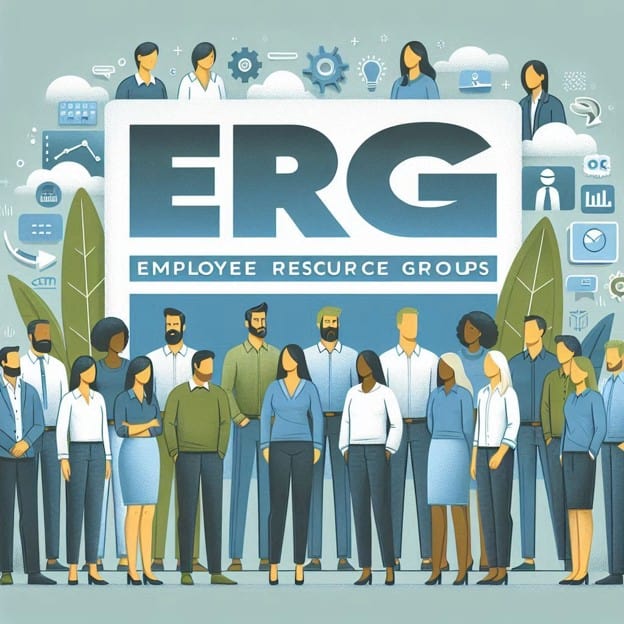
Employee Resource Groups: Driving Engagement

Employee Resource Groups (ERGs) have evolved from informal networking groups into strategic assets that drive engagement, foster inclusion, and contribute to organizational success. When properly structured and supported, ERGs create powerful communities that enhance both individual employee experience and broader organizational culture.

The Strategic Value of ERGs

Employee Resource Groups are voluntary, employee-led communities organized around shared identities, experiences, or interests. While they originated primarily as support networks for underrepresented groups, modern ERGs serve multiple strategic functions within high-value organizations.

As I explore in “Mastering a High-Value Company Culture,” organizations that strategically integrate ERGs into their cultural framework see significant benefits across multiple dimensions. According to research from Boston Consulting Group, companies with well-supported ERGs report 52% higher employee engagement scores and 48% lower turnover rates among ERG members compared to non-members.

The impact extends beyond engagement metrics. McKinsey research indicates that organizations with active ERGs show 35% higher productivity among ERG members and increased innovation through diverse perspectives. These groups also serve as valuable talent pipelines, with ERG leaders being 60% more likely to advance within their organizations according to Deloitte’s inclusion research.

ERGs as Cultural Catalysts

In “High-Value Leadership: Transforming Organizations Through Purposeful Culture,” I discuss how ERGs serve as powerful cultural catalysts when aligned with organizational purpose and values. Rather than operating as isolated entities, effective ERGs actively contribute to the broader organizational culture in several key ways:

1. Enhancing Belonging and Inclusion

ERGs create micro communities where employees find connection, understanding, and support from others with similar experiences. This sense of belonging translates into stronger organizational commitment and engagement.

A global technology company observed that employees participating in ERGs reported a 42% higher sense of belonging than non-participants. These employees were also 37% more likely to report feeling comfortable bringing their authentic selves to work.

2. Providing Leadership Development Pathways

ERGs offer unique opportunities for leadership development outside traditional career paths. Members gain experience in project management, budget oversight, event planning, and strategic initiative development.

One financial services organization formalized this approach by creating an “ERG Leadership Certification” program where ERG leaders received specialized training and mentorship from executives. Over three years, ERG leaders were promoted at twice the rate of their peers with similar tenure and performance.

3. Driving Business Innovation

ERGs bring diverse perspectives that enhance product development, marketing strategies, and customer experiences. Their insights help organizations better serve diverse markets and identify new opportunities.

A consumer products company credits their multicultural ERG by identifying a significant market gap in their product line. The resulting product development initiative generated $3.2 million in revenue during its first year while strengthening brand reputation in previously underserved communities.

4. Building Cultural Competence

ERGs facilitate cross-cultural learning and increase organizational cultural intelligence. Through educational events, resources, and dialogue, they help build more inclusive environments.

A healthcare organization implemented an “ERG Learning Series” where each ERG hosted quarterly learning events open to all employees. Organization-wide cultural competence assessment scores increased by 28% over two years following this initiative.

Case Study: Midwest Financial’s ERG Transformation

Midwest Financial, a regional financial services company with 3,500 employees, had established several ERGs, but they functioned primarily as social networks with limited strategic impact. Employee engagement scores remained stagnant, and the organization struggled to attract and retain diverse talent despite these groups’ existence.

Through a comprehensive assessment and strategic realignment, Midwest Financial transformed their ERG approach:

Phase 1: Strategic Alignment

  • Established clear vision for ERGs as strategic partners
  • Connected ERG objectives to organizational priorities
  • Developed consistent structure and governance framework
  • Created executive sponsorship model with accountability

Phase 2: Resource Allocation

  • Provided dedicated budget for each ERG
  • Allocated protected time for ERG leadership activities
  • Developed digital collaboration platforms for ERG communities
  • Created ERG leadership development curriculum

Phase 3: Integration and Impact

  • Established quarterly ERG leadership council with executive team
  • Implemented ERG-led listening sessions to gather employee insights
  • Created formal process for ERG input on business initiatives
  • Integrated ERG leadership into performance recognition

Phase 4: Measurement and Recognition

  • Developed ERG impact metrics aligned with business objectives
  • Created annual ERG excellence awards program
  • Recognized ERG contributions in company communications
  • Tracked ERG participation in promotion and development decisions

The results were transformative:

  • Employee engagement scores increased by 23% overall and 37% among ERG members
  • Voluntary turnover decreased by 28% among ERG participants
  • Internal promotion rates for ERG leaders exceeded the company average by 42%
  • Organization-wide inclusion metrics improved across all demographics
  • ERG initiatives directly contributed to three successful product innovations

This case demonstrates how strategic alignment, resource investment, and integration with broader organizational systems can transform ERGs from social groups into powerful drivers of engagement and performance.

Building Effective ERG Structures

Creating impactful Employee Resource Groups requires intentional design and ongoing support. The following elements are essential for ERG success:

1. Clear Purpose and Objectives

Effective ERGs have well-defined missions aligned with organizational values:

  • Mission statement: Clearly articulated purpose and scope
  • Annual objectives: Specific, measurable goals aligned with organizational priorities
  • Focus areas: Defined pillars such as professional development, community outreach, business impact, and cultural awareness
  • Membership criteria: Inclusive guidelines for both primary members and allies

A manufacturing company implemented an “ERG Charter Template” that required each group to define their purpose across three dimensions: member support, organizational contribution, and community impact. This clarity helped ERGs focus their efforts and communicate their value more effectively.

2. Robust Governance Structure

Sustainable ERGs require effective governance frameworks:

  • Leadership roles: Clearly defined positions with documented responsibilities
  • Term limits: Established timeframes that balance continuity with opportunity
  • Succession planning: Structured approaches for leadership transitions
  • Decision-making processes: Clear protocols for project selection and resource allocation

A pharmaceutical company created a comprehensive “ERG Playbook” documenting governance best practices, leadership role descriptions, and operational procedures. This resource helped standardize excellence across different ERGs while allowing for customization based on group needs.

3. Executive Sponsorship and Advocacy

Senior leadership support is critical for ERG effectiveness:

  • Active executive sponsors: Senior leaders who champion the ERG’s mission
  • Two-way communication channels: Regular access between ERG leaders and executives
  • Resource advocacy: Executive support for budget and resource allocation
  • Visibility opportunities: Executive-facilitated exposure for ERG initiatives

A technology company implemented a structured sponsorship program where executive sponsors received specific training and quarterly assessment of their ERG support effectiveness. This accountability approach significantly increased meaningful executive engagement with ERGs.

4. Resource Allocation

ERGs require appropriate resources to fulfill their mission:

  • Budget allocation: Dedicated funding for initiatives and events
  • Time recognition: Acknowledgment of ERG leadership contributions in workload planning
  • Administrative support: Assistance with logistics and operations
  • Technology infrastructure: Digital platforms for communication and collaboration

A retail organization implemented a progressive ERG funding model where groups received a base allocation plus additional resources tied to specific business impact initiatives. This approach encouraged innovation while ensuring all groups had sufficient foundational support.

5. Integration with Business Initiatives

High-impact ERGs connect directly to organizational priorities:

  • Business alignment: ERG objectives linked to organizational strategy
  • Feedback channels: Formal processes for ERG input on business initiatives
  • Talent insights: ERG-facilitated listening sessions informing HR practices
  • Market perspectives: ERG contributions to product and service development

A hospitality company created quarterly “Business Impact Forums” where ERGs presented insights and recommendations directly to senior leadership. This practice led to several successful service enhancements and process improvements based on ERG member perspectives.

Measuring ERG Effectiveness

To ensure ERGs deliver meaningful value, organizations should establish comprehensive measurement frameworks. Consider these metrics across four key dimensions:

1. Member Impact

  • Engagement scores of ERG members compared to non-members
  • Retention rates among ERG participants
  • Career advancement of ERG members and leaders
  • Sense of belonging and inclusion among participants

2. Organizational Impact

  • Overall engagement and inclusion metrics
  • Diversity representation in leadership pipelines
  • Knowledge sharing and cross-functional collaboration
  • Employer brand strength and recruitment effectiveness

3. Business Impact

  • Innovation contributions from ERG initiatives
  • Market insights leading to product or service enhancements
  • Customer connection and brand reputation enhancement
  • Process improvements influenced by ERG perspectives

4. Community Impact

  • Outreach initiatives and partnerships
  • Volunteer hours and community engagement
  • Social responsibility contributions
  • External recognition and reputation enhancement

A comprehensive measurement approach helps demonstrate ERG value while identifying areas for continued development. One financial services organization created an “ERG Impact Dashboard” that tracked metrics across all four dimensions, providing quarterly updates to both ERG leaders and executive sponsors.

Implementation Framework: Building or Revitalizing ERGs

To implement or enhance ERGs in your organization, consider this phased approach:

Phase 1: Assessment and Planning (1-2 months)

  • Evaluate current state of ERGs or employee community needs
  • Gather input from diverse stakeholders across the organization
  • Research best practices and benchmark against similar organizations
  • Develop strategic framework aligned with organizational values and objectives

Phase 2: Structure Development (1-2 months)

  • Create or refine ERG governance framework
  • Establish executive sponsorship model
  • Develop resource allocation approach
  • Design measurement and recognition systems

Phase 3: Launch or Relaunch (1-3 months)

  • Recruit and train ERG leadership teams
  • Develop communication strategy to engage potential members
  • Host launch events to build awareness and excitement
  • Establish initial objectives and quick-win opportunities

Phase 4: Sustainability Planning (Ongoing)

  • Implement regular review and refinement processes
  • Create leadership development and succession planning
  • Establish cross-ERG collaboration mechanisms
  • Build ongoing measurement and recognition practices

This structured approach ensures ERGs develop strong foundations while maintaining alignment with organizational needs.

Emerging Trends in ERG Evolution

As organizations continue to recognize the strategic value of ERGs, several emerging trends are shaping their future development:

1. Intersectionality Focus

Modern ERGs increasingly recognize and address the complexity of overlapping identities:

  • Cross-ERG initiatives: Collaborative projects addressing intersectional experiences
  • Inclusive programming: Events and resources acknowledging multiple dimensions of identity
  • Allyship emphasis: Focus on mutual support across different identity groups

A professional services firm implemented “Intersectionality Circles” that brought together members from different ERGs to explore overlapping experiences and develop joint initiatives addressing complex inclusion challenges.

2. Remote and Hybrid Adaptation

ERGs are evolving to serve distributed workforces effectively:

  • Digital-first engagement: Virtual programming and connection opportunities
  • Asynchronous participation options: Flexible involvement accommodating different schedules
  • Geographic inclusion: Strategies ensuring equitable participation regardless of location

A global technology company redesigned their ERG structure to include “virtual chapters” with dedicated programming for remote employees, ensuring geographic location didn’t limit participation opportunities.

3. Business Integration Expansion

Forward-thinking organizations are creating more formal connections between ERGs and business functions:

  • Product development partnerships: ERG input embedded in innovation processes
  • Marketing collaboration: ERG perspectives integrated into customer outreach
  • Operational improvement teams: ERG-led initiatives addressing workplace practices

A consumer products company formalized the process for ERG input in product development, creating designated ERG “innovation ambassadors” who participated in quarterly product pipeline reviews.

4. Leadership Pipeline Enhancement

Organizations are increasingly leveraging ERGs as leadership development vehicles:

  • Formal skill development: Structured training programs for ERG leaders
  • Executive mentorship connections: Matched relationships between ERG leaders and executives
  • Leadership rotation programs: Opportunities to lead different ERG initiatives
  • Career advancement tracking: Monitoring the progression of ERG leaders

A healthcare organization created an “ERG Leadership Academy” providing specialized training, executive mentorship, and high-visibility project opportunities for ERG leaders, significantly increasing their internal promotion rates.

Taking Action: Next Steps

To enhance the impact of Employee Resource Groups in your organization:

  1. Assess current state: Evaluate the effectiveness and alignment of existing ERGs or assess needs for new groups
  2. Develop strategic framework: Create or refine the strategic purpose, structure, and governance approach for ERGs
  3. Enhance executive engagement: Strengthen sponsorship models and leadership connections
  4. Implement measurement systems: Establish comprehensive metrics tracking ERG impact
  5. Create sustainability mechanisms: Develop processes for ongoing development and evolution

Questions for Reflection

  1. How effectively do ERGs in your organization connect to broader strategic priorities?
  2. What untapped potential exists for your ERGs to drive innovation and business impact?
  3. How well do your resource allocation and recognition systems support meaningful ERG contributions?
  4. What opportunities exist to enhance leadership development through your ERG structure?
  5. How might you better measure and communicate the multidimensional impact of your ERGs?

Ready to transform your Employee Resource Groups into strategic engagement drivers?

At Che’ Blackmon Consulting, we specialize in developing ERG frameworks that align with organizational culture while enhancing engagement, inclusion, and business impact. Our comprehensive methodology helps create sustainable ERG structures that deliver meaningful value for both participants and the broader organization.

Contact us today at admin@cheblackmon.com or 888.369.7243 to schedule a consultation and discover how strategic ERG development can unlock your organization’s potential, empower your people, and transform your culture for lasting success.

#EmployeeResourceGroups #WorkplaceInclusion #EmployeeEngagement #DiversityAndInclusion #LeadershipDevelopment #OrganizationalCulture #TalentRetention #BusinessTransformation

Creating Sustainable Work-Life Integration

In today’s hyperconnected world, the concept of work-life balance has evolved significantly. The traditional notion of maintaining rigid boundaries between professional and personal domains has given way to a more fluid approach: work-life integration. This shift recognizes that for many professionals, particularly in knowledge-based and leadership roles, complete separation is neither practical nor desirable. Instead, the focus has moved toward creating sustainable patterns that honor both professional commitments and personal wellbeing.

Beyond Balance: Understanding Work-Life Integration

The term “work-life balance” implies a zero-sum game—as if work and life exist on opposite sides of a scale, where giving to one means taking from the other. In “Mastering a High-Value Company Culture,” I explore how high-performing organizations have moved beyond this limited paradigm to embrace integration, which acknowledges that work is part of life, not separate from it.

Integration focuses on creating harmony between different aspects of our lives, allowing for flexibility and flow based on changing priorities and needs. It’s about quality of engagement rather than quantity of time. This approach is particularly relevant in an era where technology has blurred traditional boundaries and where purpose and meaning have become central to both professional and personal fulfillment.

Research from the Harvard Business Review suggests that employees who successfully integrate work and personal life report 21% higher job satisfaction and 33% higher organizational commitment than those who keep strict separation. Additionally, McKinsey research indicates that organizations supporting healthy integration see up to 25% lower turnover and significantly higher productivity.

The Business Case for Supporting Integration

Organizations that actively support sustainable work-life integration gain significant competitive advantages:

  • Enhanced talent attraction and retention: 68% of job seekers consider work-life integration policies when evaluating potential employers
  • Reduced burnout and increased productivity: Companies with strong integration support report 27% lower burnout rates and 22% higher productivity
  • Increased innovation and creativity: Well-integrated employees bring diverse perspectives and experiences to their work
  • Greater organizational resilience: Teams with sustainable practices adapt more effectively to changing conditions

As I detail in “High-Value Leadership: Transforming Organizations Through Purposeful Culture,” leaders who create environments supporting healthy integration don’t just benefit their employees—they build more sustainable, adaptable, and successful organizations.

Case Study: Global Tech’s Integration Transformation

Global Tech, a multinational technology company with 5,000 employees, was experiencing concerning trends: rising burnout rates, increasing turnover, and declining innovation. Exit interviews consistently highlighted unsustainable workloads and difficulty managing professional and personal commitments.

In partnership with their leadership team, we implemented a comprehensive transformation:

  1. Assessment Phase: Conducted a thorough analysis of current practices, workload distributions, and employee experiences across different roles and levels
  2. Integration Strategy Development: Created a tailored approach addressing specific pain points while maintaining business performance
  3. Leadership Capability Building: Trained managers to support integration while meeting business objectives
  4. System and Policy Redesign: Revised policies, technologies, and practices to enable sustainable integration
  5. Measurement and Refinement: Established metrics to track impact and make ongoing adjustments

Key initiatives included:

  • Workload Transparency Tools: Implemented systems providing visibility into team capacity and individual workloads
  • Integration Coaching: Trained managers in supporting team members’ integration needs
  • Flexibility Guidelines: Developed clear frameworks for flexible arrangements based on role requirements
  • Technology Boundaries: Created expectations around digital connectivity outside core hours
  • Wellbeing Infrastructure: Enhanced resources supporting physical, mental, and emotional health

The results after 18 months were remarkable:

  • 36% reduction in reported burnout
  • 28% decrease in voluntary turnover
  • 42% increase in innovation metrics
  • 23% improvement in customer satisfaction scores
  • 18% growth in financial performance

What made Global Tech’s approach successful was its systematic nature—addressing leadership practices, cultural norms, policies, and measurement systems simultaneously rather than implementing isolated programs.

Core Elements of Sustainable Integration

Building on Global Tech’s example and other successful organizations, the following elements form the foundation of sustainable work-life integration:

1. Workload Management

Unrealistic workloads make sustainable integration impossible. Organizations must:

  • Conduct regular workload assessments across teams and roles
  • Establish clear prioritization frameworks
  • Create transparency around capacity and resource allocation
  • Develop processes for addressing consistent overload
  • Train managers to monitor and adjust team workloads

A healthcare organization implemented quarterly workload mapping sessions where teams visualized all commitments, eliminated low-value activities, and reallocated resources based on strategic priorities. This practice reduced working hours by an average of 7 hours per week while improving patient outcomes.

2. Flexibility with Accountability

Effective integration requires meaningful flexibility constrained by clear accountability:

  • Define core hours/days for synchronous collaboration
  • Establish outcome expectations rather than activity requirements
  • Create clear guidelines for different flexibility options
  • Ensure equitable access to flexibility across roles
  • Train managers to manage by results rather than presence

A professional services firm implemented “flexibility agreements” for each role, clearly outlining business requirements, collaborative needs, and available flexibility options. These agreements provided clarity while honoring both business necessities and individual needs.

3. Technology Boundaries

Digital connectivity can either enable integration or destroy it:

  • Establish expected response times for different communication channels
  • Create norms around after-hours communication
  • Provide tools supporting asynchronous collaboration
  • Encourage technology “rest periods”
  • Model appropriate technology use at leadership levels

One manufacturing company implemented “communication protocols” specifying which channels to use for different types of information and appropriate response timeframes. These guidelines reduced after-hours messages by 73% while improving information flow during work hours.

4. Wellbeing Infrastructure

Sustainable integration requires organizational support for holistic wellbeing:

  • Provide resources addressing physical, mental, and emotional health
  • Train managers to recognize signs of stress and burnout
  • Create psychologically safe environments for discussing wellbeing
  • Design work environments supporting health and effectiveness
  • Recognize and reward sustainable practices

A technology company implemented “wellbeing champions” in each department—team members trained to promote healthy practices, connect colleagues with resources, and provide feedback to leadership about emerging wellbeing concerns.

Leading for Sustainable Integration

As with all cultural elements, leadership behavior drives sustainable integration. In “High-Value Leadership,” I outline five leadership practices essential for creating environments where integration thrives:

1. Model Sustainable Patterns

Leaders must demonstrate—not just advocate for—healthy integration:

  • Share your own integration practices
  • Take visible breaks and vacation time
  • Discuss boundaries and self-care openly
  • Acknowledge when you’re struggling with integration
  • Accept that different seasons require different patterns

The CEO of a financial services firm began each leadership team meeting by sharing one integration practice she was currently focusing on and how it was impacting her effectiveness. This simple habit sparked organization-wide conversations about sustainable performance.

2. Individualize Your Approach

Integration needs vary based on role, career stage, family circumstances, and personal preferences:

  • Have one-on-one conversations about individual needs
  • Avoid one-size-fits-all policies
  • Create frameworks allowing personalization within parameters
  • Recognize that needs evolve over time
  • Support team members through major life transitions

A manufacturing firm implemented “life-stage conversations” as part of their performance management process, proactively discussing how changing personal circumstances might impact work arrangements and support needs.

3. Focus on Outcomes Over Activities

Sustainable integration requires clarity about what matters most:

  • Define clear, measurable results
  • Eliminate low-value work
  • Reduce unnecessary meetings and communications
  • Create autonomy around how work gets done
  • Recognize efficiency as well as output

A marketing agency moved to “outcome-based planning” where teams defined key deliverables and impact metrics, then had significant freedom in how they accomplished those results—including when and where work happened.

4. Build Recovery Into the Rhythm

Sustainable performance requires intentional recovery:

  • Create “breathing room” between intense periods
  • Schedule adequate transitions between activities
  • Build breaks into the daily, weekly, and annual cycle
  • Recognize signs of depleted energy
  • Support sabbaticals and extended renewal periods

A technology company implemented “recovery weeks” following major product launches, where teams focused on reflection, relationship building, and rejuvenation before beginning the next development cycle.

5. Develop a Culture of Care

Sustainable integration flourishes in environments of mutual support:

  • Train teams in supporting each other’s wellbeing
  • Create psychological safety for discussing challenges
  • Develop team integration agreements
  • Celebrate examples of healthy integration
  • Address behaviors undermining sustainable performance

A consulting firm implemented “team care plans” where project teams proactively discussed how they would support each other’s wellbeing and integration needs throughout a client engagement.

Implementation Guide: Creating Your Integration Strategy

To develop a comprehensive approach to sustainable integration:

Phase 1: Assessment (1-2 months)

  • Analyze current integration patterns across the organization
  • Identify pain points and improvement opportunities
  • Evaluate leadership modeling and cultural norms
  • Review policies and practices impacting integration
  • Gather employee input through surveys and focus groups

Phase 2: Strategy Development (1 month)

  • Create integration vision and principles
  • Define target behaviors at all organizational levels
  • Design specific initiatives addressing key challenges
  • Develop implementation roadmap with clear milestones
  • Establish metrics for measuring impact

Phase 3: Implementation (3-12 months)

  • Build leadership capability through training and coaching
  • Revise relevant policies and practices
  • Deploy targeted initiatives in prioritized sequence
  • Communicate consistently about progress and expectations
  • Provide tools and resources supporting integration

Phase 4: Refinement (Ongoing)

  • Gather regular feedback on effectiveness
  • Monitor key metrics for improvement
  • Adjust approaches based on emerging needs
  • Share success stories and learning
  • Continue evolving integration approaches

Measuring Integration Effectiveness

How do you know if your integration efforts are working? Consider these metrics:

  • Wellbeing indicators: Stress levels, burnout rates, health metrics
  • Engagement measures: Satisfaction, commitment, discretionary effort
  • Performance metrics: Productivity, quality, innovation
  • Talent outcomes: Attraction rates, retention, internal mobility
  • Business results: Customer satisfaction, financial performance, market share

Importantly, measurement should occur at multiple levels—individual, team, and organization—to provide a comprehensive view of integration effectiveness.

Taking Action: Next Steps

To enhance work-life integration in your organization:

  1. Conduct an integration audit: Assess current practices, pain points, and opportunities
  2. Develop leadership capability: Equip leaders at all levels to model and support sustainable integration
  3. Address systemic barriers: Identify and modify policies, technologies, and norms undermining integration
  4. Create supporting infrastructure: Implement tools and resources enabling sustainable practices
  5. Establish measurement systems: Track key indicators to monitor progress and guide refinement

Remember that sustainable integration isn’t created through a single initiative but through consistent attention to the systems, norms, and practices that shape daily work life.

Questions for Reflection

  1. How effectively do current practices in your organization support sustainable work-life integration?
  2. What signals do leaders in your organization send about integration expectations through their behavior?
  3. What systemic barriers make integration particularly challenging in your context?
  4. How might improved integration impact key business outcomes like retention, innovation, and customer experience?
  5. What one change could most significantly enhance work-life integration for your team or organization?

Ready to create more sustainable work-life integration in your organization?

At Che’ Blackmon Consulting, we specialize in developing customized approaches to work-life integration that align with your organizational culture and business objectives. Our comprehensive methodology helps create environments where both people and organizations can thrive sustainably.

Contact us today at admin@cheblackmon.com or 888.369.7243 to schedule a consultation and discover how strategic integration practices can unlock your organization’s potential, empower your people, and transform your culture for lasting success.

#WorkLifeIntegration #WorkplaceWellbeing #LeadershipDevelopment #EmployeeExperience #TalentRetention #OrganizationalPerformance #SustainableWork #WorkplaceWellness

Culture Recovery: Rebuilding After Setbacks

Every organization faces challenges that can shake its cultural foundation—whether it’s a market downturn, leadership transition, ethical lapse, failed initiative, or global disruption. These moments don’t just test an organization’s operational resilience; they reveal the true strength of its culture. The difference between organizations that crumble under pressure and those that emerge stronger lies in their approach to cultural recovery.

Understanding Cultural Damage

Before rebuilding, we must recognize the signs of cultural deterioration. As I explore in “Mastering a High-Value Company Culture,” cultural damage often manifests through predictable indicators:

  • Declining trust between leadership and employees
  • Increased employee turnover and disengagement
  • Reduced collaboration and information sharing
  • Diminished psychological safety
  • Risk aversion and decision paralysis
  • Nostalgia for “how things used to be”

According to research from Deloitte, organizations that experience significant setbacks without cultural recovery strategies see engagement drop by an average of 32% and innovation decline by up to 45%. These statistics underscore the urgent need for intentional culture recovery approaches following organizational trauma.

The Culture Recovery Framework

In “High-Value Leadership: Transforming Organizations Through Purposeful Culture,” I outline a comprehensive framework for rebuilding after setbacks. This approach includes five essential phases:

1. Honest Assessment

Recovery begins with truth. Leaders must create space for candid examination of what happened, how it affected the culture, and what contributed to the vulnerability:

  • Cultural Impact Analysis: Measure engagement, trust, and collaboration post-setback
  • Root Cause Examination: Identify systemic issues that created vulnerability
  • Stakeholder Listening Sessions: Gather perspectives from across the organization
  • Values Alignment Check: Assess whether actions aligned with stated values

One healthcare organization facing public backlash after a patient safety incident implemented “truth forums” where leaders acknowledged mistakes, employees shared concerns, and patients contributed perspectives. This transparent approach, while initially uncomfortable, created the foundation for authentic recovery.

2. Values Recommitment

Setbacks often reveal gaps between espoused values and actual behaviors. Recovery requires renewed clarity and commitment to core principles:

  • Values Clarification: Revisit and potentially refresh organizational values
  • Behavioral Definition: Clearly define what values look like in practice
  • Leadership Modeling: Demonstrate values consistently, especially under pressure
  • Decision Alignment: Use values explicitly in decision-making processes

A financial services firm recovering from ethical lapses developed a “values decision matrix” that required leaders to explicitly evaluate major decisions against each core value before proceeding. This practice not only improved decisions but visibly demonstrated renewed commitment to ethical standards.

3. Trust Restoration

Trust—once broken—requires deliberate rebuilding through consistent actions over time:

  • Transparency Practices: Share information openly, including both successes and challenges
  • Promise Keeping: Make commitments carefully and honor them consistently
  • Vulnerability Modeling: Leaders acknowledge mistakes and demonstrate learning
  • Accountability Systems: Establish clear consequences for values violations

The CEO of a technology company facing a major product failure implemented weekly “progress and problems” communications, transparently sharing both recovery successes and ongoing challenges. This practice, maintained consistently for months, gradually rebuilt credibility with both employees and customers.

4. Connection Rebuilding

Cultural damage often fractures relationships. Recovery requires intentional reconnection:

  • Collaborative Projects: Create opportunities for cross-functional cooperation
  • Team Rebuilding: Facilitate structured team restoration activities
  • Celebration Rituals: Recognize progress and success milestones
  • Community Service: Unite around purpose beyond daily work

A manufacturing organization recovering from a divisive labor dispute implemented “bridge teams” composed of individuals from management and labor to address workplace improvements. These collaborative projects not only enhanced operations but helped heal relationships damaged during the conflict.

5. Learning Integration

The final phase transforms setbacks into sources of organizational wisdom:

  • Failure Analysis: Extract and document lessons learned
  • Process Improvements: Implement changes based on insights gained
  • Knowledge Sharing: Develop methods to retain organizational memory
  • Progress Measurement: Track cultural recovery metrics over time

A retail organization that experienced massive disruption during the pandemic created a “resilience playbook” documenting lessons learned, and new approaches developed during crisis. This resource has become a cornerstone of their leadership development and strategic planning, ensuring insights weren’t lost as conditions normalized.

Case Study: Rebuilding Midwest Manufacturing

Midwest Manufacturing, a 75-year-old company with 1,200 employees, faced multiple simultaneous challenges: leadership transition, market disruption, and a failed ERP implementation that cost millions. Employee trust plummeted, turnover reached unprecedented levels, and a culture once known for innovation became risk-averse and blame-oriented.

Using the Culture Recovery Framework, Midwest Manufacturing implemented a comprehensive approach:

Phase 1: Assessment (Months 1-2)

  • Conducted employee engagement survey revealing 62% drop in trust
  • Implemented listening sessions across all departments and shifts
  • Analyzed decision patterns that led to the failed implementation
  • Evaluated leadership behaviors against stated values

Phase 2: Values Recommitment (Months 2-3)

  • Refreshed values with broad employee input
  • Developed “Values in Action” guides for different roles
  • Created visible leadership commitments to behavioral changes
  • Implemented values-based decision protocols

Phase 3: Trust Restoration (Months 3-9)

  • Instituted monthly town halls with unfiltered Q&A
  • Established “commitment trackers” visible to all employees
  • Implemented new accountability frameworks for all leadership levels
  • Created psychological safety training for all managers

Phase 4: Connection Rebuilding (Months 6-12)

  • Launched cross-functional innovation teams
  • Implemented “connection coffees” pairing employees across departments
  • Created quarterly celebration events highlighting progress
  • Established community impact projects aligning with company purpose

Phase 5: Learning Integration (Months 9-18)

  • Developed comprehensive case study of the implementation failure
  • Created new project governance frameworks incorporating lessons learned
  • Implemented knowledge-sharing platforms across departments
  • Established quarterly culture pulse checks to monitor recovery

The results proved transformative. Within 18 months:

  • Employee engagement increased by 47%
  • Voluntary turnover decreased by 38%
  • Cross-functional collaboration increased by 56%
  • Innovation metrics returned to pre-crisis levels
  • A new ERP implementation was successfully completed

Most importantly, employees reported a stronger, more resilient culture than existed prior to the setbacks. As one long-tenured employee noted, “We’re not just back to where we were—we’re better than we’ve ever been.”

Critical Success Factors for Culture Recovery

Through numerous recovery engagements, I’ve identified several factors that differentiate successful culture recovery efforts:

1. Leadership Ownership

Recovery demands leaders who:

  • Take accountability without defensiveness
  • Demonstrate vulnerability while maintaining confidence
  • Model the behaviors they seek in others
  • Invest significant personal time in recovery efforts

The CEO of a professional services firm experiencing high turnover and cultural deterioration personally conducted over 100 employee conversations in 90 days, demonstrating genuine commitment to understanding concerns and rebuilding trust.

2. Balanced Focus

Effective recovery balances:

  • Acknowledgment of problems without dwelling on negatives
  • Focus on the future while learning from the past
  • Attention to both systems and behaviors
  • Recognition of progress while maintaining urgency

A healthcare organization recovering from a toxic leadership period created “recovery scorecards” tracking both lagging indicators (engagement, turnover) and leading indicators (psychological safety, collaboration) to maintain balanced focus during their rebuilding journey.

3. Systemic Approach

Lasting recovery requires attention to multiple dimensions:

  • Individual mindsets and behaviors
  • Team dynamics and processes
  • Organizational systems and structures
  • External relationships and reputation

A technology company implementing recovery after a series of ethical lapses created a comprehensive “culture system map” identifying how each organizational element either supported or undermined their desired culture, then prioritized interventions across all dimensions.

4. Employee Involvement

Recovery accelerates when employees:

  • Contribute to assessment and diagnosis
  • Help design recovery initiatives
  • Lead implementation efforts
  • Provide ongoing feedback on progress

A retail organization recovering from a failed expansion involved frontline employees in redesigning core processes, not only improving operations but rebuilding ownership and commitment among those most affected by the previous failure.

5. Patience and Persistence

Cultural recovery is not a quick fix:

  • Short-term wins build momentum for long-term change
  • Consistency matters more than intensity
  • Progress is rarely linear
  • Recovery time frames should match the depth of damage

A manufacturing organization recovering from severe labor conflicts implemented a three-year recovery roadmap with quarterly milestones, recognizing that rebuilding trust after decades of adversarial relationships would require sustained effort across multiple dimensions.

Implementing Recovery in Your Organization

To translate these insights into action, consider this practical implementation framework:

Phase 1: Prepare (1-2 weeks)

  • Assemble a culture recovery team with cross-organizational representation
  • Gather initial data on cultural impact through surveys and interviews
  • Develop communication strategy for the recovery process
  • Create psychological safety for honest assessment

Phase 2: Assess (2-4 weeks)

  • Conduct comprehensive culture assessment using both quantitative and qualitative methods
  • Identify specific cultural elements most damaged by setbacks
  • Determine root causes of vulnerability
  • Establish baseline measurements for tracking recovery

Phase 3: Plan (2-4 weeks)

  • Develop comprehensive recovery strategy with clear objectives
  • Create detailed implementation roadmap with assigned responsibilities
  • Establish metrics and milestones for measuring progress
  • Prepare leadership for their role in recovery

Phase 4: Implement (6-18 months)

  • Execute high-priority initiatives addressing critical vulnerabilities
  • Maintain consistent communication about progress and challenges
  • Regularly gather feedback on recovery effectiveness
  • Adjust approaches based on emerging insights

Phase 5: Sustain (Ongoing)

  • Integrate recovery learnings into organizational systems
  • Build ongoing cultural maintenance practices
  • Continue measuring cultural vitality indicators
  • Share recovery story internally and externally as appropriate

The Future of Cultural Resilience

As we look ahead, organizations must move beyond reactive recovery to proactive resilience. In “High-Value Leadership,” I explore how leaders can build cultures that withstand inevitable challenges:

  • Cultural Stress Testing: Regularly evaluate how your culture would respond to potential disruptions
  • Resilience Training: Develop capabilities that enable rapid adaptation to changing conditions
  • Recovery Readiness: Create playbooks for cultural response to various scenarios
  • Distributed Leadership: Build cultural stewardship capabilities throughout the organization

Organizations with these practices in place recover from setbacks faster and often emerge stronger than before disruption occurred.

Taking Action: Next Steps

To enhance your organization’s cultural recovery capabilities:

  1. Assess Current Reality: How has your culture been affected by recent challenges? What indicators suggest cultural strain?
  2. Evaluate Recovery Readiness: What mechanisms do you have in place for cultural recovery? Where are gaps in your approach?
  3. Develop Recovery Strategy: Based on your assessment, create a tailored approach using the Culture Recovery Framework.
  4. Build Leadership Capability: Ensure leaders at all levels understand their role in cultural recovery and have necessary skills.
  5. Implement Systematically: Execute recovery initiatives with clear accountability, measurement, and adjustment mechanisms.

Questions for Reflection

  1. How well does your organization acknowledge and address cultural impact during challenging times?
  2. What mechanisms do you have for gathering honest feedback about cultural health following setbacks?
  3. How effectively do your leaders model cultural values, especially during difficult periods?
  4. What practices help rebuild trust when it has been damaged in your organization?
  5. How might you transform past setbacks into sources of cultural strength and resilience?

Ready to accelerate your organization’s cultural recovery?

At Che’ Blackmon Consulting, we specialize in helping organizations rebuild stronger, more resilient cultures following setbacks. Our comprehensive approach identifies specific cultural vulnerabilities, develops tailored recovery strategies, and builds sustainable cultural resilience.

Contact us today at admin@cheblackmon.com or 888.369.7243 to schedule a consultation and discover how strategic culture recovery can unlock your organization’s potential, empower your people, and transform challenges into opportunities for meaningful growth.

#OrganizationalResilience #CultureRecovery #ChangeManagement #LeadershipDevelopment #CrisisRecovery #OrganizationalCulture #WorkplaceCulture #BusinessTransformation