The Role of Emotional Intelligence in Effective Conflict Resolution

By Che’ Blackmon, Principal Consultant at Che’ Blackmon Consulting

In the landscape of modern organizations, conflict is inevitable. Teams composed of diverse individuals with varying perspectives, priorities, and communication styles will naturally experience friction. The defining factor in organizational success isn’t the absence of conflict—it’s how effectively conflicts are navigated and resolved. At the heart of this capability lies emotional intelligence: the ability to recognize, understand, and manage our own emotions while skillfully perceiving and influencing the emotions of others.

As I explore in my book, “Mastering a High-Value Company Culture,” organizations that develop emotional intelligence as a core competency transform conflict from a destructive force into a catalyst for innovation, stronger relationships, and better decisions. The question isn’t whether your organization will face conflict, but whether your people have the emotional intelligence to harness conflict’s potential for growth.

The Neuroscience of Conflict and Emotional Response

Understanding why conflict resolution requires emotional intelligence begins with recognizing how our brains process conflict. When we perceive a threat—whether physical or social—our limbic system activates, triggering our “fight, flight, or freeze” response. Blood flow decreases to our prefrontal cortex, the region responsible for rational thinking, problem-solving, and impulse control. In essence, the very mental resources we need most during conflict become less accessible precisely when conflict arises.

This neurological reality creates a fundamental challenge: effective conflict resolution requires our highest cognitive functions, yet conflict naturally impairs these capabilities. Emotional intelligence serves as the bridge across this gap.

Expert Insight: Neuroscientist Dr. Lisa Feldman Barrett explains: “When people enter a conflict state, their brain essentially goes into prediction mode, rapidly generating interpretations based primarily on past experiences rather than present data. Emotional intelligence allows us to recognize this pattern and deliberately interrupt it, creating space for more accurate perceptions.”

The Four Dimensions of Emotional Intelligence in Conflict

Emotional intelligence in conflict settings manifests across four key dimensions, each with distinct applications to resolution processes.

1. Self-Awareness: The Foundation of Constructive Conflict

Self-awareness—the ability to recognize our own emotional states and understand their impact on our thinking and behavior—serves as the essential starting point for effective conflict management.

Case Study: Leadership at Global Marketing Partners noticed a pattern of escalated conflicts during quarterly planning meetings. Through facilitated reflection sessions, they discovered that tight deadlines and resource allocation discussions were triggering anxiety in department heads, who then adopted defensive communication styles. By implementing a “personal state check-in” at the beginning of these meetings, where leaders briefly acknowledged their current emotional state, they created awareness that helped participants recognize when emotions were driving their responses. This simple practice reduced meeting escalations by 43% and shortened resolution times by nearly 30%.

Practical Technique: Develop a personal “emotion vocabulary” that moves beyond basic terms like “angry” or “frustrated” to more precise descriptions like “disregarded,” “undervalued,” or “concerned about future implications.” This expanded vocabulary enables more accurate self-assessment during conflict situations.

2. Self-Management: Regulating Responses Under Pressure

Self-management builds self-awareness by adding the capacity to regulate our emotional expressions and choose our responses rather than reacting automatically.

Practical Technique: When conflict escalates, implement the “pause practice”—taking a deliberate 5-10 second break before responding. During this pause, take a deep breath and ask yourself: “What is my goal in this conversation? Will my next comment move us toward or away from that goal?” This brief intervention creates space between stimulus and response, allowing for more deliberate communication choices.

Research Insight: A 2022 study published in the Journal of Applied Psychology found that individuals who practiced the “pause technique” during simulated conflict scenarios were 62% more likely to reach mutually beneficial resolutions and reported 47% higher satisfaction with both the process and outcomes of their negotiations.

3. Social Awareness: Reading the Emotional Landscape

Social awareness, the ability to accurately perceive and interpret others’ emotional states—allows conflict managers to address underlying concerns rather than just surface positions.

Case Study: Tech Solutions Inc. faced recurring conflicts between their development and quality assurance teams, with developers perceiving QA feedback as criticism and QA specialists feeling their concerns were dismissed. HR implemented empathy-building exchanges where team members shadowed each other for half-day periods specifically focused on understanding the emotional experience of each role. After three months, cross-team conflicts decreased by 38%, and collaborative problem-solving increased by 41%.

Practical Technique: Practice “emotional scanning” during conflict conversations by periodically assessing both verbal and non-verbal cues from all participants. Look for micro-expressions, changes in posture, shifts in tone, or patterns of word choice that might reveal emotional states different from what’s being explicitly stated.

4. Relationship Management: Navigating Connections Through Conflict

Relationship management integrates the other three dimensions to influence emotions, behaviors, and outcomes within interpersonal dynamics.

Practical Technique: Implement the “validation before problem-solving” approach, where parties in conflict must demonstrate understanding of each other’s perspective before moving to resolution options. This doesn’t require agreement, merely confirmation that each person’s viewpoint has been heard and respected.

Case Study: Financial Services Group implemented a conflict resolution protocol requiring managers to employ the validation-first approach. Their internal metrics showed that conflicts resolved with this method were 73% less likely to resurface in the following quarter compared to conflicts addressed with traditional problem-focused approaches.
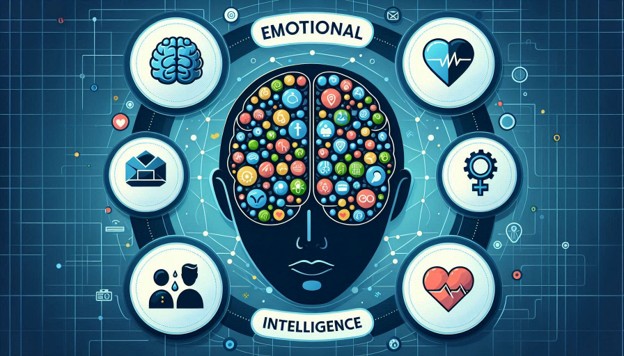
Emotional Intelligence as a Cultural Framework

As I emphasize in “Mastering a High-Value Company Culture,” isolated skills have limited impact without supportive cultural structures. Creating a culture where emotional intelligence thrives requires attention to several key elements:

Leadership Modeling

When leaders demonstrate emotional intelligence during conflicts—acknowledging their own emotions, responding thoughtfully rather than reactively, and showing genuine curiosity about others’ perspectives—they establish powerful behavioral norms.

Practical Implementation: Create opportunities for leaders to publicly narrate their emotional intelligence process during or after conflicts: “I realized I was feeling defensive when that question came up, so I took a moment to consider why and to refocus on our shared goals before responding.”

Psychological Safety

Emotional intelligence requires vulnerability, which only emerges in environments where people feel safe to express concerns, admit mistakes, and disagree without fear of punishment or humiliation.

Case Study: Manufacturing Innovation Corp transformed their conflict dynamics by implementing “learning-focused debriefs” after every project. These structured discussions explicitly separated performance improvement from personal criticism and required all participants, including senior leaders, to identify their own contribution to any problems that arose. Within six months, employee surveys showed a 47% increase in willingness to voice concerns early—before they escalated to significant conflicts.

Recognition Systems

What gets rewarded gets repeated. Organizations that truly value emotional intelligence recognize and reward conflict management skills as explicitly as they do technical expertise or sales results.

Practical Implementation: Incorporate specific emotional intelligence competencies into performance reviews, with particular emphasis on how individuals navigate disagreement and conflict. Create recognition programs that highlight examples of conflicts that were transformed into opportunities through skilled emotional management.

Current Trends in Emotional Intelligence and Conflict Resolution

Virtual Conflict Resolution

With remote and hybrid work environments now standard, organizations face new challenges in applying emotional intelligence to digital conflicts.

Best Practice: Develop specific protocols for virtual conflict management that account for the reduced emotional bandwidth of digital communication:

  • Establish video-on expectations for difficult conversations
  • Create stronger facilitation structures than would be needed in person
  • Incorporate deliberate check-ins about how people are experiencing interaction
  • Use parallel text channels (like chat) to allow for additional expression

Research Insight: Stanford Virtual Interaction Lab research indicates that successful virtual conflict resolution typically takes 1.8 times longer than equivalent in-person resolution, primarily because building emotional understanding requires more explicit attention in digital contexts.

Generational Approaches to Conflict

As workplaces now commonly include four or even five generations, organizations must navigate differing norms and expectations around conflict expression and resolution.

Practical Approach: Rather than assuming generational stereotypes, create opportunities for explicit discussion of conflict preferences: How directly should disagreement be expressed? What role should hierarchy play in resolution? How quickly should conflicts be addressed? These conversations build emotional intelligence by expanding awareness of different valid approaches.

AI-Enhanced Emotional Intelligence

Emerging technologies are creating new possibilities for developing and applying emotional intelligence in conflict settings.

Current Applications: Leading organizations are exploring tools like:

  • Emotion recognition software that provides real-time feedback during high-stakes conversations
  • Virtual reality conflict simulations that allow practice with emotional regulation
  • AI coaching platforms that offer private guidance during actual conflict situations

While these technologies offer exciting possibilities, they function best as supplements to, not replacements for, human emotional capabilities.

Building Emotional Intelligence for Different Conflict Types

Different conflict scenarios require varied applications of emotional intelligence. Here’s how to adapt your approach:

Task Conflicts

Task conflicts involve disagreements about how work should be done. While potentially productive, they can trigger identity-based emotional responses when people feel their competence is being questioned.

Key EI Focus: Self-awareness about competence triggers and social awareness of how suggestions might be perceived as criticism.

Practical Approach: Frame task disagreements explicitly as opportunities to leverage diverse thinking rather than competitions to determine whose approach is “best.” Use language like, “I’m exploring a different approach because I think our combined perspectives will lead to a stronger solution than either of us would develop alone.”

Relationship Conflicts

Relationship conflicts center on interpersonal friction, often stemming from differences in communication styles, values, or working preferences.

Key EI Focus: Self-management to avoid escalation and relationship management to rebuild connections.

Practical Approach: Address relationship conflicts directly but privately, using “observation-impact-request” framing: “I’ve noticed [specific behavior] has been happening. The impact on me is [effect]. I’d like to request [specific change] going forward.” This structure keeps the conversation focused on behaviors and solutions rather than character judgments.

Process Conflicts

Process conflicts involve disagreements about how decisions should be made and who should be involved in making them.

Key EI Focus: Social awareness to recognize when people feel excluded from decisions that affect them.

Practical Approach: Create explicit decision rights frameworks that clarify who need to be involved in different types of decisions and what level of involvement they should have (informed, consulted, or decision-maker). Revisit these frameworks whenever process conflicts emerge.

Actionable Takeaways for Leaders and Teams

  1. Conduct an emotional intelligence assessment for key team members, using the results to create targeted development plans for conflict management capabilities.
  2. Implement “emotion check-ins” at the beginning of meetings with potential conflict, normalizing awareness and discussion of emotional states before tackling difficult topics.
  3. Create conflict resolution protocols that explicitly incorporate emotional intelligence practices, such as reflection periods before response and validation before problem-solving.
  4. Develop a “conflict vocabulary” that helps organization members describe disagreements in constructive, non-judgmental terms (e.g., shifting from “you’re being stubborn” to “we seem to have different priorities in this situation”).
  5. Establish regular reflection practices that encourage learning from conflict experiences, focusing particularly on emotional patterns that either facilitated or hindered effective resolution.

Building for the Future: Discussion Questions

As you reflect on emotional intelligence in your organization’s approach to conflict, consider these questions:

  1. How do our current conflict resolution practices either support or undermine the development of emotional intelligence?
  2. What patterns do we observe in conflicts that escalate versus those that reach productive resolution? What emotional intelligence factors might explain these differences?
  3. How effectively do our leaders model emotional intelligence during conflicts, particularly those that involve challenging their own perspectives or decisions?
  4. What structures could we implement to create more space for emotional awareness and regulation during high-stakes discussions?
  5. How might we better recognize and reward instances where emotional intelligence transforms potential conflicts into opportunities for connection and innovation?

Partner with Che’ Blackmon Consulting

Developing emotional intelligence capabilities that transform conflict from a liability into an asset requires expertise, strategic thinking, and practical implementation knowledge. At Che’ Blackmon Consulting, we specialize in helping organizations build both the individual skills and cultural frameworks needed for emotionally intelligent conflict resolution.

Our services include:

  • Comprehensive emotional intelligence assessments for individuals and teams
  • Customized conflict resolution training incorporating emotional intelligence principles
  • Development of conflict protocols aligned with your specific cultural values
  • Leadership coaching for modeling emotional intelligence during high-stakes situations
  • Cultural transformation programs that make emotional intelligence a competitive advantage

To learn more about how we can help your organization master emotionally intelligent conflict resolution while strengthening your cultural foundation, contact us at admin@cheblackmon.com . Let’s work together to create an environment where conflict becomes a catalyst for growth rather than a source of division.

#EmotionalIntelligence #ConflictResolution #WorkplaceRelationships #LeadershipDevelopment #TeamDynamics #ProfessionalDevelopment #OrganizationalCulture #ChangeManagement #WorkplaceCommunication #EmotionalAwareness


Che’ Blackmon is the author of “Mastering a High-Value Company Culture” and Principal Consultant at Che’ Blackmon Consulting, specializing in helping organizations transform workplace challenges into cultural advantages.
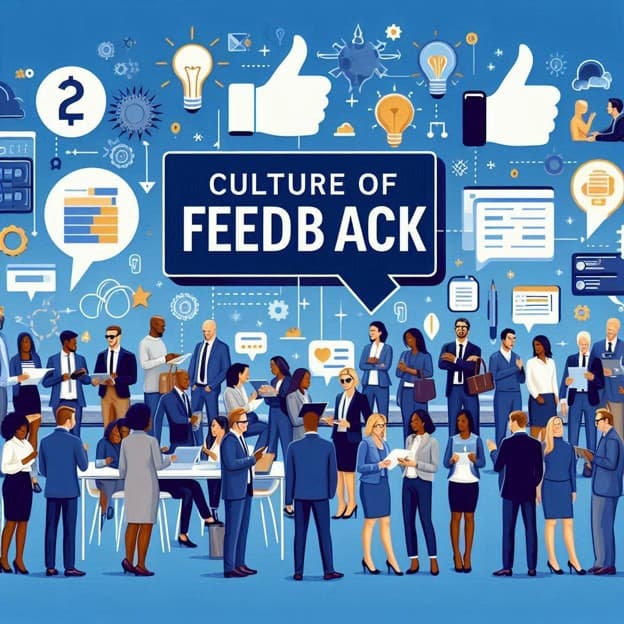

Building a Culture of Feedback: Improving Communication Across All Levels

By Che’ Blackmon, Principal Consultant at Che’ Blackmon Consulting

In today’s rapidly evolving workplace, the ability to exchange honest, constructive feedback has become more than just a nice-to-have skill—it’s a fundamental driver of organizational success. Companies that foster robust feedback cultures consistently outperform their counterparts in innovation, employee engagement, and adaptability. Yet despite widespread recognition of feedback’s importance, many organizations struggle to create environments where meaningful feedback flows freely across all levels.

As I discuss in my book, “Mastering a High-Value Company Culture,” feedback is the lifeblood of continuous improvement. Without it, organizations develop blind spots, employees plateau in their development, and leaders become disconnected from operational realities. The question isn’t whether feedback matters, but rather how to cultivate a culture where feedback is exchanged naturally, received openly, and utilized effectively.

The True Cost of Feedback Deficiency

When feedback doesn’t flow freely throughout an organization, the consequences extend far beyond occasional miscommunication. Research from Gallup indicates that employees who receive little feedback are 2.5 times more likely to be actively disengaged. This disengagement translates to tangible business costs: higher turnover, lower productivity, and diminished innovation.

Case Study: TechForward, a mid-sized software company, discovered that their product development cycles were consistently running 30% longer than industry benchmarks. After conducting a cultural assessment, they identified a critical gap: developers were reluctant to provide early feedback on feature specifications due to fear of challenging senior managers. This “feedback hesitancy” resulted in costly redesigns later in the development process. By implementing structured feedback protocols, they reduced development cycles by 22% within six months.

The lesson is clear. Without intentional effort to build feedback channels, organizations pay a silent tax on every initiative and interaction.

Foundational Elements of a Strong Feedback Culture

Building a culture where feedback flourishes requires deliberate attention to several key dimensions. Let’s explore each with practical implementation strategies.

1. Psychological Safety: The Essential Foundation

Before feedback can flow, people must feel safe to speak up without fear of negative consequences. Harvard Business School professor Amy Edmondson’s research demonstrates that psychological safety is the single strongest predictor of team performance.

Practical Implementation: Begin team meetings with a “permission statement” that explicitly invites dissenting views: “As we review this proposal, I want to emphasize that identifying potential problems now will save us significant time later. I’m especially interested in perspectives that differ from what’s been presented.”

Expert Insight: Dr. Timothy Clark, author of “The 4 Stages of Psychological Safety,” notes: “Leaders create psychological safety not by being nice, but by being clear that candor is expected and by responding productively when people take the risk to provide it.”

2. Feedback Literacy: Building Organizational Capability

Many feedback initiatives fail because organizations mistake the desire for feedback with the skill to exchange it effectively. Feedback literacy—the ability to give, receive, and act on feedback appropriately—must be deliberately developed.

Case Study: Global Financial Partners implemented a company-wide “Feedback Fluency” program that trained employees at all levels in specific feedback techniques. Rather than generic communication training, they focused on practical frameworks like the SBI model (Situation-Behavior-Impact), outcome-based feedback, and question-driven feedback. Within a year, their internal metrics showed a 34% increase in employees’ confidence in giving upward feedback and a 27% improvement in manager responsiveness to team input.

Practical Implementation: Create a feedback lexicon—a shared vocabulary and set of models that everyone in the organization learns to use. This creates common ground for feedback exchanges and reduces the cognitive load of formulating helpful feedback.

3. Multi-Directional Channels: Creating Structural Support

Even with psychological safety and feedback skills, feedback won’t flow without appropriate channels. Many organizations have robust downward feedback systems (performance reviews, corrective conversations) but underdeveloped upward and lateral feedback mechanisms.

Practical Implementation: Implement a structured “feedback triad” approach where every significant project or initiative includes three formal feedback points:

  • Upward feedback (team to leadership)
  • Downward feedback (leadership to team)
  • Process feedback (collective reflection on how the work was done)

Case Study: Manufacturing Excellence Corp transformed their production line performance by implementing “micro-feedback loops” throughout their operation. Instead of waiting for monthly reviews, they created daily 10-minute feedback exchanges between shifts. Outgoing teams provided specific observations to incoming teams, creating continuous improvement momentum. This approach reduced defect rates by 23% and improved cross-shift collaboration scores on their employee survey.

Overcoming Common Barriers to Effective Feedback

Even with the right foundations, organizations typically encounter predictable obstacles when building feedback cultures. Here’s how to address the most common barriers:

Barrier 1: Fear of Retaliation or Damaged Relationships

Many employees withhold valuable feedback because they worry about negative consequences, particularly when the feedback would flow upward to those with more organizational power.

Solution Strategy: Implement “feedback guarantees” that specify exactly how feedback will be used and what protections exist for those who provide it. These guarantees should be concrete, not just aspirational statements about valuing input.

Practical Example: Legal Services Network created a “Feedback Charter” that explicitly stated: “Career advancement decisions will never be influenced by an employee’s choice to provide constructive feedback to leadership.” They backed this with a specific review process where their HR committee examined promotion decisions for any correlation with upward feedback patterns.

Barrier 2: Cultural Conditioning Around Hierarchy

In many organizations, implicit cultural norms discourage questioning those at higher levels, even when explicit messages promote openness.

Solution Strategy: Create structural opportunities for role-reversal feedback where traditional power dynamics are temporarily suspended.

Practical Example: Executive leadership at Regional Healthcare adopted a quarterly “Reverse Town Hall” format where frontline staff prepared questions and discussion topics that executives were required to address without preparation. This simple role reversal dramatically increased psychological safety for upward communication throughout the organization.

Barrier 3: Feedback Without Action

Perhaps the fastest way to kill a feedback culture is to solicit input that never leads to visible change. When employees see feedback disappearing into a black hole, they quickly learn that the organization doesn’t truly value their perspectives.

Solution Strategy: Implement a “Feedback Loop Completion” protocol that ensures all feedback receives appropriate response.

Practical Example: Tech Innovation Partners created a transparent feedback tracking system where all significant feedback was logged, assigned for response, and updated with actions taken. Even when feedback couldn’t be implemented, the system recorded the rationale for the decision and communicated it back to the original source. This closed-loop approach increased feedback submission rates by 41% over six months.

Current Trends Shaping Feedback Culture Development

Digital Feedback Platforms

The rise of specialized feedback tools is transforming how organizations gather, analyze, and respond to input. Modern platforms offer anonymous options, sentiment analysis, and integration with performance management systems.

Best Practice: Avoid technology-first approaches to feedback culture. Digital tools should amplify, not replace, human connection around feedback. The most successful implementations use technology to reduce friction in the feedback process while maintaining interpersonal accountability for acting on the insights generated.

Continuous Feedback Models

Annual or semi-annual feedback cycles are giving way to more frequent, lightweight exchanges. This shift aligns with broader movements toward agile methodologies and recognizes that timely feedback has significantly more impact than delayed input.

Research Insight: A 2023 study published in the Harvard Business Review found that teams implementing weekly structured feedback exchanges showed 31% higher adaptability to changing market conditions compared to those using traditional quarterly review approaches.

Strengths-Based Feedback Frameworks

Traditional feedback often overemphasizes gap analysis and deficiency correction. Forward-thinking organizations are shifting toward feedback approaches that identify and leverage existing strengths while addressing improvement areas through a growth mindset lens.

Expert Insight: Dr. Marcus Buckingham, strengths researcher and author, notes: “The highest-performing teams spend 62% of their feedback interactions discussing strengths and how to leverage them more effectively, compared to just 24% in average-performing teams.”

Building Feedback Excellence at Different Organizational Levels

For C-Suite Leaders

Key Focus: Modeling feedback receptivity and demonstrating that senior leaders are not exempt from the feedback process.

Practical Approach: Implement “Leadership Listening Sessions” where executives spend time with small groups from different organizational levels with the explicit purpose of receiving (not giving) feedback. Structure these sessions with specific questions rather than open-ended discussions to increase psychological safety.

For Mid-Level Managers

Key Focus: Serving as feedback conduits, both amplifying important messages flowing upward and translating strategic direction flowing downward.

Practical Approach: Train managers in “feedback translation”—the ability to convey feedback across different organizational contexts without diluting its impact. Create peer learning circles where managers can practice and refine these translation skills together.

For Individual Contributors

Key Focus: Developing confidence in providing peer and upward feedback while maintaining appropriate boundaries and constructive framing.

Practical Approach: Create “feedback partners” programs where employees practice exchanging feedback in low-stakes situations before addressing more challenging topics. Provide specific feedback templates that help structure observations in productive ways.

Integrating Feedback with Cultural Excellence

As I emphasize in “Mastering a High-Value Company Culture,” feedback systems must align with and reinforce your broader cultural values. Generic feedback approaches transplanted without cultural consideration typically fail to take root.

1. Value-Aligned Feedback Criteria

Review your core organizational values and develop specific feedback criteria that reflect those priorities. If innovation is a core value, feedback protocols should include questions about creative thinking and risk-taking. If customer obsession drives your culture, feedback should consistently reference customer impact.

2. Feedback as Cultural Reinforcement

Train feedback givers to explicitly connect their observations to cultural values: “I appreciated how you handled that client situation because it demonstrated our commitment to transparency, even when the conversation was difficult.”

3. Story-Driven Feedback Integration

Collect and share stories that illustrate how feedback exchange has led to meaningful improvements. Personal narratives about feedback’s impact help overcome resistance and demonstrate its value more effectively than policy statements.

Measurement: Tracking Feedback Culture Development

Like any cultural initiative, feedback culture development requires thoughtful measurement to guide refinement. Consider these metrics:

  • Feedback Frequency: Track the volume of documented feedback exchanges across different channels (upward, downward, lateral)
  • Feedback Quality: Survey participants about the actionability and relevance of feedback received
  • Feedback Response: Measure how consistently feedback leads to acknowledged action or response
  • Psychological Safety Indicators: Anonymous polling on comfort levels with providing honest feedback in different contexts

Expert Insight: Organizational development specialist Dr. Nadia Thompson recommends a balanced scorecard approach: “Organizations often overindex on feedback quantity metrics while undervaluing quality indicators. The most telling metric is actually ‘second-round feedback’—do people who give feedback once return to the well, or do they conclude it’s not worth the effort?”

Actionable Takeaways for Organizational Leaders

  1. Conduct a feedback channel audit to identify gaps in how feedback currently flows throughout your organization, paying particular attention to upward and lateral feedback mechanisms.
  2. Implement tiered feedback training tailored to different organizational roles, focusing on both giving and receiving skills appropriate to each level.
  3. Create feedback demonstration opportunities where leaders publicly receive and respond to feedback, modeling the behaviors you want to see throughout the organization.
  4. Develop clear feedback action protocols that specify how different types of feedback will be processed, acknowledged, and addressed.
  5. Establish feedback metrics that allow you to track the health of your feedback culture over time, making adjustments based on quantitative and qualitative data.

Building for the Future: Discussion Questions

As you consider your organization’s approach to feedback culture, reflect on these questions:

  1. How do our current feedback practices reflect or contradict our stated organizational values?
  2. What unwritten rules govern feedback exchange in our environment, and how might those hidden norms be limiting our effectiveness?
  3. How effectively do we distinguish between feedback that should lead to action versus feedback that should inform perspective?
  4. Where do we see evidence that feedback is actually improving outcomes, and how might we amplify those successes?
  5. What structural or leadership changes would most significantly improve the quality and flow of feedback throughout our organization?

Partner with Che’ Blackmon Consulting

Building a robust feedback culture that strengthens rather than undermines your broader organizational culture requires expertise, strategic thinking, and practical implementation knowledge. At Che’ Blackmon Consulting, we specialize in helping organizations transform their approach to communication and feedback.

Our services include:

  • Comprehensive feedback culture assessments
  • Customized feedback skills training for leaders and teams
  • Development of feedback systems aligned with your cultural values
  • Implementation of measurement frameworks to track feedback effectiveness
  • Ongoing coaching to sustain and evolve your feedback culture

To learn more about how we can help your organization master feedback exchange while strengthening your cultural foundation, contact us at admin@cheblackmon.com . Let’s work together to create an environment where feedback drives continuous improvement at every level.

#FeedbackCulture #OrganizationalCommunication #EmployeeEngagement #LeadershipDevelopment #WorkplaceCulture #ContinuousImprovement #PsychologicalSafety #TeamPerformance #CorporateCommunication #ProfessionalDevelopment


Che’ Blackmon is the author of “Mastering a High-Value Company Culture” and Principal Consultant at Che’ Blackmon Consulting, specializing in helping organizations transform their communication practices to support cultural excellence.

De-escalation Techniques for HR: Handling Heated Workplace Conflicts

By Che’ Blackmon, Principal Consultant at Che’ Blackmon Consulting

In the dynamic ecosystem of today’s workplace, conflict is inevitable. When tensions flare and emotions run high, HR professionals find themselves at the frontline, tasked with transforming potentially destructive situations into opportunities for growth and understanding. The ability to effectively de-escalate heated conflicts isn’t just a tactical skill, it’s a cornerstone of maintaining a high-value company culture where psychological safety and productive discourse can flourish.

The Cultural Dimension of Conflict Management

As I explore in my book, “Mastering a High-Value Company Culture,” how an organization handles conflict profoundly shapes its cultural identity. Companies that address conflict with transparency, respect, and skill create environments where innovation thrives. Those that mismanage conflict—either through avoidance or aggressive approaches—develop toxic undercurrents that undermine even the most well-crafted mission statements.

When conflicts are skillfully de-escalated, employees learn that their workplace is capable of holding space for difficult conversations. They develop confidence that disagreements can be productive rather than destructive. Over time, this confidence transforms into psychological safety—the bedrock of high-performing teams.

Understanding the Anatomy of Workplace Conflicts

Before diving into specific de-escalation techniques, it’s crucial to understand that workplace conflicts typically escalate through predictable stages. Recognizing these stages allows HR professionals to intervene with the right approach at the right time.

Stage 1: The Triggering Event

At this stage, something has occurred that one or more parties perceive as threatening, disrespectful, or unfair. The conflict is often manageable with simple intervention.

Stage 2: Rational Problem-Solving Attempts

Parties try to resolve the issue through discussion but may become frustrated if progress stalls. Communication is still primarily rational rather than emotional.

Stage 3: Emotional Escalation

Frustrated by failed resolution attempts, parties become increasingly emotional. Facts become less important than feelings. Positions harden, and language may become accusatory.

Stage 4: Defensive Positioning

Parties stop listening to understand and instead listen to counter-argue. Body language becomes defensive, voices may rise, and others may be drawn into taking sides.

Stage 5: Crisis Point

At this stage, rational discussion has broken down completely. Parties may make statements they later regret, issue ultimatums, or engage in behaviors that violate workplace policies.

Expert Insight: Dr. Meredith Manning, organizational psychologist, notes: “The most effective de-escalation occurs at stages 2 and 3. By stage 5, intervention focuses primarily on damage control rather than resolution. This highlights the importance of HR developing conflict radar—the ability to recognize early warning signs before full escalation occurs.”

Core De-escalation Techniques for HR Professionals

1. Strategic Environment Management

The physical environment significantly impacts conflict dynamics and resolution potential.

Case Study: Manufacturing Solutions Inc. experienced frequent heated conflicts during performance discussions held in the HR manager’s office, a small, windowless space next to the CEO’s office. After analyzing patterns, they created a dedicated “resolution room” with comfortable seating arranged side-by-side rather than face-to-face, natural lighting, and privacy away from executive offices. This simple change reduced the escalation of performance discussions by 37% within six months.

Practical Technique: When tensions begin rising, suggest moving to a neutral, private space designed for conversation. Ensure seating is arranged to minimize confrontational positioning. Remove physical barriers between parties when appropriate but maintain options for personal space if needed.

2. Physiological Regulation Facilitation

Science tells us that physiological arousal—increased heart rate, shallow breathing, and muscle tension—directly impacts our ability to think clearly and communicate effectively.

Practical Technique: When emotions run high, introduce a deliberate pause. Say, “I notice this conversation is becoming heated. Let’s take a moment to gather our thoughts.” Model deep breathing by taking a visible deep breath yourself. If appropriate, offer water—the simple act of drinking requires a person to slow down and often has a calming effect.

Research Insight: A 2022 study published in the Journal of Applied Psychology found that introducing a structured 5-minute cooling-off period during heated workplace discussions increased constructive resolution outcomes by 43% compared to continuous engagement.

3. Validation Before Problem-Solving

When people feel unheard, they tend to escalate—repeating their points louder and more forcefully in an attempt to break through perceived dismissal.

Case Study: Financial Services Group implemented a “validation first” protocol for their HR team after realizing their efficiency-focused approach to conflict was actually prolonging resolution time. The protocol required HR facilitators to demonstrate understanding of each perspective before moving to resolution phases. After implementation, they saw a 28% reduction in escalated conflicts and a 17% decrease in total time spent on conflict management.

Practical Technique: Use reflective listening statements that capture both content and emotion: “I hear that you’re frustrated because you feel your contributions to the project weren’t acknowledged in the meeting. That sounds genuinely disappointing, especially after putting in so many extra hours.” Only moving to problem-solving after each party feels genuinely understood.

4. Precision Language Utilization

Words matter tremendously during conflict. How HR frames questions and observations can either escalate or de-escalate tensions.

Practical Technique: Replace accusatory “why” questions with exploratory “what” and “how” questions:

Instead of: “Why did you miss the deadline?” (implies blame) Use: “What factors contributed to the timeline challenges?” (focuses on causes rather than culpability)

Instead of: “Why are you so upset about this?” (minimizes feelings) Use: “How is this situation affecting your work?” (validates impact without judgment)

Expert Insight: Communication specialist Dr. Jamie Rivera explains: “The word ‘why’ neurologically triggers defensive responses in most people because it’s associated with childhood experiences of being called to account for misbehavior. Shifting to ‘what’ and ‘how’ questions activate the prefrontal cortex rather than the amygdala, keeping people in their rational brain rather than their reactive brain.”

5. Perspective-Broadening Intervention

During conflicts, parties typically develop tunnel vision, focusing exclusively on their perspective and immediate needs.

Practical Technique: Introduce third point focusing by directing attention to shared goals or concerns: “I know you both care deeply about delivering exceptional client service. How might we address this scheduling conflict in a way that keeps our client’s needs at the center?” This technique shifts the dynamic from opposition to side-by-side problem-solving.

Specialized De-escalation for Different Conflict Types

Not all workplace conflicts are the same, and effective de-escalation requires recognizing and responding to specific conflict patterns.

Handling Status-Based Conflicts

Status conflicts occur when individuals perceive their position, expertise, or contributions are being devalued or threatened.

Case Study: Tech Innovations experienced recurring conflicts between their engineering and marketing teams, with engineers dismissing marketing input as “non-technical” and marketers viewing engineers as “disconnected from customer needs.” HR developed a cross-functional appreciation protocol that required each department to recognize specific contributions from the other before problem-solving discussions. This simple intervention reduced cross-departmental escalations by 41% within a quarter.

Specialized Technique: When status concerns fuel conflict, explicitly acknowledge each party’s unique expertise and value: “Sarah, your technical expertise on backend architecture is critical for us to understand the limitations we’re facing. Michael, your customer research provides essential insights into what features will drive adoption. We need both perspectives to succeed here.”

Addressing Conflicts Amplified by Cultural Differences

In diverse workplaces, different cultural norms around communication, hierarchy, and conflict itself can unintentionally escalate tensions.

Practical Technique: When facilitating cross-cultural conflicts, name the potential for cultural differences without stereotyping: “I’m wondering if we might have different expectations about how feedback should be delivered. Could we take a moment to share our preferences about direct versus indirect communication styles?” This normalizes differences without assigning blame.

Current Trends in Workplace Conflict De-escalation

Virtual Conflict Management

With remote and hybrid work environments now standard, HR professionals must adapt de-escalation techniques to virtual settings.

Best Practice: Develop specific protocols for virtual conflict management:

  • Establish clear video call ground rules (muting when not speaking, using hand-raise features for input)
  • Create stronger facilitation structures than would be needed in person
  • Use private chat features strategically for temperature checks
  • Schedule shorter, more frequent sessions rather than attempting to resolve everything in marathon virtual meetings

Research Insight: Stanford Virtual Interaction Lab research indicates that video calls require 2.2 times more explicit turn-taking signals than in-person communication for conflict discussions to remain productive. Implementing structured speaking protocols in virtual settings reduced interruptions by 64% and perception of dismissal by 47%.

Trauma-Informed De-escalation

As awareness of workplace trauma grows, leading organizations are incorporating trauma-informed approaches to conflict management.

Best Practice: Train HR professionals to recognize and respond appropriately to trauma responses that may emerge during conflict:

  • Understand that seeming overreactions may reflect previous workplace trauma
  • Provide options and choices to help restore a sense of control
  • Recognize that “fight, flight, freeze, or fawn” responses may manifest during conflicts
  • Create protocols for safely pausing interactions if trauma responses are triggered

Integrating De-escalation with Cultural Excellence

As emphasized in “Mastering a High-Value Company Culture,” conflict de-escalation should not exist as an isolated HR skill but should be integrated into your broader cultural framework. Here’s how:

1. Modeling at Leadership Level

Leaders set the tone for how conflict is handled throughout the organization. When executives demonstrate skilled de-escalation during disagreements, validating concerns, maintaining respectful language, and focusing on solutions, they establish powerful behavioral norms.

Practical Implementation: Create opportunities for leaders to share stories about constructively resolved conflicts during town halls or team meetings. This normalizes conflict as a natural part of work life while demonstrating the organization’s commitment to handling it productively.

2. Distribution Skills Beyond HR

While HR professionals often serve as primary conflict facilitators, organizations with high-value cultures distribute basic de-escalation skills throughout the workforce.

Case Study: Professional Services Alliance reduced HR conflict intervention requests by 62% after implementing a company-wide “Communication First Responders” program. The program trained selected individuals from each department in basic de-escalation techniques, creating a first-line resource before conflicts required HR intervention.

Practical Implementation: Develop tiered training programs with basic de-escalation skills incorporated into standard manager training and more advanced techniques for designated conflict ambassadors within departments.

3. Systems Review and Revision

Often, recurring conflicts are signal systems issues rather than merely interpersonal problems.

Practical Implementation: Create a quarterly conflict pattern review process where HR analyzes trends in workplace conflicts to identify potential systemic contributors. Questions might include:

  • Are particular policies generating consistent friction?
  • Do conflicts cluster around specific processes or decision points?
  • Are resource allocation methods creating predictable tensions?

Actionable Takeaways for HR Professionals

  1. Create a de-escalation toolkit with scripted responses, environmental considerations, and intervention options for different conflict stages and types.
  2. Develop a self-regulation practice to manage your own emotional responses when facilitating heated conflicts—you cannot de-escalate others if you’re escalated yourself.
  3. Implement a conflict journal system to track patterns, successful interventions, and lessons learned from challenging situations.
  4. Establish clear handoff protocols for conflicts that require specialized intervention (such as when legal concerns emerge or when conflicts involve power differentials that HR cannot effectively navigate alone).
  5. Design a measurement framework to assess both the frequency of escalated conflicts and the effectiveness of de-escalation interventions over time.

Building for the Future: Discussion Questions

As you reflect on your organization’s approach to conflict de-escalation, consider these questions:

  1. How do our conflict resolution processes reflect our stated organizational values?
  2. What messages do employees receive about psychological safety based on how conflicts typically unfold in our environment?
  3. How effectively have we distributed de-escalation skills throughout the organization rather than concentrating them within HR?
  4. What patterns have emerged from recent conflicts that might indicate systemic issues requiring attention?
  5. How are we preparing our conflict management approaches for evolving workplace models (hybrid, remote, asynchronous)?

Partner with Che’ Blackmon Consulting

Developing robust de-escalation capabilities that strengthen rather than undermine your culture requires expertise, strategic thinking, and practical implementation knowledge. At Che’ Blackmon Consulting, we specialize in helping organizations transform their approach to workplace conflict.

Our services include:

  • Comprehensive conflict management system audits
  • Customized de-escalation training programs for HR and leadership teams
  • Development of conflict pattern analysis tools aligned with your culture
  • Facilitation of complex, high-stakes conflicts
  • Creation of measurement frameworks to track conflict management effectiveness

To learn more about how we can help your organization master conflict de-escalation while strengthening your cultural foundation, contact us at admin@cheblackmon.com . Let’s work together to create an environment where conflict becomes a catalyst for growth rather than a source of division.

#ConflictResolution #WorkplaceConflict #DeEscalationTechniques #HRStrategy #EmployeeRelations #WorkplaceCulture #ConflictManagement #PsychologicalSafety #LeadershipSkills #CorporateCulture


Che’ Blackmon is the author of “Mastering a High-Value Company Culture” and Principal Consultant at Che’ Blackmon Consulting, specializing in helping organizations transform workplace challenges into cultural advantages.
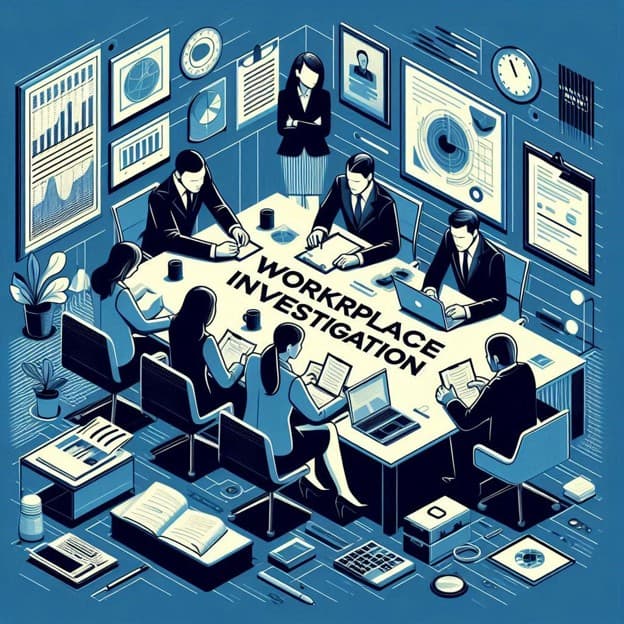
Conducting Effective Workplace Investigations: A Guide for HR Leaders

By Che’ Blackmon, Principal Consultant at Che’ Blackmon Consulting

In today’s complex work environment, HR leaders face the challenging responsibility of conducting thorough and fair workplace investigations. How these investigations are handled can profoundly impact your company culture, employee trust, and even legal liability. Organizations that approach investigations with transparency, consistency, and procedural integrity don’t just resolve issues, they strengthen their cultural foundation and reinforce organizational values.

The Cultural Impact of Workplace Investigations

As I discussed in my book, “Mastering a High-Value Company Culture,” the way an organization handles conflict and misconduct speaks volumes about its values. Employees observe how management responds when problems arise. They notice who gets heard, how thoroughly claims are investigated, and whether resolutions align with stated company values. Each investigation represents a moment of truth for your culture.

When handled properly, investigations demonstrate that the organization values justice, respects all parties involved, and is committed to maintaining a safe, inclusive workplace. When mishandled, even the most well-crafted values statements lose credibility. Trust erodes quickly when employees perceive investigations as biased, cursory, or designed to protect the organization rather than discover the truth.

Essential Elements of Effective Workplace Investigations

1. Prompt Response and Planning

Time matters in workplace investigations. Delays can compromise evidence, allow tensions to escalate, and send a message that the organization doesn’t prioritize addressing workplace issues.

Case Study: Regional Healthcare Network faced a situation where an employee reported harassment, but the investigation didn’t begin for three weeks. During this time, rumors spread, witnesses discussed their perceptions, and the complainant felt ignored. When the investigation finally began, evidence was compromised, and employee trust was damaged. After this experience, the organization implemented a 48-hour response protocol requiring acknowledgment of complaints and initial investigation planning within two business days.

Best Practice: Develop investigation templates and checklists that can be quickly deployed when issues arise. These should include initial response scripts, confidentiality agreements, and investigation planning worksheets.

2. Selection of Appropriate Investigators

Not every HR professional is equally suited to conducting every investigation. Consider the nature of the allegations, potential conflicts of interest, and required expertise.

Practical Example: Technology Solutions Inc. maintains a roster of potential investigators with different specialties and backgrounds. For technical misconduct allegations, they pair an HR investigator with someone from their technical leadership. For sensitive harassment claims, they bring in specialized external investigators. This approach ensures investigators have both the subject matter expertise and objectivity needed for different scenarios.

Best Practice: Create a decision matrix to guide the selection of internal versus external investigators based on criteria such as:

  • Severity and sensitivity of allegations
  • Positions of parties involved (especially when executives are involved)
  • Specialized knowledge requirements
  • Potential conflicts of interest
  • Workload considerations

3. Thorough Documentation Protocols

Documentation serves multiple purposes: it creates accountability, provides a record if legal challenges arise, and ensures consistent handling of similar cases.

Expert Insight: According to employment law expert Elizabeth Gramigna, “The single most common factor that undermines workplace investigations is inadequate documentation. Without detailed records of interviews, evidence collection, and decision-making rationale, organizations become vulnerable to claims of arbitrary or discriminatory practices.”

Best Practice: Implement standardized documentation templates that include:

  • Interview summaries approved by witnesses
  • Evidence logs
  • Investigation timelines
  • Analysis worksheets linking findings to relevant policies
  • Decision rationale documentation

4. Trauma-Informed Interviewing Practices

How interviews are conducted significantly impacts the quality of information gathered and the experience of those involved in the investigation.

Case Study: Financial Services Group revised their investigation protocols after realizing their adversarial interviewing approach was yielding less accurate information and causing additional stress to all parties. They implemented trauma-informed interviewing techniques, resulting in more detailed accounts from complainants and witnesses, while maintaining appropriate due process for respondents.

Best Practice: Train investigators in trauma-informed interviewing techniques that:

  • Begin with establishing rapport and explaining the process
  • Use open-ended questions
  • Allow for narrative responses rather than just yes/no answers
  • Acknowledge the emotional difficulty of the conversation
  • Avoid language that could be perceived as blaming or skeptical

Balancing Thoroughness with Timeliness

One of the most significant challenges in workplace investigations is finding the right balance between conducting a thorough investigation and resolving issues promptly. Investigations that drag on create uncertainty and anxiety, while rushed investigations may miss critical evidence.

Practical Framework: Consider implementing a tiered approach to investigations:

Tier 1 (Simple Issues): Target completion within 5-7 business days

  • Single-issue complaints
  • Limited number of witnesses
  • Readily available documentary evidence

Tier 2 (Moderate Complexity): Target completion within 10-15 business days

  • Multiple related issues
  • 5-10 witnesses
  • Moderate volume of documentary evidence

Tier 3 (High Complexity): Target completion within 30 business days

  • Multiple complex issues
  • Numerous witnesses across different departments
  • Extensive documentary evidence requiring analysis
  • Potential legal implications requiring counsel consultation

Communicate these timeframes to all parties at the beginning of the investigation, along with regular updates on progress. This creates appropriate expectations while maintaining momentum.

Current Trends in Workplace Investigations

Digital Evidence Management

With the proliferation of digital communication channels, investigators now face the challenge of collecting and analyzing evidence from email, messaging platforms, video calls, and social media.

Best Practice: Develop specific protocols for digital evidence collection that address:

  • Preservation of original data
  • Chain of custody documentation
  • Privacy considerations
  • Analysis of context and patterns rather than isolated messages

Research Insight: A 2023 study published in the Journal of Business Ethics found that organizations with established digital evidence protocols completed investigations 35% faster and were 60% less likely to face challenges to investigation findings.

Remote Investigation Strategies

The increase in remote and hybrid work arrangements has created new challenges for conducting effective investigations when parties may never be in the same physical location.

Practical Example: Global Consulting Partners developed a virtual investigation protocol that includes:

  • Secure video interview platforms with recording capabilities
  • Digital evidence submission portals
  • Virtual “evidence rooms” where investigators can collaborate
  • Remote witness coordination procedures

Best Practice: Create guidelines for determining when in-person interviews are necessary despite distance challenges and when virtual options are appropriate.

Artificial Intelligence Tools

AI-powered tools are emerging to support various aspects of workplace investigations, from identifying patterns in communication data to flagging potential inconsistencies in testimonies.

Expert Insight: While AI tools can enhance efficiency, employment attorney Carlos Rodriguez cautions: “AI should be viewed as an investigative assistant, not a replacement for human judgment. The nuanced assessment of credibility, context, and proportionality still requires human expertise informed by understanding organizational culture and dynamics.”

Integrating Investigations with Cultural Excellence

As emphasized in “Mastering a High-Value Company Culture,” investigations should not exist as isolated processes but should be integrated into your broader cultural framework. Here’s how to ensure your investigation processes reinforce your desired culture:

1. Policy Alignment

Review investigation procedures to ensure they align with and reinforce core organizational values. If your organization values transparency, your investigation process should emphasize clear communication about process (even when details must remain confidential). If you value accountability, your investigation outcomes should demonstrate consistent application regardless of position or tenure.

2. Training Beyond Process

Most investigation training focuses on procedural steps and legal compliance. Elevate your training by incorporating discussions about:

  • How investigation behaviors demonstrate organizational values
  • Managing the human dynamics of investigations
  • Rebuilding trust after investigations conclude
  • Using investigation trends to identify cultural improvement opportunities

3. Outcome Integration

The conclusion of an investigation should not be the end of the process. Implement structured processes for:

  • Reintegrating involved parties into the workplace
  • Addressing broader cultural issues identified during investigations
  • Communicating appropriate lessons learned without violating confidentiality
  • Following up to ensure retaliation does not occur

Actionable Takeaways for HR Leaders

  1. Conduct a process audit of your current investigation procedures, identifying gaps between current practice and both legal requirements and cultural aspirations.
  2. Develop a tiered investigation framework with clear timelines and processes for different types of workplace issues.
  3. Create a trauma-informed interview training program for all potential investigators in your organization.
  4. Implement standardized documentation templates that ensure consistency across investigations while capturing the unique elements of each case.
  5. Establish a quarterly review process to identify patterns in workplace issues that might indicate broader cultural or operational challenges.

Building for the Future: Discussion Questions

As you reflect on your organization’s approach to workplace investigations, consider these questions:

  1. How do our investigation processes reflect our stated organizational values?
  2. What message do employees receive about our culture based on how we handle workplace complaints?
  3. How can we better balance the need for confidentiality with appropriate transparency?
  4. What patterns have emerged from recent investigations that might indicate systemic issues requiring attention?
  5. How effectively do we reintegrate parties after investigations conclude, and what might improve this process?

Partner with Che’ Blackmon Consulting

Developing and implementing effective workplace investigation protocols that strengthen rather than undermine your culture requires expertise, strategic thinking, and practical implementation knowledge. At Che’ Blackmon Consulting, we specialize in helping organizations transform their approach to workplace investigations.

Our services include:

  • Comprehensive investigation process audits
  • Investigator training programs
  • Development of custom investigation protocols aligned with your culture
  • Post-investigation healing and reintegration facilitation
  • Investigation trend analysis for cultural improvement

To learn more about how we can help your organization master workplace investigations while strengthening your cultural foundation, contact us at admin@cheblackmon.com . Let’s work together to create investigation processes that resolve workplace issues while reinforcing the high-value culture you’re working to build.

#WorkplaceInvestigations #HRLeadership #EmployeeRelations #CorporateCulture #WorkplaceMisconduct #HRBestPractices #ConflictResolution #EmployeeTrust #OrganizationalValues #HRCompliance


Che’ Blackmon is the author of “Mastering a High-Value Company Culture” and Principal Consultant at Che’ Blackmon Consulting, specializing in helping organizations align HR practices with cultural excellence.

Navigating the Complexities of FMLA and ADA Compliance

In today’s dynamic workplace environment, understanding and properly implementing compliance requirements for the Family and Medical Leave Act (FMLA) and Americans with Disabilities Act (ADA) represents both a legal obligation and a strategic opportunity for building a high-value company culture. Organizations that master these compliance areas don’t just avoid costly litigation, they create inclusive environments where employees feel valued, supported,