


By Che’ Blackmon, DBA Candidate | Founder & CEO, Che’ Blackmon Consulting
The old model of leadership is dying. You know the one. The leader who rules from a corner office with an iron fist. The executive who believes fear is the most effective motivator. The manager who sees employees as resources to be optimized rather than humans to be developed. That model served a different era, one built on assembly lines and rigid hierarchies. But we no longer live in that world.
Today’s workforce demands something different. They want leaders who see them. Leaders who hear them. Leaders who care about their growth, their wellbeing, and their whole lives, not just the hours between nine and five. They want heart-centered leadership.
This is not about being soft. It is not about avoiding accountability or lowering standards. Heart-centered leadership is about understanding that the path to extraordinary results runs directly through human connection, empathy, and authentic care. It is about leading with both head and heart, strategy and soul.
🔄 The Shift: From Command to Connection
Command and control leadership emerged from military traditions and found a comfortable home in the industrial age. It made sense when work was repetitive, standardized, and required little creativity. Workers performed prescribed tasks. Managers ensured compliance. The system valued obedience over innovation.
But the nature of work has fundamentally changed. According to the World Economic Forum, the most valuable skills in today’s economy include critical thinking, creativity, emotional intelligence, and complex problem solving. These capacities cannot be commanded into existence. They must be cultivated through environments where people feel safe, valued, and inspired.
Research from the Center for Creative Leadership found that empathy is positively related to job performance, with managers who demonstrate empathy toward their teams viewed as better performers by their own bosses. Meanwhile, Gallup data consistently shows that employees who feel their manager cares about them as people are significantly more likely to be engaged, productive, and loyal.
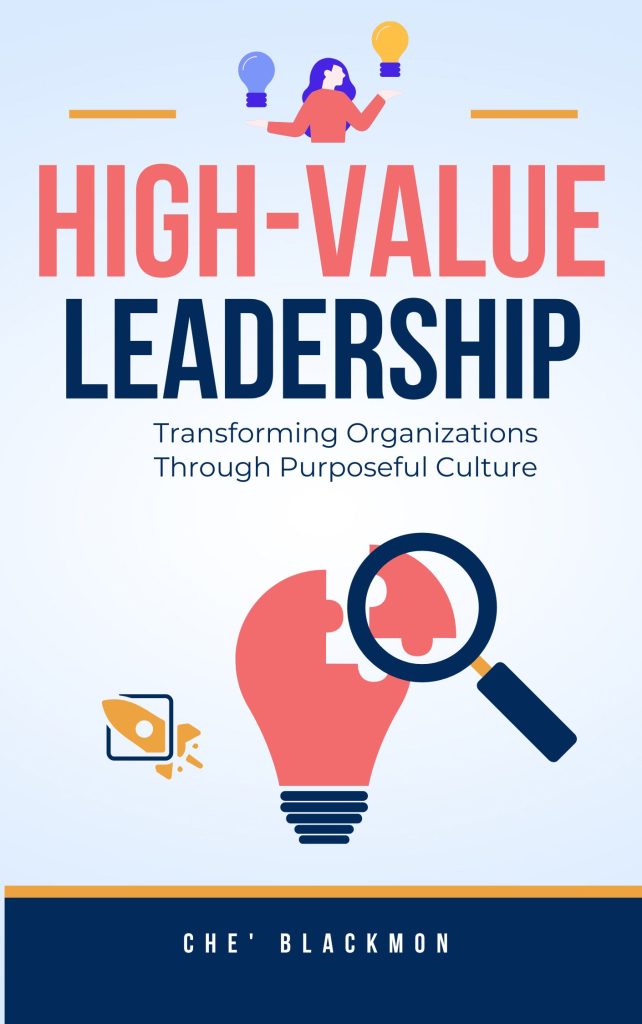
As I explore in High-Value Leadership: Transforming Organizations Through Purposeful Culture, the most effective leaders have always understood that people give their best when they feel their best. Heart-centered leadership simply makes this understanding explicit and systematic.
❤️ What Heart-Centered Leadership Actually Looks Like
Heart-centered leadership is often misunderstood. Critics imagine leaders who avoid difficult conversations, tolerate poor performance, or prioritize feelings over results. This could not be further from the truth.
Heart-centered leaders hold high standards precisely because they care. They have difficult conversations with compassion rather than cruelty. They address performance issues promptly because they want their people to succeed. They make tough decisions while honoring the humanity of everyone affected.
The distinction is not between being tough and being kind. It is between leading through fear and leading through trust. Between treating people as instruments and treating them as partners. Between demanding compliance and inspiring commitment.
🌟 Core Elements of Heart-Centered Leadership
Presence over performance theater: Heart-centered leaders are fully present in their interactions. They put away devices, make eye contact, and listen to understand rather than to respond. They remember details about their people’s lives, not as manipulation tactics but as genuine expressions of care.
Vulnerability as strength: These leaders acknowledge when they do not have all the answers. They admit mistakes openly. They share appropriate struggles and uncertainties, creating permission for others to be human as well. This vulnerability builds trust rather than diminishing authority.
Boundaries with compassion: Heart-centered leadership includes clear boundaries and expectations. The difference is that boundaries are communicated with respect and enforced with consistency rather than wielded as weapons. Consequences exist, but they serve development rather than punishment.
Whole person recognition: These leaders see employees as complete human beings with lives, families, dreams, and challenges outside of work. They create space for these realities rather than pretending they do not exist or resenting their intrusion into productivity.
💫 Heart-Centered Leadership and the Overlooked Leader
For Black women and other traditionally overlooked leaders in corporate spaces, the conversation about heart-centered leadership carries particular complexity and opportunity.
The complexity is real. Black women have historically been punished for the very qualities that define heart-centered leadership. Research documented by the Center for WorkLife Law shows that women of color face heightened penalties for showing emotion in the workplace, even positive emotions. The “angry Black woman” stereotype creates a minefield where authentic expression of care, passion, or concern can be weaponized.
At the same time, Black women have been expected to provide emotional labor that goes unrecognized and uncompensated. The informal mentoring, the diversity committee work, the constant translation between cultures, these contributions draw deeply from the heart but rarely show up in performance reviews or promotion decisions.
In Rise & Thrive: A Black Woman’s Blueprint for Leadership Excellence, I address how Black women can navigate these contradictions. The answer is not to suppress heart-centered leadership qualities but to deploy them strategically while building systems of support and documentation that ensure contributions are visible and valued.
Here is the opportunity: The cultural heritage of Black women often includes deep traditions of community care, collective uplift, and leading through service. These are not weaknesses to be managed but strengths to be leveraged. As organizations increasingly recognize the value of heart-centered leadership, Black women who have been practicing these approaches for generations are uniquely positioned to lead the way.
📊 The Business Case for Leading with Heart
For those who need numbers before they embrace new approaches, the data on heart-centered leadership is compelling.
A study published in the Journal of Organizational Behavior found that leaders who expressed compassion toward their teams saw significant increases in employee commitment and decreases in turnover intentions. The researchers noted that compassionate leadership created a “positive spiral” where caring behaviors were reciprocated throughout the organization.
Research from Businessolver’s State of Workplace Empathy study reveals that 93% of employees say they are more likely to stay with an empathetic employer. Yet only 50% of employees describe their CEO as empathetic. This gap represents both a crisis and an opportunity for differentiation.
There was a manufacturing company in the automotive sector struggling with union relations and high turnover. Traditional command and control approaches had created an adversarial culture where workers felt like interchangeable parts. New leadership implemented a heart-centered approach that included listening tours, transparent communication, genuine investment in worker development, and acknowledgment of the dignity of labor. Within two years, grievances decreased by 60%, voluntary turnover dropped by half, and the company achieved its first collaborative contract negotiation in decades.

🛠️ Practical Strategies for Heart-Centered Leadership
1. Start with Self-Awareness 🪞
Heart-centered leadership begins with honest self-examination. You cannot lead others with compassion if you are disconnected from your own emotions, values, and triggers. This means developing practices of reflection, seeking feedback, and doing the inner work that leadership demands.
Questions to consider: What emotional patterns do I bring to leadership? How do I respond when stressed or threatened? What fears drive my behavior? What values do I want to embody, and where do my actions fall short?
Action Step: Begin a daily reflection practice, even five minutes each morning or evening. Notice your emotional states, your reactions to challenges, and the gap between your intentions and your impact.
2. Practice Deep Listening 👂
Most leaders listen to respond, plan their next statement while others are speaking, or listen only for information relevant to their agenda. Heart-centered leaders practice deep listening, being fully present to understand not just words but feelings, concerns, and unspoken needs.
Deep listening requires slowing down, a countercultural act in organizations that reward speed and decisiveness. It means sitting with silence rather than rushing to fill it. It means asking follow up questions that demonstrate genuine curiosity rather than judgment.
Action Step: In your next three conversations, commit to not speaking for at least five seconds after the other person finishes. Use that space to consider what they truly need, not just what they said.
3. Lead with Questions, Not Answers 🤔
Command and control leaders provide answers. Heart-centered leaders ask questions. This shift does more than gather information; it communicates respect for others’ intelligence and investment in their growth. When you ask someone what they think before telling them what to do, you validate their expertise and develop their capacity.
This does not mean abdicating decision making responsibility. There are times when leaders must make calls quickly and decisively. But in the majority of situations, slowing down to ask thoughtful questions produces better outcomes and stronger teams.
Action Step: Before offering a solution to any problem this week, ask at least two questions first. Notice how this changes the conversation and the quality of eventual solutions.
4. Create Rituals of Recognition 🏆
People need to feel seen and appreciated. Not in generic annual reviews but in regular, specific, authentic acknowledgment of their contributions. Heart-centered leaders build recognition into the rhythm of their leadership, creating rituals that ensure appreciation becomes systematic rather than sporadic.
There was a healthcare organization that transformed its culture by implementing a simple practice: every leadership meeting began with five minutes dedicated to sharing specific examples of team members going above and beyond. This ritual, requiring minimal time, cascaded through the organization and fundamentally shifted how people felt about their work.
Action Step: Create a weekly reminder to send at least three specific, personalized messages of appreciation to team members. Focus on effort and character, not just results.
5. Address Conflict with Courage and Care ⚖️
Heart-centered leadership does not avoid conflict. It engages conflict differently. Rather than attacking people or avoiding issues entirely, heart-centered leaders address problems directly while maintaining respect and compassion. They separate the person from the problem and focus on growth rather than blame.
This requires courage. It is often easier to either explode or retreat than to have the measured, caring conversation that addresses issues honestly. But conflict avoided does not disappear; it festers. Heart-centered leaders develop the capacity to move toward difficult conversations with both truth and grace.
Action Step: Identify one conversation you have been avoiding. Schedule it this week. Prepare by clarifying your intention (growth, not punishment), the specific behaviors at issue, and the impact those behaviors have had.
6. Model Self-Compassion 🌱
You cannot sustainably extend compassion to others while treating yourself with harshness. Heart-centered leaders model healthy self-compassion, acknowledging their own struggles, setting appropriate boundaries, and demonstrating that high performance does not require self-destruction.
This is particularly important for Black women and others who have been conditioned to put everyone else first, to be “strong” at all costs, and to never show signs of struggle. Sustainable leadership requires self-care that goes beyond occasional spa days to include genuine practices of rest, reflection, and renewal.
Action Step: Notice your self-talk this week. When you make a mistake, do you respond with harsh criticism or with the same compassion you would offer a friend? Practice extending to yourself the grace you give to others.
🏢 Building Heart-Centered Organizations
Individual leaders can model heart-centered approaches, but lasting transformation requires embedding these values into organizational systems. In Mastering a High-Value Company Culture, I outline how organizations can systematize compassion without making it feel mechanical or forced.
Key considerations include: How do our hiring processes assess for emotional intelligence and compassionate leadership? Do our performance management systems reward heart-centered behaviors or only quantitative results? Are our meeting structures designed for genuine connection or just information transfer? Do our policies recognize employees as whole human beings with lives outside of work? Is psychological safety measured and cultivated systematically?
Building heart-centered organizations also requires examining where command and control patterns persist despite good intentions. Often these patterns are embedded in legacy systems, unexamined assumptions, and the pressure of short-term thinking. Transformation requires patient, persistent attention to both cultural and structural change.
🚀 The Future Belongs to the Heart-Centered
As artificial intelligence assumes more cognitive tasks, as remote work challenges traditional management approaches, and as younger generations refuse to accept the dehumanizing workplace practices their parents tolerated, heart-centered leadership moves from nice to have to essential.
The leaders who thrive in the coming decades will be those who can do what machines cannot: connect authentically, inspire genuinely, and create environments where human beings flourish. They will be leaders who understand that sustainable excellence flows from cultures of care.
This is not a prediction. It is already happening. The organizations attracting the best talent, generating the most innovation, and building the most loyal customer relationships are those with heart-centered leadership at their core. The question is not whether this shift will continue but whether you will be part of leading it.
🌈 Leading from Your Whole Self
Heart-centered leadership is not a technique to be mastered but a way of being to be cultivated. It asks you to show up fully, to bring your whole self to your role, and to see the whole selves of those you lead. It requires ongoing practice, frequent stumbling, and the willingness to learn from both success and failure.
The journey toward heart-centered leadership is ultimately a journey toward your best self. The skills you develop, including presence, empathy, courage, and compassion, do not stay at work. They transform how you show up in every relationship and every dimension of your life.
Command and control may have built the organizations of the past. But heart-centered leadership will build the organizations of the future. The question is simple: What kind of leader will you choose to be?
💬 Discussion Questions
1. Where do you see remnants of command and control leadership in your organization? How do these patterns affect employee engagement and performance?
2. What makes heart-centered leadership feel risky or uncomfortable to you? What fears might be holding you back from leading with more compassion?
3. For those navigating spaces as traditionally overlooked leaders: How have you balanced authentic expression with the realities of workplace bias? What strategies have helped you lead with heart while protecting yourself?
4. Think of a leader who made you feel genuinely valued and cared for. What specific behaviors demonstrated their heart-centered approach? How might you incorporate similar behaviors into your own leadership?
5. How would your organization need to change its systems and structures to truly support heart-centered leadership? What would be the first step?
🚀 Your Next Steps
Transformation does not happen through information alone. It happens through practice. Choose one strategy from this article and commit to implementing it consistently for the next thirty days. Notice how it affects your relationships, your team’s energy, and your own sense of fulfillment in leadership.
Find an accountability partner. Share your intention to lead with more heart and ask them to check in on your progress. Leadership is not a solo journey, and the support of others makes transformation more sustainable.
Remember that heart-centered leadership is a practice, not a destination. There will be days when you fall back into old patterns. The goal is not perfection but progress, not arrival but direction. Every interaction is a new opportunity to choose connection over command, compassion over control, and heart over habit.
✨ Ready to Lead with Heart?
If you are ready to transform your leadership approach and build a culture where people and performance thrive together, Che’ Blackmon Consulting is here to guide your journey. We specialize in leadership development, culture transformation, and helping organizations move beyond command and control to heart-centered excellence.
📧 Email: admin@cheblackmon.com
📞 Phone: 888.369.7243
🌐 Website: cheblackmon.com
Let’s unlock your potential, empower your leadership, and transform your impact together.
📖 About the Author
Che’ Blackmon is the Founder and CEO of Che’ Blackmon Consulting, a Michigan-based fractional HR and culture transformation consultancy. With over 24 years of progressive HR leadership experience across manufacturing, automotive, healthcare, and other sectors, Che’ brings deep expertise in helping leaders move beyond command and control to create cultures where people flourish. She is currently pursuing her Doctor of Business Administration (DBA) in Organizational Leadership with research focused on AI-enhanced organizational transformation. Che’ is the author of High-Value Leadership: Transforming Organizations Through Purposeful Culture, Mastering a High-Value Company Culture, and Rise & Thrive: A Black Woman’s Blueprint for Leadership Excellence. She hosts the “Unlock, Empower, Transform” podcast and the “Rise & Thrive” YouTube series.
#Leadership #HeartCenteredLeadership #HighValueLeadership #EmpatheticLeadership #LeadershipDevelopment #WorkplaceCulture #ServantLeadership #CompassionateLeadership #EmployeeEngagement #PeopleFirst #LeadershipMatters #HRLeadership #CultureTransformation #AuthenticLeadership #LeadWithHeart