

By Che’ Blackmon | DBA Candidate in Organizational Leadership | Founder & CEO, Che’ Blackmon Consulting
✨ Introduction: The New Leadership Landscape
Leadership has fundamentally changed. The days when a title automatically commanded respect and compliance are fading rapidly. Today’s most effective leaders understand that influence, not authority, drives meaningful organizational change. This shift presents both a challenge and an extraordinary opportunity, particularly for those who have historically been excluded from traditional power structures.
For traditionally overlooked professionals, and most specifically Black women in corporate spaces, this evolution creates a powerful pathway forward. When influence matters more than title, your ability to build relationships, demonstrate expertise, and create value becomes your greatest asset. These are skills that many professionals from underrepresented backgrounds have been cultivating their entire careers out of necessity.
This article explores how to build lasting influence without relying on positional authority. Whether you’re an individual contributor seeking to expand your impact, a middle manager working across departments, or an executive navigating complex stakeholder relationships, these principles will help you lead more effectively in today’s interconnected workplace.
🔍 Understanding Influence vs. Authority
Defining the Difference
Authority is power granted by position. It’s the ability to direct others based on your role in the organizational hierarchy. Influence, by contrast, is power earned through relationships, expertise, and trust. It’s the ability to shape thinking and inspire action regardless of your title.
Consider this distinction carefully. A manager can require attendance at a meeting through authority. But only through influence can that manager inspire genuine engagement, creative thinking, and committed follow through from attendees. Authority gets compliance. Influence generates commitment.
Research from the Center for Creative Leadership confirms this dynamic. Their studies indicate that leaders who rely primarily on positional power experience significantly higher resistance to change initiatives compared to those who build influence through relationships and demonstrated competence.
Why Influence Matters More Than Ever
Several workplace trends have elevated the importance of influence over authority. The rise of matrix organizations means most professionals now work across multiple reporting relationships. Remote and hybrid work environments reduce the impact of physical presence and formal hierarchy. Flatter organizational structures distribute decision making more broadly. And younger generations entering the workforce place greater value on collaboration than command.
These shifts create tremendous opportunity for professionals who have developed strong relational and persuasion skills, often because traditional pathways to authority were limited for them.
🎯 The Unique Challenge for Traditionally Overlooked Professionals
Navigating the Double Standard
Black women and other traditionally overlooked professionals often face a particular challenge when building influence. Research consistently shows that behaviors perceived as “leadership” in majority group members are frequently viewed differently when exhibited by women of color. Assertiveness may be labeled as aggression. Confidence may be perceived as arrogance. Self-advocacy may be seen as selfishness.
A 2023 study published in the Harvard Business Review found that Black women leaders receive less credit for collaborative successes and more blame for team failures compared to their counterparts. This reality doesn’t mean influence building is impossible. It means the approach requires additional strategic consideration.
As explored in “Rise & Thrive: A Black Woman’s Blueprint for Leadership Excellence,” understanding these dynamics is not about accepting them or changing who you are. It’s about strategically navigating systems while working to transform them. Awareness creates agency.
Turning Challenges into Competitive Advantages
Here’s what many organizations fail to recognize: professionals who have had to build influence without the benefit of assumed competence often develop more sophisticated influence skills than those who relied on positional shortcuts.
When you cannot assume your ideas will be automatically valued, you learn to build ironclad cases. When you cannot assume relationships will develop naturally, you become intentional about connection building. When you cannot assume credit will flow to you, you learn to document and communicate your contributions strategically. These learned skills become powerful assets in environments where influence trumps authority.
🏗️ The Five Pillars of Influence Without Authority
Pillar 1: Expertise and Credibility 📚
Influence begins with being genuinely valuable. This means developing deep expertise in areas that matter to your organization and consistently delivering results that speak for themselves.
There was a technology company where a mid-level analyst became one of the most influential voices in strategic planning despite having no direct reports. Her secret was becoming the undisputed expert on customer behavior analytics. When discussions turned to customer strategy, leaders at all levels sought her input because her insights consistently proved accurate. Her expertise gave her a seat at tables her title alone would never have secured.
Action Step: Identify the expertise areas most valued by your organization’s leadership. Invest deliberately in becoming a recognized expert in at least one of these areas. Document and share your knowledge in ways that create value for others.
Pillar 2: Relationship Capital 🤝
Influence flows through relationships. The stronger and broader your network of genuine connections, the greater your ability to shape outcomes across the organization.
Building relationship capital requires intentionality. It means investing time in understanding others’ priorities, challenges, and communication styles. It means being helpful without keeping score. It means maintaining connections even when you don’t immediately need something.
As discussed in “Mastering a High-Value Company Culture,” relationship building in professional environments works best when it’s genuine. People can sense when connection attempts are purely transactional. Focus on creating real value in relationships, and influence will follow naturally.
Action Step: Map your current relationship network across the organization. Identify gaps, particularly with individuals or groups whose support would amplify your impact. Create a plan to build genuine connections in those areas.
Pillar 3: Strategic Communication 🎤
How you communicate determines whether your ideas gain traction. Influential communicators adapt their style to their audience, frame messages in terms of others’ interests, and know when to push forward and when to pause.
This is particularly important for traditionally overlooked professionals. Research shows that the same message delivered by different messengers may receive different receptions. Understanding this reality allows you to be strategic about how, when, and through whom ideas are communicated.
There was a manufacturing organization where a process improvement initiative gained momentum only after its champion learned to present the same ideas differently to different stakeholders. For finance, she emphasized cost savings. For operations, she focused on efficiency gains. For HR, she highlighted safety improvements. Same initiative, strategically tailored communication.
Action Step: Before your next important communication, identify what matters most to your audience. Reframe your message to connect your goals with their priorities. Practice adapting your style while maintaining authenticity.
Pillar 4: Emotional Intelligence 💡
Influence requires reading situations accurately and responding appropriately. Emotional intelligence, the ability to recognize and manage emotions in yourself and others, is foundational to this capability.
Leaders with high emotional intelligence know when to advance their agenda and when to step back. They sense resistance before it becomes opposition. They recognize when others need support and when they need space. This awareness allows them to navigate complex interpersonal dynamics that derail less attuned colleagues.
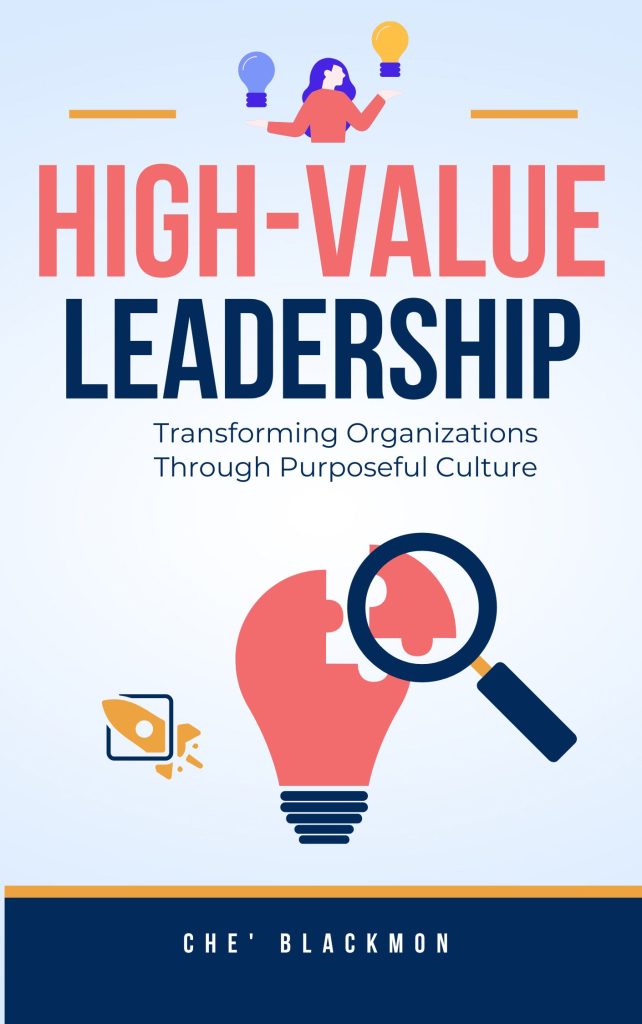
The concept of “High-Value Leadership” as explored in “High-Value Leadership: Transforming Organizations Through Purposeful Culture” emphasizes that truly effective leaders create environments where people feel valued and understood. This requires genuine emotional attunement, not performative empathy.
Action Step: Seek honest feedback about how others experience your interpersonal style. Identify patterns in situations where you’ve been effective and ineffective. Develop practices for checking your emotional state before high stakes interactions.
Pillar 5: Results and Reputation 🏆
Ultimately, sustained influence depends on a track record of delivering results. Your reputation is the story others tell about you when you’re not in the room. That story must include consistent evidence of creating value.
For traditionally overlooked professionals, this often means being more deliberate about ensuring contributions are visible. This isn’t about self-promotion for its own sake. It’s about ensuring your results speak for themselves in environments where they might otherwise be overlooked or attributed to others.
Action Step: Document your contributions and their impact systematically. Share wins in ways that acknowledge team contributions while ensuring your role is clear. Build relationships with people who can serve as credible witnesses to your value.

📊 Case Study: Influence in Action
There was a healthcare organization facing significant employee turnover among nursing staff. A patient care coordinator, someone with no formal authority over staffing decisions, recognized that the exit interview process was missing critical information about why nurses were actually leaving.
Rather than simply complaining about the problem, she built her case strategically. She gathered informal feedback from departing colleagues over several months. She researched best practices in healthcare retention. She identified the financial impact of turnover using publicly available industry data.
She then approached the Chief Nursing Officer not with criticism of current practices, but with a proposal to pilot an enhanced exit interview process on her unit. By framing the initiative as low risk learning rather than criticism of existing approaches, she secured support.
The pilot revealed issues leadership had never understood, including scheduling inflexibility, inadequate training support, and communication gaps between shifts. The insights led to targeted changes that reduced turnover on the pilot unit by over 30%. The approach was subsequently adopted organization-wide.
This coordinator never had authority to mandate changes. But through expertise, relationship building, strategic communication, and delivered results, she influenced outcomes that executives with far more authority had failed to achieve.
📈 Current Trends and Best Practices
The Rise of Lateral Leadership
Organizations increasingly recognize that influence-based leadership often outperforms authority-based approaches. A 2024 Deloitte study found that companies emphasizing collaborative influence in their leadership development programs outperformed peers on innovation metrics and employee engagement scores.
This trend creates opportunity for professionals who have developed strong lateral leadership skills. Organizations actively seeking these capabilities are more likely to recognize and reward influence-building behaviors.
Digital Influence in Hybrid Environments
The shift to hybrid and remote work has transformed how influence operates. Physical presence and informal hallway conversations matter less. The ability to build relationships virtually, communicate effectively across digital platforms, and maintain visibility without being physically present matters more.
Professionals who master digital influence building, through strategic use of collaboration tools, virtual relationship maintenance, and effective written communication, gain advantages in distributed work environments.
The Growing Importance of Authentic Leadership
Research continues to validate that authentic leadership generates stronger followership than polished but inauthentic approaches. A McKinsey study on leadership effectiveness found that perceived authenticity was among the strongest predictors of leader influence, particularly among younger employees. This finding supports the importance of building influence through genuine connection rather than manipulation or impression management.
✅ Actionable Takeaways
- Invest in expertise before seeking exposure. Build genuine value before focusing on visibility. Sustainable influence requires a foundation of real contribution.
- Build relationships before you need them. The time to develop allies is not when you need their support. Invest in connections proactively and genuinely.
- Adapt communication without abandoning authenticity. Tailor your message to your audience while remaining true to your values and voice.
- Document your impact systematically. Don’t assume your contributions will be noticed or remembered. Create records that ensure your value is visible.
- Find and cultivate sponsors, not just mentors. Mentors advise you. Sponsors advocate for you in rooms you’re not in. Both matter, but sponsors directly amplify influence.
- Create wins for others. The most influential people make those around them more successful. Generosity with credit and support builds lasting relationship capital.
- Play the long game. Influence building is a marathon, not a sprint. Consistency over time creates compound returns on relationship and reputation investments.
💭 Discussion Questions
- Think about a leader who influenced you significantly without having direct authority over you. What specific behaviors made them influential?
- In what areas could you develop deeper expertise that would increase your value and influence in your organization?
- Who are the key stakeholders whose support would amplify your impact? What would it take to build stronger relationships with them?
- How might your communication style need to adapt for different audiences while maintaining your authentic voice?
- What systems do you have in place to ensure your contributions and impact are visible to decision makers?
🚀 Next Steps
Building influence without authority is both an art and a discipline. It requires strategic thinking, genuine relationship investment, and consistent execution over time. The good news is that these skills can be developed by anyone willing to invest the effort.
Start by honestly assessing your current influence across the five pillars discussed in this article. Where are your strengths? Where are your development opportunities? Create a focused plan to strengthen one or two areas over the next quarter.
Remember that influence building is not about manipulation or political game playing. At its best, it’s about creating genuine value, building authentic relationships, and communicating in ways that help others see how your contributions advance shared goals. This approach not only builds your influence but contributes to healthier organizational cultures for everyone.
For traditionally overlooked professionals and Black women navigating corporate spaces, mastering influence without authority isn’t just a career strategy. It’s a pathway to transforming organizations from within, creating environments where the next generation of diverse leaders can thrive without facing the same barriers.
📚 Continue Your Leadership Journey
For deeper exploration of high-value leadership principles and organizational culture transformation, explore these resources from Che’ Blackmon:
- “High-Value Leadership: Transforming Organizations Through Purposeful Culture” – A comprehensive guide to building leadership practices that create lasting organizational impact.
- “Mastering a High-Value Company Culture” – Practical strategies for creating workplace environments where people and performance thrive together.
- “Rise & Thrive: A Black Woman’s Blueprint for Leadership Excellence” – An e-book offering targeted guidance for Black women navigating the unique challenges of corporate leadership.
🤝 Work With Che’ Blackmon Consulting
Ready to accelerate your influence-building journey or transform your organization’s leadership culture? Che’ Blackmon Consulting offers fractional HR services, leadership development programs, and organizational culture transformation designed to create high-value workplaces where all professionals can rise and thrive.
Our services include leadership coaching, culture assessments, professional development workshops, and strategic HR consulting for organizations committed to building more effective and equitable workplaces.
📧 Email: admin@cheblackmon.com
📞 Phone: 888.369.7243
🌐 Website: cheblackmon.com
Influence isn’t given. It’s built. Let’s build yours together.
👩🏾💼 About the Author
Che’ Blackmon is the Founder and CEO of Che’ Blackmon Consulting, a fractional HR and culture transformation consultancy based in Michigan. With over 24 years of progressive HR leadership experience across manufacturing, automotive, healthcare, and professional services, she brings deep expertise in organizational development, leadership coaching, and workplace culture transformation. Currently pursuing her Doctor of Business Administration in Organizational Leadership, Che’ combines academic rigor with practical experience to help organizations build high-value cultures where people and performance thrive together. She is the author of three books on leadership and organizational culture and hosts the “Unlock, Empower, Transform” podcast.
#Leadership #InfluenceWithoutAuthority #HighValueLeadership #BlackWomenInBusiness #WomenInLeadership #OrganizationalCulture #LeadershipDevelopment #ProfessionalGrowth #CareerAdvancement #WorkplaceCulture #ExecutivePresence #LeadershipSkills #DiversityInLeadership #CorporateLeadership #LeadershipCoaching #FractionalHR #HRConsulting #CultureTransformation #RiseAndThrive #BlackExcellence