

By Ché Blackmon, DBA Candidate | Founder & CEO, Ché Blackmon Consulting
In a world that glorifies the overnight success story and celebrates the hustle at all costs, there is a quiet rebellion happening. Leaders who have weathered storms, navigated setbacks, and built sustainable success are rediscovering an ancient truth: strategic patience is not passive waiting. It is purposeful positioning.
We live in an era of instant gratification. Social media feeds us curated highlight reels of rapid ascents to the C-suite, viral product launches, and seemingly effortless wins. What these narratives conveniently omit are the years of groundwork, the calculated pivots, and the intentional pauses that made those victories possible. For leaders, especially those who have been historically marginalized in corporate spaces, understanding the power of strategic patience is not just helpful. It is essential.
🎯 What Is Strategic Patience?
Strategic patience is the disciplined art of knowing when to act decisively and when to hold steady. It is not about being slow for the sake of being slow. Rather, it is about being intentional with your timing, your energy, and your resources. Think of it as playing chess rather than checkers. Every move serves a purpose, and sometimes the most powerful move is to wait for the right moment.
In my book “Mastering a High-Value Company Culture,” I explore how organizations that rush to implement change without proper foundation often find themselves rebuilding within two years. Culture transformation is not a sprint. It requires patience to assess, patience to plan, and patience to allow new behaviors to take root. The same principle applies to career development and leadership growth.
📊 The Research Behind the Rhythm
Studies in organizational psychology consistently support the value of measured approaches to change and growth. Research from Harvard Business Review indicates that companies which take a phased approach to transformation are 30% more likely to sustain their results over five years compared to those pursuing rapid overhauls. This finding challenges the pervasive myth that faster always means better.
A longitudinal study published in the Academy of Management Journal found that executives who demonstrated “temporal flexibility,” meaning the ability to shift between urgent action and patient observation, outperformed their peers in long-term strategic outcomes. These leaders understood that timing is not just one factor in success. In many cases, it is the determining factor.
Additionally, the concept of “strategic delay” has gained traction in business literature. This approach involves intentionally postponing decisions or actions until more information is available or conditions are more favorable. Far from being a sign of indecisiveness, strategic delay demonstrates sophisticated judgment and confidence.
💪 Strategic Patience and the Traditionally Overlooked
For Black women and other traditionally overlooked professionals navigating corporate spaces, strategic patience takes on additional dimensions. The pressure to prove oneself quickly, to demonstrate immediate value, and to justify presence at every turn creates an environment where patience can feel like a luxury one cannot afford. Yet it is precisely in these circumstances where strategic patience becomes most powerful.
In my e-book “Rise & Thrive: A Black Woman’s Blueprint for Leadership Excellence,” I address the unique challenges faced by Black women leaders who must often navigate additional scrutiny while building their careers. Strategic patience in this context means refusing to let external pressure dictate internal timelines. It means building coalitions methodically rather than expecting immediate buy-in. It means recognizing that sustainable influence often matters more than rapid visibility.
🌟 The Double Standard of Urgency
There is a documented double standard in how patience and urgency are perceived across different groups in corporate settings. When some leaders take their time, it is viewed as thoughtfulness. When others do the same, it may be characterized as lacking initiative. Awareness of these biases allows for more strategic navigation.
Strategic patience for traditionally overlooked leaders often means documenting everything. Build the evidence of your contributions systematically. Create receipts of your impact. This deliberate approach ensures that when opportunities arise, you have concrete proof of your value that cannot be easily dismissed or attributed to others.
🏢 Real World Applications: Case Studies in Patient Leadership
📈 Case Study 1: The Turnaround That Took Time
There was a mid-sized manufacturing company facing severe employee retention challenges. Their initial instinct was to implement immediate pay raises and launch aggressive recruiting campaigns. However, a more patient approach revealed that compensation was not the primary issue. Deep-rooted cultural problems, including poor communication and lack of recognition, were driving departures.
Rather than quick fixes, the organization committed to an 18-month culture transformation process. They began with listening sessions, moved to pilot programs, and gradually expanded successful initiatives. The result? Turnover decreased by 45% over three years, and the changes proved sustainable because they addressed root causes rather than symptoms.
🚀 Case Study 2: The Promotion That Was Worth the Wait
Consider a talented HR professional, a Black woman in a predominantly white corporate environment, who was repeatedly passed over for senior leadership roles. Rather than immediately seeking opportunities elsewhere, she employed strategic patience. She spent two years building cross-functional relationships, volunteering for high-visibility projects, and documenting her contributions meticulously.
When a VP position opened, she was not just qualified on paper. She had built a network of advocates across the organization who championed her candidacy. Her patient coalition-building approach resulted not only in securing the role but in entering it with established support systems that accelerated her effectiveness.
🔧 Case Study 3: The Technology Implementation That Respected Human Pace
A healthcare organization decided to implement AI-powered analytics across their operations. The technology team wanted to deploy everything within six months. Leadership took a different approach, recognizing that human adaptation takes longer than software installation.
They extended the timeline to two years, building in extensive training, feedback loops, and adjustment periods. Staff felt heard and respected throughout the process. Adoption rates exceeded 90%, compared to industry averages of around 60% for similar implementations. The patient approach cost more in the short term but saved millions in failed implementation costs and staff turnover.
⚡ Current Trends: Patience in a Disrupted World
The current business landscape presents interesting paradoxes regarding patience. On one hand, technological disruption creates genuine urgency for adaptation. On the other hand, the organizations that thrive are often those that distinguish between essential speed and unnecessary rush.
🤖 The AI Integration Challenge
As artificial intelligence reshapes industries, many organizations are rushing to implement AI solutions without adequate preparation. Research from MIT Sloan Management Review suggests that companies taking measured approaches to AI adoption, including proper change management and workforce development, see 40% higher success rates than those pursuing rapid deployment.
At Ché Blackmon Consulting, we advocate for AI-enhanced approaches to HR and culture transformation that respect human timelines while leveraging technological capabilities. Technology should accelerate insight gathering and pattern recognition, but the human work of relationship building and trust development cannot be rushed.
🌱 The Great Recalibration
Following years of pandemic disruption, many professionals are reconsidering their relationship with career urgency. There is growing recognition that the “climb at all costs” mentality often leads to burnout rather than fulfillment. Strategic patience aligns well with this cultural shift, offering a framework for ambitious progress without self-destruction.

🛠️ Actionable Takeaways: Implementing Strategic Patience
1️⃣ Distinguish Between Urgent and Important
Not everything that feels urgent actually is. Practice categorizing demands on your time and energy. True emergencies require immediate response. Everything else can be approached with greater intentionality. Ask yourself: “What happens if I wait 24 hours before responding to this?” Often, the answer reveals that urgency was more perceived than real.
2️⃣ Build Your Evidence Base Systematically
Strategic patience includes documenting your journey and impact. Keep records of your contributions, feedback received, and results achieved. This practice serves multiple purposes: it provides material for future opportunities, helps you identify patterns in your growth, and creates concrete evidence that cannot be easily overlooked or misattributed.
3️⃣ Invest in Relationships Before You Need Them
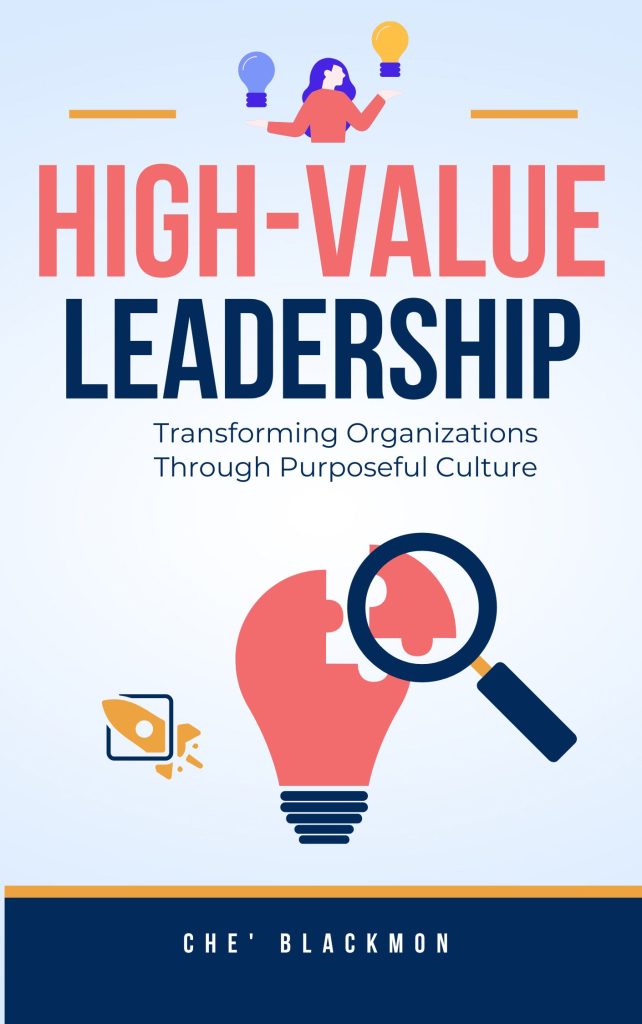
Coalitions built under pressure are rarely as strong as those developed over time. Identify key stakeholders across your organization or industry and build genuine relationships with them. As I discuss in “High-Value Leadership: Transforming Organizations Through Purposeful Culture,” the leaders who create lasting impact are those who prioritize relationship building as a core competency, not an afterthought.
4️⃣ Set Process Goals Alongside Outcome Goals
Strategic patience becomes easier when you measure progress beyond final outcomes. If your goal is a senior leadership role, set intermediate process goals: building expertise in specific areas, developing certain relationships, completing relevant projects. Celebrating progress maintains motivation during longer journeys.
5️⃣ Practice Temporal Flexibility
Develop your ability to shift between speeds intentionally. Sometimes situations genuinely require rapid response. Other times, a measured approach serves better. The skill lies in reading situations accurately and adjusting your pace accordingly. This flexibility distinguishes strategic patience from mere slowness.
6️⃣ Communicate Your Intentionality
Strategic patience can be misinterpreted as passivity. Counter this by clearly communicating your approach. Phrases like “I’m taking a phased approach to ensure sustainable results” or “I’m gathering additional input before making this decision” signal thoughtfulness rather than inaction.
⚖️ The Balance: When to Wait and When to Act
Strategic patience is not an excuse for avoidance or fear-based delay. True strategic patience involves clear criteria for action. Consider waiting when you need more information to make a sound decision, when the timing could significantly affect outcomes, when relationships require more development, or when resources are not yet aligned. Consider acting when delay creates genuine disadvantage, when you have sufficient information, when opportunities are time-limited, or when continued waiting signals disengagement rather than strategy.
The key is intentionality. Whether you are waiting or acting, do so with clear purpose and awareness of the trade-offs involved.
🌈 Conclusion: The Long Game Worth Playing
In a culture that celebrates speed, choosing strategic patience is itself an act of courage. It requires confidence in your vision, trust in your process, and resilience in the face of pressure to rush. For traditionally overlooked leaders, it is also an act of resistance against systems that often set impossible timelines for proving worth.
The tortoise and the hare fable endures because it captures something true. Sustainable success is built through consistent, purposeful effort over time. The leaders who transform cultures, build lasting careers, and create meaningful impact are those who master the art of strategic patience.
Your journey does not need to match anyone else’s timeline. Your worth is not determined by how quickly you arrive. What matters is that you keep moving forward with intention, building foundations strong enough to support the success you are creating.
Slow and steady really does win. Not every race. But the races that matter most.
💭 Discussion Questions
1. Reflect on a time when you rushed a decision or action. What were the consequences, and how might strategic patience have changed the outcome?
2. What external pressures make it difficult for you to practice strategic patience in your current role or situation? How might you address those pressures?
3. Consider the double standards discussed in this article. Have you observed or experienced situations where patience was perceived differently based on who was demonstrating it?
4. What relationships in your professional life could benefit from more patient, intentional development?
5. How do you distinguish between strategic patience and avoidance in your own decision-making? What criteria help you make that distinction?
6. What process goals could you set to help maintain motivation during longer-term pursuits?
🚀 Your Next Steps
This week: Identify one situation where you have been feeling pressured to rush. Consider whether strategic patience might serve you better, and if so, communicate your intentional approach to relevant stakeholders.
This month: Begin or strengthen your documentation practice. Create a system for recording your contributions, impact, and growth that will serve you well over time.
This quarter: Choose three relationships to develop more intentionally. Invest time in understanding these individuals’ goals and challenges, building the foundation for genuine mutual support.
This year: Revisit your career timeline with fresh eyes. Are your deadlines externally imposed or self-created? What might open up if you gave yourself permission to play a longer game?
✨ Ready to Transform Your Leadership Journey?
At Ché Blackmon Consulting, we specialize in helping leaders and organizations build sustainable success through high-value culture transformation. Whether you are navigating your personal leadership development or seeking to transform your organization’s culture, we provide the expertise, frameworks, and support to help you achieve lasting results.
Our services include: Fractional HR leadership, culture assessments and transformation, executive coaching, leadership development programs, and AI-enhanced predictive analytics for employee retention.
Let’s have a conversation about where you are going and how strategic patience can get you there. Schedule a consultation today.
Connect with Ché Blackmon Consulting
📧 admin@cheblackmon.com
📞 888.369.7243
🌐 cheblackmon.com
About the Author
Ché Blackmon is the Founder and CEO of Ché Blackmon Consulting, a Michigan-based fractional HR and culture transformation consultancy. A DBA Candidate in Organizational Leadership at National University, Ché brings over 24 years of progressive HR leadership experience across manufacturing, automotive, healthcare, and other sectors.
She is the author of three books on leadership and organizational culture: “Mastering a High-Value Company Culture,” “High-Value Leadership: Transforming Organizations Through Purposeful Culture,” and “Rise & Thrive: A Black Woman’s Blueprint for Leadership Excellence.” She hosts the podcast “Unlock, Empower, Transform with Ché Blackmon” and creates content through her “Rise & Thrive” YouTube series.
#StrategicPatience #LeadershipDevelopment #HighValueLeadership #WomenInLeadership #BlackWomenInBusiness #CultureTransformation #CareerGrowth #ExecutiveLeadership #ProfessionalDevelopment #WorkplaceCulture #LeadershipTips #PlayTheLongGame #SustainableSuccess #HRLeadership #OrganizationalCulture