All posts by che_13nov@yahoo.com

Culture Recovery: Rebuilding After Setbacks

Every organization faces challenges that can shake its cultural foundation—whether it’s a market downturn, leadership transition, ethical lapse, failed initiative, or global disruption. These moments don’t just test an organization’s operational resilience; they reveal the true strength of its culture. The difference between organizations that crumble under pressure and those that emerge stronger lies in their approach to cultural recovery.

Understanding Cultural Damage

Before rebuilding, we must recognize the signs of cultural deterioration. As I explore in “Mastering a High-Value Company Culture,” cultural damage often manifests through predictable indicators:

  • Declining trust between leadership and employees
  • Increased employee turnover and disengagement
  • Reduced collaboration and information sharing
  • Diminished psychological safety
  • Risk aversion and decision paralysis
  • Nostalgia for “how things used to be”

According to research from Deloitte, organizations that experience significant setbacks without cultural recovery strategies see engagement drop by an average of 32% and innovation decline by up to 45%. These statistics underscore the urgent need for intentional culture recovery approaches following organizational trauma.

The Culture Recovery Framework

In “High-Value Leadership: Transforming Organizations Through Purposeful Culture,” I outline a comprehensive framework for rebuilding after setbacks. This approach includes five essential phases:

1. Honest Assessment

Recovery begins with truth. Leaders must create space for candid examination of what happened, how it affected the culture, and what contributed to the vulnerability:

  • Cultural Impact Analysis: Measure engagement, trust, and collaboration post-setback
  • Root Cause Examination: Identify systemic issues that created vulnerability
  • Stakeholder Listening Sessions: Gather perspectives from across the organization
  • Values Alignment Check: Assess whether actions aligned with stated values

One healthcare organization facing public backlash after a patient safety incident implemented “truth forums” where leaders acknowledged mistakes, employees shared concerns, and patients contributed perspectives. This transparent approach, while initially uncomfortable, created the foundation for authentic recovery.

2. Values Recommitment

Setbacks often reveal gaps between espoused values and actual behaviors. Recovery requires renewed clarity and commitment to core principles:

  • Values Clarification: Revisit and potentially refresh organizational values
  • Behavioral Definition: Clearly define what values look like in practice
  • Leadership Modeling: Demonstrate values consistently, especially under pressure
  • Decision Alignment: Use values explicitly in decision-making processes

A financial services firm recovering from ethical lapses developed a “values decision matrix” that required leaders to explicitly evaluate major decisions against each core value before proceeding. This practice not only improved decisions but visibly demonstrated renewed commitment to ethical standards.

3. Trust Restoration

Trust—once broken—requires deliberate rebuilding through consistent actions over time:

  • Transparency Practices: Share information openly, including both successes and challenges
  • Promise Keeping: Make commitments carefully and honor them consistently
  • Vulnerability Modeling: Leaders acknowledge mistakes and demonstrate learning
  • Accountability Systems: Establish clear consequences for values violations

The CEO of a technology company facing a major product failure implemented weekly “progress and problems” communications, transparently sharing both recovery successes and ongoing challenges. This practice, maintained consistently for months, gradually rebuilt credibility with both employees and customers.

4. Connection Rebuilding

Cultural damage often fractures relationships. Recovery requires intentional reconnection:

  • Collaborative Projects: Create opportunities for cross-functional cooperation
  • Team Rebuilding: Facilitate structured team restoration activities
  • Celebration Rituals: Recognize progress and success milestones
  • Community Service: Unite around purpose beyond daily work

A manufacturing organization recovering from a divisive labor dispute implemented “bridge teams” composed of individuals from management and labor to address workplace improvements. These collaborative projects not only enhanced operations but helped heal relationships damaged during the conflict.

5. Learning Integration

The final phase transforms setbacks into sources of organizational wisdom:

  • Failure Analysis: Extract and document lessons learned
  • Process Improvements: Implement changes based on insights gained
  • Knowledge Sharing: Develop methods to retain organizational memory
  • Progress Measurement: Track cultural recovery metrics over time

A retail organization that experienced massive disruption during the pandemic created a “resilience playbook” documenting lessons learned, and new approaches developed during crisis. This resource has become a cornerstone of their leadership development and strategic planning, ensuring insights weren’t lost as conditions normalized.

Case Study: Rebuilding Midwest Manufacturing

Midwest Manufacturing, a 75-year-old company with 1,200 employees, faced multiple simultaneous challenges: leadership transition, market disruption, and a failed ERP implementation that cost millions. Employee trust plummeted, turnover reached unprecedented levels, and a culture once known for innovation became risk-averse and blame-oriented.

Using the Culture Recovery Framework, Midwest Manufacturing implemented a comprehensive approach:

Phase 1: Assessment (Months 1-2)

  • Conducted employee engagement survey revealing 62% drop in trust
  • Implemented listening sessions across all departments and shifts
  • Analyzed decision patterns that led to the failed implementation
  • Evaluated leadership behaviors against stated values

Phase 2: Values Recommitment (Months 2-3)

  • Refreshed values with broad employee input
  • Developed “Values in Action” guides for different roles
  • Created visible leadership commitments to behavioral changes
  • Implemented values-based decision protocols

Phase 3: Trust Restoration (Months 3-9)

  • Instituted monthly town halls with unfiltered Q&A
  • Established “commitment trackers” visible to all employees
  • Implemented new accountability frameworks for all leadership levels
  • Created psychological safety training for all managers

Phase 4: Connection Rebuilding (Months 6-12)

  • Launched cross-functional innovation teams
  • Implemented “connection coffees” pairing employees across departments
  • Created quarterly celebration events highlighting progress
  • Established community impact projects aligning with company purpose

Phase 5: Learning Integration (Months 9-18)

  • Developed comprehensive case study of the implementation failure
  • Created new project governance frameworks incorporating lessons learned
  • Implemented knowledge-sharing platforms across departments
  • Established quarterly culture pulse checks to monitor recovery

The results proved transformative. Within 18 months:

  • Employee engagement increased by 47%
  • Voluntary turnover decreased by 38%
  • Cross-functional collaboration increased by 56%
  • Innovation metrics returned to pre-crisis levels
  • A new ERP implementation was successfully completed

Most importantly, employees reported a stronger, more resilient culture than existed prior to the setbacks. As one long-tenured employee noted, “We’re not just back to where we were—we’re better than we’ve ever been.”

Critical Success Factors for Culture Recovery

Through numerous recovery engagements, I’ve identified several factors that differentiate successful culture recovery efforts:

1. Leadership Ownership

Recovery demands leaders who:

  • Take accountability without defensiveness
  • Demonstrate vulnerability while maintaining confidence
  • Model the behaviors they seek in others
  • Invest significant personal time in recovery efforts

The CEO of a professional services firm experiencing high turnover and cultural deterioration personally conducted over 100 employee conversations in 90 days, demonstrating genuine commitment to understanding concerns and rebuilding trust.

2. Balanced Focus

Effective recovery balances:

  • Acknowledgment of problems without dwelling on negatives
  • Focus on the future while learning from the past
  • Attention to both systems and behaviors
  • Recognition of progress while maintaining urgency

A healthcare organization recovering from a toxic leadership period created “recovery scorecards” tracking both lagging indicators (engagement, turnover) and leading indicators (psychological safety, collaboration) to maintain balanced focus during their rebuilding journey.

3. Systemic Approach

Lasting recovery requires attention to multiple dimensions:

  • Individual mindsets and behaviors
  • Team dynamics and processes
  • Organizational systems and structures
  • External relationships and reputation

A technology company implementing recovery after a series of ethical lapses created a comprehensive “culture system map” identifying how each organizational element either supported or undermined their desired culture, then prioritized interventions across all dimensions.

4. Employee Involvement

Recovery accelerates when employees:

  • Contribute to assessment and diagnosis
  • Help design recovery initiatives
  • Lead implementation efforts
  • Provide ongoing feedback on progress

A retail organization recovering from a failed expansion involved frontline employees in redesigning core processes, not only improving operations but rebuilding ownership and commitment among those most affected by the previous failure.

5. Patience and Persistence

Cultural recovery is not a quick fix:

  • Short-term wins build momentum for long-term change
  • Consistency matters more than intensity
  • Progress is rarely linear
  • Recovery time frames should match the depth of damage

A manufacturing organization recovering from severe labor conflicts implemented a three-year recovery roadmap with quarterly milestones, recognizing that rebuilding trust after decades of adversarial relationships would require sustained effort across multiple dimensions.

Implementing Recovery in Your Organization

To translate these insights into action, consider this practical implementation framework:

Phase 1: Prepare (1-2 weeks)

  • Assemble a culture recovery team with cross-organizational representation
  • Gather initial data on cultural impact through surveys and interviews
  • Develop communication strategy for the recovery process
  • Create psychological safety for honest assessment

Phase 2: Assess (2-4 weeks)

  • Conduct comprehensive culture assessment using both quantitative and qualitative methods
  • Identify specific cultural elements most damaged by setbacks
  • Determine root causes of vulnerability
  • Establish baseline measurements for tracking recovery

Phase 3: Plan (2-4 weeks)

  • Develop comprehensive recovery strategy with clear objectives
  • Create detailed implementation roadmap with assigned responsibilities
  • Establish metrics and milestones for measuring progress
  • Prepare leadership for their role in recovery

Phase 4: Implement (6-18 months)

  • Execute high-priority initiatives addressing critical vulnerabilities
  • Maintain consistent communication about progress and challenges
  • Regularly gather feedback on recovery effectiveness
  • Adjust approaches based on emerging insights

Phase 5: Sustain (Ongoing)

  • Integrate recovery learnings into organizational systems
  • Build ongoing cultural maintenance practices
  • Continue measuring cultural vitality indicators
  • Share recovery story internally and externally as appropriate

The Future of Cultural Resilience

As we look ahead, organizations must move beyond reactive recovery to proactive resilience. In “High-Value Leadership,” I explore how leaders can build cultures that withstand inevitable challenges:

  • Cultural Stress Testing: Regularly evaluate how your culture would respond to potential disruptions
  • Resilience Training: Develop capabilities that enable rapid adaptation to changing conditions
  • Recovery Readiness: Create playbooks for cultural response to various scenarios
  • Distributed Leadership: Build cultural stewardship capabilities throughout the organization

Organizations with these practices in place recover from setbacks faster and often emerge stronger than before disruption occurred.

Taking Action: Next Steps

To enhance your organization’s cultural recovery capabilities:

  1. Assess Current Reality: How has your culture been affected by recent challenges? What indicators suggest cultural strain?
  2. Evaluate Recovery Readiness: What mechanisms do you have in place for cultural recovery? Where are gaps in your approach?
  3. Develop Recovery Strategy: Based on your assessment, create a tailored approach using the Culture Recovery Framework.
  4. Build Leadership Capability: Ensure leaders at all levels understand their role in cultural recovery and have necessary skills.
  5. Implement Systematically: Execute recovery initiatives with clear accountability, measurement, and adjustment mechanisms.

Questions for Reflection

  1. How well does your organization acknowledge and address cultural impact during challenging times?
  2. What mechanisms do you have for gathering honest feedback about cultural health following setbacks?
  3. How effectively do your leaders model cultural values, especially during difficult periods?
  4. What practices help rebuild trust when it has been damaged in your organization?
  5. How might you transform past setbacks into sources of cultural strength and resilience?

Ready to accelerate your organization’s cultural recovery?

At Che’ Blackmon Consulting, we specialize in helping organizations rebuild stronger, more resilient cultures following setbacks. Our comprehensive approach identifies specific cultural vulnerabilities, develops tailored recovery strategies, and builds sustainable cultural resilience.

Contact us today at admin@cheblackmon.com or 888.369.7243 to schedule a consultation and discover how strategic culture recovery can unlock your organization’s potential, empower your people, and transform challenges into opportunities for meaningful growth.

#OrganizationalResilience #CultureRecovery #ChangeManagement #LeadershipDevelopment #CrisisRecovery #OrganizationalCulture #WorkplaceCulture #BusinessTransformation

Building Cross-Generational Engagement Strategies

Today’s workplace is uniquely diverse, spanning up to five generations working side by side. This unprecedented age diversity brings tremendous opportunity for innovation and creativity, but also significant challenges in engagement, communication, and collaboration. Organizations that master cross-generational engagement gain a competitive advantage through enhanced innovation, knowledge sharing, and talent retention across all demographic groups.

The Generational Landscape

Understanding the current generational makeup of the workforce provides essential context for developing effective engagement strategies:

  • Traditionalists (born before 1946): Though fewer in number, this generation still contributes valuable institutional knowledge and mentorship.
  • Baby Boomers (1946-1964): Approaching retirement but often extending careers, bringing deep expertise and work ethic.
  • Generation X (1965-1980): The “middle managers” bridging organizational history with future direction.
  • Millennials (1981-1996): Now the largest segment of the workforce, often in leadership roles themselves.
  • Generation Z (1997-2012): The newest entrants bringing digital nativity and fresh perspectives.

As I explore in “Mastering a High-Value Company Culture,” effective engagement requires moving beyond stereotypes to understand each generation’s formative influences, value systems, and workplace preferences. When organizations create environments that honor these differences while fostering connection, they transform potential friction points into sources of organizational strength.

Beyond Stereotypes: Understanding Generational Differences

While individual differences always outweigh generational ones, understanding broad patterns can help inform engagement approaches:

Communication Preferences

Research from the Society for Human Resource Management reveals significant differences in communication preferences:

  • Traditionalists and Boomers often prefer face-to-face meetings and detailed information
  • Generation X typically values direct, efficient communication with clear action items
  • Millennials frequently prefer digital communication with quick feedback loops
  • Generation Z commonly embraces visual communication, short-form video, and collaborative platforms

A financial services firm implemented a “communication preference inventory” during onboarding, allowing employees to indicate how they preferred to receive different types of information. This simple practice reduced misunderstandings and increased engagement across generational lines.

Work Arrangements

Attitudes toward flexibility, remote work, and work-life boundaries often show generational patterns:

  • Older generations may value traditional work structures and clear boundaries
  • Middle generations often prioritize flexibility that accommodates family responsibilities
  • Younger generations frequently seek integration of work and life with emphasis on purpose and impact

One manufacturing company successfully navigated these differences by implementing “flexibility with structure” – core hours when all employees were expected to be available for collaboration, with flexibility around those hours based on role requirements and personal needs.

Feedback and Recognition

Generational differences often emerge in preferences for feedback frequency and recognition approaches:

  • Traditionalists may prefer formal annual reviews and public recognition for loyalty and expertise
  • Baby Boomers often value recognition for their work ethic and accomplishments
  • Generation X typically appreciates direct, specific feedback and autonomy
  • Millennials frequently seek regular coaching conversations and growth opportunities
  • Generation Z often desires immediate feedback and personalized development paths

Case Study: MultiTech’s Cross-Generational Transformation

MultiTech, a mid-sized technology company, faced significant challenges with cross-generational tension. Their workforce included long-tenured Baby Boomers who built the company’s foundation, Generation X middle managers, Millennial technical specialists, and newly hired Generation Z graduates. Engagement surveys revealed concerning patterns:

  • Older employees felt their experience was undervalued
  • Younger employees felt limited by traditional processes
  • Middle managers struggled to bridge communication gaps
  • Knowledge transfer was failing across generational lines
  • Innovation was stifled by generational misunderstandings

Through comprehensive assessment and strategic intervention, MultiTech implemented a multi-faceted approach to cross-generational engagement:

  1. Reverse Mentoring Program: Paired senior leaders with junior employees for bi-directional knowledge sharing
  2. Communication Channels Strategy: Implemented multiple communication approaches for important information
  3. Flexible Work Design: Created team-specific flexibility plans based on work requirements and preferences
  4. Collaborative Decision-Making: Ensured diverse generational representation in key initiatives
  5. Recognition Revamp: Developed personalized recognition approaches aligned with individual preferences

The results were transformative:

  • Employee engagement scores increased by 28% across all age groups
  • Knowledge retention improved significantly during retirement transitions
  • Cross-functional innovation increased through generational collaboration
  • Recruitment and retention improved across all generations
  • Customer satisfaction increased as diverse perspectives informed solutions

This case demonstrates how intentional cross-generational engagement strategies can transform potential friction into organizational strength.

Core Strategies for Cross-Generational Engagement

In “High-Value Leadership: Transforming Organizations Through Purposeful Culture,” I outline how leaders can foster environments where multiple generations thrive together. Here are key strategies drawn from this framework:

1. Create Connection Through Shared Purpose

When generations unite around common purpose, surface differences become less significant:

  • Purpose Mapping: Facilitate conversations about how each generation connects with organizational purpose
  • Shared Challenges: Create cross-generational teams to tackle meaningful organizational problems
  • Impact Storytelling: Share stories that demonstrate how different generations contribute to collective impact

A healthcare organization implemented “purpose circles” where employees across generations shared personal connections to the organization’s mission. These sessions created powerful bonds that transcended age differences and led to innovative patient care improvements.

2. Develop Cross-Generational Communication Protocols

Establish communication norms that honor different preferences while ensuring effective information flow:

  • Multi-Modal Communication: Share important information through multiple channels
  • Communication Compacts: Have teams develop shared agreements about communication expectations
  • Translation Training: Equip managers to “translate” between generational communication styles

A professional services firm developed a “communication matrix” for different types of information, ensuring critical updates reached everyone through their preferred channels while building familiarity with diverse communication approaches.

3. Implement Flexible Recognition Systems

Recognition approaches that accommodate generational differences show respect for diverse preferences:

  • Recognition Preference Surveys: Identify how different employees prefer to be acknowledged
  • Multi-Channel Recognition: Develop both public and private recognition mechanisms
  • Peer Recognition Programs: Empower employees to recognize contributions across generational lines

One retail organization created a recognition platform with options ranging from private notes to public celebrations, allowing employees to receive recognition in ways that felt meaningful to them.

4. Design Intentional Knowledge Transfer Systems

Facilitate the exchange of institutional wisdom and fresh perspectives:

  • Knowledge Mapping: Identify critical knowledge areas at risk due to retirement or turnover
  • Bidirectional Mentoring: Create structured programs for cross-generational knowledge sharing
  • Project Shadowing: Pair employees across generations on key initiatives

An engineering firm implemented “wisdom capture sessions” where retiring employees shared critical knowledge with mid-career and early-career colleagues, while newer employees shared innovative approaches with senior staff. These sessions preserved institutional knowledge while infusing fresh thinking into traditional processes.

5. Foster Inclusive Decision-Making

Ensure all generations have voice and influence in organizational direction:

  • Generational Advisory Councils: Create forums where different age groups can provide input
  • Decision Matrix: Clarify which decisions benefit from diverse generational input
  • Balanced Project Teams: Ensure age diversity in key initiatives and change efforts

A consumer products company established “product innovation teams” with intentional age diversity, leading to products that appealed across generational lines and significantly expanded their market reach.

Implementation Framework

To implement these strategies effectively, consider this phased approach:

Phase 1: Assessment (1-2 months)

  • Conduct generational demographic analysis
  • Survey current engagement levels across generations
  • Identify specific pain points and opportunities
  • Assess current practices for generational inclusivity

Phase 2: Strategy Development (1 month)

  • Create cross-generational design team
  • Develop targeted initiatives based on assessment
  • Establish measurement criteria
  • Create implementation roadmap

Phase 3: Implementation (3-6 months)

  • Launch initial high-impact initiatives
  • Train managers in cross-generational leadership
  • Establish communication protocols
  • Implement knowledge-sharing systems

Phase 4: Evaluation and Refinement (Ongoing)

  • Measure impact on engagement across generations
  • Gather feedback on initiative effectiveness
  • Refine approaches based on results
  • Scale successful initiatives organization-wide

Measuring Cross-Generational Engagement Success

Effective measurement helps ensure your strategies are working across all generational groups:

  • Engagement Surveys: Track engagement by age cohort to identify disparities
  • Inclusion Metrics: Measure sense of belonging and voice across generations
  • Knowledge Transfer Indicators: Assess effectiveness of cross-generational learning
  • Collaboration Analytics: Track cross-generational project success
  • Retention Metrics: Monitor turnover patterns across age groups

Pay special attention to engagement gaps between generations – these indicate areas where your strategy may need refinement.

Common Pitfalls to Avoid

In implementing cross-generational engagement strategies, be mindful of these common mistakes:

  • Overemphasizing Differences: Focusing too much on generational differences can reinforce stereotypes rather than build bridges
  • One-Size-Fits-All Approaches: Even within generations, individual preferences vary widely
  • Prioritizing One Generation: Designing primarily for one age group while expecting others to adapt
  • Insufficient Manager Training: Failing to equip leaders with cross-generational leadership skills
  • Lack of Measurement: Not tracking whether initiatives are working across all age groups

Taking Action: Next Steps for Leaders

To enhance cross-generational engagement in your organization:

  1. Conduct a Generational Audit: Analyze your current workforce composition and projected changes
  2. Assess Engagement Patterns: Look for generational disparities in engagement and inclusion
  3. Evaluate Current Practices: Review how well your systems accommodate generational differences
  4. Develop a Cross-Generational Strategy: Create targeted interventions based on your findings
  5. Implement with Intention: Roll out initiatives with clear communication and manager support
  6. Measure and Refine: Track results and adapt your approach based on feedback

Questions for Reflection

  1. How well do current engagement levels in your organization compare across different generations?
  2. What knowledge transfer risks exist as your most experienced employees approach retirement?
  3. How effectively do your communication approaches reach employees of all generations?
  4. What untapped opportunities might exist for cross-generational collaboration and innovation?
  5. How might generational diversity become a more explicit competitive advantage for your organization?

Ready to transform cross-generational engagement in your organization?

At Che’ Blackmon Consulting, we specialize in developing customized strategies that bridge generational differences while leveraging the unique strengths each generation brings. Our comprehensive approach helps create environments where all employees—regardless of age—can contribute, connect, and thrive.

Contact us today at admin@cheblackmon.com or 888.369.7243 to schedule a consultation and discover how effective cross-generational engagement can unlock your organization’s full potential, empower your multi-generational workforce, and transform your culture for sustainable success.

#MultiGenerationalWorkforce #EmployeeEngagement #WorkplaceCulture #GenerationalDiversity #LeadershipDevelopment #OrganizationalDevelopment #TalentRetention #WorkplaceInclusion

Culture Assessment Tools and Frameworks

In today’s business environment, culture isn’t just a nice-to-have—it’s a strategic imperative. Yet many organizations struggle to objectively evaluate their culture, often relying on gut feelings or simplified employee surveys rather than comprehensive assessments. Understanding your current cultural reality requires sophisticated tools and frameworks that can measure what truly matters: the values, behaviors, and systems that drive your organization’s performance.

Why Culture Assessment Matters

Before diving into specific tools, let’s consider why comprehensive culture assessment is essential. As I explore in “Mastering a High-Value Company Culture,” organizations that lack objective cultural data often miss critical blind spots. Leaders may believe they’ve created a collaborative environment while employees experience siloed work. Executives might value innovation while systems unintentionally reward conformity.

Research by Deloitte found that 94% of executives and 88% of employees believe a distinct workplace culture is important to business success. However, only 12% of executives believe their organizations are driving the “right culture.” This gap highlights the need for rigorous assessment approaches that provide accurate insights into cultural realities.

Comprehensive Assessment Frameworks

To truly understand organizational culture, an assessment must explore multiple dimensions. Here are key frameworks that offer complementary perspectives:

1. The Cultural Values Assessment

This framework measures three critical perspectives:

  • Current Culture: How employees perceive the organization today
  • Desired Culture: What employees believe would enable peak performance
  • Personal Values: What employees personally value in their work

The power of this assessment lies in identifying gaps between current reality, aspirations, and individual values. One manufacturing client discovered that while their leadership emphasized efficiency and results, employees deeply valued collaboration and work-life balance. This misalignment contributed to high turnover and declining engagement. By identifying this gap, they were able to implement changes that honored both performance needs and employee values.

2. The Competing Values Framework

Developed by Quinn and Rohrbaugh, this assessment evaluates culture across two dimensions:

  • Flexibility vs. Stability
  • Internal focus vs. External focus

These dimensions create four cultural archetypes:

  • Clan Culture: Collaborative, family-like environments
  • Adhocracy Culture: Dynamic, entrepreneurial environments
  • Market Culture: Results-oriented, competitive environments
  • Hierarchy Culture: Structured, controlled environments

Most organizations display elements of multiple archetypes. The assessment reveals your dominant pattern and whether it aligns with strategic needs. A healthcare organization using this framework discovered they had developed a strong hierarchy culture when their changing market demanded more adhocracy characteristics. This insight guided their cultural transformation efforts.

3. The High-Value Culture Matrix

In “High-Value Leadership: Transforming Organizations Through Purposeful Culture,” I introduce the High-Value Culture Matrix, which assesses alignment across four critical domains:

  • Purpose Alignment: How clearly employees understand and connect with organizational purpose
  • Behavioral Consistency: Whether stated values translate into day-to-day behaviors
  • Structural Support: How well systems and processes reinforce desired culture
  • Leadership Embodiment: The extent to which leaders model and champion cultural ideals

This framework specifically identifies where misalignments occur, enabling targeted interventions. A technology company assessment revealed strong purpose alignment but weak structural support—employees understood the mission, but performance management systems contradicted cultural aspirations. This insight allowed for focused improvement in specific systems rather than a broad cultural overhaul.

Specialized Assessment Tools

Beyond comprehensive frameworks, specialized tools can provide deeper insights into specific cultural elements:

1. Psychological Safety Assessment

Pioneered by Amy Edmondson and highlighted in Google’s Project Aristotle research, this assessment measures whether team members feel safe taking interpersonal risks. Questions evaluate comfort with speaking up, asking questions, admitting mistakes, and challenging established practices.

A consulting firm that implemented this assessment discovered dramatic differences in psychological safety across their practice areas, explaining variations in innovation, client satisfaction, and retention. Targeted interventions in low-safety teams yielded significant performance improvements within six months.

2. Innovation Readiness Index

This specialized assessment evaluates the cultural conditions that enable innovation, including:

  • Risk tolerance
  • Collaborative networks
  • Resource allocation
  • Idea management processes
  • Recognition systems

A manufacturing company discovered through this assessment that while they provided innovation resources, their recognition systems unintentionally punished failed experiments. By adjusting how they responded to well-designed experiments regardless of outcome, they increased innovation activity by 68% within one year.

3. Inclusion Index

This tool measures the extent to which diverse employees experience belonging and opportunity, evaluating:

  • Authentic acceptance
  • Access to information and resources
  • Involvement in decision-making
  • Growth opportunities
  • Voice and influence

A financial services firm using this assessment identified significant disparities in how different demographic groups experienced inclusion. This data enabled targeted initiatives that improved retention among underrepresented groups by 35% over two years.

Qualitative Assessment Approaches

While quantitative tools provide valuable data, qualitative approaches offer rich context and deeper understanding:

1. Cultural Anthropology

This approach involves trained observers immersing themselves in the organization to document behaviors, language, rituals, and artifacts that reveal underlying cultural assumptions. Methods include:

  • Shadowing employees across departments
  • Attending meetings as observers
  • Analyzing physical environment and artifacts
  • Documenting language patterns and stories

A healthcare system using this approach discovered that despite stated values of patient-centricity, their physical environment and meeting protocols actually prioritized administrative convenience over patient experience. This insight led to environmental and process redesigns that improved both patient and staff satisfaction.

2. Story Mining

Organizations run on narratives. Story mining involves collecting and analyzing the stories employees tell about:

  • Organizational heroes and villains
  • How decisions are really made
  • What gets rewarded or punished
  • Critical incidents that defined the culture

A technology startup used story mining to understand why their culture was fracturing as they grew. They discovered that founding stories emphasized risk-taking and forgiveness for bold failures, but newer employees heard stories about perfectionism and blame. This insight guided leadership in consciously reshaping the narrative to preserve their innovation culture through growth.

Implementing Culture Assessment Successfully

Regardless of which tools you select, successful culture assessment requires thoughtful implementation:

1. Establish Clear Purpose

Before launching any assessment, clearly define:

  • Why you’re conducting the assessment
  • How the data will be used
  • What’s in scope and out of scope
  • Who will have access to the results

Transparency builds trust and increases participation quality. One client dramatically improved response rates by having the CEO clearly communicate the assessment’s purpose and commit to sharing full results with all employees.

2. Ensure Psychological Safety

Employees must feel safe providing honest feedback. Essential practices include:

  • Anonymous data collection
  • Third-party administration when possible
  • Protection from retaliation
  • Appropriate confidentiality measures

A manufacturing company initially received sanitized feedback until they engaged an external partner to administer the assessment, after which participation increased and feedback became dramatically more candid.

3. Combine Methods for Deeper Insight

The most valuable assessments triangulate data from multiple sources:

  • Quantitative surveys
  • Qualitative interviews
  • Observational data
  • Performance metrics
  • External perspectives (customers, partners)

This multi-method approach provides both breadth and depth of understanding. A retail organization discovered through surveys that employees felt customer service was valued, but interviews and observations revealed significant barriers to actually delivering excellent service. This comprehensive view enabled more effective interventions.

4. Close the Loop

Assessment without action damages trust. Essential follow-up includes:

  • Sharing results transparently
  • Involving employees in interpreting findings
  • Developing action plans based on insights
  • Communicating progress and impact
  • Reassessing to measure improvement

A healthcare organization built tremendous goodwill by sharing complete assessment results—including uncomfortable findings—and involving staff in creating improvement plans. This approach generated more engagement than previous top-down change efforts.

Case Study: Transforming TechInnovate

TechInnovate, a mid-sized software company, was experiencing concerning symptoms: declining innovation, increasing turnover, and customer complaints about responsiveness. Leadership suspected cultural issues but lacked specific insights.

We implemented a comprehensive assessment approach:

  1. Cultural Values Assessment to identify gaps between current and desired culture
  2. High-Value Culture Matrix to pinpoint alignment issues
  3. Innovation Readiness Index to evaluate specific innovation barriers
  4. Story Mining through focus groups and interviews
  5. Cultural Observation of meetings, decision processes, and work environments

The assessment revealed critical insights:

  • A widening gap between leaders’ perception of the culture and employees’ lived experience
  • Strong purpose alignment but weak structural support
  • Recognition systems that unintentionally rewarded individual achievement over collaboration
  • Decision processes that had become increasingly centralized despite espoused values of empowerment
  • Physical and digital environments that hindered cross-functional collaboration

Based on these findings, TechInnovate implemented targeted interventions:

  1. Redesigned performance management to balance individual and collaborative success
  2. Restructured meeting protocols to ensure diverse perspectives were included
  3. Implemented cross-functional innovation teams with dedicated time and resources
  4. Created physical and digital collaboration spaces
  5. Developed leadership behaviors that more consistently demonstrated cultural values

Twelve months later, a follow-up assessment showed significant improvements:

  • 27% increase in employees reporting the culture enabled their best work
  • 42% improvement in cross-functional collaboration
  • 35% increase in implemented innovation ideas
  • 18% reduction in voluntary turnover
  • 22% improvement in customer satisfaction scores

This transformation demonstrates the power of comprehensive, data-driven cultural assessment followed by targeted action.

Selecting the Right Assessment Approach

With numerous options available, how do you select the right assessment approach for your organization? Consider these factors:

  1. Current Challenges: What specific issues are you trying to address?
  2. Organizational Readiness: How comfortable are employees with providing candid feedback?
  3. Available Resources: What time, expertise, and budget can you allocate?
  4. Decision Timeline: How quickly do you need actionable insights?
  5. Organizational Context: What assessment methods will resonate with your culture?

A thoughtful selection process ensures you gather meaningful data that drives effective action. Remember that assessment is not a one-time event but should be integrated into your regular organizational rhythm to track progress and identify emerging needs.

Taking Action: Next Steps

To move forward with cultural assessment in your organization:

  1. Clarify Your Purpose: Define specific questions you need to answer about your culture
  2. Select Appropriate Tools: Choose assessment approaches that address your specific needs
  3. Prepare Your Organization: Communicate purpose and build psychological safety
  4. Implement Thoughtfully: Ensure proper administration and data collection
  5. Analyze Holistically: Look for patterns, contradictions, and root causes
  6. Share Openly: Communicate findings transparently across the organization
  7. Act Deliberately: Develop targeted interventions based on assessment insights
  8. Measure Impact: Reassess to evaluate effectiveness of cultural initiatives

Questions for Reflection

  1. What aspects of your organizational culture do you currently measure, and what blind spots might exist in your assessment approach?
  2. How aligned are the perceptions of culture between leadership, middle management, and frontline employees in your organization?
  3. To what extent do your organizational systems and processes reinforce or contradict your desired culture?
  4. How might more comprehensive cultural assessment data improve your decision-making and change initiatives?
  5. What barriers might prevent honest cultural feedback in your organization, and how could you address them?

Ready to gain deeper insight into your organizational culture?

At Che’ Blackmon Consulting, we specialize in comprehensive cultural assessment that provides actionable insights for transformation. Our customized approach combines quantitative and qualitative methods to uncover both surface patterns and deeper cultural dynamics.

Contact us today at admin@cheblackmon.com or 888.369.7243 to schedule a consultation and discover how sophisticated cultural assessment can unlock your organization’s potential, empower your people, and transform your performance.

#OrganizationalCulture #CultureAssessment #WorkplaceCulture #EmployeeEngagement #LeadershipDevelopment #CorporateCulture #DataDrivenCulture #CulturalTransformation

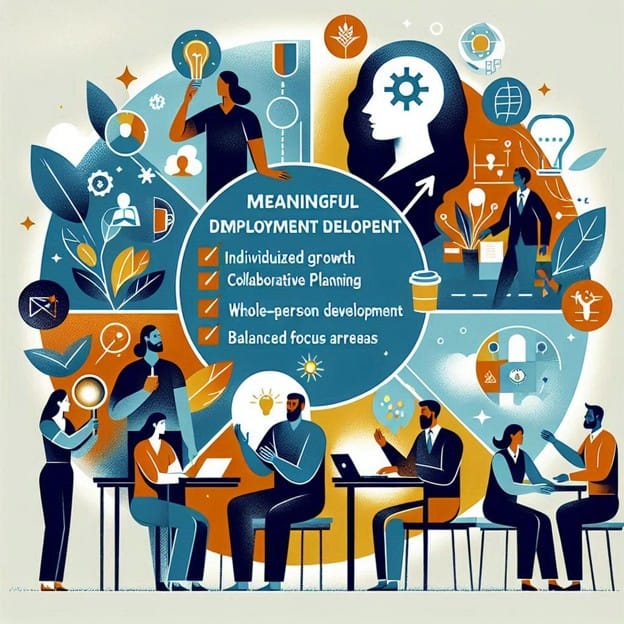
Creating Meaningful Employee Development Plans

In today’s competitive business landscape, organizations that prioritize employee development gain a significant edge. Meaningful development plans don’t just build skills—they create engagement, foster loyalty, and drive organizational performance. When properly aligned with both individual aspirations and company objectives, these plans become powerful tools for cultural transformation.

Why Development Plans Matter More Than Ever

The landscape of employee development has shifted dramatically. According to Gallup, 87% of millennials rate “professional or career growth and development opportunities” as important in their job. Yet only 29% of employees are satisfied with their organization’s career advancement opportunities. This disconnect represents both a challenge and an opportunity for forward-thinking leaders.

As I explore in “Mastering a High-Value Company Culture,” development planning sits at the intersection of organizational needs and individual fulfillment. When employees see a clear path for growth within your organization, they invest more deeply in their work and your mission. Their development becomes a shared journey rather than a transactional arrangement.

Beyond the Annual Review: Reimagining Development Planning

Traditional development plans often fall short because they’re treated as administrative requirements rather than strategic investments. A high-value approach transforms this process into several key ways:

1. From Standardized to Individualized

Every employee brings unique strengths, aspirations, and potential contributions. Effective development plans recognize this diversity:

  • Strengths-based focus: Build plans around expanding what employees already do well
  • Personal growth objectives: Connect development to what truly motivates each individual
  • Customized learning pathways: Create flexible approaches that accommodate different learning styles and preferences

2. From Manager-driven to Collaborative

Employees who co-create their development plans show dramatically higher levels of engagement:

  • Shared ownership: Involve employees in every stage of planning and implementation
  • Regular dialogue: Replace annual discussions with ongoing conversations
  • Multi-directional input: Gather feedback from peers, customers, and cross-functional partners

3. From Skills-only to Whole-person Development

High-value organizations recognize that growth extends beyond technical capabilities:

  • Leadership development at all levels: Build leadership capabilities regardless of formal position
  • Cultural competencies: Develop the behaviors that align with organizational values
  • Life integration skills: Support well-being and sustainable performance

Case Study: Transformation at MidwestTech

MidwestTech, a 500-employee manufacturing company, struggled with high turnover among their most promising talent. Exit interviews consistently revealed the same issue: limited growth opportunities. Their traditional approach to development—annual reviews with standardized training plans—wasn’t meeting employee expectations or business needs.

Working with leadership, we implemented a comprehensive development framework that:

  1. Aligned individual development with strategic priorities: Each department identified critical capabilities needed for future success
  2. Created growth paths beyond traditional promotion: Established technical expert tracks alongside management tracks
  3. Implemented quarterly development conversations: Trained managers to facilitate regular, meaningful discussions about growth
  4. Established learning cohorts: Connected employees with similar development goals across departments
  5. Measured and recognized development progress: Celebrated growth milestones alongside performance achievements

The results were remarkable. Within 18 months, voluntary turnover decreased by 37%, internal mobility increased by 42%, and employee engagement scores related to growth and development improved by 28 percentage points. Most importantly, managers reported higher team performance and innovation as employees applied their newly developed skills.

The Five Elements of Meaningful Development Plans

In “High-Value Leadership: Transforming Organizations Through Purposeful Culture,” I outline five essential components that transform ordinary development plans into powerful growth engines:

1. Clear Connection to Purpose

Development becomes meaningful when employees understand how their growth contributes to something larger:

  • Explicitly connect development goals to organizational mission
  • Help employees articulate their personal purpose and values
  • Create opportunities to see the impact of newly developed capabilities

2. Balanced Focus Areas

Comprehensive development plans address multiple dimensions:

  • Technical expertise: Role-specific skills and knowledge
  • Leadership capabilities: Influence, decision-making, and people development
  • Cultural embodiment: Living and promoting organizational values
  • Personal effectiveness: Time management, resilience, and work-life integration

3. Achievable Stretch Goals

Effective development plans balance challenge with attainability:

  • Set goals in the “learning zone”—beyond comfort but short of overwhelming
  • Break larger development objectives into manageable milestones
  • Establish clear metrics for measuring progress

4. Diverse Learning Approaches

People learn differently, and development plans should reflect this diversity:

  • Experiential learning: Projects, stretch assignments, and rotations (70%)
  • Social learning: Mentoring, coaching, and peer collaboration (20%)
  • Formal learning: Training, education, and structured programs (10%)

This 70-20-10 model ensures that development extends beyond classroom training into real-world application.

5. Accountability and Support Systems

Development plans thrive with the right infrastructure:

  • Regular progress check-ins with managers and mentors
  • Resources allocated specifically for development activities
  • Recognition and celebration of growth milestones
  • Feedback mechanisms to refine approaches

Implementing Different Contexts

The core principles of meaningful development planning apply across organizations, but implementation should be tailored to your specific context:

For Small Businesses:

  • Leverage cross-training to build versatility
  • Create mentoring partnerships with other small businesses
  • Use industry associations and online learning platforms for specialized development

For Remote/Hybrid Teams:

  • Schedule consistent virtual development conversations
  • Create digital learning communities
  • Use technology to make development activities visible
  • Ensure equal access to growth opportunities regardless of location

For Highly Regulated Industries:

  • Balance compliance requirements with creative development
  • Create development paths that build both technical expertise and innovation skills
  • Use scenario planning to prepare for regulatory evolution

Measuring Development Plan Effectiveness

How do you know if your development planning approach is working? Look beyond completion metrics to measure real impact:

  • Application rates: How often are new skills being applied?
  • Internal mobility: Are employees moving into new roles that leverage their development?
  • Innovation metrics: Has development led to new ideas and approaches?
  • Engagement scores: Are employees more connected to their work and the organization?
  • Leadership pipeline strength: Are you developing future leaders at all levels?
  • Knowledge sharing: Is learning spreading throughout the organization?

These metrics provide a more comprehensive view of development effectiveness than traditional measures like training hours or completion rates.

Overcoming Common Obstacles

Even with the best intentions, organizations often encounter challenges in implementing meaningful development plans:

Time Constraints

Solution: Integrate development into everyday work rather than treating it as a separate activity. Look for projects that accomplish business goals while building new capabilities.

Manager Capability Gaps

Solution: Provide managers with development planning toolkits, conversation guides, and coaching in how to support growth effectively.

Budget Limitations

Solution: Emphasize no cost or low-cost development approaches like stretch assignments, peer learning groups, and internal mentoring.

Lack of Visible Opportunities

Solution: Create transparency around future organizational needs and potential growth paths, even when traditional promotions are limited.

Taking Action: Next Steps for Leaders

To enhance your organization’s approach to employee development:

  1. Audit your current process: How effective are your current development planning practices? What’s working and what’s not?
  2. Build manager capability: Equip your leaders with the skills to facilitate meaningful development conversations.
  3. Create development resources: Compile growth opportunities, learning resources, and potential development paths.
  4. Align systems and culture: Ensure that your performance management, recognition, and promotion practices support development.
  5. Start small but meaningful: Implement improvements with a pilot group before scaling across the organization.

Questions for Reflection

  1. How well do your current development plans connect to both individual aspirations and organizational needs?
  2. What percentage of development in your organization happens through experience, relationships, and formal training?
  3. How effectively do your managers facilitate meaningful development conversations?
  4. What signals do employees receive about the value of development in your culture?
  5. How might you need to evolve your approach to development planning for different generations, work arrangements, or career stages?

Ready to transform your approach to employee development?

At Che’ Blackmon Consulting, we specialize in creating development frameworks that align with your organizational culture while unleashing individual potential. Our proven methodology helps create meaningful growth experiences that drive engagement, retention, and performance.

Contact us today at admin@cheblackmon.com or 888.369.7243 to schedule a consultation and discover how strategic development planning can unlock, empower, and transform your organization.

#EmployeeDevelopment #TalentRetention #LeadershipDevelopment #CareerGrowth #ProfessionalDevelopment #EmployeeEngagement #WorkplaceCulture #TalentManagement

Onboarding for Culture Fit and Success

When a new employee joins your organization, their first days and weeks set the tone for their entire journey with you. Strategic onboarding isn’t just about paperwork and procedures—it’s about cultural immersion, relationship building, and laying the groundwork for long-term success and engagement.

The Critical Importance of Onboarding

Onboarding represents a pivotal moment in the employee lifecycle. Research from the Society for Human Resource Management shows that effective onboarding improves employee retention by 82% and productivity by over 70%. Yet many organizations still treat it as a mere administrative process rather than a strategic opportunity to build alignment with organizational culture.

As I detail in my book “Mastering a High-Value Company Culture,” the onboarding period is where the seeds of cultural understanding are planted. This is when new team members begin to grasp not just what work they’ll do, but how work happens in your organization—the unwritten rules, values in action, and behavioral expectations that define your culture.

Beyond the Basics: Culture-Centered Onboarding

Traditional onboarding focuses on four basic elements: compliance, clarification, culture, and connection. While all four matter, high-value organizations place special emphasis on the latter two. Here’s why this matters and how to implement it effectively:

1. Pre-boarding: Setting the Stage

The cultural onboarding process should begin before day one. Consider these practices:

  • Send a welcome package that reflects your organizational values
  • Provide access to cultural materials like your vision statement, team bios, and recent successes
  • Connect new hires with their future team members through virtual meet-and-greets
  • Assign a “culture buddy” who can serve as an informal guide

2. Immersive First Impressions

First days should balance practical necessities with meaningful cultural experiences:

  • Begin with a welcome from leadership that explicitly connects daily work to your organization’s purpose and values
  • Include interactive sessions where new hires can experience your culture in action
  • Create opportunities for authentic relationship-building, not just surface-level introductions
  • Structure the day to reflect your cultural priorities (Is innovation core to your culture? Include a brainstorming activity. Is work-life balance important? End the day at a reasonable hour.)

3. Structured Culture Learning

Develop specific learning opportunities focused on cultural understanding:

  • Create case studies that demonstrate how your values guide decision-making
  • Develop interactive scenarios that allow new hires to practice applying your cultural principles
  • Share stories that illustrate your culture’s evolution and key moments
  • Provide opportunities to ask questions and explore cultural nuances in a safe environment

Case Study: FlexTech’s Culture-First Approach

FlexTech, a mid-sized software company, transformed their onboarding approach after realizing high turnover rates among new employees who struggled to integrate with their fast-paced, collaborative culture.

Their solution? A “cultural immersion sprint” where new hires spend their first two weeks rotating through different teams, participating in mini-projects that showcase the company’s values in action. New employees experience the company’s commitment to innovation by participating in their “Friday Experiments” sessions, witness their dedication to customer-centricity by shadowing customer success calls, and build cross-departmental relationships through structured collaboration activities.

The results were impressive: 90-day turnover dropped by 45%, time-to-productivity decreased by nearly three weeks, and employee engagement scores for new hires increased significantly. Most importantly, new team members reported feeling a stronger connection to the company’s mission and a clearer understanding of “how things work around here.”

Measuring Onboarding Effectiveness

As outlined in “High-Value Leadership: Transforming Organizations Through Purposeful Culture,” what gets measured gets managed. To evaluate your cultural onboarding effectiveness, track:

  • Cultural alignment assessments (30, 60, 90 days after hire)
  • Retention rates for new employees compared to historical data
  • Time to full productivity
  • New hire engagement scores
  • Feedback from hiring managers on cultural integration
  • Quality of connections formed during onboarding

Remember that cultural onboarding success isn’t just about short-term satisfaction—it should translate to long-term alignment, performance, and retention.

Tailoring Onboarding to Different Personalities

A high-value approach recognizes that different individuals absorb culture in different ways. Some practical approaches include:

  • For analytical thinkers: Provide data points that demonstrate how your culture drives business results
  • For relationship-focused individuals: Emphasize connection-building activities and mentorship
  • For hands-on learners: Create experiential activities that allow them to practice cultural norms
  • For big-picture thinkers: Connect daily activities to broader organizational purpose and vision

This personalized approach honors diversity while ensuring everyone receives the cultural context they need to succeed.

Remote and Hybrid Considerations

In today’s evolving workplace, cultural onboarding must adapt to virtual and hybrid environments. Some effective approaches include:

  • Create digital culture guides with interactive elements
  • Schedule virtual coffee chats with team members across the organization
  • Ship welcome packages to remote employees’ homes
  • Develop asynchronous cultural learning modules
  • Use collaborative technology that reflects your cultural values
  • Ensure equal access to cultural experiences for both in-office and remote employees

The key is intentionality—remote onboarding requires even more careful planning to ensure cultural immersion happens effectively.

From Onboarding to Ongoing Cultural Reinforcement

Effective cultural integration doesn’t end after the first few weeks. High-value organizations create ongoing touchpoints:

  • Schedule regular culture check-ins at 30, 60, and 90 days
  • Pair new employees with cultural mentors for their first six months
  • Create opportunities to reflect on cultural experiences and growth
  • Recognize and celebrate examples of cultural alignment
  • Provide feedback on areas where cultural integration could be strengthened

This continuous approach ensures that initial understanding deepens into genuine alignment and embodiment of organizational values.

Taking Action: Next Steps for Leaders

To evaluate and enhance your organization’s cultural onboarding approach:

  1. Audit your current onboarding process: How much emphasis do you place on cultural integration versus administrative tasks?
  2. Gather feedback: Ask recent hires about their experience understanding and integrating with your culture.
  3. Identify gaps: Where are new employees struggling to grasp cultural expectations? What aspects of your culture are unclear?
  4. Develop a cultural onboarding strategy: Create a structured plan that intentionally introduces new hires to your cultural elements.
  5. Train your team: Ensure that everyone involved in onboarding understands their role in cultural transmission.
  6. Implement measurement: Establish metrics to track the effectiveness of your cultural onboarding efforts.

Questions for Reflection

  1. How well does your current onboarding process convey your organization’s values and cultural expectations?
  2. What stories or examples could you incorporate to better illustrate your culture in action?
  3. How do you currently measure cultural integration success for new hires?
  4. What role do your existing team members play in helping new employees understand and adapt to your culture?
  5. How might you need to adapt your cultural onboarding for different roles, departments, or working arrangements?

Ready to transform your onboarding process into a powerful cultural integration experience?

At Che’ Blackmon Consulting, we specialize in creating custom onboarding frameworks that align with your unique organizational culture and values. Our proven methodology helps turn new hires into cultural ambassadors who understand not just what work to do, but how to succeed within your specific environment.

Contact us today at admin@cheblackmon.com or 888.369.7243 to schedule a consultation and unlock the full potential of your onboarding process. Together, we’ll empower your new team members and transform your organization through purposeful cultural integration.

#OnboardingStrategy #CompanyCulture #EmployeeRetention #TalentDevelopment #WorkplaceCulture #HRBestPractices #EmployeeExperience #CultureFit

Building Culture Champions Across Departments

In today’s complex organizational environments, culture cannot be managed solely from the executive suite or HR department. As I explain in “Mastering a High-Value Company Culture,” meaningful cultural transformation requires distributed leadership—individuals throughout the organization who understand, embody, and actively advance the desired culture. These culture champions serve as the vital connective tissue that brings values and purpose to life across different functional areas, hierarchical levels, and geographic locations.

The concept of culture champions isn’t new, but its strategic importance has grown significantly as organizations become more distributed, virtual, and complex. In “High-Value Leadership: Transforming Organizations Through Purposeful Culture,” I emphasize that high-value cultures are built through consistent, aligned behaviors across the entire organization—not just through leadership declarations or policy statements.

This distributed approach to cultural leadership aligns with research showing that employees are 57% more likely to embrace cultural values when they see them modeled by peers rather than just hearing about them from executives. Let’s explore how to identify, develop, and leverage culture champions to create meaningful cultural alignment across your organization.

Why Culture Champions Matter

Before diving into implementation, it’s important to understand the unique value that culture champions bring:

Cultural Translation: They adapt organization-wide values to specific departmental contexts, making them relevant and actionable for their colleagues.

Authentic Modeling: As peers rather than authority figures, they demonstrate that cultural behaviors are realistic and achievable.

Early Warning Systems: They provide valuable feedback about cultural disconnects or implementation challenges before they become widespread issues.

Change Acceleration: Research from McKinsey suggests that change initiatives with robust change agent networks are 3.5 times more likely to succeed than those without such networks.

Cultural Sustainability: They maintain cultural consistency during leadership transitions and organizational changes.

The most effective culture champions aren’t necessarily the most vocal or charismatic team members. Instead, they possess a unique combination of cultural alignment, credibility with peers, and the courage to speak up when values are either honored or compromised.

The Detroit Lions Model: Champions at Every Level

The transformation of the Detroit Lions under Dan Campbell’s leadership, which I discuss in “High-Value Leadership,” provides a compelling example of effective culture champions in action. While Campbell set the overall cultural direction, the team’s remarkable turnaround was fueled by champions at every level of the organization.

Campbell intentionally identified and developed what he called “standard bearers”—players and staff who exemplified the team’s cultural values of grit, resilience, and teamwork. These individuals weren’t just star performers; they were selected for their influence with peers and their commitment to the team’s cultural vision.

What made the Lions’ approach particularly effective was the distribution of these champions across different position groups, experience levels, and functional areas. Veterans modeled the culture for rookies, while support staff reinforced the same values in their interactions with players. This multi-level approach created consistent cultural messaging from all directions.

One player noted: “In previous teams, there was often a disconnect between what coaches said about culture and what actually happened in the locker room. Here, our culture is reinforced by the guys next to you. When your teammates hold the standard, it’s much more powerful than when it just comes from the top.”

Identifying Potential Culture Champions

Developing an effective culture champion network begins with identifying the right people. Here are key criteria to consider:

1. Credibility with Peers

Culture champions must have the respect and trust of their colleagues to be effective. This credibility might come from expertise, tenure, relationship skills, or demonstrated character.

Identification Strategy:

  • Conduct social network analysis to identify informal influencers
  • Observe who colleagues naturally turn to for guidance or support
  • Look for individuals who mentor others without formal responsibility
  • Gather peer nomination data through anonymous surveys

2. Values Alignment

Effective champions must genuinely embrace the organization’s values and purpose, demonstrating them consistently in their work and interactions.

Identification Strategy:

  • Observe how potential champions respond to challenging situations
  • Look for natural alignment between their personal values and organizational values
  • Assess consistency between their words and actions
  • Notice who speaks up to defend or promote cultural values in discussions

Expert Insight: According to culture researcher Edgar Schein, the most effective culture carriers are those who have experienced personal success through behaviors aligned with the desired culture. Their advocacy comes from authentic belief rather than compliance.

3. Communication Capability

While champions don’t need to be extroverts, they do need the ability to articulate cultural values and translate them into concrete behaviors.

Identification Strategy:

  • Look for individuals who can explain “why” behind processes and decisions
  • Observe who effectively translates complex concepts into simple language
  • Notice who asks clarifying questions in discussions about values and expectations
  • Identify those who can adapt their communication style to different audiences

4. Courageous Voice

Champions must be willing to speak up—both to celebrate when values are honored and to address situations when they’re compromised.

Identification Strategy:

  • Notice who respectfully addresses behaviors that don’t align with values
  • Identify those who take stands on issues of principle, even when uncomfortable
  • Look for individuals who raise important issues others avoid
  • Observe who provides constructive feedback to colleagues at all levels

Case Study: Healthcare System Champions

A healthcare system I worked with was struggling to create consistent patient experience across multiple facilities with different historical cultures. Their champion identification process included an innovative “values in action” approach where staff members could recognize colleagues who exemplified specific cultural values.

Analysis of a year’s nominations revealed unexpected champions, including environmental services staff, schedulers, and technical specialists who weren’t in formal leadership roles but had tremendous cultural influence. These individuals became the core of a cross-functional champion network that drove significant improvements in patient experience scores.

One particularly effective champion was a radiology technician who had been with the organization for over 20 years. Without formal authority, she had become the cultural compass for her department, consistently demonstrating and reinforcing patient-centered behaviors. When asked how she approached this role, she explained: “I just believe that we’re here to make a difference in patients’ lives. When I see someone living with that value, I make sure they know it matters. And when I see someone forgetting it, I remind them why we’re here.”

Developing Effective Culture Champions

Identifying potential champions is just the first step. To maximize their impact, organizations must intentionally develop their capabilities and create systems for their success.

1. Knowledge and Understanding

Ensure champions have deep knowledge of the organization’s culture—not just the stated values, but the underlying rationale and desired behaviors.

Development Strategy:

  • Provide immersive learning experiences about the organization’s purpose and values
  • Create opportunities for dialogue with senior leaders about cultural priorities
  • Develop simple, memorable ways to articulate cultural principles
  • Share case studies that bring cultural values to life

2. Champion-Specific Skills

Equip champions with the unique skills they need to influence culture effectively.

Development Strategy:

  • Train in peer coaching techniques
  • Develop facilitation skills for values-based discussions
  • Build capability in providing behavioral feedback
  • Enhance storytelling abilities to share culture-reinforcing narratives

3. Community Building

Create connections between champions to strengthen their collective impact and provide mutual support.

Development Strategy:

  • Establish regular champion forums for sharing experiences and strategies
  • Create digital spaces for ongoing collaboration
  • Pair experienced champions with newer ones for mentoring
  • Facilitate cross-functional learning between champions

Current Trend: Leading organizations are implementing digital platforms specifically designed for culture champion communities. These platforms enable champions to share success stories, troubleshoot challenges, and access resources that support their role.

4. Recognition and Support

Acknowledge the important contribution champions make and provide the support they need to be effective.

Development Strategy:

  • Recognize champion contributions through formal and informal channels
  • Allocate specific time for champion activities
  • Provide resources for team culture-building initiatives
  • Create access to leadership for guidance and escalation when needed

Case Study: Technology Company Champion Development

A technology company struggling with cultural fragmentation across engineering, product, and sales teams implemented a comprehensive champion development program called “Cultural Catalysts.”

The program included:

Cultural Immersion: Champions participated in a two-day intensive that deepened their understanding of the company’s history, purpose, and values through storytelling, discussion, and experiential activities.

Skill Building: Monthly development sessions built specific capabilities such as facilitating values-based discussions, providing behavioral feedback, and leading change within peer groups.

Leadership Connection: Quarterly roundtables with senior leaders allowed champions to surface cultural challenges and collaborate on solutions.

Resource Allocation: Champions received a dedicated budget for team culture-building initiatives and were allocated 10% of their work time for champion activities.

Within a year of implementation, employee survey data showed significant improvements in cultural alignment across previously fragmented departments. Cross-functional collaboration increased by 37%, and retention of high performers improved by 23%.

Activating Culture Champions Effectively

Once identified and developed, champions need clear direction and support to maximize their impact.

1. Focused Culture Initiatives

Give champions specific, time-bound initiatives to lead rather than general cultural responsibility.

Implementation Strategy:

  • Creating 60 or 90-day “culture sprints” focused on specific aspects of culture
  • Provide clear objectives and success measures for each initiative
  • Develop implementation toolkits with ready-to-use resources
  • Establish regular checkpoints to assess progress and provide support

2. Integration with Existing Processes

Rather than creating separate “culture work,” help champions integrate cultural elements into existing business processes.

Implementation Strategy:

  • Identify key business processes that could better reflect cultural values
  • Train champions to facilitate values-based discussions within operational meetings
  • Develop cultural lenses for reviewing significant decisions or plans
  • Create simple ways to incorporate cultural elements into daily work

Expert Insight: According to research by the Barrett Values Centre, culture initiatives are 4.5 times more likely to succeed when they are integrated into existing processes rather than implemented as separate programs.

3. Multi-Channel Influence

Equip champions to influence culture through multiple channels appropriate to their context.

Implementation Strategy:

  • Develop a menu of influence options ranging from one-on-one conversations to team activities
  • Creating shareable content champions can customize for their teams
  • Provide discussion guides for specific cultural topics
  • Establish regular forums for culture-focused conversations

4. Feedback Loops

Create mechanisms for champions to share insights and challenges with leadership.

Implementation Strategy:

  • Establish regular champion advisory sessions with senior leaders
  • Implement “cultural pulse” reporting from champions
  • Create escalation pathways for systemic cultural issues
  • Develop metrics for tracking champion impact and cultural progress

Current Trend: Leading organizations are implementing “culture champion councils” that meet quarterly with executive leadership to share frontline cultural insights and collaborate on solutions to emerging challenges.

Implementation Framework

Implementing an effective culture champion network requires a phased approach:

Phase 1: Foundation (4-6 weeks)

  • Define champion roles and responsibilities
  • Establish selection criteria
  • Create an initial identification process
  • Develop leadership alignment around champion approach

Phase 2: Identification and Recruitment (4-8 weeks)

  • Identify potential champions using multiple data sources
  • Conduct selection conversations
  • Create initial champion cohort
  • Establish baseline measurements for cultural metrics

Phase 3: Development and Activation (8-12 weeks)

  • Implement champion orientation and training
  • Create champion community structure
  • Launch initial culture initiatives
  • Establish support and guidance mechanisms

Phase 4: Sustainability (Ongoing)

  • Implement regular champion development
  • Create processes for adding new champions
  • Establish recognition for champion contributions
  • Develop metrics for measuring champion impact

Questions for Reflection

As you consider implementing culture champions in your organization, reflect on these questions:

  1. Who are the informal cultural influencers in your organization, and how effectively are you leveraging their impact?
  2. How might you identify potential champions who represent diverse perspectives and departments but share commitment to your desired culture?
  3. What specific skills would champion in your organization need to effectively translate your values into their functional contexts?
  4. How could you integrate champion activities into existing business processes rather than creating separate “culture work”?
  5. What support mechanisms would your champions need to be effective while balancing their primary job responsibilities?
  6. How would you measure the impact of culture champions on your broader cultural transformation goals?

Partner with Che’ Blackmon Consulting

Developing an effective culture champion network requires expertise, intentionality, and a comprehensive approach. At Che’ Blackmon Consulting, we specialize in helping organizations identify, develop, and leverage culture champions to create high-value cultures across diverse functions and locations.

Our Culture Champion Development program provides:

  • Comprehensive assessment of current cultural influence networks
  • Custom-designed champion selection and development approaches
  • Implementation support for champion activation
  • Ongoing guidance and measurement systems

Each engagement is tailored to your organization’s unique challenges and aspirations, guided by the principles of authenticity, inclusion, excellence, innovation, and empowerment that form the foundation of our practice.

To learn how we can help your organization build a powerful network of culture champions, contact us at admin@cheblackmon.com or 888.369.7243.

Building culture champions across departments isn’t merely a nice-to-have cultural initiative—it’s a strategic approach to creating organizational alignment and accelerating transformation. By identifying individuals who naturally influence their peers, equipping them with the skills and resources they need, and activating them around specific cultural priorities, you can create a powerful network that brings your desired culture to life throughout the organization.

#CompanyCulture #CultureChampions #OrganizationalDevelopment #ChangeManagement #LeadershipDevelopment #EmployeeEngagement #CrossFunctionalCollaboration #CulturalTransformation