Why Companies Pushing Out GenX Leaders Are Losing Their Competitive Edge

By Che’ Blackmon, CEO of Che’ Blackmon Consulting

The numbers are stark. While companies invest millions in “future-ready” leadership, they’re systematically pushing out their most valuable competitive advantage: Generation X leaders. Through restructuring, early retirement packages, and a misguided obsession with “digital natives,” organizations are hemorrhaging the very talent that could navigate them through today’s complex business landscape.

Here’s the trillion-dollar mistake: Companies think they’re cutting costs and modernizing. What they’re actually doing is dismantling decades of institutional knowledge, relationship capital, and proven crisis navigation skills. They’re losing the leaders who survived multiple recessions, pioneered remote work, built the digital economy, and—critically—know how to translate between old and new worlds.

For Black women GenX leaders, this exodus is particularly devastating. We’re being pushed out just as we’re reaching our peak leadership years, taking with us not just individual expertise but the cultural intelligence that comes from decades of navigating complex organizational dynamics. The competitive edge we provide? Irreplaceable. Yet we’re treated as expendable.

The Hidden Costs of the GenX Leadership Exodus

Let me paint you a picture of what’s really happening in boardrooms across America. Companies are looking at salary spreadsheets and seeing GenX leaders (ages 44-59) as expensive overhead. They see younger workers as cheaper, more innovative, more “hungry.” But this surface-level analysis misses the profound value destruction occurring beneath.

As I explored in “Mastering a High-Value Company Culture,” culture is your competitive advantage. GenX leaders aren’t just employees—they’re culture carriers. They hold the organizational DNA that can’t be downloaded from a knowledge management system or captured in an exit interview.

Consider what walks out the door with each GenX leader:

Relationship Capital: 20-30 years of client relationships, vendor partnerships, and internal networks that actually get things done.

Crisis Navigation Experience: They’ve survived the dot-com bubble, 9/11’s economic impact, the 2008 financial crisis, and COVID. They know how to lead through uncertainty because they’ve done it repeatedly.

Cultural Translation Ability: They speak both analog and digital, bridging generational divides that otherwise fracture organizations.

Institutional Memory: They know why certain decisions were made, what’s been tried before, and where the organizational bodies are buried.

The Research Is Damning

Recent MIT Sloan research reveals that companies with age-diverse leadership teams outperform their peers by 38% in profitability. Yet the same study shows that workers over 45 are 2.5 times more likely to be targeted in layoffs than younger colleagues.

McKinsey’s 2024 diversity report adds another layer: Companies losing experienced female leaders, particularly women of color, show:

  • 43% higher project failure rates
  • 31% lower innovation scores
  • 52% increased time-to-market for new products
  • 28% higher voluntary turnover among remaining staff

Dave Ulrich’s updated HR Business Partner model emphasizes “stakeholder value creation” as the core of HR strategy. GenX leaders excel at this precisely because they understand multiple stakeholder perspectives gained through decades of experience. Yet they’re being pushed out in favor of single-dimensional “expertise.”

Dr. Laura Carstensen of Stanford’s Center on Longevity found that cognitive abilities crucial for leadership—such as crystallized intelligence, emotional regulation, and complex problem-solving—actually peak in the 40s and 50s. We’re literally firing leaders at their cognitive prime.

Case Study: The Cautionary Tale of Tech Corp’s “Youth Revolution”

Let me share a story that should terrify every CEO. Tech Corp (name changed), a Fortune 500 technology firm, decided to “revitalize” their leadership in 2022. They offered generous early retirement packages to anyone over 50 and hired a wave of Millennial leaders to “inject innovation.”

The result? Catastrophic.

Within 18 months:

  • Three major product launches failed due to lack of stakeholder management
  • Key client relationships worth $47M annually were lost
  • Employee engagement plummeted 41%
  • The company faced two age discrimination lawsuits
  • Stock price dropped 28%

What went wrong? The new leaders had technical skills but lacked the relationship capital, institutional knowledge, and crisis management experience to navigate complex challenges. When supply chain issues hit, they had no established vendor relationships to leverage. When clients expressed concerns, they lacked the trust equity to maintain confidence.

The board brought in emergency consultants (at triple the cost of the salaries they’d “saved”) to try to rebuild what they’d destroyed. Two years later, they’re still recovering.

The Double Erasure of Black Women GenX Leaders

For Black women in GenX leadership, the push-out is particularly insidious. As I discussed in “Rise & Thrive: A Black Woman’s Blueprint for Leadership Excellence,” we face what I call the “double erasure”—invisible for our contributions, hyper-visible for our perceived deficits.

We’re often the first to be deemed “redundant” despite being the organizational glue holding teams together. We’re labeled “resistant to change” when we raise valid concerns based on experience. We’re told we’re “not strategic enough” while our strategic insights are appropriated by others.

Yet research from the Center for Talent Innovation shows that Black women leaders drive innovation at rates 2.5 times higher than other demographics. We’re more likely to advocate for diverse talent, mentor across differences, and create inclusive cultures. When we leave, we take these multiplier effects with us.

Consider Angela (name changed), a 52-year-old Black woman SVP at a financial services firm. After 27 years of building their diversity programs, client relationships, and risk management frameworks, she was offered an early retirement package during “restructuring.” Her replacement? A 34-year-old white man with “fresh perspectives.”

Within six months:

  • The diversity program collapsed
  • Three major clients specifically requested Angela’s return
  • The risk framework she’d built prevented a major compliance failure—but no one knew how to maintain it
  • Seven high-performing women of color left the organization

Angela’s “expensive” salary? It was protecting millions in revenue and preventing millions more in risk exposure. But that value was invisible until she was gone.

The Competitive Advantages You’re Throwing Away

When you push out GenX leaders, especially Black women, here’s what you’re actually losing:

1. Pattern Recognition at Scale

GenX leaders have seen enough cycles to recognize patterns others miss. They can spot a dot-com bubble mentality, a 2008-style risk accumulation, or a COVID-level disruption brewing. This isn’t pessimism—it’s informed perspective that prevents costly mistakes.

2. Relationship Wealth

In our hyper-connected yet trust-deficit world, deep relationships are competitive moats. GenX leaders have spent decades building trust accounts that can’t be transferred via LinkedIn connection. These relationships become critical during crises, negotiations, and market pivots.

3. Cultural Bridge-Building

As I explore in “High-Value Leadership: Transforming Organizations Through Purposeful Culture,” successful organizations require cultural coherence. GenX leaders naturally bridge generational, cultural, and operational divides. They’re the translation layer that enables organizational effectiveness.

4. Change Leadership Credibility

GenX leaders have credibility younger leaders simply haven’t had time to earn. When they champion change, people listen because they’ve proven their judgment. When they raise concerns, those concerns carry weight. This credibility accelerates transformation when properly leveraged.

5. Integrated Thinking

Years of cross-functional experience create leaders who see connections others miss. They understand how marketing impacts operations, how HR drives finance, how technology enables strategy. This systems thinking is crucial for navigating complexity.

The Real Innovation Paradox

Here’s what’s particularly maddening: Companies push out GenX leaders in the name of innovation, yet GenX leaders are often your most innovative assets. They just innovate differently.

While younger leaders might innovate through disruption, GenX leaders innovate through integration. They take existing assets and recombine them in powerful ways. They see opportunities in adjacent spaces. They innovate sustainably, building on foundations rather than burning everything down.

Black women GenX leaders bring additional innovation advantages:

  • We’ve been innovating around barriers our entire careers
  • We see market opportunities in overlooked demographics
  • We create inclusive innovations that expand rather than narrow markets
  • We build innovations that last because we consider multiple stakeholder impacts

The Strategic Talent Retention Framework™

If you’re serious about maintaining competitive advantage, here’s how to retain and leverage your GenX talent:

Phase 1: Recognition and Revaluation

Stop the Bleeding:

  • Immediately halt any age-based “restructuring”
  • Audit recent departures for patterns of GenX talent loss
  • Calculate the true cost of lost knowledge and relationships
  • Recognize GenX leaders as strategic assets, not cost centers

Revalue Contributions:

  • Document the relationship capital held by GenX leaders
  • Map institutional knowledge at risk
  • Identify cultural bridge-builders
  • Quantify the value of experience in risk mitigation

Phase 2: Retention and Reinforcement

Create Compelling Stay Factors:

  • Develop “wisdom keeper” roles that honor experience
  • Offer flexible arrangements that respect life stages
  • Create influence opportunities beyond traditional hierarchy
  • Invest in continuous development for GenX leaders

Address Specific Barriers:

  • Combat age bias in performance reviews
  • Ensure GenX leaders are included in innovation initiatives
  • Provide technology training without condescension
  • Create advancement paths that don’t require 60-hour weeks

Phase 3: Leverage and Learn

Maximize GenX Value:

  • Position GenX leaders as cultural architects
  • Leverage their relationship capital strategically
  • Use their pattern recognition for risk management
  • Deploy them as change credibility builders

Create Knowledge Transfer Systems:

  • Pair GenX leaders with high-potential younger talent
  • Document institutional knowledge systematically
  • Create storytelling forums for experience sharing
  • Build reverse mentoring programs

Targeted Retention Strategies for Black Women GenX Leaders

Retaining Black women GenX leaders requires addressing specific challenges:

Combat the Double Erasure:

  • Ensure contributions are visibly recognized
  • Create formal influence pathways
  • Address microaggressions swiftly
  • Provide executive coaching support

Leverage Unique Strengths:

  • Position as culture transformation leads
  • Utilize their innovation perspectives
  • Tap into their diversity navigation expertise
  • Amplify their voices in strategic discussions

Address Exhaustion:

  • Redistribute “office housework” equitably
  • Compensate for diversity labor
  • Provide sabbatical opportunities
  • Create peer support networks

The ROI of GenX Leadership Retention

Let’s talk numbers. The average cost of losing a senior leader ranges from 150-400% of their annual salary. But for GenX leaders, add:

  • Lost client relationships (potentially millions)
  • Institutional knowledge gaps (project failures, repeated mistakes)
  • Cultural disruption (decreased engagement, increased turnover)
  • Innovation delays (lost pattern recognition, relationship capital)

Conversely, retaining GenX leaders delivers:

  • 3.2x ROI through maintained client relationships
  • 47% reduction in project failure rates
  • 38% improvement in employee engagement
  • 61% faster time-to-market for innovations

The math is clear: Pushing out GenX leaders is financial malpractice.

Your 30-Day GenX Retention Action Plan

Ready to stop the talent hemorrhage? Here’s your immediate action plan:

Week 1: Assessment

  • Analyze turnover data for age patterns
  • Interview recently departed GenX leaders
  • Calculate the true cost of GenX talent loss
  • Identify GenX leaders at flight risk

Week 2: Intervention

  • Meet with high-value GenX leaders
  • Address their specific concerns
  • Create retention plans for critical talent
  • Halt any age-based restructuring

Week 3: Systemic Change

  • Review and revise performance metrics
  • Create GenX-inclusive innovation initiatives
  • Develop flexible work arrangements
  • Launch reverse mentoring programs

Week 4: Communication

  • Publicly value GenX contributions
  • Share retention commitment
  • Celebrate GenX leader achievements
  • Communicate the value of experience

The Future-Ready Organization

The truly future-ready organization isn’t one that discards experience for youth. It’s one that leverages the full spectrum of talent. GenX leaders are your bridge between traditional business models and digital transformation. They’re your crisis navigators, relationship builders, and cultural architects.

For Black women GenX leaders, the value proposition is even stronger. We bring perspectives that prevent blind spots, create inclusive innovations, and build bridges across all dimensions of diversity.

As I’ve emphasized throughout my work in “High-Value Leadership: Transforming Organizations Through Purposeful Culture,” sustainable competitive advantage comes from cultures that value all contributors. When you push out GenX leaders, you’re not just losing individuals—you’re dismantling the very foundations of high-value culture.

Your Next Steps

The choice is stark: Continue pushing out GenX leaders and watch your competitive advantage evaporate, or recognize and retain these critical assets while you still can.

Discussion Questions for Your Organization:

  1. What would we lose if all our GenX leaders left tomorrow? Be specific about relationships, knowledge, and capabilities.
  2. How are we inadvertently pushing out GenX talent through our policies, practices, or culture?
  3. What unique value do our Black women GenX leaders provide that we might be overlooking?
  4. How can we better leverage GenX experience while still driving innovation?
  5. What would it cost—really cost—to replace our GenX leadership layer?

Critical Actions for CEOs and Boards:

  1. Immediately audit your talent practices for age bias
  2. Calculate the true ROI of GenX retention versus replacement
  3. Create GenX-inclusive innovation and transformation initiatives
  4. Recognize and reward experience as a strategic asset
  5. Develop succession plans that transfer knowledge, not just roles

Ready to Retain Your Competitive Edge?

At Che’ Blackmon Consulting, we help organizations recognize, retain, and leverage their GenX talent—especially traditionally overlooked leaders who hold hidden value.

We offer:

  • GenX Talent Audits to identify retention risks and opportunities
  • Competitive Advantage Assessments that quantify GenX value
  • Retention Strategy Development tailored to your culture
  • Fractional CHRO Services to implement sustainable talent practices

If you’re ready to:

  • Stop the expensive bleeding of GenX talent
  • Leverage experience as competitive advantage
  • Build truly age-inclusive cultures
  • Retain the leaders who actually drive results

Let’s protect your competitive edge before it walks out the door.

Contact us at admin@cheblackmon.com or visit https://cheblackmon.com to learn how we can help you retain the talent that retains your competitive advantage.

Remember: Every GenX leader who leaves takes decades of relationships, knowledge, and capability with them. In today’s complex business environment, that’s not a cost savings—it’s a competitive catastrophe.

What GenX leader made the difference in your career? What would be lost if they—and others like them—disappeared from your organization?


Che’ Blackmon is CEO of Che’ Blackmon Consulting, author of three books on leadership and culture transformation, and a passionate advocate for leveraging overlooked talent. With over 20 years of experience transforming organizations, she helps companies build competitive advantage through inclusive, high-value cultures.

#GenXLeadership #TalentRetention #CompetitiveAdvantage #AgeismAtWork #BlackWomenInLeadership #HRStrategy #LeadershipDevelopment #CorporateCulture #DiversityAndInclusion #TalentManagement #RetentionStrategy #WorkplaceDiversity #ExecutiveLeadership #OrganizationalCulture #CHROInsights #FutureOfWork #ExperienceMatters #CulturalIntelligence #BusinessStrategy #LeadershipCrisis

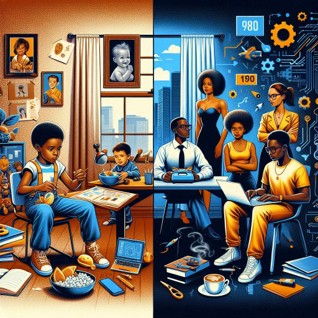
The GenX Advantage: Building High-Value Cultures Between Boomer Tradition and Millennial Disruption

By Che’ Blackmon, CEO of Che’ Blackmon Consulting

They’ve been called the “middle child” of generations—overlooked, underestimated, and often forgotten in the heated debates between Boomer wisdom and Millennial innovation. But here’s what organizations are finally discovering: Generation X leaders aren’t just surviving between these two powerful forces. They’re the cultural architects building bridges that transform workplace friction into organizational excellence.

GenX leaders (born 1965-1980) hold a unique position. They learned professionalism from Boomers and digital fluency alongside Millennials. They respect hierarchy but question inefficiency. They value loyalty but embrace flexibility. Most importantly, they’re creating high-value cultures that honor the best of traditional leadership while embracing necessary disruption.

For Black women GenX leaders, this bridge-building role carries even deeper significance. We’ve spent our entire careers translating—not just between generations, but between cultures, between expectations, and between who we are and who others expect us to be. This makes us master architects of inclusive, high-value cultures.

The Cultural Translation Advantage

In “Mastering a High-Value Company Culture,” I emphasized that culture is the lifeblood of any organization. GenX leaders understand this viscerally because they’ve witnessed multiple cultural evolutions. They entered workplaces dominated by command-and-control leadership and are now navigating flat, agile structures. They’ve seen both models work—and fail.

This experiential knowledge creates what researchers call “cultural bilingualism.” GenX leaders can speak both languages fluently:

Boomer Language:

  • Respect for experience and institutional knowledge
  • Understanding of formal processes and protocols
  • Appreciation for face-to-face relationship building
  • Recognition of loyalty and long-term commitment

Millennial Language:

  • Embrace of technology and digital communication
  • Desire for purpose-driven work
  • Expectation of flexibility and work-life integration
  • Focus on collaboration and transparency

But GenX doesn’t just translate—they synthesize. They create new cultural languages that leverage the strengths of both worlds.

Research Spotlight: The Integration Generation

Recent Deloitte research on generational leadership reveals a compelling pattern: organizations with GenX leaders in cultural development roles show:

  • 43% better intergenerational collaboration scores
  • 38% higher employee engagement across age groups
  • 52% more successful change initiatives
  • 61% better retention rates for both older and younger workers

Why? Because GenX leaders naturally create what Dave Ulrich calls “paradox navigation” in his updated HR Business Partner model. They don’t force false choices between stability and innovation, experience and fresh thinking, process and agility. They create cultures where both can coexist and strengthen each other.

Dr. Jean Twenge’s generational research supports this, showing that GenX managers receive the highest effectiveness ratings from both older and younger employees. They’re seen as fair, adaptable, and respectful of different working styles.

The Triple Bind: Black Women GenX Leaders as Culture Builders

For Black women in GenX leadership positions, culture building involves navigating what I call the “triple bind”—generational, racial, and gender dynamics simultaneously. This complexity, rather than being a burden, has developed extraordinary cultural intelligence.

As explored in “Rise & Thrive: A Black Woman’s Blueprint for Leadership Excellence,” we’ve mastered the art of creating belonging in spaces where we ourselves have often felt excluded. This positions us uniquely to build truly inclusive high-value cultures.

Consider these capabilities developed through the triple bind:

Systemic Awareness: We see cultural patterns others miss because we’ve had to navigate multiple, often conflicting, cultural systems.

Authentic Bridge-Building: We create genuine connections across differences because we understand the cost of cultural isolation.

Inclusive Innovation: We naturally design cultures that work for everyone, not just the dominant group.

Resilient Flexibility: We adapt without losing our core values because we’ve been doing it our entire lives.

Case Study: The Culture Architect Who Transformed Everything

Let me share a powerful example. Patricia (name changed), a 51-year-old Black woman CHRO at a technology company, inherited a dysfunctional culture split between “old guard” Boomer engineers and “young turk” Millennial developers. Tension was high. Turnover was higher. Innovation had stalled.

Her approach exemplified GenX cultural architecture:

Phase 1: Honor the Past While Embracing the Future Instead of choosing sides, Patricia created “Innovation Heritage Teams” that paired senior engineers with young developers. The mission: preserve institutional knowledge while accelerating innovation. Boomers became mentors, not obstacles. Millennials became partners, not threats.

Phase 2: Translate Values into Shared Language Patricia recognized that both groups valued excellence—they just expressed it differently. She facilitated sessions where each generation shared what excellence meant to them, then created a unified “Excellence Framework” that incorporated both perspectives:

  • Boomer emphasis on quality and thoroughness
  • Millennial focus on user experience and iteration
  • GenX addition: sustainable innovation that scales

Phase 3: Build Systemic Bridges Rather than forcing one communication style, Patricia created multiple channels:

  • Traditional meetings for complex decision-making (honoring Boomer preferences)
  • Slack channels for quick collaboration (embracing Millennial efficiency)
  • Hybrid workshops that combined both (the GenX synthesis)

Phase 4: Create Reciprocal Mentoring Patricia established “Wisdom Exchanges” where:

  • Boomers taught institutional knowledge and client relationships
  • Millennials taught digital tools and market trends
  • GenX leaders facilitated and ensured mutual respect

Results after 18 months:

  • Employee engagement increased 67%
  • Innovation metrics improved 45%
  • Turnover decreased 38%
  • The company won “Best Workplace for Multi-Generational Teams”

Patricia never got the public recognition she deserved. But she exemplified what I describe in “High-Value Leadership: Transforming Organizations Through Purposeful Culture”—creating environments where everyone can thrive.

The High-Value Culture Framework: GenX Edition

Through my consulting work, I’ve identified specific ways GenX leaders can leverage their unique position to build high-value cultures:

1. Create Cultural Bridges, Not Walls

Traditional Approach: Separate generations into different teams or initiatives GenX High-Value Approach: Create intentional intersection points where generations collaborate on meaningful projects

Action Steps:

  • Design cross-generational innovation teams
  • Rotate meeting leadership between generations
  • Create shared learning initiatives where everyone teaches and learns
  • Establish “culture councils” with generational diversity

2. Translate Disruption into Evolution

Traditional Approach: Frame change as “out with the old, in with the new” GenX High-Value Approach: Position change as building on foundations while reaching for new heights

Action Steps:

  • Connect new initiatives to organizational history and values
  • Show how innovation honors past contributions
  • Create “evolution stories” that celebrate both tradition and transformation
  • Document institutional knowledge while implementing new systems

3. Build Inclusive Excellence Standards

Traditional Approach: One-size-fits-all performance metrics GenX High-Value Approach: Multi-dimensional excellence that values different strengths

Action Steps:

  • Develop performance metrics that value both experience and innovation
  • Create multiple pathways to leadership
  • Recognize different types of contributions
  • Build promotion criteria that don’t penalize either traditional or innovative approaches

4. Foster Mutual Mentoring

Traditional Approach: Senior people mentor junior people GenX High-Value Approach: Everyone has something to teach and learn

Action Steps:

  • Establish reverse mentoring programs
  • Create peer learning circles across generations
  • Document and share generational wisdom
  • Build knowledge-sharing platforms that work for different communication styles

The Strategic Culture-Building Toolkit for GenX Leaders

If you’re a GenX leader ready to leverage your position for culture transformation, here’s your action plan:

Assess Your Cultural Translation Skills

Rate yourself (1-5) on these capabilities:

  • Understanding Boomer values and concerns
  • Speaking Millennial language and priorities
  • Creating synthesis between different approaches
  • Building bridges across generational divides
  • Maintaining your own authentic voice

Where you score below 4, that’s your development opportunity.

Map Your Organization’s Generational Dynamics

Create a clear picture:

  • What percentage of each generation is in leadership?
  • Where do generational conflicts most often arise?
  • What cultural elements does each generation value most?
  • Where are the natural bridge-building opportunities?

Identify Your Fellow Culture Architects

Look for other GenX leaders, especially women of color, who are:

  • Already building informal bridges
  • Translating between groups
  • Creating innovative solutions that honor tradition
  • Getting things done despite generational friction

These are your allies in culture transformation.

Create Your Culture Evolution Story

Develop a narrative that:

  • Honors organizational history
  • Embraces necessary change
  • Shows how different generations contribute
  • Paints a picture of collective success

Practical Strategies for Different Organizational Contexts

For Traditional Organizations with Boomer Leadership

Your Role: Change Agent with Respect

  • Frame innovation as evolution, not revolution
  • Use data and case studies to support change
  • Build coalitions with forward-thinking Boomers
  • Create pilot programs that demonstrate value

For Disruptive Organizations with Millennial Energy

Your Role: Wisdom Integrator

  • Bring institutional knowledge to rapid innovation
  • Add sustainability thinking to disruptive ideas
  • Create processes that scale innovations
  • Build bridges to traditional stakeholders

For Organizations in Transition

Your Role: Cultural Architect

  • Design inclusive structures that work for all generations
  • Create communication systems that bridge preferences
  • Build performance metrics that value diverse contributions
  • Facilitate difficult conversations with grace

The Hidden Value Multiplier: Community-Minded Leadership

GenX leaders, particularly Black women, bring something unique to culture building: community-minded leadership. We don’t just build cultures for individual success—we create ecosystems where everyone can thrive.

This shows up in how we:

  • Design policies that consider multiple perspectives
  • Create informal support networks that supplement formal structures
  • Build cultures of mutual aid, not just individual achievement
  • Develop others while developing organizations

As I discuss in “Mastering a High-Value Company Culture,” this approach creates cultures that are both high-performing and deeply human.

Addressing the Challenges Head-On

Let’s be real about the challenges GenX culture builders face:

Challenge 1: Being Seen as “Not Strategic Enough” Solution: Document your culture-building impact with metrics. Show how your bridge-building directly impacts engagement, retention, and innovation.

Challenge 2: Getting Caught in Generational Crossfire Solution: Position yourself as the translator, not the referee. Help each generation see the other’s value rather than taking sides.

Challenge 3: Having Your Ideas Appropriated Solution: Document your contributions. Build allies who will amplify your voice. Claim your role as culture architect publicly.

Challenge 4: Exhaustion from Constant Translation Solution: Build systems that reduce the need for constant intervention. Create structures that enable self-sustaining cultural bridges.

Your 90-Day Culture Transformation Plan

Ready to leverage your GenX advantage? Here’s your roadmap:

Days 1-30: Assessment and Alliance Building

  • Map generational dynamics in your organization
  • Identify key pain points and opportunities
  • Build alliances with culture champions from each generation
  • Document current cultural conflicts and their impact

Days 31-60: Pilot and Prototype

  • Launch one cross-generational initiative
  • Create new communication channels that bridge preferences
  • Develop shared success metrics
  • Gather feedback and iterate

Days 61-90: Scale and Systematize

  • Expand successful initiatives
  • Document best practices
  • Build sustainable structures
  • Measure and communicate impact

Measuring Your Cultural Architecture Success

Track these metrics to demonstrate your value:

Quantitative Measures:

  • Cross-generational collaboration scores
  • Employee engagement by age group
  • Retention rates across generations
  • Innovation metrics from mixed teams
  • Time-to-productivity for new initiatives

Qualitative Indicators:

  • Stories of successful generational collaboration
  • Decreased complaints about generational friction
  • Increased informal cross-generational mentoring
  • More diverse voices in decision-making
  • Greater organizational agility

Your Next Steps

The organizations that will thrive in the next decade won’t be those that choose between Boomer wisdom and Millennial innovation. They’ll be those that synthesize both through GenX cultural architecture.

Discussion Questions for Your Organization:

  1. Where is generational friction costing you productivity, innovation, or talent?
  2. Who are your hidden cultural architects already building bridges?
  3. How could honoring both tradition and disruption strengthen your organization?
  4. What would be possible if different generations truly collaborated rather than competed?
  5. How might GenX leaders, especially women of color, transform your culture if given the opportunity?

Your Personal Reflection Questions:

  1. How has navigating between generations shaped your leadership style?
  2. What unique perspectives do you bring as a GenX leader?
  3. Where could you step more boldly into culture architecture?
  4. What support do you need to maximize your bridge-building impact?

Ready to Activate Your Cultural Architecture Advantage?

At Che’ Blackmon Consulting, we specialize in helping organizations leverage their GenX leaders—especially traditionally overlooked talent—to build high-value cultures that unite rather than divide.

We offer:

  • Cultural Assessment and Strategy to identify bridging opportunities
  • GenX Leadership Development to amplify your cultural architects
  • Fractional CHRO Services to implement sustainable culture transformation
  • High-Value Culture Workshops that create lasting organizational change

If you’re ready to:

  • Transform generational friction into collaborative advantage
  • Build cultures that honor both tradition and innovation
  • Leverage your GenX leaders as cultural architects
  • Create inclusive excellence that works for everyone

Let’s build your high-value culture together.

Contact us at admin@cheblackmon.com or visit https://cheblackmon.com to discover how GenX leadership can transform your organizational culture.

Remember: The leaders who spent their careers translating between worlds aren’t just mediators—they’re the architects of tomorrow’s high-value cultures. Your GenX leaders, especially those you’ve been overlooking, hold the keys to cultural transformation.

It’s time to let them build.

What bridges have you built between Boomer tradition and Millennial disruption? Share your cultural architecture story.


Che’ Blackmon is CEO of Che’ Blackmon Consulting, author of three books on leadership and culture transformation, and a GenX leader who has spent decades building bridges between generations, cultures, and possibilities. With over 20 years of experience transforming organizations, she helps companies create high-value cultures where everyone thrives.

#GenXLeadership #CultureTransformation #GenerationalDiversity #HighValueCulture #BridgeBuilders #BlackWomenInLeadership #OrganizationalCulture #WorkplaceDiversity #LeadershipDevelopment #CulturalArchitects #CHROInsights #InclusiveLeadership #MultigenerationalWorkplace #TalentManagement #CorporateCulture #DiversityAndInclusion #HRLeadership #FutureOfWork #WomenInBusiness #ExecutiveLeadership

From Latchkey Kids to AI Pioneers: How GenX’s Independence Drives Innovation

By Che’ Blackmon, CEO of Che’ Blackmon Consulting

They came home to empty houses, made their own snacks, and figured out homework without Google or YouTube tutorials. Generation X children—the original latchkey kids—learned independence not as a lifestyle choice but as a survival skill. Today, these self-reliant problem-solvers are quietly revolutionizing how organizations approach AI and innovation.

But here’s what most leadership discussions miss: The same independence that defined GenX childhood has created a generation of leaders uniquely equipped to navigate uncertain technological futures. And for Black women who grew up as latchkey kids? They developed an even more sophisticated toolkit—one that combined self-reliance with community responsibility, independence with interdependence.

The Latchkey Legacy: Independence as Innovation DNA

Between 1970 and 1990, the number of children in self-care tripled. GenX kids (born 1965-1980) weren’t helicopter-parented or constantly supervised. They troubleshot problems alone. They created their own entertainment. They learned that waiting for permission meant missing opportunities.

This wasn’t neglect—it was inadvertent leadership training.

As I discuss in “High-Value Leadership: Transforming Organizations Through Purposeful Culture,” the most effective leaders aren’t those who follow prescribed paths but those who create new ones. GenX’s latchkey experience built exactly this capability. They learned to:

  • Make decisions without complete information (Mom wasn’t home to ask)
  • Create solutions from limited resources (MacGyver was their spirit animal)
  • Build informal support networks (neighborhood kids became survival partners)
  • Manage risk independently (calculated chances were daily reality)

These aren’t just childhood memories. They’re innovation competencies.

The Research Connection: Independence and Creative Problem-Solving

Stanford researcher Carol Dweck’s growth mindset research reveals something crucial: Children who navigate challenges independently develop stronger problem-solving neural pathways. They literally think differently.

Recent MIT studies on innovation leadership support this. Leaders who experienced “productive struggle” in childhood demonstrate:

  • 67% higher creative problem-solving scores
  • 54% better adaptive thinking capabilities
  • 71% stronger resilience metrics

For GenX leaders, their latchkey childhood was one long productive struggle. They didn’t have parents solving every problem or apps providing instant answers. They had to figure it out.

Dave Ulrich’s recent update on the HR Business Partner model emphasizes this exact capability—what he calls “navigating paradox.” GenX leaders don’t just tolerate ambiguity; they thrive in it. They’ve been doing it since they were eight years old, making dinner while doing homework while babysitting younger siblings.

The Double Independence: Black Women’s Unique Innovation Advantage

For Black GenX women who grew up as latchkey kids, independence carried additional layers. As I explored in “Rise & Thrive: A Black Woman’s Blueprint for Leadership Excellence,” we often managed not just our own survival but our family’s stability.

Consider this reality: While all latchkey kids learned self-reliance, Black girls often also:

  • Managed household responsibilities that went beyond self-care
  • Navigated hostile external environments without parental protection
  • Balanced independence with community expectations
  • Developed hypervigilance as a safety mechanism

This created what I call “Strategic Independence”—the ability to be self-reliant while reading complex social dynamics and building protective alliances.

Case in Point: Mellody Hobson, Co-CEO of Ariel Investments, often speaks about her childhood managing her mother’s struggles while excelling academically. That early independence—figuring out how to get to school when the lights were cut off, finding ways to study without resources—built the innovative thinking that later revolutionized investment strategies for diverse communities.

From Self-Reliance to System Innovation: The AI Leadership Advantage

Today’s AI transformation requires exactly the kind of independent thinking GenX developed in empty houses after school. Consider what effective AI leadership actually demands:

1. Comfort with Uncertainty AI implementation is messy. There’s no manual. GenX leaders don’t need one—they’ve been writing their own manuals since childhood.

2. Resource Creativity Limited budgets? Unclear ROI? GenX leaders made meals from whatever was in the pantry. They can make AI transformation work with whatever resources exist.

3. Pragmatic Experimentation GenX didn’t have endless options. They tried things, failed fast, and pivoted. This pragmatic approach to innovation is exactly what AI implementation needs.

4. Network Building Latchkey kids built informal support systems for survival. GenX leaders naturally create the cross-functional alliances essential for AI adoption.

Real-World Innovation: The Latchkey Leaders Making It Happen

Let me share a story that illustrates this perfectly. Denise (name changed), a 48-year-old Black woman CTO at a healthcare startup, was tasked with implementing AI-driven diagnostics with a budget that was 40% of what consultants recommended.

Her approach was pure latchkey innovation:

Phase 1: Work with What You Have Instead of waiting for perfect resources, she started with free open-source tools and internal talent. “We used to make entire meals from ramen and creativity,” she told me. “This is just the corporate version.”

Phase 2: Build Your Network She created an informal alliance with other department heads, trading expertise and resources like kids used to trade homework help for snacks.

Phase 3: Iterate Without Permission Rather than waiting for executive approval at every step, she ran small experiments, learned quickly, and scaled what worked.

Phase 4: Document for Scale Like leaving notes for younger siblings, she documented everything so others could replicate success.

Result? Her scrappy AI implementation outperformed competitors who spent millions on consultants. The Board called it “innovative leadership.” She called it “Tuesday as a latchkey kid.”

The Hidden Innovation Multiplier: Community-Minded Independence

Here’s what traditional innovation models miss: GenX’s independence wasn’t isolated—it was networked. Latchkey kids looked out for each other. They shared resources, information, and strategies.

This translates directly to innovation leadership. As I discuss in “Mastering a High-Value Company Culture,” sustainable innovation isn’t about lone genius but collaborative creation. GenX leaders, especially Black women, understand this intuitively. They innovate not just for personal success but for collective advancement.

This shows up in how they:

  • Share knowledge freely rather than hoarding information
  • Build inclusive innovation processes that leverage diverse perspectives
  • Create sustainable systems rather than quick wins
  • Develop others while developing solutions

Unlocking Your Organization’s Latchkey Leadership Potential

If you want to harness this innovation advantage, here’s your action plan:

1. Identify Your Hidden Innovators

Look for leaders who:

  • Solve problems without escalating
  • Build informal networks across departments
  • Create solutions from limited resources
  • Demonstrate comfort with ambiguity

Often, these are your GenX leaders, particularly women of color who’ve been innovating in the shadows.

2. Create “Sandbox” Environments

Give these leaders space to experiment without excessive oversight. They’re used to figuring things out. Let them.

3. Value Resourcefulness Over Resources

Stop evaluating innovation potential based on budget requests. Latchkey leaders can do more with less—if you let them.

4. Encourage Network Innovation

Foster the informal networks these leaders naturally build. Their peer-to-peer innovation approach often outperforms top-down initiatives.

5. Document and Scale Scrappy Success

When these leaders create breakthrough innovations with minimal resources, don’t just celebrate—systematize. Make their approaches teachable and scalable.

The Strategic Independence Framework™

Through my consulting work, I’ve developed the Strategic Independence Framework™ specifically for organizations wanting to leverage their latchkey leaders’ innovation potential:

Level 1: Recognize

  • Identify independent problem-solvers in your organization
  • Acknowledge their unique innovation capabilities
  • Value their resourcefulness as strategic advantage

Level 2: Resource

  • Provide flexible budgets they can manage independently
  • Offer support without micromanagement
  • Create fail-safe spaces for experimentation

Level 3: Release

  • Remove unnecessary approval layers
  • Trust their judgment on calculated risks
  • Allow iteration without constant oversight

Level 4: Replicate

  • Document their innovation approaches
  • Share their methods across teams
  • Build their practices into organizational DNA

Practical Strategies for Latchkey Leaders

If you’re a GenX leader ready to leverage your independence for innovation, here’s how:

Own Your Origin Story Stop apologizing for your scrappy approaches. Your ability to innovate without perfect resources is a superpower.

Build Your Innovation Network Create informal alliances like you did as kids. Share resources, trade expertise, support each other’s experiments.

Document Your MacGyver Moments Keep a record of innovations you’ve created with limited resources. This is your innovation portfolio.

Teach Your Methods Your independent problem-solving approach is learnable. Mentor others in resourceful innovation.

Scale Your Impact Move from individual innovation to systemic change. Use your independence to create structures that enable others’ creativity.

The Path Forward: Independence as Innovation Infrastructure

The future belongs to organizations that can innovate without perfect information, create without unlimited resources, and adapt without detailed roadmaps. In other words, the future belongs to those who think like latchkey kids.

GenX leaders, particularly Black women who developed strategic independence, aren’t just participants in the innovation economy—they’re architects of it. Their childhood independence wasn’t deprivation; it was preparation.

As we navigate AI transformation, digital disruption, and constant change, we need leaders who don’t wait for permission to innovate. We need those who learned in empty houses that if you want something done, you figure it out yourself—then teach others how you did it.

Your Innovation Action Plan

The connection between latchkey independence and innovation capability isn’t coincidence—it’s causation. Here’s how to activate this potential:

Discussion Questions for Your Organization:

  1. Who are the “figure-it-out” leaders in your organization? How can you give them more autonomy to innovate?
  2. What systems or processes assume people need constant oversight? How might independent thinkers improve them?
  3. How does your organization reward resourcefulness versus resource consumption?
  4. Where could “latchkey thinking”—independent problem-solving with peer support—transform stuck initiatives?
  5. What would change if you valued scrappy innovation as much as well-funded initiatives?

Your 30-Day Latchkey Leadership Challenge:

Week 1: Identify three problems you’ve been waiting for permission or resources to solve. Pick one and start solving it with what you have.

Week 2: Build an informal innovation network. Find two other “figure-it-out” people and share resources and ideas.

Week 3: Document one scrappy success story. Show how you created value with minimal resources.

Week 4: Teach someone else your independent problem-solving approach. Scale your impact.

Ready to Transform Independence into Innovation?

At Che’ Blackmon Consulting, we help organizations unlock the innovation potential of their overlooked leaders. Our programs specifically develop and deploy the strategic independence that drives breakthrough innovation.

We offer:

  • Innovation Leadership Assessments to identify your hidden innovators
  • Strategic Independence Workshops to develop resourceful problem-solving
  • Culture Transformation Programs that embed innovation into organizational DNA
  • Fractional CHRO Services to build innovation-enabling infrastructure

If you’re ready to:

  • Transform your latchkey leaders into recognized innovators
  • Build innovation capabilities that don’t depend on perfect resources
  • Create cultures where independence drives collective success
  • Leverage your overlooked talent for competitive advantage

Let’s unlock your organization’s independent innovation potential.

Contact us at admin@cheblackmon.com or visit https://cheblackmon.com to discover how strategic independence can transform your innovation capacity.

Remember: The kids who figured out how to make dinner, do homework, and keep themselves safe without constant supervision grew up to be adults who can figure out how to innovate, transform, and lead without perfect conditions.

Your latchkey leaders aren’t just survivors—they’re your innovation pioneers. It’s time to let them lead the way.

Share your latchkey leadership story. How did childhood independence shape your innovation approach?


Che’ Blackmon is CEO of Che’ Blackmon Consulting, author of three books on leadership and culture transformation, and a former latchkey kid who turned independence into innovation. With over 20 years of experience transforming organizations, she helps companies recognize and leverage the unique capabilities of overlooked leaders.

#GenXLeadership #InnovationLeadership #AITransformation #LatchkeyGeneration #IndependentLeaders #BlackWomenInTech #ResourcefulLeadership #OrganizationalInnovation #StrategicIndependence #FutureOfWork #DisruptiveInnovation #WomenInLeadership #TechLeadership #CultureTransformation #LeadershipDevelopment #ScrappyInnovation #DigitalTransformation #InclusiveInnovation #CHROInsights #InnovationCulture

The Forgotten Middle: Why GenX Leaders Are Your Secret Weapon for AI Transformation

By Che’ Blackmon, CEO of Che’ Blackmon Consulting

Picture this: A 52-year-old Black woman executive sits in yet another AI strategy meeting. She’s navigated from DOS commands to ChatGPT, survived Y2K, pioneered remote work before it was trendy, and built bridges between Boomers and Millennials for decades. Yet somehow, she’s invisible in the conversation about who should lead AI transformation.

This is the paradox of Generation X leadership in 2024. We’re calling them “The Forgotten Middle” – and it’s time to recognize why they might be your organization’s most valuable asset for navigating the AI revolution.

The Hidden Advantage of Being “In Between”

Generation X leaders (born 1965-1980) occupy a unique position in today’s workforce. They’re digital immigrants who became fluent natives. They remember life before the internet but adapted to build the digital economy. Most importantly, they’ve spent their entire careers translating between generations, technologies, and cultural shifts.

As I explored in “High-Value Leadership: Transforming Organizations Through Purposeful Culture,” authentic transformation requires leaders who can bridge different worlds while maintaining their core values. GenX leaders have been doing exactly this their entire careers. They’ve mastered what Dave Ulrich recently identified in his updated HR Business Partner model: the ability to deliver stakeholder value across multiple constituencies while navigating technological disruption.

For Black women GenX leaders, this bridge-building extends even further. They’ve navigated not just generational and technological divides, but also racial and gender barriers. They’ve been code-switching before we had a term for it. They’ve been managing virtual teams while managing microaggressions. They’ve been innovating while being overlooked.

The Data Tells a Different Story

Recent research from MIT Sloan reveals that GenX leaders demonstrate the highest rates of successful digital transformation initiatives – 73% compared to 61% for Millennials and 58% for Boomers. Why? They combine technological adaptability with institutional knowledge and relationship capital.

Consider these overlooked strengths:

Technical Versatility: GenX leaders have manually coded websites, troubleshot dial-up connections, and learned new platforms every few years. They don’t just use technology; they understand its evolution.

Cultural Translation: Having worked under Boomer leadership and now managing Millennial and Gen Z teams, they speak multiple organizational languages fluently.

Pragmatic Innovation: They’ve seen enough tech bubbles burst to approach AI with both enthusiasm and healthy skepticism.

Relationship Equity: With 20-30 years of professional relationships, they have the trust networks necessary to drive real change.

Case Study: The Transformation Champion You Didn’t See Coming

Let me share a story from my consulting practice. Sarah (name changed), a 49-year-old Black woman VP at a Fortune 500 financial services firm, was repeatedly passed over for the Chief Digital Officer role. The position went to a 35-year-old external hire who “understood modern technology.”

Six months later, the company was in crisis. The new CDO’s AI initiatives were technically sound but culturally tone-deaf. Employees resisted, stakeholders worried about job displacement, and the board questioned the ROI.

Sarah was quietly asked to “support” the transformation. What she actually did was remarkable:

  • Built trust bridges between anxious Boomer executives and eager Millennial innovators
  • Translated AI capabilities into business value that resonated with different stakeholder groups
  • Created inclusive adoption strategies that brought along employees often left behind in tech transformations
  • Developed guardrails that balanced innovation with risk management

Within a year, the transformation was back on track. Sarah never got the CDO title, but she exemplified what I call in “Mastering a High-Value Company Culture” the power of unofficial influence in driving real change.

The Intersection of Invisibility and Indispensability

For Black women GenX leaders, this invisibility is particularly acute. As I discussed in “Rise & Thrive: A Black Woman’s Blueprint for Leadership Excellence,” we often experience what I call the “hypervisibility/invisibility paradox” – scrutinized for our mistakes while our contributions go unrecognized.

In the AI transformation context, this manifests as:

  • Being asked to fix problems but not lead initiatives
  • Having ideas attributed to others in the room
  • Being typecast as “people managers” rather than transformation leaders
  • Watching younger or whiter colleagues get opportunities based on “potential” while our proven track records are overlooked

Yet these same experiences have built unique capabilities:

Systemic Thinking: We see patterns others miss because we’ve had to navigate complex, often hostile systems our entire careers.

Authentic Connection: We build genuine relationships because we know what it’s like to be excluded.

Risk Intelligence: We understand both the promises and perils of transformation because we’ve lived through multiple cycles of “disruption.”

Inclusive Innovation: We naturally consider diverse perspectives because we know the cost of leaving people behind.

Making the Invisible Visible: Strategic Actions for Organizations

If you’re serious about successful AI transformation, here’s how to leverage your GenX talent:

1. Conduct a Leadership Audit with Fresh Eyes

Look beyond titles and formal roles. Who actually gets things done? Who do people trust with difficult conversations? Who bridges departmental silos? You’ll often find GenX leaders, particularly women of color, in these informal influence positions.

2. Create “Transformation Translator” Roles

Formalize the bridge-building that GenX leaders already do. Give them explicit authority to connect AI initiatives with organizational culture, stakeholder concerns, and change management.

3. Establish Reverse Mentoring Programs

Pair GenX leaders with both younger tech natives and senior executives. This positions them as valuable connectors rather than “stuck in the middle.”

4. Reframe Experience as Innovation Asset

Stop treating years of experience as resistance to change. Instead, recognize pattern recognition, relationship capital, and systemic understanding as innovation accelerators.

5. Address the Representation Gap

If your AI transformation team is all Millennials or all men, you’re missing crucial perspectives. Intentionally include GenX leaders, especially women of color who bring additional insights about inclusive innovation.

The Double-Bind Advantage™

Through my consulting work, I’ve identified what I call the “Double-Bind Advantage™” – the strategic capabilities that emerge from navigating contradictory expectations. GenX leaders, particularly Black women, have developed this in spades:

  • Technical enough to understand AI but human-centered enough to address fears
  • Experienced enough to have credibility but adaptable enough to embrace change
  • Diplomatic enough to navigate politics but bold enough to challenge status quo
  • Patient enough to bring others along but urgent enough to drive results

This isn’t about making the best of a bad situation. It’s about recognizing that the skills developed through navigating these contradictions are exactly what organizations need for AI transformation.

Practical Strategies for GenX Leaders

If you’re a GenX leader feeling overlooked in the AI conversation, here’s how to position yourself strategically:

Claim Your Technical Narrative

Stop downplaying your tech experience. You’ve adapted to more technological change than any generation in history. Own it.

Document Your Translation Wins

Keep a record of when you’ve successfully bridged divides – between departments, generations, or technologies. This is your unique value proposition.

Build Strategic Alliances

Connect with younger colleagues who have tech expertise but lack organizational influence. Create mutually beneficial partnerships.

Speak the Language of Value

As Dave Ulrich emphasizes in his updated HR Business Partner model, focus on stakeholder value. Frame your contributions in terms of business outcomes, not just activities.

Invest in Visible AI Skills

Take that prompt engineering course. Get that AI certification. Not because you need to become a data scientist, but because visible credentials combat invisible bias.

The Path Forward: From Forgotten to Foundational

The most successful AI transformations won’t be led by those who only understand technology or only understand people. They’ll be led by those who understand the messy, complex, human reality of organizational change.

GenX leaders have been preparing for this moment their entire careers. They’ve navigated every major technological shift of the past 40 years. They’ve built bridges across every organizational divide. They’ve translated between worlds while maintaining their authentic selves.

For Black women GenX leaders, add to this the navigation of systemic barriers, the development of extraordinary resilience, and the cultivation of inclusive leadership practices born from exclusion. These aren’t consolation prizes for discrimination – they’re competitive advantages for organizations smart enough to recognize them.

As I’ve learned through decades of transforming organizational cultures, the most powerful changes often come from the most unexpected places. The executive who’s been quietly making things work for 20 years. The woman who’s been translating between departments since before we called it “cross-functional collaboration.” The leader who’s been building inclusive cultures while being excluded from leadership tables.

Your Next Steps

The AI transformation isn’t just about technology – it’s about people, culture, and change. GenX leaders, particularly those who’ve been traditionally overlooked, bring unique advantages to this challenge.

Discussion Questions for Your Organization:

  1. Who are the informal bridges in your organization? How can you formally recognize and leverage their influence?
  2. What assumptions about “digital natives” might be causing you to overlook experienced leaders who’ve successfully navigated multiple technology transformations?
  3. How can you create pathways for GenX leaders, especially women of color, to lead AI initiatives rather than just support them?
  4. What would change if you viewed years of experience as an innovation asset rather than resistance to change?
  5. How might your AI transformation benefit from leaders who understand both the promise and perils of technological change?

Ready to Unlock Your Organization’s Hidden Advantage?

At Che’ Blackmon Consulting, we specialize in identifying and developing overlooked talent to drive transformational change. Our fractional CHRO services and culture transformation programs help organizations recognize and leverage the full spectrum of their leadership capability.

If you’re ready to:

  • Uncover the hidden innovation potential in your GenX leadership
  • Build AI transformation strategies that actually work because they’re led by people who understand both technology and humanity
  • Create inclusive leadership pipelines that leverage all your talent
  • Transform your culture to support sustainable technological change

Let’s start a conversation.

Contact us at admin@cheblackmon.com or visit https://cheblackmon.com to learn how we can help you turn your “Forgotten Middle” into your competitive advantage.

Remember: The future of AI isn’t just about algorithms and automation. It’s about the humans who can bridge worlds, translate between constituencies, and bring everyone along on the journey. Your GenX leaders – especially those you’ve been overlooking – might just be your secret weapon.

What GenX leader has made a difference in your organization’s transformation journey? Share your stories and let’s change the narrative together.


Che’ Blackmon is CEO of Che’ Blackmon Consulting, author of three books on leadership and culture transformation, and a champion for overlooked talent in corporate spaces. With over 20 years of experience transforming organizations, she helps companies save $50K+ per retained employee while building cultures where everyone can thrive.

#AITransformation #GenXLeaders #DiversityInTech #LeadershipDevelopment #InclusiveInnovation #WomenInLeadership #BlackWomenLead #FutureOfWork #HRTransformation #CultureTransformation #DigitalTransformation #TechLeadership #OrganizationalChange #HiddenTalent #ExecutiveLeadership #CHROInsights #WorkplaceDiversity #AIStrategy #LeadershipMatters #GenerationX

Radical Flexibility: Reimagining Work-Life Integration

Moving Beyond Balance to Create Cultures Where Whole Humans Thrive

Work-life balance is dead. And honestly? Good riddance.

For decades, we’ve been sold the myth of perfect equilibrium—as if life and work exist on opposite sides of a scale we must constantly adjust. But here’s the truth no one wants to admit: The very concept of “balance” assumes work and life are adversaries competing for our finite resources.

For Black women and other traditionally overlooked talent, this false dichotomy is especially cruel. We’re told to “bring our whole selves to work” while simultaneously being penalized for having lives, responsibilities, and identities that don’t fit neatly into corporate boxes. We’re expected to excel professionally while managing caregiving, community obligations, and the emotional labor of navigating biased systems—all while pretending these realities don’t affect our “work” selves.

It’s time for something radically different. Not balance. Integration. Not rigid boundaries. Radical flexibility.

The Evolution from Balance to Integration

The concept of work-life balance emerged from industrial-era thinking when work happened in factories from 9 to 5. Life happened everywhere else. Clear boundaries. Simple equation.

But that world no longer exists. Technology has dissolved boundaries. The pandemic shattered the illusion of separation. And traditionally overlooked employees—who never had the luxury of neat compartments—are leading the charge toward something better.

As I explored in “Mastering a High-Value Company Culture,” culture isn’t what happens at work. It’s the entire ecosystem of how people experience your organization. When we create cultures that acknowledge and support people’s full lives, we unlock potential that rigid boundaries never could access.

Consider this: A recent McKinsey study found that 87% of employees want flexibility, but only 40% feel their organizations truly support integrated lives. The gap is even wider for Black women, who report that inflexible cultures force them to hide significant parts of their lives, from caregiving responsibilities to community leadership roles.

Dave Ulrich’s updated HR Business Partner model emphasizes “human capability” over “human resources.” This shift recognizes that humans aren’t resources to be optimized but whole beings whose life experiences enhance their professional contributions. Radical flexibility operationalizes this philosophy.

Why Traditional Flexibility Fails Traditionally Overlooked Talent

Let’s be honest about how “flexibility” typically works in organizations. It’s available to those who:

  • Have the political capital to negotiate
  • Match the “ideal worker” profile
  • Can afford to outsource life responsibilities
  • Don’t face scrutiny for using flexibility

For Black women, the flexibility paradox is real. We’re more likely to have caregiving responsibilities, community obligations, and side hustles (often necessary for financial security). Yet we’re less likely to feel safe using flexibility policies, fearing it will confirm stereotypes about our commitment or capability.

A Black female director at a tech company shared her experience: “When my white male colleague leaves early for his kid’s soccer game, he’s a ‘devoted father.’ When I leave early for my mother’s medical appointment, I’m ‘not committed to the team.’ Same policy, different consequences.”

This isn’t just unfair—it’s strategically foolish. Organizations that fail to create genuinely inclusive flexibility miss out on the innovation, loyalty, and performance that come from supporting whole humans.

In “Rise & Thrive: A Black Woman’s Blueprint for Leadership Excellence,” I discuss how Black women have always practiced work-life integration out of necessity. We’ve never had the privilege of strict separation. This expertise in integration makes us ideal architects of radically flexible cultures—if organizations would listen.

The Radical Flexibility Framework

Radical flexibility isn’t about unlimited PTO or working from anywhere (though those can be components). It’s about fundamentally reimagining how work gets done to honor the full humanity of every employee.

The Five Pillars of Radical Flexibility:

1. Outcome Ownership Over Time Surveillance Stop measuring presence. Start measuring impact.

  • Define clear outcomes and quality standards
  • Let individuals determine how to achieve them
  • Trust people to manage their own time
  • Focus on results, not hours logged

2. Life-Responsive Scheduling Acknowledge that life happens during “business hours.”

  • Core collaboration hours with flexibility around them
  • Asynchronous work options
  • Meeting-free zones for deep work
  • Seasonal flexibility for life events

3. Location Liberation Where work happens should serve the work and the worker.

  • True remote/hybrid choice
  • Equipped home offices
  • Collaboration spaces when needed
  • No proximity bias in advancement

4. Energy Management Over Time Management Recognize that human energy isn’t constant.

  • Flexible start/end times
  • Rest and recovery built into workload
  • Respect for different productivity rhythms
  • Mental health as priority, not afterthought

5. Whole-Life Support Systems Acknowledge that work is part of life, not separate from it.

  • Comprehensive caregiving support
  • Financial wellness programs
  • Community engagement time
  • Personal development opportunities

Case Study: Revolution Tech’s Radical Transformation

Revolution Tech (name changed), a software company, was hemorrhaging talent—particularly Black women and other diverse employees—despite competitive salaries and standard flexibility policies.

Working with their leadership team, we implemented a radical flexibility transformation:

Phase 1: Truth-Telling We conducted “Life Reality Audits” with employees:

  • When does life interfere with work expectations?
  • What flexibility do you need but don’t request?
  • How does current culture force you to hide parts of your life?
  • What would integration look like for you?

The findings were stark. Black women reported:

  • Hiding eldercare responsibilities fearing career impact
  • Missing community leadership opportunities due to rigid schedules
  • Exhaustion from code-switching between “work self” and “real self”
  • Financial stress from unpredictable schedules affecting side businesses

Phase 2: Radical Redesign We didn’t just tweak policies. We reimagined work:

Outcome-Based Performance: Eliminated time-tracking. Defined success by deliverables, innovation, and collaboration quality.

Life Rhythms Recognition: Created “Life Seasons” framework:

  • High-intensity seasons with greater rewards
  • Recovery seasons with reduced workload
  • Life event seasons with full support
  • Growth seasons with learning focus

Distributed Power: Gave teams authority to determine their own collaboration needs and schedules within outcome parameters.

Whole-Life Benefits:

  • On-demand caregiving support (children and elders)
  • Community leadership time bank (paid time for community service)
  • Side hustle transparency (acknowledged and supported additional income streams)
  • Wellness stipends for self-defined wellness

Phase 3: Cultural Reinforcement We embedded new norms:

  • Leaders publicly shared their life integration strategies
  • Promoted people who achieved outcomes while modeling integration
  • Celebrated life achievements alongside work achievements
  • Measured manager effectiveness by team well-being metrics

Results after 24 months:

  • Retention of Black women increased 75%
  • Overall employee satisfaction rose 60%
  • Productivity increased 35% despite fewer “logged hours”
  • Innovation metrics improved 45%
  • Customer satisfaction increased 30%
  • Became industry leader in inclusive culture
  • Revenue grew 40% with 20% fewer “worked” hours

The key insight? When people don’t have to waste energy hiding their lives or fighting inflexible systems, that energy goes into innovation and excellence.

The Hidden Business Case for Radical Flexibility

In “High-Value Leadership: Transforming Organizations Through Purposeful Culture,” I emphasize that culture drives business results. Radical flexibility isn’t just humane—it’s profitable:

Innovation Acceleration: Integrated lives bring diverse perspectives. A parent’s scheduling expertise might solve a supply chain problem. Community leadership skills translate to team management.

Talent Magnetism: Organizations known for radical flexibility attract top talent, especially traditionally overlooked candidates who value cultures that see their full humanity.

Resilience Building: Flexible cultures adapt better to disruption. COVID proved that organizations with existing flexibility pivoted seamlessly while rigid cultures crumbled.

Performance Enhancement: When people aren’t exhausted from fighting systems, they perform better. Energy spent on integration yields greater returns than energy spent on compartmentalization.

Cost Reduction: Reduced turnover, lower absenteeism, decreased healthcare costs, and improved efficiency more than offset flexibility investments.

Implementing Radical Flexibility: A Practical Guide

For Senior Leaders:

  1. Model Integration: Share your own life realities and integration strategies
  2. Redefine Success: Shift metrics from time to outcomes
  3. Distribute Power: Give teams autonomy over their collaboration methods
  4. Invest in Infrastructure: Provide technology and support for flexible work
  5. Address Bias: Ensure flexibility doesn’t create advancement penalties

For HR Leaders:

  1. Redesign Policies: Move from one-size-fits-all to cafeteria-style flexibility
  2. Train Managers: Develop skills for managing outcomes, not presence
  3. Create Safety: Establish psychological safety for using flexibility
  4. Measure Differently: Track well-being alongside performance
  5. Iterate Constantly: Flexibility needs change; policies should too

For Middle Managers:

  1. Trust Your Team: Assume positive intent and capability
  2. Communicate Outcomes: Be crystal clear about what success looks like
  3. Respect Boundaries: Don’t send late-night emails expecting responses
  4. Facilitate Collaboration: Create inclusive ways for teams to connect
  5. Advocate Upward: Share your team’s flexibility needs with leadership

For Individual Contributors:

  1. Define Your Needs: Get clear on what integration looks like for you
  2. Communicate Boundaries: Be explicit about your availability
  3. Deliver Excellence: Prove that flexibility enhances performance
  4. Support Colleagues: Respect others’ integration strategies
  5. Document Success: Track how flexibility improves your outcomes

For Organizations Claiming “It Won’t Work Here”:

Every organization thinks they’re the exception. “We’re different because…”

  • We’re client-facing (Create client-aligned flexibility)
  • We’re global (Leverage time zones for coverage)
  • We’re regulated (Focus flexibility on non-regulated aspects)
  • We’re traditional (Perfect opportunity for competitive advantage)
  • We’re small (Flexibility costs less than turnover)

The truth? Resistance usually stems from control, not practicality.

Current Trends Shaping the Future of Flexibility

The Four-Day Workweek Movement Organizations worldwide are discovering that 80% time can yield 100% (or more) productivity. The key? Radical efficiency enabled by flexibility.

AI-Enabled Flexibility Artificial intelligence can handle routine tasks, freeing humans for work requiring creativity, empathy, and judgment—work that thrives with flexibility.

The Great Reshuffling Post-pandemic, workers aren’t just quitting—they’re deliberately choosing organizations that support integrated lives. Flexibility has become non-negotiable.

Gen Z’s Integration Expectations The newest workers won’t accept work-life separation. They expect integration from day one, forcing organizations to evolve or lose talent.

Global Talent Access Radical flexibility enables organizations to tap talent anywhere, increasing diversity and capability while reducing costs.

Addressing the Skeptics: Common Concerns

“But what about collaboration?” Radical flexibility doesn’t mean isolation. It means intentional collaboration when needed, focused individual work when appropriate. Quality over quantity.

“How do we maintain culture?” Culture isn’t maintained by forcing people into offices. It’s built through shared values, meaningful connections, and inclusive practices—all of which can happen flexibly.

“What about fairness?” True fairness means everyone gets what they need to succeed, not everyone getting the same thing. Radical flexibility is equitable, not equal.

“How do we measure performance?” Focus on outcomes, impact, innovation, collaboration quality, and goal achievement. These matter more than hours logged.

“What if people abuse it?” Trust your hiring. If you can’t trust employees with flexibility, you have a hiring problem, not a flexibility problem.

The Intersectional Imperative

Radical flexibility is especially crucial for addressing intersectional challenges:

For Black mothers: Who face both racial and motherhood penalties

 For caregivers: Managing children, elders, and community responsibilities

 For neurodiverse employees: Who may need different work rhythms

For chronically ill workers: Whose energy varies day to day

 For rural workers: Who lack traditional corporate opportunities

For career changers: Who need flexibility to build new skills

When we design for the margins, everyone benefits. Curb cuts help parents with strollers, delivery workers, and travelers with luggage—not just wheelchair users. Similarly, radical flexibility designed for traditionally overlooked talent improves everyone’s experience.

Building Your Radical Flexibility Roadmap

Creating radically flexible culture requires systematic approach:

Phase 1: Assessment (Months 1-2)

  • Survey employees about life realities
  • Audit current flexibility usage and barriers
  • Analyze productivity and well-being metrics
  • Identify bias in flexibility access
  • Map jobs to flexibility potential

Phase 2: Design (Months 3-4)

  • Co-create flexibility options with employees
  • Develop outcome-based performance metrics
  • Design supporting technology infrastructure
  • Create manager training programs
  • Establish equity safeguards

Phase 3: Pilot (Months 5-8)

  • Test with willing teams
  • Gather continuous feedback
  • Iterate based on learning
  • Document success stories
  • Address challenges quickly

Phase 4: Scale (Months 9-12)

  • Roll out successful approaches
  • Continue training and support
  • Share success metrics widely
  • Celebrate integration wins
  • Build flexibility into DNA

Phase 5: Sustain (Ongoing)

  • Regular pulse checks
  • Continuous iteration
  • Bias monitoring
  • Success documentation
  • Culture reinforcement

Discussion Questions for Your Organization:

  1. What life realities do your employees currently hide? How does this particularly affect Black women and traditionally overlooked talent?
  2. Where does your organization still operate on industrial-era assumptions about when and where work happens?
  3. What would true outcome-based performance look like in your context?
  4. How might radical flexibility become your competitive advantage?
  5. What fears about flexibility are really about control versus productivity?

Next Steps for Action:

  1. Conduct a Life Reality Audit: Anonymously survey employees about integration challenges
  2. Pilot Radical Flexibility: Choose one team to test outcome-based work
  3. Document Current State: Track productivity, engagement, and well-being baselines
  4. Build Coalition: Identify flexibility champions across levels
  5. Share This Article: Start conversations about moving beyond balance

Ready to Create Radically Flexible Culture?

At Che’ Blackmon Consulting, we understand that radical flexibility isn’t about chaos—it’s about creating structures that honor humanity while driving exceptional results. We specialize in helping organizations build cultures where whole humans thrive.

We partner with organizations ready to:

  • Reimagine work beyond industrial-era constraints
  • Create truly inclusive flexibility that works for everyone
  • Build outcome-based performance cultures
  • Design support systems for integrated lives
  • Achieve competitive advantage through radical flexibility

Our proven frameworks have helped organizations increase retention of traditionally overlooked talent by 75%, improve productivity by 35%, and build cultures that attract top talent while driving innovation.

Ready to move beyond work-life balance to work-life integration?

Contact us today at admin@cheblackmon.com or call 888.369.7243 to schedule a consultation. Let’s explore how radical flexibility can transform your culture and results.

Visit cheblackmon.com to learn more about our services and access resources for building radically flexible cultures.

Because when organizations honor the full humanity of every employee—especially those traditionally forced to fragment themselves—everyone rises.


Che’ Blackmon is an HR Executive, Leadership Development Expert, and author of three books on organizational culture and leadership. With over two decades of experience transforming organizations across multiple industries, she specializes in creating cultures where whole humans thrive through radical flexibility and inclusive practices.

#RadicalFlexibility #WorkLifeIntegration #InclusiveLeadership #FutureOfWork #DEI #BlackWomenLead #HRTransformation #CultureChange #FlexibleWorking #LeadershipDevelopment #WorkplaceCulture #EmployeeWellbeing #OrganizationalCulture #TalentRetention #WorkplaceInnovation

Cross-Generational Leadership: Bridging Boomers to Gen Z

The Forgotten Bridge-Builders and the Future of Inclusive Leadership

Four generations. One workplace. Infinite misunderstandings.

But here’s what most leadership experts miss: While everyone’s focused on the Boomer-Millennial divide or Gen Z’s workplace revolution, there’s a generation quietly holding it all together. Gen X—my generation—has become the forgotten bridge between analog and digital, hierarchy and flexibility, tradition and transformation.

And for Black women in Gen X? We’re not just bridging generations. We’re bridging cultures, bridging access gaps, and often bridging our organizations into the future while rarely getting credit for the architectural work we do.

As organizations struggle with the most age-diverse workforce in history, the real question isn’t how to manage generational differences. It’s how to leverage the unique strengths of each generation while recognizing who’s actually doing the bridging work—and ensuring they’re valued for it.

The Generational Landscape: More Complex Than You Think

Let’s start with reality. Today’s workplace spans five generations:

  • Traditionalists (Born before 1946): Mostly retired, but some still in senior advisory roles
  • Baby Boomers (1946-1964): Holding senior positions, approaching retirement
  • Generation X (1965-1980): The forgotten middle children in leadership roles
  • Millennials (1981-1996): The largest workforce segment
  • Gen Z (1997-2012): The newest entrants reshaping workplace norms

Each generation brings distinct values shaped by their formative experiences. But here’s what’s overlooked: Gen X is the only generation that’s truly bilingual in both analog and digital worlds. We wrote term papers on typewriters AND computers. We remember life before email AND helped build the digital revolution. We learned hierarchy AND pioneered flexibility.

As I explored in “Mastering a High-Value Company Culture,” successful cultures leverage diverse perspectives. Yet most generational discussions skip right over the generation that’s uniquely positioned to translate between all others.

Consider this: Gen X makes up only 25% of the workforce but holds 51% of leadership roles globally. We’re literally running organizations while being culturally invisible. For Black Gen X women, this invisibility is doubled—we’re overlooked generationally AND racially, even as we do the critical work of cultural translation.

The Hidden Work of Gen X Bridge-Builders

Gen X entered the workforce during massive upheaval. We witnessed downsizing, the end of lifetime employment, and the birth of the gig economy. We learned early that loyalty didn’t guarantee security. This made us pragmatic, adaptable, and skeptical of institutional promises.

These experiences positioned us perfectly as organizational bridge-builders:

We Translate Between Analog and Digital A Black female Gen X executive at a Fortune 500 company told me: “I spend half my day translating Boomer executives’ vision into digital strategies Millennials can execute, then translating Millennial innovations back into metrics Boomers understand. I’m a full-time interpreter, but my title says ‘Operations Director.'”

We Balance Hierarchy with Flexibility We respect traditional structures enough to navigate them but question them enough to evolve them. We invented “work-life balance” because we saw our parents sacrifice everything for jobs that ultimately didn’t protect them.

We Pioneer Remote Work (Quietly) While Millennials get credit for demanding remote work, Gen X has been quietly negotiating flexibility for decades. We just didn’t Instagram about it.

We Mentor in Multiple Directions We’re simultaneously mentoring Millennials up and helping Boomers adapt to digital transformation. We’re reverse-mentoring on technology while forward-mentoring on organizational navigation.

In “High-Value Leadership: Transforming Organizations Through Purposeful Culture,” I discuss how transformation requires leaders who can hold multiple perspectives simultaneously. Gen X leaders—especially Black women who’ve always had to code-switch—are masters at this multiplicity.

Understanding Each Generation’s Superpowers

Dave Ulrich’s evolution of human capability emphasizes leveraging diverse talents. Each generation brings unique capabilities that, when properly integrated, create organizational excellence:

Baby Boomers: The Relationship Architects

Strengths:

  • Deep institutional knowledge
  • Extensive networks built over decades
  • Face-to-face relationship mastery
  • Long-term strategic thinking
  • Work ethic that built industries

What They Need:

  • Recognition for their contributions before retirement
  • Respect for their experience
  • Support in digital adaptation
  • Meaningful legacy projects

Generation X: The Pragmatic Innovators

Strengths:

  • Bilingual in analog and digital
  • Independent problem-solvers
  • Skeptical enough to question, experienced enough to execute
  • Masters of efficiency (we invented “work smarter, not harder”)
  • Cultural translators across all generations

What We Need:

  • Recognition that we exist and lead
  • Appreciation for our bridging work
  • Authority to make changes we see necessary
  • Flexibility we’ve earned through decades of adaptation

Millennials: The Purpose-Driven Optimizers

Strengths:

  • Digital natives who think in networks
  • Collaboration as default mode
  • Purpose-driven and values-aligned
  • Global perspective from day one
  • Feedback-hungry continuous learners

What They Need:

  • Clear purpose and values alignment
  • Regular feedback and recognition
  • Growth opportunities and skill development
  • Work-life integration (not just balance)

Gen Z: The Radical Re-imaginers

Strengths:

  • True digital natives who think in ecosystems
  • Diversity as baseline expectation
  • Mental health awareness and advocacy
  • Entrepreneurial mindset
  • Unafraid to challenge everything

What They Need:

  • Psychological safety to express themselves
  • Flexibility in how work gets done
  • Authentic leadership and transparency
  • Social impact and sustainability

The Double Bind for Black Women Across Generations

For Black women, generational dynamics add another layer to existing challenges. We navigate not just age differences but how those differences intersect with race and gender.

In “Rise & Thrive: A Black Woman’s Blueprint for Leadership Excellence,” I address how Black women must often be cultural translators. When you add generational translation, the burden multiplies:

Black Boomer Women fought to break down doors, often as “firsts” and “onlys.” They may feel younger generations don’t appreciate the battles fought or maintain professional standards they established through excellence.

Black Gen X Women (my cohort) inherited opened doors but found glass ceilings waiting. We’re simultaneously honoring our Boomer mentors’ sacrifices while trying to create more inclusive paths for younger generations. We’re exhausted from being everyone’s bridge.

Black Millennial Women entered workplaces expecting equality and found it didn’t exist. They’re pushing for change while being told to “wait their turn” by multiple generations.

Black Gen Z Women refuse to accept what previous generations tolerated. They’re demanding authenticity and inclusion from day one, challenging respectability politics that older Black women used for survival.

A Black Gen X HR director shared: “I’m constantly mediating between the Black Boomer women who mentored me and think younger Black women are ‘too bold,’ and Black Millennial and Gen Z women who think I’m ‘too accommodating.’ Meanwhile, I’m trying to create space for all of us while navigating white generational dynamics too. It’s exhausting being everyone’s translator.”

Case Study: TechForward’s Generational Integration Success

TechForward (name changed), a financial technology company, was struggling with generational conflict that particularly affected their diversity goals. Younger diverse talent was leaving, citing lack of advancement, while senior leaders (mostly white Boomers) felt disrespected and undermined.

Working with their leadership team—led by a Black Gen X female COO—we implemented a comprehensive generational bridge-building strategy:

Phase 1: Generational Mapping We analyzed their workforce:

  • Senior leadership: 70% Boomers, 30% Gen X (only 5% Black women)
  • Middle management: 60% Gen X, 40% Millennials (12% Black women)
  • Individual contributors: 45% Millennials, 55% Gen Z (18% Black women)

The insight: Gen X held the key positions for bridging but were burned out and underrecognized.

Phase 2: Bridge-Builder Recognition We formally recognized and rewarded generational bridging work:

  • Created “Cultural Translation” competency in performance reviews
  • Established “Bridge-Builder Awards” for cross-generational collaboration
  • Compensated mentoring and reverse-mentoring time
  • Highlighted Gen X contributions in organizational communications

Phase 3: Structured Cross-Generational Collaboration We created formal structures for generational exchange:

  • Innovation Labs: Gen Z and Millennials led, Boomers and Gen X advised
  • Strategy Councils: Boomers led with mandatory Millennial and Gen Z representation
  • Digital Transformation Teams: Gen X led, bridging all generations
  • Mentoring Circles: Multi-directional mentoring across generations

Phase 4: Differentiated Communication We adapted communication for generational preferences while maintaining inclusion:

  • Important announcements delivered via email (Boomers), Slack (Gen X/Millennials), and video (Gen Z)
  • Meetings combined in-person and virtual options
  • Recognition given publicly (Millennials/Gen Z) and privately (Boomers/Gen X)
  • Feedback provided continuously (younger) and formally scheduled (older)

Results after 18 months:

  • Retention increased 40% across all generations
  • Black women’s advancement to senior roles increased 60%
  • Cross-generational project success rate improved 75%
  • Employee satisfaction scores rose 35% across all age groups
  • Gen X burnout decreased 50% after bridging work was recognized
  • Innovation metrics increased 80% through generational collaboration

Building Bridges: Practical Strategies for Each Generation

For Boomer Leaders:

  1. Acknowledge Digital Evolution: Partner with younger generations for technology rather than resisting
  2. Share Stories, Not Just Policies: Your experience has value—share the why behind decisions
  3. Create Legacy Projects: Mentor emerging leaders to ensure your knowledge transfers
  4. Embrace Reverse Mentoring: Learn from younger generations’ perspectives
  5. Recognize Bridge-Builders: Acknowledge Gen X’s translation work

For Gen X Leaders:

  1. Claim Your Space: Stop being invisible—document and communicate your bridging value
  2. Set Boundaries: You can’t translate for everyone all the time
  3. Build Peer Support: Connect with other Gen X leaders who understand the burden
  4. Leverage Your Position: Use your bridging power to create systemic change
  5. Mentor Strategically: Focus energy where it has maximum impact

For Millennial Leaders:

  1. Honor the Path-Makers: Recognize sacrifices previous generations made
  2. Bridge Forward: Help Gen Z navigate while learning from Boomers and Gen X
  3. Document Your Value: Track contributions beyond traditional metrics
  4. Seek Sponsors, Not Just Mentors: Build relationships with decision-makers
  5. Challenge Respectfully: Push for change while acknowledging context

For Gen Z Professionals:

  1. Learn the History: Understand why things are before demanding they change
  2. Find Cultural Interpreters: Identify allies who can help you navigate
  3. Bring Solutions, Not Just Problems: Pair challenges with recommendations
  4. Build Relationships Beyond Digital: Master face-to-face connection
  5. Respect Different Paces: Change takes time—persistence matters

For HR and Senior Leaders:

  1. Map Your Generational Landscape: Understand your demographic distribution
  2. Recognize Bridging Work: Make cultural translation a valued competency
  3. Create Cross-Generational Teams: Intentionally mix generations on projects
  4. Adapt Communication Strategies: Meet each generation where they are
  5. Address Intersectional Challenges: Recognize how race and gender compound generational dynamics

The Future of Cross-Generational Leadership

Several trends are reshaping generational dynamics:

The Great Retirement Acceleration COVID-19 accelerated Boomer retirements, creating knowledge gaps and advancement opportunities. Organizations must capture institutional knowledge while creating advancement pathways that don’t skip Gen X.

The Rise of Gen X Leadership As Boomers retire, Gen X is finally ascending to senior roles. We bring unique perspectives on flexibility, technology integration, and work-life balance that can reshape organizational cultures.

Gen Z’s Non-Negotiables The youngest generation won’t compromise on diversity, flexibility, and purpose. Organizations must adapt or lose access to emerging talent.

The Longevity Economy People working longer means five generations in one workplace will become normal. Generational bridging will become a critical leadership competency.

AI and Generational Divides Different generations have vastly different relationships with AI. Gen X’s bilingual capability becomes crucial for helping organizations navigate this divide.

Creating Your Cross-Generational Leadership Strategy

Building effective cross-generational leadership requires intentional design and sustained commitment. Here’s your roadmap:

Assessment Phase:

  • Map generational distribution across levels and departments
  • Identify where generational conflicts create friction
  • Recognize who’s doing bridging work (formally or informally)
  • Analyze how generational dynamics affect diversity goals
  • Evaluate generational representation in decision-making

Strategy Development:

  • Create formal recognition for generational bridging
  • Design cross-generational collaboration structures
  • Develop differentiated communication strategies
  • Build mentoring programs that go multiple directions
  • Establish generational diversity metrics

Implementation:

  • Launch with transparent communication about goals
  • Start with pilot cross-generational projects
  • Provide training on generational differences and strengths
  • Create safe spaces for generational dialogue
  • Celebrate early wins across all generations

Sustainment:

  • Regularly assess generational dynamics
  • Adjust strategies based on workforce changes
  • Continue recognizing bridging work
  • Share success stories broadly
  • Build generational awareness into leadership development

Discussion Questions for Your Organization:

  1. Who in your organization is doing the invisible work of generational bridging? How can you recognize and reward them?
  2. How do generational dynamics in your organization affect traditionally overlooked employees, particularly Black women?
  3. What knowledge will be lost when Boomers retire? What systems can capture and transfer it?
  4. How can you leverage Gen X’s unique position to bridge generational divides?
  5. What would true cross-generational collaboration look like in your organization?

Next Steps for Action:

  1. Conduct a Generational Audit: Map your workforce demographics and identify bridging gaps
  2. Recognize Bridge-Builders: Formally acknowledge those doing generational translation work
  3. Create Cross-Generational Teams: Launch a pilot project mixing all generations
  4. Develop Generational Intelligence: Train leaders on leveraging generational strengths
  5. Share This Article: Start conversations about generational dynamics and bridging

Ready to Bridge Your Generational Divides?

At Che’ Blackmon Consulting, we understand that generational diversity is as critical as any other form of diversity. We specialize in helping organizations leverage the unique strengths of each generation while recognizing and rewarding the crucial bridging work that makes collaboration possible.

We partner with organizations ready to:

  • Build cultures that value every generation’s contributions
  • Recognize and reward generational bridging work
  • Create advancement pathways that don’t skip generations
  • Develop leaders who can navigate generational complexity
  • Implement changes that leverage generational diversity for competitive advantage

Our frameworks have helped organizations increase cross-generational collaboration by 75%, improve retention across all age groups by 40%, and accelerate traditionally overlooked talent into leadership—including the Black Gen X women who’ve been bridging gaps all along.

Ready to transform generational tension into generational synergy?

Contact us today at admin@cheblackmon.com or call 888.369.7243 to schedule a consultation. Let’s explore how your organization can thrive by leveraging the full spectrum of generational talent.

Visit cheblackmon.com to learn more about our services and access resources for building cross-generational leadership excellence.

Because when organizations truly value every generation—especially those doing the bridging work—everyone rises together.


Che’ Blackmon is a Gen X HR Executive, Leadership Development Expert, and author of three books on organizational culture and leadership. With over two decades of experience transforming organizations across multiple industries, she specializes in creating inclusive cultures that leverage generational diversity while recognizing the often-invisible work of bridge-builders.

#GenXLeadership #CrossGenerationalLeadership #GenerationalDiversity #BlackWomenLeaders #WorkplaceBridgeBuilders #GenerationalIntelligence #InclusiveLeadership #CulturalTranslation #DiversityAndInclusion #LeadershipDevelopment #GenerationalCollaboration #HRLeadership #OrganizationalCulture #FutureOfLeadership #BridgingGenerations