From Data to Decisions: Using Analytics to Build High-Value Cultures

The HR director stared at her dashboard. Employee turnover was up 23%. Engagement scores had dropped for three consecutive quarters. Yet every metric showed individual performance was strong.

“We’re measuring everything,” she said, “but understanding nothing.”

This paradox haunts organizations drowning in data but starving for insight. The difference between companies that thrive and those that merely survive isn’t the amount of data they collect—it’s how they transform that data into decisions that build high-value cultures.

The Analytics Revolution That Isn’t Revolutionary Enough

Organizations now track everything: keystrokes, meeting attendance, email response times, even bathroom breaks. Yet culture problems persist. Talent hemorrhages continue. Innovation stagnates.

Why? Because most analytics focus on symptoms, not systems. They measure individual actions while ignoring collective dynamics. They track what’s easy to quantify while missing what actually matters.

Research from McKinsey reveals that companies using advanced analytics for human capital decisions are 2.3x more likely to outperform their peers financially. But here’s what they don’t tell you: the same analytics that could democratize opportunity often entrench existing biases, particularly impacting Black women and other traditionally overlooked talent.

In “Rise & Thrive: A Black Woman’s Blueprint for Leadership Excellence,” I explore how data can either illuminate or obscure the unique challenges faced by Black women in corporate spaces. The question isn’t whether to use analytics, but how to use them in ways that reveal rather than conceal systemic inequities.

The Hidden Stories in Your Data

Your organization’s data tells stories you’re not hearing. Let me show you what to look for.

The Participation Paradox

Track who speaks in meetings—not just how often, but when their ideas gain traction. One tech company discovered that women’s ideas were adopted 25% less frequently than men’s, even when proposing identical solutions. Black women’s ideas? Adopted 40% less frequently. The data was there all along. Nobody had thought to look.

The Promotion Pipeline Problem

Analyze promotion patterns beyond simple demographics. When one financial services firm examined time-to-promotion by race and gender, they found Black women waited an average of 18 months longer for advancement despite higher performance ratings. The pattern was invisible in aggregate diversity reports but glaring in longitudinal analysis.

The Invisible Labor Index

Measure who does the “office housework”—organizing events, taking notes, mentoring without credit. Research shows women, particularly women of color, spend 20% more time on non-promotable tasks. This invisible labor drives culture but derails careers. Your data can make it visible.

Case Study: The Predictive Power of Cultural Analytics

A manufacturing company with 3,000 employees came to Che’ Blackmon Consulting after losing 40% of their high-potential Black women leaders in one year. Traditional exit interviews cited “better opportunities elsewhere.” The data told a different story.

We implemented what I call the INSIGHT framework:

IIdentify cultural indicators beyond traditional metrics
NNormalize data to reveal patterns across demographics
SSegment analysis to uncover hidden disparities
IIntegrate quantitative and qualitative insights
GGenerate predictive models for cultural health
HHumanize data through storytelling
TTransform insights into targeted interventions

Our analysis revealed:

  • Black women received 67% less informal mentoring (measured through calendar analysis)
  • Their ideas in innovation forums were credited to others 45% of the time
  • They were assigned to “diversity initiatives” 3x more often than strategic projects
  • Despite outperforming on every metric, they received “development needed” feedback 2x more frequently

But here’s where it gets interesting. We discovered three predictive indicators that signaled when a high-performing Black woman was likely to leave:

  1. Three consecutive months without strategic project assignment
  2. Feedback focusing on “style” over substance
  3. Exclusion from informal leadership communications

With these insights, we built an early warning system. Result? Retention of high-potential Black women increased by 73% within 12 months. Overall cultural health scores improved by 31%. Revenue per employee rose 19%.

The data didn’t change their reality. It made it impossible to ignore.

Building Your Cultural Analytics Framework

In “Mastering a High-Value Company Culture,” I emphasize that culture is measurable if you know what to measure. Here’s how to build analytics that drive real cultural transformation:

1. Measure What Matters to Marginalized Voices

Traditional metrics miss the experiences of traditionally overlooked employees. Add these to your dashboard:

  • Psychological safety scores by demographic
  • Idea attribution accuracy
  • Informal network inclusion
  • Sponsorship distribution (not just mentorship)
  • Cultural taxation (extra duties related to identity)

2. Connect Leading and Lagging Indicators

Most organizations measure lagging indicators (turnover, engagement) without understanding leading indicators (meeting dynamics, project assignments). Map the connections:

  • Meeting interruption patterns → Future promotion rates
  • Email response times by sender → Network influence
  • Project team diversity → Innovation metrics
  • Feedback language patterns → Retention probability

3. Create Composite Cultural Health Scores

Single metrics lie. Composite scores reveal truth. Combine multiple data points:

  • Inclusion Index: Meeting participation + idea adoption + network centrality
  • Opportunity Equity Score: Project assignments + development access + sponsor engagement
  • Cultural Load Balance: Core work + invisible labor + cultural taxation

4. Use Predictive Modeling Responsibly

AI can identify patterns humans miss, but it can also amplify bias. When using predictive analytics:

  • Audit algorithms for demographic disparities
  • Include traditionally overlooked voices in model design
  • Test predictions against historical inequities
  • Build in correction mechanisms for systemic bias

The Technology Enablers and Pitfalls

Modern analytics platforms offer unprecedented capability to understand culture. Natural language processing can analyze communication patterns. Network analysis can map informal power structures. Sentiment analysis can gauge emotional climate.

But technology isn’t neutral. Facial recognition misreads Black women’s emotions as “angry” 30% more often. Voice analysis rates certain accents as “less authoritative.” Performance prediction models trained on biased historical data perpetuate exclusion.

In “High-Value Leadership: Transforming Organizations Through Purposeful Culture,” I argue that technology must serve values, not subvert them. Your analytics strategy must actively counteract bias, not automate it.

Practical Implementation: Your 60-Day Analytics Roadmap

Days 1-20: Foundation Setting

Week 1-2: Audit Current Metrics

  • List all people-related data you currently collect
  • Identify gaps in demographic analysis
  • Note which voices are missing from your data

Week 3: Stakeholder Engagement

  • Interview traditionally overlooked employees about unmeasured experiences
  • Gather input on what data would make their challenges visible
  • Build coalition for expanded analytics

Days 21-40: Analytics Architecture

Week 4-5: Design New Metrics

  • Create cultural health indicators
  • Build composite scores
  • Design predictive models

Week 6: Technology Assessment

  • Evaluate current systems for bias
  • Identify needed capabilities
  • Plan integration strategy

Days 41-60: Pilot and Learn

Week 7-8: Pilot Implementation

  • Test new metrics with one department
  • Gather feedback on insights generated
  • Refine based on learning

Week 9: Scale Planning

  • Document pilot results
  • Build business case for expansion
  • Create rollout timeline

Common Mistakes and How to Avoid Them

Mistake 1: Measuring for Measurement’s Sake

Collecting data without clear purpose wastes resources and erodes trust. Every metric should link to specific cultural outcomes and actionable interventions.

Mistake 2: Ignoring Intersectionality

Analyzing gender without race, or race without level, misses crucial patterns. Black women’s experiences differ from those of white women or Black men. Your analytics must capture these intersections.

Mistake 3: Privileging Quantitative Over Qualitative

Numbers without narratives lack context. Combine quantitative analytics with qualitative insights. Stories make data actionable.

Mistake 4: Analysis Without Action

Insights without intervention breed cynicism. Before collecting data, plan how you’ll act on what you learn.

The Future of Cultural Analytics

Dave Ulrich’s research on human capability shows organizations are just beginning to understand analytics’ potential. The future will bring:

  • Real-time cultural health monitoring
  • Predictive intervention systems
  • AI-powered coaching based on cultural dynamics
  • Network analysis for sponsorship optimization
  • Sentiment tracking for early problem detection

But the future also brings responsibility. As analytics become more sophisticated, the potential for both transformation and harm increases.

Discussion Questions for Leadership Teams

  1. What cultural dynamics in our organization remain unmeasured and therefore unaddressed?
  2. How might our current analytics perpetuate bias against traditionally overlooked talent?
  3. What would change if we could predict cultural problems six months before they manifested?
  4. How can we ensure our analytics amplify marginalized voices rather than silence them?
  5. What resistance might we face in making invisible labor visible, and how do we address it?

Your Next Steps

Data without decisions is just expensive storage. Decisions without data are just expensive guesses. The path forward requires both—but guided by values that ensure analytics serve all employees, not just the privileged few.

Start here:

  1. Identify one cultural challenge that disproportionately affects traditionally overlooked talent
  2. Design metrics that would make this challenge visible
  3. Pilot measurement for 30 days
  4. Share findings with leadership and affected employees
  5. Commit to specific actions based on insights

Ready to Transform Your Data into Cultural Decisions?

Che’ Blackmon Consulting specializes in building analytics frameworks that reveal hidden patterns and drive inclusive transformation. We understand that data tells different stories depending on who’s asking the questions.

Special Opportunity: Shape the Future of AI-Powered Culture Transformation

Michigan companies are losing $375K+ annually to preventable culture problems. We’re building the solution—and we need your insights.

Participate in our 20-minute virtual interview and receive:

  • Free Culture Health Assessment ($2,500 value)
  • Custom Turnover Cost Analysis for your company
  • Priority access to our AI platform beta launch
  • Exclusive Founder’s Circle pricing (30% lifetime discount)
  • Complimentary copy of Che’s latest leadership book

Perfect if you lead a company with 20-200 employees and believe culture drives business success.

Schedule your interview today:

  • Call: 888.369.7243
  • Email: admin@cheblackmon.com
  • Visit: www.cheblackmon.com/culture-interview

Our Full Service Offerings:

  • Cultural Analytics Audits – Uncover hidden patterns affecting retention
  • Predictive Culture Modeling – Anticipate problems before they cost you talent
  • Inclusive Analytics Design – Ensure metrics serve all employees
  • AI-Enhanced Culture Monitoring – Real-time insights with human interpretation
  • Fractional CHRO Services – Strategic guidance for data-driven transformation

Where Human Insight Meets AI Intelligence™ – Predict and prevent culture problems before they cost you talent.

Take Action Today: Schedule your complimentary 30-minute consultation to explore how analytics can transform your culture. Email admin@cheblackmon.com or visit cheblackmon.com/analytics.

Remember: Your data already contains the insights needed to build a high-value culture. The question is whether you’ll listen to what it’s telling you.


Che’ Blackmon is an HR Executive, Leadership Development Expert, and author of three books on organizational culture and leadership. Through Che’ Blackmon Consulting, she partners with organizations ready to move from gut feelings to data-driven cultural transformation.

#PeopleAnalytics #CulturalTransformation #DataDrivenHR #WorkplaceCulture #DEI #BlackWomenInLeadership #HRAnalytics #PredictiveAnalytics #TalentRetention #InclusiveAnalytics #CultureMetrics #OrganizationalDevelopment #WorkplaceEquity #HumanCapital #LeadershipDevelopment


The Master Schedule Method: Aligning Operations with Cultural Values

The production floor was in chaos. Again.

Despite having state-of-the-art equipment and talented workers, this manufacturing plant struggled with constant firefighting, missed deadlines, and frustrated employees. The breakthrough came not from new technology or consultants, but from a deceptively simple tool: a Master Schedule that finally aligned what they did with what they claimed to value.

This transformation mirrors what I’ve seen repeatedly across industries. Organizations pour millions into cultural initiatives while their daily operations actively undermine those very values they’re trying to instill. The Master Schedule Method bridges this costly gap.

The Hidden Cost of Misalignment

When operations and culture clash, everyone loses. But the impact isn’t distributed equally.

Research from MIT Sloan reveals that operational inefficiencies cost companies 20-30% of their revenue annually. However, dig deeper and you’ll find traditionally overlooked employees, particularly Black women, bear disproportionate burdens from this misalignment. They’re often tasked with “making it work” without formal authority, performing invisible labor that keeps broken systems functioning while receiving little recognition or compensation for this critical work.

In “Rise & Thrive: A Black Woman’s Blueprint for Leadership Excellence,” I discuss the concept of “systematic excellence under constraint”—how Black women consistently deliver exceptional results despite systemic barriers. The Master Schedule Method acknowledges and addresses these constraints by creating transparent, equitable operational systems.

Understanding the Master Schedule Method

The Master Schedule Method isn’t about time management or production planning alone. It’s a comprehensive approach that synchronizes every operational element with your stated cultural values. Think of it as the organizational equivalent of aligning your actions with your values—but at scale.

Dave Ulrich’s recent work on human capability emphasizes that organizations are only 20-30% up the S-curve of effectively integrating their various systems. The Master Schedule Method accelerates this integration by creating visible connections between daily activities and cultural aspirations.

Here’s what makes it revolutionary: instead of treating operations and culture as separate domains, the Master Schedule becomes a living document that embodies your values in every task, timeline, and resource allocation decision.

Case Study: From Chaos to Coherence

A mid-sized healthcare technology company (identity protected) came to Che’ Blackmon Consulting with a familiar problem. They preached innovation and work-life balance but operated in perpetual crisis mode. Their best talent, particularly women of color, were burning out despite the company’s stated commitment to diversity and inclusion.

Our assessment revealed the disconnect:

  • The company valued “collaboration” but scheduled back-to-back meetings with no time for actual collaborative work
  • They promoted “innovation” but allocated zero protected time for creative thinking
  • They claimed to support “development” but training was always first to be cut when deadlines loomed
  • They celebrated “diversity” but expected everyone to work the same 60-hour weeks regardless of caregiving responsibilities

We implemented the Master Schedule Method using the VALUES framework:

VVisualize the current state honestly

AAlign operational choices with stated values

LLevel the playing field for all employees

UUtilize data to track alignment

EEvolve based on feedback and results

SSustain through systematic reinforcement

The transformation began with brutal honesty. We mapped every operational decision against their stated values. The gaps were glaring. Their Master Schedule became the tool for closing these gaps.

The Architecture of Alignment

Building an effective Master Schedule requires understanding its five core components:

1. Strategic Time Blocks

Instead of letting urgent tasks consume all available time, the Master Schedule protects time for strategic priorities. If innovation is a value, innovation time becomes non-negotiable. If development matters, learning gets scheduled first, not last.

2. Resource Reality Checks

The Master Schedule forces honest resource allocation. You can’t claim to value employee wellbeing while consistently understaffing projects. The schedule makes these contradictions visible and unsustainable.

3. Cultural Rituals

Regular practices that reinforce values get built into the operational rhythm. This might include weekly recognition moments, monthly innovation days, or quarterly development reviews. These aren’t add-ons; they’re operational necessities.

4. Flexibility Frameworks

Values-aligned operations must accommodate diverse needs. The Master Schedule includes multiple pathways to achieve objectives, recognizing that traditionally overlooked employees often face additional constraints that require creative solutions.

5. Accountability Architecture

The schedule includes clear ownership and measurement for both operational and cultural outcomes. This isn’t about surveillance; it’s about ensuring everyone has the support needed to succeed.

The Equity Imperative

Traditional scheduling often perpetuates inequity. Meetings scheduled outside core hours disadvantage those with caregiving responsibilities—disproportionately women and particularly women of color. “Optional” development opportunities become accessible only to those without second shifts at home. Innovation time favors those already in privileged positions.

The Master Schedule Method addresses these inequities directly:

  • Core collaboration hours that respect diverse needs
  • Rotation of meeting times to share inconvenience equally
  • Protected development time within standard working hours
  • Multiple modes of participation to ensure inclusive access
  • Clear documentation that doesn’t rely on informal networks

In “Mastering a High-Value Company Culture,” I emphasize that true cultural transformation requires systemic change, not individual heroics. The Master Schedule Method embodies this principle by building equity into operational structures.

Practical Implementation: Your 90-Day Roadmap

Days 1-30: Assessment and Awareness

Week 1-2: Value Audit

  • List your organization’s stated values
  • Document how time is actually spent (be specific)
  • Identify gaps between stated and lived values
  • Pay special attention to who bears the cost of these gaps

Week 3-4: Stakeholder Voices

  • Survey employees about operational pain points
  • Specifically seek input from traditionally overlooked groups
  • Identify invisible labor that keeps things running
  • Document cultural contradictions in daily operations

Days 31-60: Design and Development

Week 5-6: Master Schedule Framework

  • Create time blocks that reflect your values
  • Build in flexibility for diverse needs
  • Establish protected time for strategic priorities
  • Design accountability mechanisms

Week 7-8: Pilot Program

  • Test the Master Schedule with one team or department
  • Gather daily feedback on what works and what doesn’t
  • Adjust based on real-world application
  • Document lessons learned

Days 61-90: Implementation and Integration

Week 9-10: Rollout Preparation

  • Train leaders on the Master Schedule Method
  • Create communication materials that explain the “why”
  • Develop support systems for the transition
  • Address resistance with data and empathy

Week 11-12: Full Implementation

  • Launch the Master Schedule organization-wide
  • Monitor adoption and adherence
  • Celebrate early wins
  • Address challenges quickly

Week 13: Review and Refine

  • Assess impact on both operations and culture
  • Gather feedback from all stakeholder groups
  • Make necessary adjustments
  • Plan for sustained implementation

Real Results: The Transformation Continues

Returning to our healthcare technology client, here’s what happened after six months of Master Schedule implementation:

  • Employee engagement increased by 42%, with the highest gains among Black women (67% increase)
  • Innovation metrics improved by 38% without adding hours
  • Turnover decreased by 51%, saving over $2.3 million in replacement costs
  • Work-life balance scores improved by 44%
  • Revenue per employee increased by 23%

Most tellingly, exit interviews shifted from citing “cultural misalignment” to “career advancement opportunities elsewhere”—a much healthier reason for departure.

Common Pitfalls and How to Avoid Them

Pitfall 1: The “Efficiency Trap”

Believing the Master Schedule is only about productivity. Remember: it’s about aligning operations with values, not maximizing output at any cost.

Pitfall 2: The “One-Size-Fits-All” Mistake

Creating rigid schedules that don’t accommodate diverse needs. Build flexibility into the framework from the start.

Pitfall 3: The “Set and Forget” Error

Treating the Master Schedule as a one-time exercise. It requires continuous evolution based on feedback and changing conditions.

Pitfall 4: The “Leadership Exemption”

Allowing senior leaders to ignore the Master Schedule. Cultural alignment starts at the top.

The Technology Integration

Modern Master Scheduling leverages technology without becoming enslaved to it. AI can help identify patterns and optimize resource allocation, but human judgment must guide value-based decisions. Tools should serve the schedule, not drive it.

Consider these technology applications:

  • Analytics to track value-operation alignment
  • Automation for routine tasks, freeing time for strategic work
  • Collaboration platforms that respect scheduled focus time
  • Feedback systems that capture diverse perspectives
  • Dashboards that visualize both operational and cultural metrics

Beyond Operations: Cultural Transformation

In “High-Value Leadership: Transforming Organizations Through Purposeful Culture,” I argue that sustainable transformation requires systematic approaches, not heroic efforts. The Master Schedule Method exemplifies this principle by making cultural values operational imperatives.

When your schedule reflects your values, several shifts occur:

  • Employees trust that values aren’t just words
  • Decision-making becomes clearer and faster
  • Conflicts decrease as priorities are transparent
  • Innovation flourishes within protected spaces
  • Traditionally overlooked talent finally has structured opportunities to contribute and advance

Discussion Questions for Leadership Teams

  1. How does our current operational schedule contradict our stated values?
  2. Who in our organization bears the hidden costs of operational inefficiencies?
  3. What would change if we truly protected time for our stated priorities?
  4. How might a Master Schedule Method create more equitable opportunities for advancement?
  5. What resistance might we face in implementing this approach, and how can we address it?

Your Next Steps

The gap between stated values and operational reality costs more than money—it costs trust, talent, and transformation potential. The Master Schedule Method offers a practical path to alignment, but it requires commitment and courage to implement.

Start with these actions:

  1. Conduct your own values-operations audit this week
  2. Identify one value that’s consistently undermined by current operations
  3. Create a pilot Master Schedule for your team or department
  4. Track both operational and cultural metrics for 30 days
  5. Share your learnings with other leaders

Ready to Transform Your Operations and Culture?

Che’ Blackmon Consulting specializes in creating operational systems that embody cultural values. We understand that traditionally overlooked talent, particularly Black women, need more than good intentions—they need systematic change that creates real opportunities.

We offer:

  • Operational-Cultural Alignment Audits – Identify and address value-operation gaps
  • Master Schedule Method Implementation – Full design and rollout support
  • Leadership Development Programs – Build capabilities for values-based operations
  • Equity-Centered Design – Ensure systems work for all employees
  • Fractional CHRO Services – Strategic guidance for sustainable transformation

The organizations that thrive will be those that align what they do with what they say they value. The Master Schedule Method makes this alignment visible, measurable, and sustainable.

Take Action Today: Schedule your complimentary 30-minute consultation to explore how the Master Schedule Method can transform your organization. Email admin@cheblackmon.com or visit cheblackmon.com/master-schedule.

Remember: Your schedule is your strategy. Your operations are your culture. Align them, and transformation follows.


Che’ Blackmon is an HR Executive, Leadership Development Expert, and author of three books on organizational culture and leadership. Through Che’ Blackmon Consulting, she partners with organizations ready to move beyond cultural theater to operational transformation.

#OperationalExcellence #CultureTransformation #MasterSchedule #ValuesAlignment #WorkplaceCulture #BlackWomenInLeadership #SystemicChange #StrategicPlanning #OrganizationalDevelopment #EquityAtWork #LeadershipStrategy #HRInnovation #CulturalValues #BusinessTransformation #InclusiveOperations

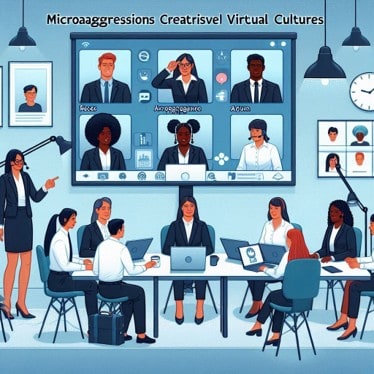
Microaggressions in the Digital Age

The Zoom call started like any other Monday morning meeting. Then it happened.

“Can everyone see my screen? Oh wait, let me make sure the lighting is better so we can actually see you, Jasmine.” The well-meaning comment landed like a weight on the only Black woman in the virtual room. In her home office, Jasmine adjusted her ring light—again—wondering if her white colleagues ever had to prove their visibility in quite the same way.

This is the new face of microaggressions: subtle, often unintentional slights that have evolved and multiplied in our digital workspaces. While technology promised to level playing fields, it has instead created new terrains where bias operates with alarming efficiency and reach.

The Digital Amplification Effect

Microaggressions aren’t new. What’s new is how digital platforms amplify their impact while making them harder to address. A dismissive comment in a physical meeting affects those present. That same comment in a recorded Zoom call? It lives forever, replayed in minds and potentially in actual recordings.

Research from Stanford’s Virtual Human Interaction Lab reveals that virtual meetings create “continuous partial attention” that makes people more likely to miss subtle bias while simultaneously making those experiencing it feel more isolated. For Black women, who already navigate what I call the “hypervisibility/invisibility paradox” in “Rise & Thrive,” digital spaces intensify both extremes.

Consider these digital-age microaggressions that traditionally overlooked talent, particularly Black women, face daily:

  • Being asked to turn on cameras to “prove” engagement while others participate audio-only
  • Having cultural hairstyles commented on or questioned in virtual meetings
  • Experiencing more interruptions in virtual settings than in-person meetings
  • Finding their virtual backgrounds scrutinized or judged differently
  • Being muted or talked over more frequently in digital forums
  • Receiving private messages questioning their authority or expertise during public meetings

The Toll of Digital Emotional Labor

In “Mastering a High-Value Company Culture,” I discuss how culture is built through daily interactions. In virtual settings, Black women perform additional emotional labor that goes unrecognized:

The Perpetual Performance: Every virtual meeting becomes a stage where you must perfectly balance professionalism with relatability, authority with approachability. Your home office must be “professional” enough but not “too much.” Your voice must be clear but not “too strong.”

The Technology Tax: Studies show that technical difficulties are more likely to be attributed to incompetence when experienced by women of color. A simple WiFi glitch becomes a credibility crisis.

The Chat Monitoring: Beyond participating in meetings, Black women often monitor chat boxes for subtle slights, ensure their contributions are acknowledged, and navigate private messages that undermine their public authority.

Case Study: The Transform Tech Initiative

A technology firm with 5,000 employees globally (identity protected) discovered through exit interviews that Black women were leaving at twice the rate of other demographics, despite strong performance reviews. The shift to remote work during 2020 had accelerated this trend.

Our assessment revealed a pattern of digital microaggressions:

  • Black women were interrupted 3x more often in virtual meetings
  • Their ideas were attributed to others 40% of the time in follow-up emails
  • They received 60% more “coaching” messages about communication style
  • Virtual happy hours consistently featured cultural references that excluded them

Working with Che’ Blackmon Consulting, the company implemented the DIGITAL framework:

DDevelop awareness through company-wide training on digital microaggressions IImplement meeting protocols that ensure equitable participation GGenerate inclusive virtual spaces and practices IIntegrate feedback mechanisms for real-time correction TTrack participation patterns and intervention effectiveness AAmplify traditionally overlooked voices through structured opportunities LLead by example with executives modeling inclusive behavior

Results after 8 months:

  • Retention of Black women increased by 45%
  • Overall meeting satisfaction scores improved by 33%
  • Innovation metrics rose by 28%
  • Employee NPS increased by 21 points

The Intersection of AI and Bias

As AI increasingly mediates our digital interactions, new forms of microaggressions emerge. Facial recognition that struggles with darker skin tones. Voice recognition that doesn’t understand certain accents. Sentiment analysis that misreads cultural communication styles as “aggressive” or “unprofessional.”

These aren’t just technical glitches—they’re systemic microaggressions built into the infrastructure of digital work. When a Black woman’s face isn’t recognized by the company’s security software, it sends a message: you don’t belong here. When her natural speech patterns are flagged as “unclear” by AI coaching tools, it reinforces centuries-old biases about “proper” communication.

Building Inclusive Virtual Cultures: The PATH Forward

Creating truly inclusive virtual cultures requires intentional design and consistent action. Here’s the PATH framework:

P – Protocols for Equity

Establish clear virtual meeting protocols:

  • Rotate meeting facilitation responsibilities
  • Use raised hand features to manage speaking order
  • Require cameras-optional policies that apply equally
  • Implement “no interruption” rules with consequences
  • Create structured time for all voices

A – Awareness and Accountability

Build systems that surface and address microaggressions:

  • Anonymous reporting mechanisms for virtual interactions
  • Regular pulse surveys on digital inclusion
  • Bystander intervention training for virtual settings
  • Clear consequences for digital harassment
  • Recognition for inclusive leadership behaviors

T – Technology That Includes

Choose and configure technology thoughtfully:

  • Test all tools for bias across different demographics
  • Provide multiple ways to participate (chat, voice, video)
  • Ensure accessibility features are enabled and promoted
  • Select platforms that support diverse communication styles
  • Regularly audit AI tools for discriminatory patterns

H – Humanization of Digital Spaces

Remember the humans behind the screens:

  • Start meetings with genuine check-ins
  • Acknowledge the challenges of virtual work
  • Respect different home situations and constraints
  • Create virtual spaces for informal connection
  • Celebrate cultural diversity explicitly

Practical Strategies for Leaders

In “High-Value Leadership: Transforming Organizations Through Purposeful Culture,” I emphasize that culture change requires consistent daily actions. Here are specific strategies for addressing digital microaggressions:

The Pre-Meeting Equity Check

Before each virtual meeting, ask:

  • Who typically dominates conversation?
  • Whose ideas get credited correctly?
  • What cultural assumptions are we making?
  • How can we ensure all voices are heard?

The Real-Time Interrupt

Develop scripts for addressing microaggressions as they happen:

  • “Let’s make sure [Name] finishes their thought”
  • “I want to circle back to what [Name] said earlier”
  • “Let’s be mindful of everyone’s opportunity to contribute”
  • “That comment may have landed differently than intended”

The Follow-Up Protocol

After meetings, leaders should:

  • Send recap emails crediting ideas accurately
  • Check in privately with those who seemed marginalized
  • Address patterns of exclusion directly
  • Celebrate inclusive behaviors publicly

The Amplification Strategy

Borrowed from women in the Obama administration:

  • When a Black woman makes a point, repeat it and credit her
  • Build on her ideas explicitly
  • Redirect when others claim credit
  • Ensure her contributions are documented

The Business Case for Digital Inclusion

Organizations that create inclusive virtual cultures see measurable returns:

  • 87% higher employee engagement (Gallup, 2023)
  • 2.3x more likely to exceed financial targets (McKinsey, 2023)
  • 70% better employee retention (Deloitte, 2023)
  • 1.7x more likely to be innovation leaders (BCG, 2023)

Yet only 23% of companies have specific strategies for addressing digital microaggressions. This gap represents both a risk and an opportunity.

Red Flags: When Virtual Culture Becomes Toxic

Watch for these warning signs:

  1. Decreased participation from traditionally overlooked employees
  2. Private “side conversations” that exclude certain groups
  3. Technical issues blamed on individual competence
  4. Cultural celebrations that center only dominant groups
  5. Feedback that focuses on style over substance for certain demographics
  6. Virtual backgrounds becoming status symbols
  7. Meeting recordings used to scrutinize rather than support

Your 30-Day Digital Inclusion Action Plan

Week 1: Awareness Building

  • Document microaggressions you observe or experience
  • Note patterns in virtual meeting dynamics
  • Identify who speaks most and least

Week 2: Skill Development

  • Practice interruption intervention techniques
  • Develop your amplification strategy
  • Create personal scripts for common situations

Week 3: System Implementation

  • Propose one structural change to meeting formats
  • Test new inclusive practices
  • Gather feedback from traditionally overlooked colleagues

Week 4: Culture Shift

  • Model inclusive behaviors consistently
  • Recognize others who demonstrate inclusion
  • Share learnings with your team

Discussion Questions for Leadership Teams

  1. How have digital platforms changed the way bias shows up in our organization?
  2. What additional emotional labor do our Black women employees perform in virtual settings that goes unrecognized?
  3. How might our technology choices inadvertently exclude certain groups?
  4. What would true digital inclusion look like in our organization?
  5. How can we measure and reward inclusive virtual leadership?

The Path Forward: From Awareness to Action

Digital microaggressions aren’t just annoyances—they’re barriers to innovation, engagement, and retention. For Black women and other traditionally overlooked talent, they represent daily reminders that virtual spaces, like physical ones, weren’t designed with them in mind.

But here’s the opportunity: Virtual cultures are still being formed. We have the chance to build them right, to create digital spaces where everyone can thrive authentically. This isn’t just about avoiding harm—it’s about unleashing the full potential of diverse talent.

Ready to Transform Your Virtual Culture?

Che’ Blackmon Consulting specializes in creating inclusive digital environments where traditionally overlooked talent doesn’t just survive—they lead. We understand the unique challenges of virtual microaggressions and design solutions that create real, measurable change.

We offer:

  • Digital Culture Audits – Assess your virtual environment for inclusion gaps
  • Inclusive Leadership Training – Build skills for leading diverse virtual teams
  • Technology Equity Reviews – Ensure your tools support all employees
  • Microaggression Intervention Programs – Create systems for real-time correction
  • Fractional CHRO Services – Strategic guidance for cultural transformation

The future of work is digital. The question is whether that future will replicate past exclusions or create new possibilities for inclusion.

Take Action Today: Schedule your complimentary 30-minute consultation to discuss how to build an inclusive virtual culture that drives innovation and retention. Email admin@cheblackmon.com or visit cheblackmon.com/digital-inclusion.

Remember: Every virtual interaction is an opportunity to build or break culture. Choose to build.


Che’ Blackmon is an HR Executive, Leadership Development Expert, and author of three books on organizational culture and leadership. Through Che’ Blackmon Consulting, she partners with organizations ready to create virtual cultures where everyone can contribute their best work.

#DigitalInclusion #Microaggressions #VirtualCulture #DEI #BlackWomenAtWork #InclusiveLeadership #RemoteWork #WorkplaceCulture #DigitalEquity #VirtualMeetings #TechBias #CulturalIntelligence #HybridWork #LeadershipDevelopment #InclusionMatters

The Emotional Intelligence Advantage: Why EQ Matters More Than AI

The senior executive leaned back in her chair, frustrated. “We have all the data analytics tools, the latest AI platforms, and predictive models. So why is our team falling apart?”

The answer wasn’t in her spreadsheets or algorithms. It was in what happened when two team members disagreed in yesterday’s meeting—one shut down completely while the other dominated the conversation, and nobody knew how to bridge the gap.

This scenario plays out daily in organizations betting everything on artificial intelligence while neglecting emotional intelligence. The hard truth? No amount of AI sophistication can compensate for leaders who can’t read a room, build trust, or navigate the complex human dynamics that actually drive business results.

The Numbers Don’t Lie: EQ Drives Performance

Research from TalentSmart shows that emotional intelligence is responsible for 58% of performance in all job types. Even more striking: 90% of top performers have high emotional intelligence, while only 20% of bottom performers do. The average annual income difference between high and low EQ workers? $29,000.

Yet organizations continue pouring billions into AI systems while investing pennies in developing emotional intelligence. This misallocation becomes particularly damaging for traditionally overlooked talent who must navigate additional emotional complexities in the workplace.

Daniel Goleman’s groundbreaking research identifies four domains of emotional intelligence: self-awareness, self-management, social awareness, and relationship management. For Black women in corporate spaces, mastering these domains isn’t optional—it’s survival. You’re constantly managing not just your own emotions but also others’ discomfort with your presence, excellence, and authority.

The Double Burden: Emotional Labor and Leadership

In “Rise & Thrive: A Black Woman’s Blueprint for Leadership Excellence,” I explore how Black women carry disproportionate emotional labor in organizations. You’re expected to be both exceptional and approachable, confident but not “intimidating,” assertive yet nurturing. This emotional gymnastics requires extraordinary EQ that goes unrecognized and unrewarded.

Consider what happens in a typical meeting: A Black woman executive presents a strategic initiative. She must simultaneously:

  • Read the room for subtle resistance or dismissal
  • Modulate her tone to avoid triggering “angry Black woman” stereotypes
  • Navigate interruptions with grace
  • Ensure her ideas aren’t appropriated without credit
  • Manage her own frustration while maintaining executive presence

This requires emotional intelligence that no AI can replicate or replace. Yet it’s precisely this capability that organizations overlook when they focus solely on technical skills and artificial intelligence solutions.

Case Study: When EQ Saved What AI Couldn’t

A global financial services firm (client confidentiality maintained) invested $3.2 million in an AI-powered employee engagement platform. The system could predict turnover risk with 87% accuracy. Impressive, right?

Here’s what it couldn’t do: explain why their highest-performing Black women kept leaving despite stellar reviews and competitive compensation.

When Che’ Blackmon Consulting conducted our assessment, we discovered what the algorithms missed. These women faced daily microaggressions, felt isolated in leadership roles, and received feedback that was either too vague (“work on executive presence”) or too harsh (detailed criticism their white peers never received). The AI flagged them as “flight risks” but couldn’t identify why or how to retain them.

Our intervention focused on developing emotional intelligence across three levels:

  1. Individual EQ Development: Equipped Black women leaders with tools to navigate bias while maintaining their wellbeing
  2. Team Emotional Intelligence: Trained managers to recognize and interrupt microaggressions
  3. Organizational EQ: Built systems that valued and rewarded emotional labor

Results after 12 months:

  • Retention of Black women in leadership increased by 67%
  • Overall employee engagement scores rose 31%
  • Innovation metrics improved by 24%
  • Client satisfaction increased by 19%

The AI platform provided data. Emotional intelligence provided solutions.

The Ulrich Evolution: From Human Resources to Human Capability

Dave Ulrich’s latest research on the HR Business Partner model emphasizes a critical shift: organizations must focus on human capability, not just human capital. His framework shows that stakeholder value comes from the combination of talent, leadership, organization, and HR function working in harmony.

What drives this harmony? Emotional intelligence.

Ulrich notes that while AI can assist with efficiency and inform with data access, the future lies in guidance—helping humans make better decisions in complex, ambiguous situations. This guidance requires the nuanced understanding that only emotional intelligence provides.

His research reveals organizations are only 20-30% up the S-curve of AI implementation. Meanwhile, the need for emotional intelligence has never been more critical. As AI handles routine tasks, human work increasingly involves managing relationships, navigating conflict, inspiring teams, and creating inclusive cultures—all EQ-dependent activities.

The High-Value Culture Connection

In “Mastering a High-Value Company Culture,” I argue that culture is the lifeblood of any organization. Culture isn’t built by algorithms or automated by AI. It’s created through thousands of daily interactions guided by emotional intelligence.

High-value cultures require leaders who can:

  • Sense unspoken tensions before they explode
  • Build trust across difference
  • Navigate conflict constructively
  • Inspire during uncertainty
  • Create psychological safety for innovation

These capabilities can’t be programmed or downloaded. They must be developed, practiced, and refined through conscious effort and commitment.

Practical Strategies: Building Your EQ Advantage

1. The Morning Check-In Practice

Before diving into emails or AI-generated reports, spend five minutes assessing your emotional state. What are you carrying into the day? How might this affect your interactions? This self-awareness becomes your leadership foundation.

2. The Perspective Pause

When conflict arises, pause before responding. Ask yourself: “What might this person be experiencing that I don’t see?” For Black women, this includes recognizing when others’ discomfort with your authority manifests as resistance to your ideas.

3. The Emotion-Data Balance

Use AI for data, but trust your EQ for interpretation. When your AI tool says team productivity is up 15% but your emotional radar senses disconnection, investigate the human story behind the numbers.

4. The Microaggression Interrupt

Develop scripts for addressing bias in real-time:

  • “I’d like to finish my thought…”
  • “Let’s revisit what Sarah just proposed…”
  • “I’m curious about the assumptions behind that statement…”

5. The Connection Investment

Schedule regular “human moments”—conversations without agenda, check-ins without metrics, interactions that build relationship capital. These investments pay dividends when navigating difficult decisions.

The Integration Model: EQ + AI = Exponential Impact

The future isn’t choosing between emotional intelligence and artificial intelligence. It’s integrating both strategically. Here’s how:

AI Handles:

  • Data processing and pattern recognition
  • Routine task automation
  • Predictive analytics
  • Information aggregation

EQ Manages:

  • Interpreting context and nuance
  • Building trust and rapport
  • Navigating conflict and change
  • Inspiring and motivating teams
  • Creating inclusive environments

The Synergy Zone: When leaders with high EQ use AI tools thoughtfully, they can:

  • Spot patterns in data that reveal human needs
  • Automate routine tasks to focus on relationship building
  • Use predictive analytics to prevent team burnout
  • Leverage insights to have more meaningful conversations

Red Flags: When Organizations Devalue EQ

Watch for these warning signs that your organization undervalues emotional intelligence:

  1. Leadership development focuses solely on technical skills
  2. Performance reviews don’t measure relationship building or cultural contribution
  3. “Soft skills” are treated as nice-to-have rather than essential
  4. Emotional labor goes unrecognized and unrewarded
  5. Conflict avoidance is mistaken for harmony
  6. Data drives all decisions without considering human impact

The Traditionally Overlooked Advantage

Here’s what organizations miss: traditionally overlooked talent, particularly Black women, often possess exceptional emotional intelligence developed through navigating complex social dynamics. This represents untapped organizational capability.

Research from the Center for Creative Leadership shows that leaders from marginalized backgrounds often demonstrate higher empathy, perspective-taking, and social awareness—critical EQ competencies. Yet these capabilities are undervalued in traditional leadership assessments.

In “High-Value Leadership: Transforming Organizations Through Purposeful Culture,” I highlight how organizations that recognize and reward these capabilities don’t just become more inclusive—they become more innovative, resilient, and profitable.

Your 30-Day EQ Development Plan

Week 1: Self-Awareness Foundation

  • Complete an EQ assessment to establish baseline
  • Journal daily about emotional triggers and responses
  • Practice naming emotions specifically (frustrated vs. angry vs. disappointed)

Week 2: Self-Management Skills

  • Develop personalized coping strategies for high-stress situations
  • Practice the 6-second pause before reactive responses
  • Create boundaries between work emotions and personal life

Week 3: Social Awareness Expansion

  • Observe body language and energy shifts in meetings
  • Practice perspective-taking with difficult colleagues
  • Notice patterns in team dynamics and communication

Week 4: Relationship Management Mastery

  • Have one difficult conversation using EQ principles
  • Provide emotionally intelligent feedback to a team member
  • Build connection with someone outside your usual circle

Discussion Questions for Leadership Teams

  1. How does our organization currently value and reward emotional intelligence compared to technical skills?
  2. What emotional labor goes unrecognized in our workplace, and who typically performs it?
  3. How might overreliance on AI tools diminish our team’s emotional intelligence capabilities?
  4. What would change if we measured leaders’ EQ with the same rigor we measure their financial performance?
  5. How can we develop emotional intelligence while also leveraging AI effectively?

The Path Forward: Your Next Steps

The evidence is clear: emotional intelligence drives performance, innovation, and retention in ways artificial intelligence cannot replicate. For traditionally overlooked talent, particularly Black women, EQ represents both a survival skill and a competitive advantage that organizations desperately need.

The question isn’t whether to develop emotional intelligence, but how quickly you can build this capability before your competitors realize its value.

Ready to Build Your EQ Advantage?

Che’ Blackmon Consulting specializes in developing emotional intelligence that drives real business results. We understand the unique challenges faced by traditionally overlooked talent and create strategies that work in the real world, not just in theory.

We offer:

  • EQ Leadership Assessments – Benchmark your organization’s emotional intelligence
  • Customized Development Programs – Build EQ capabilities at all levels
  • Cultural Intelligence Integration – Align EQ development with diversity goals
  • Executive Coaching – One-on-one EQ development for senior leaders
  • Fractional CHRO Services – Strategic guidance for culture transformation

Don’t let your AI investments fail because you neglected the human element. The organizations that win will be those that combine technological sophistication with emotional intelligence.

Take Action Today: Schedule your complimentary 30-minute consultation to discuss how emotional intelligence can transform your organization’s performance. Email admin@cheblackmon.com or visit cheblackmon.com/eq-advantage.

Remember: AI can process emotions as data points. Only humans with high EQ can create the connections that drive extraordinary results.


Che’ Blackmon is an HR Executive, Leadership Development Expert, and author of three books on organizational culture and leadership. Through Che’ Blackmon Consulting, she partners with organizations ready to unlock the full potential of their human capability.

#EmotionalIntelligence #LeadershipDevelopment #EQvsAI #WorkplaceCulture #BlackWomenLead #HumanCapability #LeadershipSkills #DEI #OrganizationalDevelopment #TalentRetention #CulturalIntelligence #ExecutiveLeadership #FutureOfWork #PeopleFirst #HighValueLeadership

AI in HR: Beyond the Hype to Real Culture Transformation

The boardroom buzzed with excitement about the latest AI tool that promised to revolutionize hiring. Six months later, that same tool sat unused while talented candidates continued slipping through the cracks. Sound familiar?

As organizations rush to adopt artificial intelligence in human resources, many discover that technology without cultural alignment creates expensive digital dust collectors. The real transformation happens when AI serves your cultural values, not when culture bends to accommodate technology.

The Reality Check: Where AI Meets Human Capability

Dave Ulrich’s recent update on the HR Business Partner model reveals a critical evolution: HR has shifted from merely “getting to the table” to being central to business success. His research shows that human capability—the combination of talent, leadership, organization, and HR function—drives stakeholder value. AI amplifies this capability, but only when implemented with cultural intelligence.

Consider this data point: While 73% of companies have invested in HR AI tools, only 12% report achieving their expected ROI (Gartner, 2024). The difference? Organizations achieving success align AI implementation with their existing cultural strengths rather than forcing cultural change to fit the technology.

The Hidden Bias Problem Nobody Talks About

Here’s an uncomfortable truth: AI systems trained on historical data often perpetuate the exact biases that have historically excluded Black women and other overlooked talent from leadership pipelines. Amazon famously scrapped its AI recruiting tool after discovering it penalized resumes containing the word “women’s” and downgraded graduates from women’s colleges.

For Black women in corporate spaces, this presents a double bind. You’re told AI will create more objective hiring and promotion decisions, yet these systems often codify the very barriers you’ve fought to overcome. When AI screening tools are trained on profiles of “successful” employees from organizations with historical diversity challenges, they learn to recognize patterns that exclude rather than include.

In “Rise & Thrive: A Black Woman’s Blueprint for Leadership Excellence,” I discuss the importance of strategic visibility. AI can either amplify or diminish that visibility, depending on how thoughtfully it’s implemented.

Creating High-Value Culture Through Intelligent AI Integration

True culture transformation through AI requires what I call the “Double-Bind Advantage™”—turning traditional limitations into strategic opportunities. Here’s how forward-thinking organizations are doing it:

Case Study: TechCorp’s Inclusive AI Journey

A Fortune 500 technology company (name changed for confidentiality) partnered with my firm after their AI-powered performance review system produced troubling results. Black women consistently received lower “leadership potential” scores despite exceeding performance metrics.

Our investigation revealed the AI had learned from five years of historical review data where subjective phrases like “executive presence” and “cultural fit” masked bias. We didn’t scrap the system. Instead, we:

  1. Audited the training data – Removed subjective criteria and focused on measurable outcomes
  2. Diversified the dataset – Included successful leaders from various backgrounds and leadership styles
  3. Created transparency checkpoints – Built in human review at critical decision points
  4. Measured cultural impact – Tracked not just efficiency but equity metrics

Result? Within 18 months, promotion rates for Black women increased by 34%, and overall employee engagement scores rose by 22%.

The Framework: CULTURE-First AI Implementation

In “High-Value Leadership: Transforming Organizations Through Purposeful Culture,” I emphasize that sustainable transformation requires alignment between technology and values. Here’s a practical framework:

CClarify your cultural values and non-negotiables
UUnderstand the current state of inclusion and bias in your systems
LListen to traditionally overlooked voices in the design process
TTest for unintended consequences before full implementation
UUpdate continuously based on equity outcomes, not just efficiency
RReview impact on all stakeholder groups, especially those historically marginalized
EEvolve your approach based on learning and feedback

Practical Applications That Actually Work

1. Recruitment and Talent Acquisition

Instead of using AI to screen out, use it to screen in. One client programmed their AI to flag candidates with non-traditional backgrounds who met core competencies but might be overlooked by conventional screening. They discovered a goldmine of talent from HBCUs, community colleges, and career-changers.

2. Performance Management

Rather than replacing human judgment, use AI to surface patterns humans might miss. For instance, AI can identify when certain groups consistently receive vague feedback (“needs more executive presence”) versus specific, actionable guidance.

3. Succession Planning

AI can help identify “hidden high potentials”—employees whose contributions are significant but who aren’t in traditional succession pools. This often surfaces talented Black women whose leadership styles don’t match traditional templates but who drive exceptional results.

4. Learning and Development

Personalized learning paths powered by AI can help traditionally overlooked talent access development opportunities previously gatekept by informal networks and sponsor relationships.

The Ulrich Connection: Stakeholder Value in the AI Age

Dave Ulrich’s evolution from “strategic success” to “stakeholder value” is particularly relevant here. AI in HR must create value not just for organizations but for all stakeholders—especially employees who’ve been historically underserved by traditional HR practices.

His research identifies that organizations are only 20-30% up the “S-curve” of AI implementation in HR. This means we’re at a critical juncture where we can shape how these tools develop. The question isn’t whether to use AI, but how to ensure it amplifies rather than automates our values.

Red Flags: When AI Undermines Culture

Watch for these warning signs:

  • Decreased diversity in hiring pools after AI implementation
  • Employees feeling “surveilled” rather than supported
  • Widening gaps in performance ratings across demographic groups
  • Reduced human interaction in critical moments (onboarding, performance discussions, terminations)
  • Over-reliance on AI recommendations without understanding the “why”

Your Action Plan: Next 90 Days

  1. Audit your current HR tech stack – Which tools align with your stated values? Which might be working against them?
  2. Convene a diverse AI advisory group – Include voices from all levels, with intentional representation from traditionally overlooked groups
  3. Run a bias audit – Test your AI tools for disparate impact across different demographic groups
  4. Create transparency standards – Ensure employees understand how AI influences decisions about their careers
  5. Establish equity metrics – Don’t just measure efficiency; measure whether AI is closing or widening opportunity gaps
  6. Document and share learnings – Build institutional knowledge about what works and what doesn’t

The Leadership Imperative

As I write in “Mastering a High-Value Company Culture,” culture isn’t what you say; it’s what you consistently do. Every AI implementation decision sends a message about what and who you value.

For Black women navigating corporate spaces, the rise of AI in HR presents both promise and peril. The promise: technology that could finally circumvent human bias and create more equitable outcomes. The peril: systems that codify and scale existing inequities under the guise of objectivity.

The path forward requires leaders who understand both the technical capabilities of AI and the human complexities of organizational culture. It demands what I call “Culturally Intelligent Technology Leadership”—the ability to leverage AI in ways that honor human dignity while driving business results.

Discussion Questions for Your Team

  1. How might our current AI tools be inadvertently excluding talented individuals who don’t fit traditional patterns?
  2. What cultural values should be non-negotiable as we implement new HR technologies?
  3. How can we ensure traditionally overlooked voices are centered in our AI strategy, not just considered?
  4. What would true success look like—beyond efficiency metrics—for AI in our HR function?
  5. How do we balance the promise of AI with the irreplaceable value of human judgment in people decisions?

Your Next Steps

The transformation from AI hype to cultural reality doesn’t happen automatically. It requires intentional leadership, inclusive design, and continuous refinement.

Ready to move beyond the buzzwords?

If your organization is grappling with how to implement AI in ways that strengthen rather than compromise your culture, let’s talk. Che’ Blackmon Consulting specializes in helping companies navigate this critical intersection of technology and humanity.

We offer:

  • AI Culture Alignment Audits – Assess whether your tech supports your values
  • Inclusive Implementation Strategies – Design AI rollouts that advance equity
  • Leadership Development Programs – Build culturally intelligent tech leadership
  • Fractional CHRO Services – Expert guidance without full-time investment

The future of work isn’t about choosing between humans and machines. It’s about creating synergy that amplifies the best of both while protecting the dignity and potential of all.

Take Action Today: Schedule a complimentary 30-minute strategy session to discuss how your organization can harness AI for genuine culture transformation. Email admin@cheblackmon.com or visit cheblackmon.com/ai-consultation.

Remember: Technology is a tool. Culture is a choice. Choose wisely.


Che’ Blackmon is an HR Executive, Leadership Development Expert, and author of three books on organizational culture and leadership. Through Che’ Blackmon Consulting, she partners with organizations ready to unlock overlooked talent and create cultures where everyone can thrive.

#HRAI #CultureTransformation #DEI #HRTech #Leadership #BlackWomenLead #InclusiveAI #HRInnovation #CulturalIntelligence #FutureOfWork #HumanResources #AIBias #LeadershipDevelopment #WorkplaceCulture #TechForGood

The Round Table Revolution: How GenX Leaders Naturally Build Inclusive AI-Ready Teams

By Che’ Blackmon, CEO of Che’ Blackmon Consulting

Remember King Arthur’s Round Table? No head, no foot—just equals gathered to solve kingdom-sized problems. Today’s GenX leaders are creating their own round table revolution, but instead of knights, they’re assembling diverse teams ready to tackle AI transformation. And they’re doing it with a secret weapon most organizations overlook: decades of experience building inclusive coalitions from the margins.

Here’s what makes this revolutionary: While companies spend millions on diversity initiatives and AI readiness programs that often fail, GenX leaders—particularly Black women—have been naturally building inclusive, adaptable teams their entire careers. They learned collaboration before it was a buzzword. They built networks when hierarchy was law. They created psychological safety before we had a term for it.

Now, as AI reshapes everything, these round table builders hold the key to creating teams that can actually leverage artificial intelligence while maintaining human connection. They understand something crucial: AI amplifies existing team dynamics. Exclusive teams become more exclusive with AI. But inclusive teams? They become exponentially more powerful.

The GenX Round Table Advantage

In “Mastering a High-Value Company Culture,” I discussed how employee round tables can transform organizational dynamics when led with genuine commitment to inclusion. GenX leaders perfected this art out of necessity. They entered corporate America when command-and-control was gospel, yet they instinctively knew collaboration would be the future.

GenX leaders developed what I call “Circular Leadership”—the ability to lead from any seat at the table. Unlike hierarchical leadership (lead from the top) or flat leadership (no one leads), circular leadership recognizes that different people lead different moments based on expertise, not position.

This approach creates several advantages for AI readiness:

Distributed Intelligence: Just as AI distributes computing power, round table teams distribute human intelligence. Everyone contributes their unique perspective.

Adaptive Leadership: Leadership shifts based on the challenge, mirroring how AI systems adapt to different problems.

Inclusive Innovation: Diverse voices at the table prevent the blind spots that plague AI development.

Trust Networks: Deep relationships enable the vulnerability required for AI experimentation.

For Black women GenX leaders, this round table approach isn’t theoretical—it’s survival strategy turned superpower. We’ve always had to build coalitions across difference, create our own tables when excluded from others, and ensure everyone has a voice because we know the cost of silence.

The Research: Why Round Tables Win in the AI Era

MIT’s recent study on team performance in AI implementation revealed something striking: Teams with rotating leadership and high psychological safety outperformed traditional hierarchical teams by 73% in AI adoption success. The key factor? What researchers called “cognitive diversity activation”—getting different perspectives actively engaged.

Dave Ulrich’s updated HR Business Partner model emphasizes creating “stakeholder value” through human capability. His research shows that organizations combining diverse human intelligence with AI capabilities see:

  • 4.3x higher innovation rates
  • 67% better problem-solving outcomes
  • 52% faster adaptation to market changes
  • 81% higher employee engagement

Stanford’s research on team dynamics adds another layer: Teams that practice “perspective-taking”—actively considering different viewpoints—are 3x more likely to successfully integrate AI without displacing human value.

Dr. Amy Edmondson’s work on psychological safety becomes even more critical in AI contexts. Teams need to feel safe to:

  • Admit they don’t understand AI concepts
  • Experiment without fear of failure
  • Challenge AI recommendations
  • Maintain human judgment alongside machine intelligence

GenX leaders, having navigated multiple technological disruptions, naturally create these conditions.

Case Study: The Round Table That Revolutionized Regional Banking

Let me share a powerful example. Marcus (name changed), a 48-year-old Black man and Chief Innovation Officer at a regional bank, faced a mandate: Implement AI-driven customer service within 12 months or lose market share to fintech competitors.

Instead of hiring consultants or buying off-the-shelf solutions, Marcus did something revolutionary. He created what he called the “Innovation Round Table”:

The Composition:

  • A 58-year-old white woman from customer service who knew every pain point
  • A 26-year-old Latino data scientist passionate about ethical AI
  • A 45-year-old Black woman from compliance who understood regulatory requirements
  • A 33-year-old Asian man from IT who could build anything
  • A 52-year-old white man from sales who knew what customers actually wanted
  • A 29-year-old Black woman from marketing who understood digital natives

The Rules:

  1. No permanent chair—leadership rotated based on the discussion topic
  2. Every voice had equal weight regardless of title
  3. “Bad ideas” were celebrated as learning opportunities
  4. Technical jargon required translation into plain language
  5. Human impact was considered before technical capability

The Process: Marcus structured meetings using what I call in “High-Value Leadership: Transforming Organizations Through Purposeful Culture” the principle of “rotating expertise.” When discussing customer needs, the customer service veteran led. For technical architecture, the IT specialist took charge. For regulatory concerns, compliance guided the conversation.

The Results: Within 9 months, they launched an AI system that:

  • Reduced customer service time by 43%
  • Increased customer satisfaction by 31%
  • Maintained all jobs (redeploying staff to higher-value work)
  • Passed all regulatory requirements on first review
  • Generated $3.2M in new revenue from previously unidentified customer needs

The secret? The round table approach ensured AI served human needs rather than replacing human value.

The Black Woman’s Round Table Advantage

As explored in “Rise & Thrive: A Black Woman’s Blueprint for Leadership Excellence,” Black women have unique advantages in building inclusive teams. We’ve been creating round tables our entire careers—not from positions of power but from positions of purpose.

Consider these capabilities:

Coalition Building from the Margins: We’ve learned to build influence without authority, creating informal networks that get things done despite formal exclusion.

Cultural Translation: We naturally translate between different groups, making us ideal facilitators for diverse AI teams.

Inclusive Innovation: Having been excluded from many tables, we instinctively ensure everyone has a seat when we build our own.

Both/And Thinking: We reject false binaries (human OR machine) and create syntheses (human AND machine).

A McKinsey study found that companies with Black women in leadership positions during AI transformations showed:

  • 45% higher success rates in AI adoption
  • 38% better employee retention during transition
  • 62% more innovative AI applications
  • 71% higher scores on ethical AI implementation

Why? Because Black women GenX leaders don’t just build teams—they build communities. And communities adapt to change far better than hierarchies.

The Round Table Framework for AI-Ready Teams

Through my consulting work, I’ve developed the Round Table Framework specifically for building inclusive AI-ready teams:

Phase 1: Table Setting (Foundation)

Identify Your Knights:

  • Map expertise needed (technical, cultural, operational, strategic)
  • Seek cognitive diversity, not just demographic diversity
  • Include both AI enthusiasts and AI skeptics
  • Balance experience with fresh perspectives

Establish the Charter:

  • Define the mission beyond “implement AI”
  • Create shared values for human-AI collaboration
  • Establish psychological safety protocols
  • Set rotation principles for leadership

Phase 2: Circle Formation (Structure)

Design Inclusive Processes:

  • Rotate meeting leadership based on expertise
  • Create multiple communication channels (verbal, written, visual)
  • Build in translation time for technical concepts
  • Establish “naive question” periods where basics are explained

Build Trust Foundations:

  • Share vulnerability about AI knowledge gaps
  • Celebrate learning over knowing
  • Create peer mentoring pairs
  • Establish conflict resolution protocols

Phase 3: Quest Definition (Purpose)

Frame AI as Enhancement, Not Replacement:

  • Define how AI amplifies human capabilities
  • Identify uniquely human contributions
  • Create metrics for human + AI success
  • Design role evolution paths

Create Shared Vision:

  • Develop future scenarios together
  • Include all stakeholder perspectives
  • Address fears explicitly
  • Paint pictures of collective success

Phase 4: Battle Rhythms (Operations)

Establish Collaborative Cadences:

  • Weekly round table gatherings
  • Rotating deep-dive sessions
  • Cross-functional workshops
  • Celebration rituals for milestones

Create Feedback Loops:

  • Real-time adjustment mechanisms
  • Multiple feedback channels
  • Anonymous concern raising
  • Public win sharing

Practical Strategies for Building Your Round Table

If you’re ready to create your own round table revolution, here’s how:

1. Audit Your Current Table

Ask yourself:

  • Who’s missing from AI discussions?
  • Whose expertise is undervalued?
  • What perspectives would prevent blind spots?
  • Which voices could bridge divides?

Look especially for:

  • GenX women who’ve been building bridges for decades
  • Black women who understand inclusive innovation
  • Technical experts who can teach without condescending
  • Operational experts who know what actually works

2. Redesign Your Meeting Structure

Traditional Meeting Format:

  • Boss presents agenda
  • Hierarchy determines speaking order
  • Decisions flow top-down
  • Same people dominate discussion

Round Table Format:

  • Agenda created collaboratively
  • Expertise determines leadership
  • Decisions emerge from synthesis
  • All voices actively solicited

3. Create Psychological Safety for AI Learning

The Learning Contract:

  • “Not knowing” is acceptable
  • Questions are gifts
  • Failure teaches
  • Everyone is both teacher and student

The Translation Protocol:

  • Technical concepts get plain language explanations
  • Business needs get technical translation
  • Cultural implications get explicit attention
  • Ethical concerns get immediate airtime

4. Build Bridging Mechanisms

Cross-Generational Pairs:

  • GenX leaders with Millennial technologists
  • Boomer wisdom keepers with GenZ innovators
  • Create mutual mentoring expectations

Cross-Functional Rotations:

  • Technical people spend time in operations
  • Business people learn basic AI concepts
  • Everyone understands customer impact

5. Measure Inclusive Innovation

Track metrics that matter:

  • Participation rates in AI initiatives
  • Diversity of ideas generated
  • Speed of problem resolution
  • Employee confidence with AI
  • Innovation adoption rates
  • Retention during transformation

The Strategic Implementation Guide

Here’s your 90-day plan for building your round table:

Days 1-30: Foundation Building

Week 1: Assessment

  • Map current AI team composition
  • Identify missing perspectives
  • Assess psychological safety levels
  • Document existing barriers to inclusion

Week 2: Recruitment

  • Identify round table members
  • Focus on cognitive diversity
  • Ensure generational representation
  • Prioritize overlooked experts

Week 3: Charter Creation

  • Develop round table principles
  • Establish rotation protocols
  • Create safety agreements
  • Define success metrics

Week 4: Launch Preparation

  • Design first gathering
  • Prepare materials in multiple formats
  • Set up communication channels
  • Create feedback mechanisms

Days 31-60: Circle Formation

Month 2 Focus:

  • Hold weekly round tables
  • Rotate leadership each session
  • Build relationships across difference
  • Address conflicts directly
  • Celebrate early wins
  • Document lessons learned

Days 61-90: Quest Acceleration

Month 3 Objectives:

  • Launch pilot AI initiative
  • Apply round table principles
  • Measure inclusive innovation
  • Adjust based on feedback
  • Scale successful practices
  • Share stories of success

Overcoming Common Obstacles

Challenge: “We don’t have time for all this inclusion stuff.”

Reality Check: You don’t have time NOT to be inclusive. Failed AI initiatives cost millions. Inclusive teams succeed 73% more often.

Solution: Start small. One diverse round table, one pilot project. Let results speak.

Challenge: “Senior leadership wants traditional hierarchy.”

Reality Check: Show them the ROI. Round table teams deliver 4.3x higher innovation rates.

Solution: Frame it as “agile leadership” or “innovation acceleration.” Use their language.

Challenge: “Technical people don’t want to explain everything.”

Reality Check: Unexplained AI creates fear, resistance, and failure.

Solution: Make translation a valued skill. Recognize and reward great teachers.

Challenge: “We can’t find diverse talent.”

Reality Check: You’re not looking in the right places or valuing the right things.

Solution: Look for bridge-builders, translators, and connectors. They exist in every organization.

The Compound Effect of Round Table Leadership

When GenX leaders, particularly Black women, build round tables for AI transformation, something magical happens. The effects compound:

  • Inclusion breeds innovation: Diverse perspectives generate novel solutions
  • Safety enables speed: Teams that trust move faster
  • Rotation builds capability: Everyone develops leadership skills
  • Translation creates clarity: Understanding accelerates adoption
  • Community ensures sustainability: People protect what they build together

This isn’t just about implementing AI successfully. It’s about creating organizational cultures that can adapt to whatever comes next.

Your Round Table Revolution Starts Now

The future belongs to organizations that can combine human wisdom with artificial intelligence. GenX leaders—especially those who’ve been building inclusive tables from the margins—hold the keys to this combination.

Discussion Questions for Your Organization:

  1. Who would you invite to your AI round table that isn’t currently involved in technology decisions?
  2. What expertise exists in your organization that’s being overlooked because of title or position?
  3. How could rotating leadership based on expertise rather than hierarchy improve your team’s performance?
  4. What would change if your Black women leaders were positioned as lead architects of AI transformation?
  5. How might round table principles transform not just AI adoption but your entire organizational culture?

Your Personal Reflection:

  1. What tables have you built in your career? What made them successful?
  2. Who helped you when you were excluded from important discussions? How can you pay that forward?
  3. What unique perspective do you bring to AI discussions that others might miss?
  4. Where could you start building a round table tomorrow?

Ready to Start Your Round Table Revolution?

At Che’ Blackmon Consulting, we specialize in helping organizations build inclusive, high-performing teams that thrive in technological transformation. Our approach leverages the overlooked expertise of GenX leaders, particularly Black women, to create sustainable competitive advantage.

We offer:

  • Round Table Team Assessments to identify your hidden inclusion champions
  • AI-Ready Culture Workshops that build psychological safety and innovation
  • Inclusive Leadership Development that prepares all leaders for the AI era
  • Fractional CHRO Services to implement sustainable transformation

If you’re ready to:

  • Build truly inclusive AI-ready teams
  • Leverage your GenX leaders’ collaboration expertise
  • Create round tables that revolutionize your culture
  • Transform AI from threat to opportunity

Let’s build your round table together.

Contact us at admin@cheblackmon.com or visit https://cheblackmon.com to discover how round table leadership can transform your AI journey.

Remember: The most powerful AI implementations aren’t built by hierarchies or flat structures—they’re built by round tables where every voice matters, expertise leads, and innovation thrives.

What round table will you build today? Who will you invite to sit as equals in solving your organization’s greatest challenges?


Che’ Blackmon is CEO of Che’ Blackmon Consulting, author of three books on leadership and culture transformation, and a champion for inclusive innovation. With over 20 years of experience transforming organizations, she helps companies build round tables where everyone has a seat and every voice creates value.

#RoundTableLeadership #AITransformation #InclusiveInnovation #GenXLeaders #BlackWomenInTech #PsychologicalSafety #TeamBuilding #CircularLeadership #DiversityInAI #HumanCenteredAI #LeadershipDevelopment #CultureTransformation #InclusiveTeams #AIReadiness #CollaborativeLeadership #InnovationStrategy #FutureOfWork #CHROInsights #OrganizationalCulture #TechLeadership