


In a fast-moving, dynamic business environment, the drive to create an inclusive leadership culture should not come from moral imperatives but from strategic imperatives. Here, from “Mastering a High-Value Company Culture,” are hands-on ways HR professionals can build inclusive leadership across the strata of their companies.
Understanding Inclusive Leadership
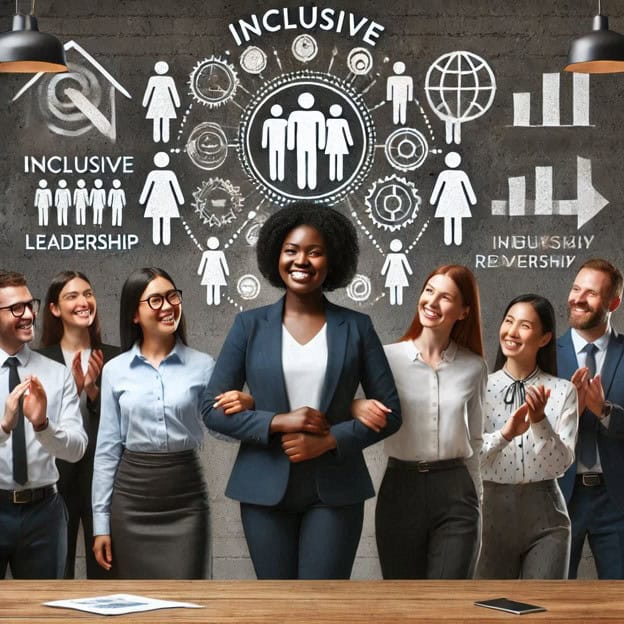
Unlike the conventional metrics for diversity, inclusive leadership is about creating an active environment where diverse opinions are sought, valued, and used to drive decisions. From the book, chapter on building blocks of value-based culture, this therefore means that inclusive leaders will:
- Seek and consider different perspectives
- Provide psychological safety for the members of their teams
- Demonstrate cultural competence
- Model authentic behavior
- Challenge their assumptions and biases
Key Strategies for HR Professionals
1. Rethink Leadership Competencies
Include inclusive behaviors within your leadership competency model. Examples of these could be:
- Active listening skills
- Cultural intelligence
- Empathy and emotional awareness
- Ability to facilitate diverse teams
- Comfort with challenging conversations
2. Transform Talent Management
Use all-inclusive assessment criteria
Train hiring managers for inclusive selection
Development in:
- Mentoring
- Inclusive leadership training
- Cross-cultural experiences
- Diverse succession planning
3. Measure and Monitor Progress
Following are specific measures of progress of inclusive leadership:
- Employee engagement scores, by demographic group
- Diverse promotion rates
- Diverse retention/turnover patterns
- Diverse leadership at every level
- Inclusion survey results
4. Building Accountability Systems
Design mechanisms that ensure delivery:
- Inclusion objectives as part of performance reviews
- Compensation is linked to delivery on diversity
- Regular reporting on inclusion metrics
- Forums for holding leaders accountable
Actionable Implementation Steps
Step 1 Assessment
Cultural assessment
Review of present leadership practices
Gathering of employee feedback
Identification of gaps and opportunities
Step 2 Strategy Development
Clearly, articulate objectives
Metrics of success are defined
Timeline for implementation
Resource allocation
Step 3 Education and Training
Develop curriculum on inclusive leadership
Coaching support
Peer learning opportunities
Best practice and success story sharing
Step 4 Integration into Systems
Alignment with human resource processes
Updating of policies and procedures
Revision of reward systems
Improvement of Communication Channels
Strategies to beat the Most Common Challenges
Resistance to Change
Communicate Compelling Business Case
Share Success Stories
Provide Appropriate Support and Resources
Address Concerns Openly
Sustaining Momentum
Celebrate Progress
Share Regular Updates
Recognize Role Models
Keep Inclusion Visible
Developing Capability
Invest in Development
Provide Ongoing Support
Create Learning Opportunities
Encourage Experimentation
Good Practices for Success
1. **Lead by Example**
- Model inclusive behaviors
- Share personal learning journey
- Demonstrate vulnerability
- Demonstrate real commitment
2. **Create Safe Space**
- Encourage open dialogue
- Welcome diverse perspectives
- Address micro-behaviors
- Support psychological safety
3. **Foster Collaboration**
- Promote cross-functional teams
- Encourage diverse partnerships
- Create networking opportunities
- Support employee resource groups
4. **Develop Future Leaders**
- Identify diverse talent early
- Provide growth opportunities
- Provide targeted development
- Create sponsorship programs
The Way Forward
The process of creating an inclusive leadership culture is more like a marathon than a sprint. It requires sustained commitment, periodic reassessment, and continuous adaptation. Furthermore, HR professionals will be well-placed to contribute meaningfully to each of the following:
- Point out the direction
- Create whatever infrastructure is needed
- Provide tools and resources
- Hold others accountable
- Celebrate progress
Conclusion
Today, inclusive leadership in business across borders is no longer an option but rather a necessity for organizational success. With these strategies, HR professionals can be there to support the creation of cultures where diverse leaders thrive and organizations realize their full potential.
We are Che’ Blackmon Consulting: expert guides for organizations seeking sustainable and measurable action plans for inclusive leadership cultures with effective DEI strategies.
#InclusiveLeadership #HRStrategy #WorkplaceCulture #DEI #LeadershipDevelopment #OrganizationalChange #TalentManagement #EmployeeEngagement