

The HR director stared at her dashboard. Employee turnover was up 23%. Engagement scores had dropped for three consecutive quarters. Yet every metric showed individual performance was strong.
“We’re measuring everything,” she said, “but understanding nothing.”
This paradox haunts organizations drowning in data but starving for insight. The difference between companies that thrive and those that merely survive isn’t the amount of data they collect—it’s how they transform that data into decisions that build high-value cultures.
The Analytics Revolution That Isn’t Revolutionary Enough
Organizations now track everything: keystrokes, meeting attendance, email response times, even bathroom breaks. Yet culture problems persist. Talent hemorrhages continue. Innovation stagnates.
Why? Because most analytics focus on symptoms, not systems. They measure individual actions while ignoring collective dynamics. They track what’s easy to quantify while missing what actually matters.
Research from McKinsey reveals that companies using advanced analytics for human capital decisions are 2.3x more likely to outperform their peers financially. But here’s what they don’t tell you: the same analytics that could democratize opportunity often entrench existing biases, particularly impacting Black women and other traditionally overlooked talent.
In “Rise & Thrive: A Black Woman’s Blueprint for Leadership Excellence,” I explore how data can either illuminate or obscure the unique challenges faced by Black women in corporate spaces. The question isn’t whether to use analytics, but how to use them in ways that reveal rather than conceal systemic inequities.
The Hidden Stories in Your Data
Your organization’s data tells stories you’re not hearing. Let me show you what to look for.
The Participation Paradox
Track who speaks in meetings—not just how often, but when their ideas gain traction. One tech company discovered that women’s ideas were adopted 25% less frequently than men’s, even when proposing identical solutions. Black women’s ideas? Adopted 40% less frequently. The data was there all along. Nobody had thought to look.
The Promotion Pipeline Problem
Analyze promotion patterns beyond simple demographics. When one financial services firm examined time-to-promotion by race and gender, they found Black women waited an average of 18 months longer for advancement despite higher performance ratings. The pattern was invisible in aggregate diversity reports but glaring in longitudinal analysis.
The Invisible Labor Index
Measure who does the “office housework”—organizing events, taking notes, mentoring without credit. Research shows women, particularly women of color, spend 20% more time on non-promotable tasks. This invisible labor drives culture but derails careers. Your data can make it visible.
Case Study: The Predictive Power of Cultural Analytics
A manufacturing company with 3,000 employees came to Che’ Blackmon Consulting after losing 40% of their high-potential Black women leaders in one year. Traditional exit interviews cited “better opportunities elsewhere.” The data told a different story.
We implemented what I call the INSIGHT framework:
I – Identify cultural indicators beyond traditional metrics
N – Normalize data to reveal patterns across demographics
S – Segment analysis to uncover hidden disparities
I – Integrate quantitative and qualitative insights
G – Generate predictive models for cultural health
H – Humanize data through storytelling
T – Transform insights into targeted interventions
Our analysis revealed:
- Black women received 67% less informal mentoring (measured through calendar analysis)
- Their ideas in innovation forums were credited to others 45% of the time
- They were assigned to “diversity initiatives” 3x more often than strategic projects
- Despite outperforming on every metric, they received “development needed” feedback 2x more frequently
But here’s where it gets interesting. We discovered three predictive indicators that signaled when a high-performing Black woman was likely to leave:
- Three consecutive months without strategic project assignment
- Feedback focusing on “style” over substance
- Exclusion from informal leadership communications
With these insights, we built an early warning system. Result? Retention of high-potential Black women increased by 73% within 12 months. Overall cultural health scores improved by 31%. Revenue per employee rose 19%.
The data didn’t change their reality. It made it impossible to ignore.

Building Your Cultural Analytics Framework
In “Mastering a High-Value Company Culture,” I emphasize that culture is measurable if you know what to measure. Here’s how to build analytics that drive real cultural transformation:
1. Measure What Matters to Marginalized Voices
Traditional metrics miss the experiences of traditionally overlooked employees. Add these to your dashboard:
- Psychological safety scores by demographic
- Idea attribution accuracy
- Informal network inclusion
- Sponsorship distribution (not just mentorship)
- Cultural taxation (extra duties related to identity)
2. Connect Leading and Lagging Indicators
Most organizations measure lagging indicators (turnover, engagement) without understanding leading indicators (meeting dynamics, project assignments). Map the connections:
- Meeting interruption patterns → Future promotion rates
- Email response times by sender → Network influence
- Project team diversity → Innovation metrics
- Feedback language patterns → Retention probability
3. Create Composite Cultural Health Scores
Single metrics lie. Composite scores reveal truth. Combine multiple data points:
- Inclusion Index: Meeting participation + idea adoption + network centrality
- Opportunity Equity Score: Project assignments + development access + sponsor engagement
- Cultural Load Balance: Core work + invisible labor + cultural taxation
4. Use Predictive Modeling Responsibly
AI can identify patterns humans miss, but it can also amplify bias. When using predictive analytics:
- Audit algorithms for demographic disparities
- Include traditionally overlooked voices in model design
- Test predictions against historical inequities
- Build in correction mechanisms for systemic bias
The Technology Enablers and Pitfalls
Modern analytics platforms offer unprecedented capability to understand culture. Natural language processing can analyze communication patterns. Network analysis can map informal power structures. Sentiment analysis can gauge emotional climate.
But technology isn’t neutral. Facial recognition misreads Black women’s emotions as “angry” 30% more often. Voice analysis rates certain accents as “less authoritative.” Performance prediction models trained on biased historical data perpetuate exclusion.
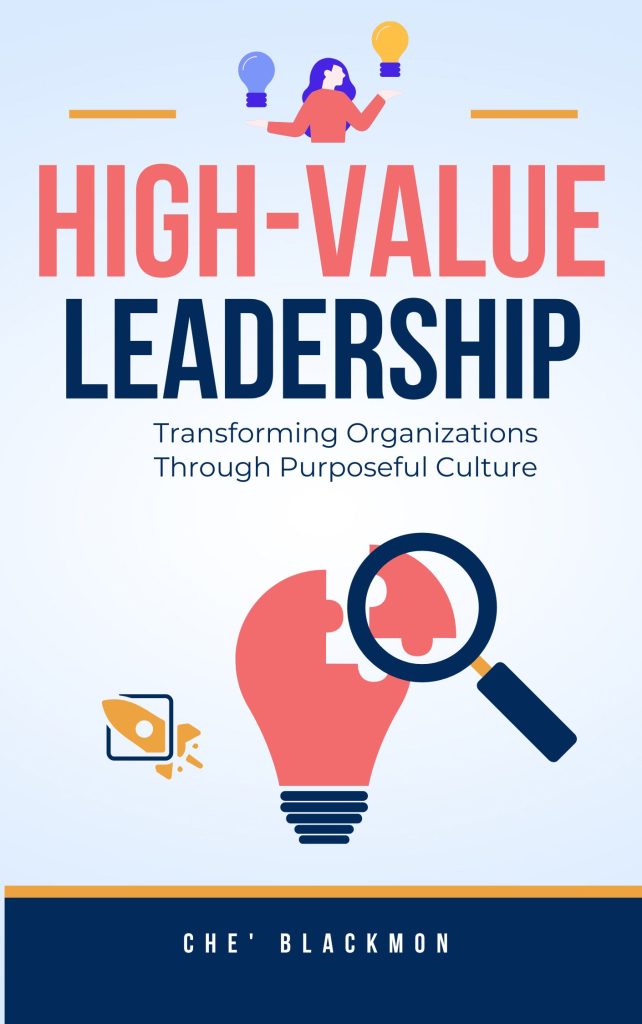
In “High-Value Leadership: Transforming Organizations Through Purposeful Culture,” I argue that technology must serve values, not subvert them. Your analytics strategy must actively counteract bias, not automate it.
Practical Implementation: Your 60-Day Analytics Roadmap
Days 1-20: Foundation Setting
Week 1-2: Audit Current Metrics
- List all people-related data you currently collect
- Identify gaps in demographic analysis
- Note which voices are missing from your data
Week 3: Stakeholder Engagement
- Interview traditionally overlooked employees about unmeasured experiences
- Gather input on what data would make their challenges visible
- Build coalition for expanded analytics
Days 21-40: Analytics Architecture
Week 4-5: Design New Metrics
- Create cultural health indicators
- Build composite scores
- Design predictive models
Week 6: Technology Assessment
- Evaluate current systems for bias
- Identify needed capabilities
- Plan integration strategy
Days 41-60: Pilot and Learn
Week 7-8: Pilot Implementation
- Test new metrics with one department
- Gather feedback on insights generated
- Refine based on learning
Week 9: Scale Planning
- Document pilot results
- Build business case for expansion
- Create rollout timeline
Common Mistakes and How to Avoid Them
Mistake 1: Measuring for Measurement’s Sake
Collecting data without clear purpose wastes resources and erodes trust. Every metric should link to specific cultural outcomes and actionable interventions.
Mistake 2: Ignoring Intersectionality
Analyzing gender without race, or race without level, misses crucial patterns. Black women’s experiences differ from those of white women or Black men. Your analytics must capture these intersections.
Mistake 3: Privileging Quantitative Over Qualitative
Numbers without narratives lack context. Combine quantitative analytics with qualitative insights. Stories make data actionable.
Mistake 4: Analysis Without Action
Insights without intervention breed cynicism. Before collecting data, plan how you’ll act on what you learn.
The Future of Cultural Analytics
Dave Ulrich’s research on human capability shows organizations are just beginning to understand analytics’ potential. The future will bring:
- Real-time cultural health monitoring
- Predictive intervention systems
- AI-powered coaching based on cultural dynamics
- Network analysis for sponsorship optimization
- Sentiment tracking for early problem detection
But the future also brings responsibility. As analytics become more sophisticated, the potential for both transformation and harm increases.
Discussion Questions for Leadership Teams
- What cultural dynamics in our organization remain unmeasured and therefore unaddressed?
- How might our current analytics perpetuate bias against traditionally overlooked talent?
- What would change if we could predict cultural problems six months before they manifested?
- How can we ensure our analytics amplify marginalized voices rather than silence them?
- What resistance might we face in making invisible labor visible, and how do we address it?
Your Next Steps
Data without decisions is just expensive storage. Decisions without data are just expensive guesses. The path forward requires both—but guided by values that ensure analytics serve all employees, not just the privileged few.
Start here:
- Identify one cultural challenge that disproportionately affects traditionally overlooked talent
- Design metrics that would make this challenge visible
- Pilot measurement for 30 days
- Share findings with leadership and affected employees
- Commit to specific actions based on insights
Ready to Transform Your Data into Cultural Decisions?
Che’ Blackmon Consulting specializes in building analytics frameworks that reveal hidden patterns and drive inclusive transformation. We understand that data tells different stories depending on who’s asking the questions.
Special Opportunity: Shape the Future of AI-Powered Culture Transformation
Michigan companies are losing $375K+ annually to preventable culture problems. We’re building the solution—and we need your insights.
Participate in our 20-minute virtual interview and receive:
- Free Culture Health Assessment ($2,500 value)
- Custom Turnover Cost Analysis for your company
- Priority access to our AI platform beta launch
- Exclusive Founder’s Circle pricing (30% lifetime discount)
- Complimentary copy of Che’s latest leadership book
Perfect if you lead a company with 20-200 employees and believe culture drives business success.
Schedule your interview today:
- Call: 888.369.7243
- Email: admin@cheblackmon.com
- Visit: www.cheblackmon.com/culture-interview
Our Full Service Offerings:
- Cultural Analytics Audits – Uncover hidden patterns affecting retention
- Predictive Culture Modeling – Anticipate problems before they cost you talent
- Inclusive Analytics Design – Ensure metrics serve all employees
- AI-Enhanced Culture Monitoring – Real-time insights with human interpretation
- Fractional CHRO Services – Strategic guidance for data-driven transformation
Where Human Insight Meets AI Intelligence™ – Predict and prevent culture problems before they cost you talent.
Take Action Today: Schedule your complimentary 30-minute consultation to explore how analytics can transform your culture. Email admin@cheblackmon.com or visit cheblackmon.com/analytics.
Remember: Your data already contains the insights needed to build a high-value culture. The question is whether you’ll listen to what it’s telling you.
Che’ Blackmon is an HR Executive, Leadership Development Expert, and author of three books on organizational culture and leadership. Through Che’ Blackmon Consulting, she partners with organizations ready to move from gut feelings to data-driven cultural transformation.
#PeopleAnalytics #CulturalTransformation #DataDrivenHR #WorkplaceCulture #DEI #BlackWomenInLeadership #HRAnalytics #PredictiveAnalytics #TalentRetention #InclusiveAnalytics #CultureMetrics #OrganizationalDevelopment #WorkplaceEquity #HumanCapital #LeadershipDevelopment