


By Che’ Blackmon, SPHR | Founder & CEO, Che’ Blackmon Consulting
Here’s a truth that might surprise you: the most powerful culture transformation tool doesn’t cost a dime. It requires no software implementation, no consultant-led workshops, and no corporate retreat. Yet research consistently shows it can boost engagement, reduce turnover, and fundamentally reshape how your team shows up every single day.
That tool? Gratitude.
Before you dismiss this as soft leadership advice, consider the hard data. Gallup’s 2025 State of the Global Workplace Report reveals that global employee engagement has dropped to 21%, representing a significant decline from previous years—the first such drop since the COVID-19 pandemic lockdowns. In the United States, engagement has sunk to a 10-year low of just 31%. Meanwhile, disengaged employees cost the global economy nearly $9 trillion annually in lost productivity.
These aren’t just statistics. They represent real people—your people—showing up without showing up. And while organizations scramble to implement the next big retention strategy or engagement platform, they’re overlooking one of the most evidence-based interventions available: a culture of gratitude, anchored by grateful leadership.
The Science Behind Grateful Leadership 🔬
Gratitude in leadership isn’t about being nice. It’s about being strategic.
A groundbreaking 2025 study published in BMC Psychology demonstrated what many high-value leaders have long suspected: gratitude journaling for just 12 days significantly improved work engagement among Japanese employees across industries including IT, logistics, and manufacturing. The research showed that writing about gratitude helped participants become more aware of workplace resources—including encouragement from supervisors and cooperation among colleagues.
But here’s what makes this finding particularly compelling: the study established a causal link between gratitude practices and increased work engagement. Not just correlation—causation.
Additional research on nurses found that gratitude interventions effectively improved job involvement while reducing stress and burnout. For healthcare organizations facing chronic staffing shortages and turnover, this isn’t just interesting—it’s essential.
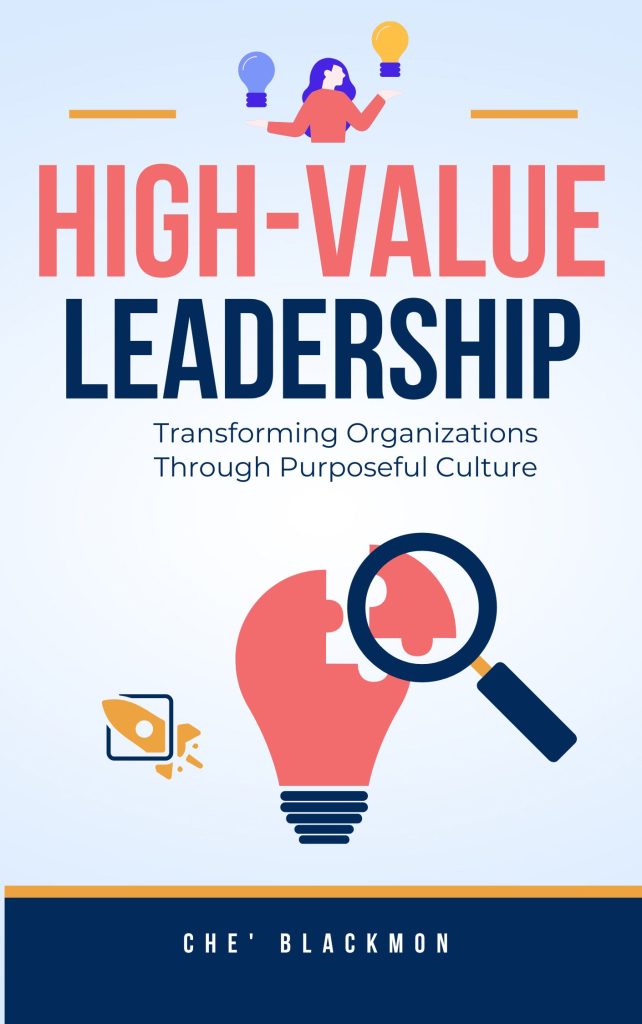
In my book “High-Value Leadership: Transforming Organizations Through Purposeful Culture,” I explore how intentional leadership practices create ripple effects throughout organizations. Gratitude represents one of the most powerful yet underutilized tools in a leader’s toolkit. When leaders express genuine appreciation, they’re not just making someone’s day—they’re rewiring workplace dynamics and building the foundation for sustainable engagement.
The Engagement-Gratitude Connection: What the Numbers Tell Us 📊
The business case for gratitude-driven culture transformation is irrefutable.
According to Snappy’s 2025 Workforce Study, 40% of employees report that appreciation from their direct manager is the most meaningful form of recognition they can receive. When recognition comes from leadership, it reinforces the connection between employees and their organization—and that connection translates directly to retention, productivity, and performance.
Consider these findings:
- Companies with highly engaged employees see a 21% increase in profitability and a 17% boost in productivity
- Engaged teams experience up to 59% less turnover in high-turnover industries
- Employees who express gratitude in the workplace are 26% more likely to trust their company’s senior leadership
- Employees with a strong sense of purpose at work are 5.6 times more likely to be engaged than those without—and gratitude helps create that sense of purpose
What’s particularly striking about Gallup’s 2025 data is where engagement is declining most dramatically: among managers under 35 and female managers, who experienced drops of 5 and 7 percentage points respectively. This isn’t random. When the people responsible for modeling culture and driving team performance feel disconnected, the entire organizational ecosystem suffers.
This is precisely why I emphasize in “Mastering a High-Value Company Culture” that culture transformation must be intentional and leader-driven. Gratitude isn’t a perk—it’s a practice. And like any practice, it requires commitment, consistency, and courage.
The Overlooked Truth: Gratitude and the Black Woman’s Experience in Corporate America 💪🏾
Here’s where we need to have an honest conversation—one that too many leadership discussions avoid.
The 2024 Women in the Workplace report from McKinsey and LeanIn.Org delivered sobering news: after notable improvements in 2021 and 2022, Black women’s promotion rates regressed to 2020 levels. The “broken rung” at the first promotion to manager continues to disproportionately impact Black women, who face both racial and gender barriers simultaneously.
But the statistics only tell part of the story. Black women in corporate spaces often experience what researchers describe as the “prove-it-again” bias—the need to consistently surpass their peers to achieve equal recognition. Less than a quarter of Black women feel they have the sponsorship needed to advance their careers. Many report being “the only” Black person in the room, leading to heightened feelings of exclusion, increased scrutiny, and pressure to perform not just for themselves, but as representatives of their entire demographic.
In this context, gratitude and recognition aren’t luxuries—they’re lifelines.
When leaders practice genuine gratitude toward traditionally overlooked team members, they do more than boost morale. They signal belonging. They validate contributions that might otherwise go unnoticed. They counter the invisibility that so many Black women describe as a defining feature of their corporate experience.
I wrote “Rise & Thrive: A Black Woman’s Blueprint for Leadership Excellence” because I understand this landscape intimately. With over 24 years in HR leadership across manufacturing, automotive, and healthcare sectors, I’ve witnessed how recognition—or its absence—shapes careers. I’ve seen talented Black women leave organizations not because they lacked capability, but because they lacked acknowledgment. The research from Harvard Business School confirms what many of us have experienced: Black women in leadership positions exhibit exceptional emotional intelligence, authenticity, and agility—traits developed precisely because navigating invisible hierarchies demands exceptional resilience.
A culture of gratitude doesn’t replace the systemic changes necessary for true equity. But it creates the conditions where those changes become possible—and where Black women and other traditionally marginalized employees can bring their full talents to the table.

Learning from the Lions: A Case Study in Culture Transformation 🦁
Sometimes the best business lessons come from unexpected places. For me, one of the most compelling examples of culture transformation comes from my hometown Detroit Lions.
For decades, the Lions were defined by losing. Multiple coaches came and went. Hall of Fame players like Barry Sanders and Calvin Johnson retired early rather than continue with a toxic organization. Fans wore paper bags to games. The culture was so damaged that talented people fled—sound familiar to any organizations you know?
Then something shifted. In 2020, Sheila Ford Hamp took over as principal owner. She recognized what so many organizational leaders fail to acknowledge: you cannot transform performance without transforming culture first. She brought in Chris Spielman as a special assistant specifically focused on culture, establishing what the organization called a “Culture Task Force.” She hired head coach Dan Campbell, who understood that sustainable success requires building people, not just strategies.
What Campbell brought wasn’t just football expertise—it was a philosophy of appreciation, development, and genuine connection. He invested in relationships, expressed pride in his players’ growth, and created an environment where every team member understood their value.
“Culture change. It’s easy to say, but it’s difficult to do,” Spielman noted. “63 percent of culture changes in corporate America or within a sports organization usually fail.”
The Lions didn’t just talk about culture—they built systems to sustain it. They conducted personal interviews with every new hire, asking about their backgrounds, their families, and what their organizational values meant to them personally. They made information available across the organization so everyone could put faces to names and understand their colleagues as whole people.
The results? The once-laughingstock franchise became one of the best teams in the NFL. Players who had opportunities elsewhere chose to stay because the culture made them want to be part of something meaningful.
The parallel to corporate culture transformation is direct: when leaders prioritize appreciation, development, and connection—when they see team members as whole people rather than just producers—everything changes. Grit emerges. Resilience develops. People stop watching for exit opportunities and start investing in collective success.
From Theory to Practice: Building Your Gratitude-Driven Culture ⚡
Understanding why gratitude matters is one thing. Implementing it is another.
Here’s what the research—and my experience working with organizations across sectors—reveals about making gratitude practices stick:
1. Make It Specific and Sincere
Generic “good job” statements don’t move the needle. Effective gratitude names specific contributions and connects them to organizational impact. Instead of “Thanks for your help on the project,” try “Your attention to detail in the Johnson presentation caught an error that could have cost us the contract. That kind of thoroughness makes our whole team stronger.”
2. Recognize Immediately and Consistently
Research shows that frequent, timely recognition creates greater impact than annual awards or periodic acknowledgments. Employees who receive recognition at least weekly are significantly more engaged than those recognized less frequently. This doesn’t require elaborate programs—it requires intentional attention.
3. Create Peer-to-Peer Recognition Channels
While recognition from leadership matters most, peer recognition builds the relational fabric that sustains culture. When team members acknowledge each other’s contributions, trust and collaboration flourish. This is especially important for traditionally overlooked employees who may not have regular access to senior leadership visibility.
4. Connect Gratitude to Purpose
Gallup’s research reveals that employees with strong work purpose are 5.6 times more likely to be engaged—and only 13% report frequent burnout, compared to 38% of those with low purpose. Gratitude becomes transformative when it connects individual contributions to meaningful outcomes. Help people see how their work matters.
5. Model It from the Top
Culture flows from leadership. If executives and managers don’t authentically practice gratitude, no program or platform will create lasting change. This requires vulnerability—acknowledging that you don’t have all the answers and that you genuinely value what others bring to the table.
6. Address Structural Barriers Simultaneously
Gratitude without equity rings hollow. For traditionally overlooked employees, recognition must be accompanied by fair promotion practices, equitable compensation, and genuine access to development opportunities. As I emphasize throughout my work, high-value leadership integrates appreciation with accountability for systemic change.
The Bottom Line: Culture Transformation Starts with You 🎯
The data is clear: gratitude isn’t soft—it’s strategic. Organizations that embed appreciation into their cultural DNA see measurable improvements in engagement, retention, productivity, and profitability.
But here’s what I want you to understand: culture transformation isn’t something that happens to organizations. It’s something leaders choose, day by day, interaction by interaction.
Every time you pause to acknowledge someone’s contribution, you’re building culture. Every time you ensure that the quietest voice in the room gets heard and appreciated, you’re building culture. Every time you connect someone’s work to larger purpose, you’re building culture.
For those of us who have navigated corporate spaces where our contributions were overlooked, where we had to work twice as hard for half the recognition, where our presence was tolerated but our excellence was invisible—we understand the transformative power of genuine appreciation. We know what it means to finally be seen.
That knowing gives us a unique capacity to lead with gratitude, to build cultures where everyone can rise and thrive.
The question isn’t whether gratitude works. The science has settled that. The question is whether you’re willing to lead the transformation your organization needs.
Discussion Questions for Your Leadership Team 💬
- How would you describe our current culture of recognition and appreciation? What would your team members say if asked the same question?
- Think about the last time you expressed specific, sincere gratitude to a team member. When was it? What prevented you from doing it more frequently?
- Which team members might be experiencing invisibility in our organization? How can we ensure their contributions receive appropriate recognition?
- What systems or practices could we implement to make gratitude a consistent part of our organizational culture rather than a periodic event?
- How do our recognition practices intersect with our equity goals? Are we inadvertently overlooking contributions from traditionally marginalized team members?
Your Next Steps 🚀
- Start a Gratitude Practice This Week: Commit to expressing specific, sincere appreciation to at least one team member each day for the next two weeks. Track the responses and your own experience.
- Audit Your Recognition Patterns: Review the last month of recognition in your team or organization. Who received acknowledgment? Who didn’t? What patterns emerge?
- Create Structural Support: Identify one system or process you can implement to make gratitude more consistent—whether it’s a standing agenda item in team meetings, a peer recognition platform, or simply a weekly reminder in your calendar.
- Deepen Your Understanding: Explore “High-Value Leadership” and “Mastering a High-Value Company Culture” for comprehensive frameworks on building sustainable, purpose-driven organizational cultures.
Ready to Transform Your Culture? 🌱
Culture transformation requires more than good intentions—it requires strategic implementation, accountability structures, and sometimes, an outside perspective to see what’s invisible from within.
At Che’ Blackmon Consulting, we partner with organizations to build high-value cultures where every team member can contribute fully and thrive authentically. Whether you’re facing engagement challenges, retention concerns, or simply know your culture needs to evolve, we can help you develop and implement a transformation strategy that delivers measurable results.
Let’s connect:
- 📧 Email: admin@cheblackmon.com
- 📞 Phone: 888.369.7243
- 🌐 Website: cheblackmon.com
_______________
Che’ Blackmon, SPHR is the Founder and CEO of Che’ Blackmon Consulting, providing fractional HR services and culture transformation solutions for organizations committed to becoming high-value workplaces. She is the author of “High-Value Leadership: Transforming Organizations Through Purposeful Culture,” “Mastering a High-Value Company Culture,” and “Rise & Thrive: A Black Woman’s Blueprint for Leadership Excellence.” She hosts the podcast “Unlock, Empower, Transform” and brings over 24 years of HR leadership experience across manufacturing, automotive, and healthcare sectors.
#GratefulLeadership #EmployeeEngagement #CultureTransformation #HighValueLeadership #WorkplaceCulture #HRLeadership #LeadershipDevelopment #BlackWomenInLeadership #RiseAndThrive #OrganizationalCulture #TalentRetention #EmployeeExperience #FractionalHR #PurposeDrivenLeadership #LeadershipTips