


In today’s hyper-competitive business landscape, organizations are constantly searching for that elusive edge—the differentiator that transforms good companies into great ones. While many chase the latest technology or trendy management fads, the most powerful competitive advantage might be simpler than you think. It’s gratitude.
Yes, appreciation. That fundamental human need we all share, yet somehow gets lost in quarterly reports and KPI dashboards.
The Business Case for Gratitude 📊
Research from the University of Pennsylvania reveals that grateful leaders see a 50% increase in team performance compared to their less appreciative counterparts. But here’s what the statistics don’t capture: grateful leadership fundamentally rewires organizational culture, creating ripple effects that touch every metric that matters—from retention to innovation to bottom-line results.
Consider this stark reality. Gallup reports that 79% of employees who quit their jobs cite “lack of appreciation” as a key reason for leaving. In an era where replacing an employee costs anywhere from 50% to 200% of their annual salary, can any organization afford NOT to prioritize gratitude?
The math is simple. The implementation? That’s where leadership transformation begins.
Beyond Token Gestures: The Architecture of Authentic Appreciation
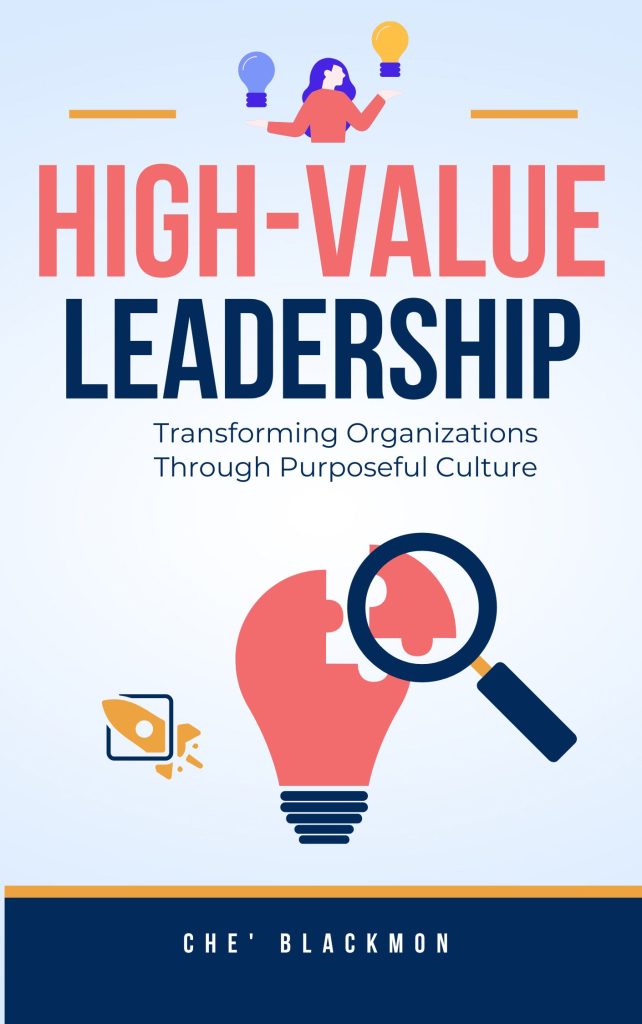
True grateful leadership transcends the occasional “good job” email or annual recognition dinner. It requires what I call in “High-Value Leadership” a systematic approach to embedding appreciation into the organizational DNA. This isn’t about feel-good initiatives that fade after the next crisis hits. It’s about building sustainable practices that become as routine as your morning operations meeting.
There was a manufacturing company in Michigan struggling with 40% annual turnover on their production floor. Traditional retention strategies—salary increases, signing bonuses, enhanced benefits—barely moved the needle. Then they implemented a gratitude-centered leadership approach. Supervisors were trained to deliver specific, timely appreciation daily. Not generic praise, but targeted recognition that acknowledged individual contributions and connected them to organizational impact. Within six months, turnover dropped to 18%. The secret? Employees finally felt seen.
This mirrors what neuroscience tells us about human motivation. Dr. Robert Emmons’ groundbreaking research at UC Davis shows that expressions of gratitude activate the hypothalamus, flooding our brains with dopamine. It’s literally addictive—in the best possible way. When leaders consistently express authentic appreciation, they’re not just being nice. They’re triggering neurochemical responses that enhance performance, creativity, and loyalty.
The Intersection of Gratitude and Equity 💫
Here’s where grateful leadership becomes revolutionary, particularly for traditionally overlooked populations in corporate America. Black women, who represent 7% of the U.S. population, hold only 1.5% of executive positions in Fortune 500 companies. The reasons are complex, but one factor stands out: chronic under-recognition of contributions.
Research from Catalyst reveals that Black women receive less credit for their ideas, have their expertise questioned more frequently, and must work harder to receive the same recognition as their peers. In this context, grateful leadership isn’t just nice to have—it’s a crucial tool for equity.
When organizations implement structured appreciation practices, something powerful happens. The invisible becomes visible. Contributions that might have been overlooked get spotlighted. The quiet excellence that Black women often demonstrate while navigating additional workplace challenges finally receives its due recognition.
A healthcare system in Detroit discovered this firsthand. After implementing daily gratitude rounds where leaders specifically acknowledged contributions across all levels, they noticed a pattern. Many of their most innovative solutions came from Black women in middle management who had been consistently overlooked for advancement. Once their contributions were regularly recognized, promotion rates for this demographic increased by 35% over 18 months. Not through quotas or special programs, but through the simple act of seeing and appreciating what was already there.
The Cultural Transformation Framework 🎯
Building a culture of grateful leadership requires intentionality. In “Mastering a High-Value Company Culture,” I outline the framework that transforms appreciation from random acts to systematic practice:
Morning Gratitude Huddles: Start each day with teams sharing one specific appreciation for a colleague’s recent contribution. It takes five minutes and sets the tone for the entire day. The key? Specificity. Not “Thanks for your hard work,” but “Thank you for staying late to resolve that customer issue—your dedication saved that account.”
The 5:1 Ratio: Research from the Gottman Institute shows that high-performing teams maintain a ratio of five positive interactions to every negative one. Track your appreciation-to-criticism ratio. Most leaders are shocked to discover they’re operating at 1:3 in the opposite direction.
Cross-Functional Gratitude: Silos dissolve when appreciation flows horizontally. Implement monthly sessions where departments formally recognize other teams’ contributions. Watch how collaboration improves when people feel valued by colleagues beyond their immediate circle.
Appreciation Mapping: Document and celebrate the journey, not just destinations. There was a logistics company that created visual maps showing how individual contributions connected to achieve major wins. Warehouse workers could literally see how their accuracy improvements led to customer retention. Powerful.

The Traditionally Overlooked: Making Space for Everyone’s Excellence
Grateful leadership has particular resonance for those who’ve been historically marginalized in corporate spaces. As outlined in “Rise & Thrive: A Black Woman’s Blueprint for Leadership Excellence,” recognition isn’t distributed equally in most organizations. Women receive 25% less recognition than men for similar achievements. For Black women, that gap widens further.
But here’s what happens when leaders commit to equitable appreciation. Psychological safety increases. People stop code-switching and bring their authentic selves to work. Innovation flourishes because diverse perspectives feel valued enough to be shared.
Consider the story of a technology firm that implemented “Appreciation Audits.” They tracked who received public recognition over three months and discovered 78% went to the same 15% of employees—predominantly white men in technical roles. Once aware, they didn’t lower their standards. They expanded their definition of excellence. Customer service innovations received the same spotlight as coding breakthroughs. Process improvements got celebrated alongside product launches. Within a year, employee engagement scores among traditionally overlooked groups increased by 42%.
Current Trends: The Evolution of Appreciation 📈
Today’s workforce demands more than annual performance reviews and employee-of-the-month plaques. They crave continuous, meaningful recognition that acknowledges their whole selves. Here’s what’s trending:
Peer-to-Peer Recognition Platforms: Technology enables real-time appreciation that doesn’t wait for manager approval. Teams using platforms like Bonusly or Achievers report 32% higher engagement scores.
Values-Based Recognition: Don’t just appreciate what people do. Recognize how they do it. When someone demonstrates core values—integrity, innovation, inclusion—call it out specifically.
Micro-Appreciations: The future isn’t grand gestures. It’s consistent, small acknowledgments that add up to feeling valued every single day. A Slack message. A handwritten note. A public shoutout in the team meeting.
Cultural Celebration: Grateful leadership acknowledges the whole person. Recognizing cultural holidays, learning correct name pronunciations, appreciating diverse problem-solving approaches—these “small” acts have massive impact.
The Retention Revolution 💪
Let’s talk ROI. Organizations implementing comprehensive grateful leadership practices report:
- 31% lower turnover
- 12% increase in productivity
- 23% higher profitability
- 87% better employee engagement scores
But perhaps more importantly, they report something unquantifiable: hope. Employees believe their organizations care about them as humans, not just producers. That belief transforms everything.
There was an automotive supplier facing a talent crisis. Skilled workers were leaving for competitors offering $2-3 more per hour. Instead of entering a bidding war, they invested in grateful leadership training for all supervisors. The result? Turnover dropped 44% without increasing wages. Employees literally turned down higher-paying offers because they finally felt valued where they were.
Practical Implementation: Your 30-Day Gratitude Challenge 🚀
Ready to harness the competitive advantage of appreciation? Here’s your roadmap:
Week 1: Baseline Assessment Track your current appreciation practices. How often do you express gratitude? Who receives it? What triggers it? Be honest about your starting point.
Week 2: Daily Gratitude Practice Commit to three specific appreciations daily. One to a direct report. One to a peer. One to someone whose work indirectly impacts yours. Use this formula: “I appreciate [specific action] because [impact it had].”
Week 3: Systemic Implementation Institute one structural change. Maybe it’s starting meetings with appreciation. Perhaps it’s ending emails with gratitude. Choose one practice and make it non-negotiable.
Week 4: Expand the Circle Look for overlooked excellence. Whose contributions go unrecognized? Whose ideas get credited to others? Become an appreciation advocate for the traditionally overlooked.
The Leadership Imperative
Grateful leadership isn’t soft. It’s strategic. In a world where talent has choices, where innovation requires psychological safety, where diversity drives competitive advantage, appreciation becomes your secret weapon.
But here’s the truth bomb: most leaders know this intellectually yet fail to execute consistently. Why? Because gratitude requires vulnerability. It means admitting we need each other. It means seeing others’ contributions as essential, not threatening. It means dismantling the myth of the self-made success.
For Black women and other traditionally overlooked populations, grateful leadership offers something even more profound: visibility. After decades of having contributions minimized or attributed to others, consistent appreciation validates what they’ve always known—their excellence matters.
Your Next Action Steps 🎯
The journey to grateful leadership starts with a single step, but sustainable transformation requires support. Here’s how to begin:
- Conduct an Appreciation Audit: Honestly assess your current recognition practices. Who gets appreciated? Who doesn’t? What contributions go unnoticed?
- Create Your Gratitude Protocol: Design specific, repeatable practices that ensure appreciation becomes systematic, not sporadic.
- Address Equity Gaps: Actively seek out and recognize traditionally overlooked contributions. Be intentional about appreciating diverse forms of excellence.
- Measure Impact: Track changes in engagement, retention, and performance. What gets measured gets sustained.
- Get Support: Leadership transformation doesn’t happen in isolation. Whether through coaching, training, or consulting, invest in developing this critical capability.
Discussion Questions for Your Team 💭
- How would our workplace culture change if everyone received meaningful appreciation daily?
- What contributions in our organization regularly go unrecognized?
- How might grateful leadership specifically impact our traditionally overlooked team members?
- What stops us from expressing appreciation more frequently?
- How could we build appreciation into our operational rhythms, not just special occasions?
- What would it look like if gratitude became our competitive advantage?
Transform Your Organization Through Grateful Leadership
Ready to build a culture where appreciation drives performance, retention soars, and everyone—especially your traditionally overlooked talent—thrives?
Che’ Blackmon Consulting specializes in helping organizations implement grateful leadership practices that deliver measurable results. Through our High-Value Leadership framework, we’ll help you build systematic appreciation practices that transform culture and drive competitive advantage.
Whether you’re facing retention challenges, engagement issues, or simply know your organization could achieve more through grateful leadership, we’re here to guide your transformation.
Take the first step toward becoming a grateful leader:
📧 Email us: admin@cheblackmon.com
📞 Call us: 888.369.7243
🌐 Visit us: cheblackmon.com
Because in the end, the organizations that win won’t be those with the biggest budgets or the flashiest technology. They’ll be the ones where people feel genuinely valued for their contributions. Where excellence gets recognized regardless of who delivers it. Where gratitude isn’t an HR initiative but a leadership imperative.
That competitive advantage? It’s waiting for you. The only question is: are you ready to claim it?
Remember: Grateful leadership isn’t about being soft. It’s about being smart. In a world crying out for authentic human connection, the leaders who master appreciation won’t just build better organizations—they’ll build better humans. And that’s the ultimate competitive advantage.
#GratefulLeadership, #HighValueLeadership, #LeadershipDevelopment, #CompanyCulture, #EmployeeEngagement, #DiversityAndInclusion, #BlackWomenInLeadership, #OrganizationalCulture, #TalentRetention, #LeadershipCoaching, #WorkplaceCulture, #EmployeeRecognition, #CultureTransformation, #ExecutiveCoaching, #LeadershipMatters, #HRLeadership, #InclusiveLeadership, #AuthenticLeadership, #PurposefulCulture, #LeadershipExcellence