

“My first post-collegiate job was for a nonprofit human service organization for which I worked for two fabulous managers, Lillian and Joan. Their leadership style modeled exactly how to generate high value, and they showed it could be done on a shoestring.” – Che’ Blackmon, Rise & Thrive
In the nonprofit sector, the phrase “doing more with less” isn’t just a catchphrase—it’s a daily reality. Limited budgets. Lean teams. Overwhelming community needs. Yet within these constraints lies an opportunity to demonstrate what I call “high-value leadership”—the ability to create extraordinary impact through purposeful culture and strategic resource management.
The Nonprofit Leadership Challenge: A Different Kind of Pressure
Leading a nonprofit organization presents unique challenges that for-profit leaders rarely face. You’re managing multiple bottom lines: financial sustainability, mission impact, and stakeholder trust. Your team members often work for less than market rate because they believe in the cause. Your board expects miracles on a shoestring budget.
As I shared in “Mastering a High-Value Company Culture,” culture is the lifeblood of any organization. This truth becomes even more critical in nonprofits where culture often substitutes for the perks and compensation packages that attract talent elsewhere.
Consider Sarah, the executive director of a youth development nonprofit in Detroit. With an annual budget of just $500,000, she manages programs serving over 1,000 young people. Her secret? Building a culture where every dollar stretches because every team member feels personally invested in the mission.
The Double-Bind Advantage™: Turning Constraints into Catalysts
In “Rise & Thrive,” I introduced the concept of the Double-Bind Advantage™—how Black women transform systemic barriers into leadership strengths. This same principle applies to nonprofit leadership. Your resource constraints, while challenging, can become catalysts for innovation, collaboration, and sustainable impact.
Here’s how constraints can work in your favor:
- Forced Innovation: Limited resources spark creative problem-solving
- Mission Clarity: Scarcity demands laser focus on what truly matters
- Team Cohesion: Shared challenges build stronger bonds
- Community Partnership: Need drives authentic collaboration
- Sustainable Practices: Efficiency becomes embedded in culture
Building a High-Value Culture on a Nonprofit Budget
1. Lead with Purpose, Not Perks
In my early nonprofit experience with Lillian and Joan, I learned that purpose can be more powerful than paychecks. They created a culture where:
- Every team member understood how their work changed lives
- Small celebrations recognized big impacts
- Professional growth substituted for financial rewards
- Shared meals (especially Lillian’s Polish dishes!) built family-like bonds
Action Step: Create a “Mission Moments” ritual where team members share weekly stories of impact. This costs nothing but builds invaluable connection to purpose.
2. Leverage the Five Languages of Appreciation
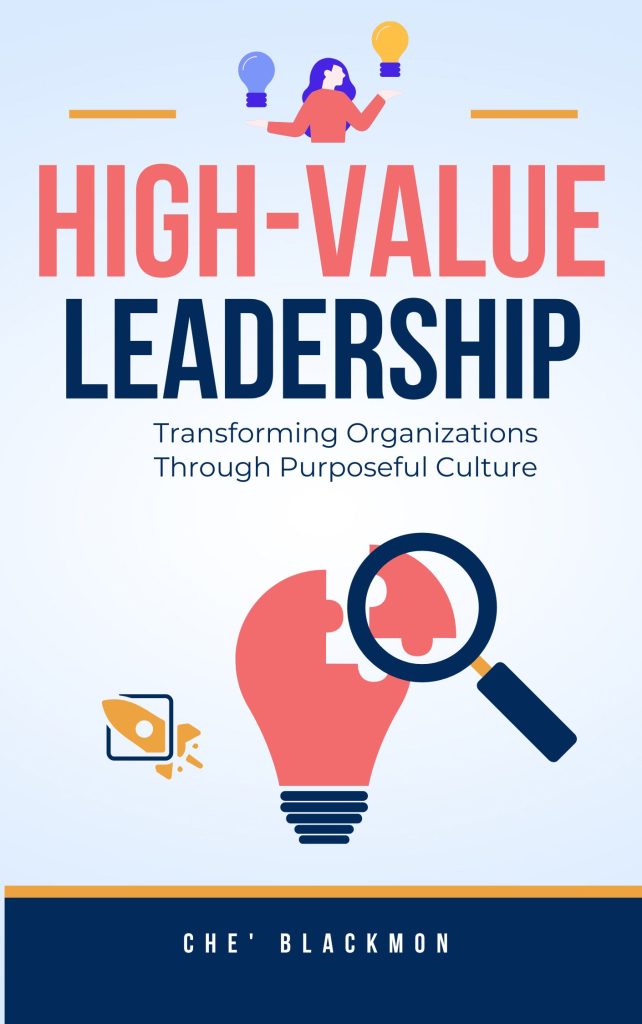
Drawing from “High-Value Leadership,” recognition doesn’t require a budget. Use the five languages of appreciation strategically:
- Words of Affirmation: Public recognition in team meetings
- Quality Time: One-on-one development conversations
- Acts of Service: Leaders helping with hands-on work
- Tangible Gifts: Handwritten notes or donated items
- Appropriate Touch: High-fives and team huddles
Case Study: A small environmental nonprofit increased retention by 40% simply by implementing weekly appreciation practices tailored to each team member’s preference.
3. Transform Scarcity Mindset into Abundance Thinking
Limited resources often create a scarcity mindset that becomes self-fulfilling. Instead, cultivate abundance thinking:
From Scarcity: “We can’t afford professional development.” To Abundance: “Let’s create peer learning circles and access free resources.”
From Scarcity: “We don’t have enough staff.” To Abundance: “How can we engage volunteers meaningfully?”
The UNITE Framework for Nonprofit Team Building
Adapted from “High-Value Leadership,” this framework helps you build high-performing teams without high-cost investments:
U – Understand Individual Strengths
- Use free assessments to identify team talents
- Match roles to natural abilities
- Create complementary partnerships
N – Nurture Psychological Safety
- Address the unique pressures nonprofit workers face
- Create space for burnout prevention
- Normalize sustainable pace
I – Inspire Collective Purpose
- Connect daily tasks to mission impact
- Share beneficiary stories regularly
- Celebrate collective wins
T – Transfer Knowledge Systematically
- Document processes for sustainability
- Create mentorship programs
- Build learning into daily work
E – Establish Excellence Standards
- Define success beyond financial metrics
- Measure mission impact rigorously
- Maintain high standards despite constraints
Strategic Resource Management: The Nonprofit Leadership Toolkit
1. The Triple Bottom Line Budget
Move beyond traditional budgeting to consider:
- Financial Resources: Money, grants, donations
- Human Resources: Staff time, volunteer hours, board expertise
- Social Resources: Community partnerships, reputation, trust
2. The Partnership Multiplication Strategy
Every resource limitation is an opportunity for partnership:
- Space constraints? Partner with schools, churches, or businesses
- Staff limitations? Collaborate with universities for interns
- Technology needs? Seek pro bono support from tech companies
- Marketing gaps? Engage volunteer professionals
Real-World Example: A literacy nonprofit tripled its reach by partnering with the public library system, gaining free space, volunteer tutors, and built-in marketing.
3. The Innovation Through Constraints Model
Borrowing from design thinking, use constraints as creative catalysts:
- Define the constraint clearly
- Brainstorm solutions that work within limits
- Pilot low-cost experiments
- Scale what works
- Share learnings with other nonprofits
Navigating Nonprofit Politics with Strategic Intelligence
Nonprofit leadership involves managing complex stakeholder relationships. Apply these strategies from “Rise & Thrive”:
Board Management
- Educate board members on operational realities
- Create clear role definitions
- Use data to support resource requests
- Build individual relationships with key members
Donor Relations
- Demonstrate impact, not just need
- Create meaningful engagement beyond asking
- Build long-term partnerships, not transactions
- Show fiscal responsibility alongside mission passion
Community Partnerships
- Approach with mutual benefit mindset
- Clearly define roles and expectations
- Celebrate partner contributions publicly
- Build trust through consistent delivery

The Evolution of Nonprofit Leadership: Current Trends
Drawing from Dave Ulrich’s updated HR Business Partner model, nonprofit leadership is evolving:
From Service Delivery to Systems Change
Modern nonprofit leaders think beyond direct service to address root causes and systemic barriers.
From Isolation to Ecosystem Leadership
Success comes through collective impact and strategic partnerships rather than organizational silos.
From Scarcity to Sustainability
Focus shifts from survival to building sustainable models that ensure long-term impact.
From Intuition to Data-Informed Decisions
While maintaining heart-centered leadership, incorporate data and evidence into strategy.
Preventing Burnout While Building Impact
Nonprofit leaders face unique burnout risks. Build resilience using the SHIELD strategy from “Rise & Thrive”:
S – Self-Awareness: Monitor your energy and effectiveness
H – Healthy Coping: Develop practices that sustain you
I – Internal Resources: Strengthen your sense of purpose
E – External Support: Build peer networks with other nonprofit leaders
L – Learning Orientation: View challenges as growth opportunities
D – Daily Practices: Maintain routines that replenish you
Creating Your 90-Day Nonprofit Leadership Action Plan
Days 1-30: Assessment and Foundation
- Conduct culture audit using High-Value principles
- Identify top 3 resource constraints to address
- Map existing partnerships and potential collaborations
- Establish team appreciation practices
Days 31-60: Strategy and Systems
- Implement one new partnership
- Launch peer learning initiatives
- Create mission moment rituals
- Develop resource multiplication strategies
Days 61-90: Sustainability and Scale
- Document successful innovations
- Share learnings with team and board
- Plan for sustainable growth
- Celebrate progress and impact
The Ripple Effect of High-Value Nonprofit Leadership
When you lead a nonprofit with high-value principles, the impact extends far beyond your organization:
- Staff members develop skills that serve them throughout their careers
- Volunteers become ambassadors for your cause
- Beneficiaries receive not just services but dignity and empowerment
- The community gains a model for what’s possible with purposeful leadership
- Other nonprofits learn from your innovations
As I learned from Lillian and Joan, building high-value culture isn’t about having abundant resources—it’s about resourceful abundance in how you value people, leverage partnerships, and maintain unwavering focus on purpose.
Discussion Questions for Reflection
- What resource constraints in your nonprofit could become catalysts for innovation?
- How might you apply the Five Languages of Appreciation with zero budget?
- Which partnerships could multiply your impact without increasing costs?
- What scarcity mindsets need to shift to abundance thinking in your organization?
- How can you better care for yourself while caring for your mission?
Your Next Steps
- Assess your current nonprofit culture using the principles from this article
- Identify one resource constraint to transform into an opportunity this month
- Connect with other nonprofit leaders to share strategies and support
- Implement one new appreciation practice with your team this week
- Document your innovations to share with the nonprofit community
Ready to Transform Your Nonprofit Leadership?
Leading with limited resources doesn’t mean limiting your impact. If you’re ready to build a high-value culture that transforms constraints into catalysts for success, let’s connect.
Che’ Blackmon Consulting specializes in helping nonprofit leaders create sustainable, high-impact organizations through strategic culture transformation and leadership development. Our fractional CHRO services provide executive-level expertise at nonprofit-friendly investments.
We offer:
- Nonprofit Leadership Intensive (90-day transformation program)
- Culture Assessment and Strategic Planning
- Board Development and Engagement Strategies
- Team Building and Appreciation Systems
- Burnout Prevention and Leader Resilience Programs
Schedule a consultation to explore how we can help you lead with purpose, multiply resources through partnership, and create lasting impact in your community.
Remember: Your resource constraints don’t define your impact—your leadership does.
Che’ Blackmon is the CEO of Che’ Blackmon Consulting and author of “Mastering a High-Value Company Culture,” “High-Value Leadership: Transforming Organizations Through Purposeful Culture,” and “Rise & Thrive: A Black Woman’s Blueprint for Leadership Excellence.” With over 20 years of experience transforming organizations across sectors, she specializes in helping leaders create high-value cultures that deliver breakthrough results, regardless of resource constraints.
#NonprofitLeadership #HighValueCulture #LeadershipDevelopment #NonprofitManagement #OrganizationalCulture #SocialImpact #ResourcefulLeadership #NonprofitExcellence #CultureTransformation #LeadershipStrategy #MissionDriven #NonprofitInnovation #TeamBuilding #ExecutiveLeadership #CHROInsights