

By Che’ Blackmon, Founder & CEO, Che’ Blackmon Consulting
There’s a moment that comes to many accomplished corporate professionals—a quiet realization that the path you’ve been climbing no longer leads where you want to go. Maybe it’s the third time you’ve been passed over for a promotion despite exceptional performance. Maybe it’s the exhaustion of navigating toxic culture while delivering extraordinary results. Maybe it’s the dream you’ve been deferring for “someday” that suddenly feels urgent.
For me, that moment came after 24+ years of progressive HR leadership across manufacturing, automotive, and healthcare. I’d built HR departments from scratch, led culture transformations, achieved measurable business results, and earned every credential the profession offers. On paper, I was successful. In reality, I was ready for something different—something I could build on my own terms.
In April 2024, I made the leap from corporate executive to entrepreneur, launching Che’ Blackmon Consulting. Now, as I’m building Michigan’s first AI-powered culture transformation platform while pursuing my doctorate, I’m living proof that the transition from corporate to consulting—while challenging—can be the most fulfilling professional decision you make.
This article isn’t theoretical. It’s the roadmap I wish I’d had—the practical, honest guide to making the entrepreneur’s exit successfully.
Why Accomplished Professionals Are Choosing the Exit Ramp 💡
The corporate-to-consulting transition isn’t new, but it’s accelerating. Here’s why:
1. The Glass Ceiling That Never Breaks
Despite decades of “diversity and inclusion” initiatives, the statistics remain stark: only 4% of C-suite positions are held by Black professionals, and Black women hold less than 1.5% of executive roles. For many accomplished Black women, the realization hits: no matter how hard you work, how many degrees you earn, or how exceptional your results, there’s a ceiling you’re not allowed to break.
As I discuss in Rise & Thrive: A Black Woman’s Blueprint for Leadership Excellence, sometimes the most strategic move is creating your own table rather than fighting for a seat at one that was never designed to include you.
2. The Toll of Code-Switching and Cultural Navigation
The exhaustion is real. Modulating your tone so you’re not “too aggressive.” Managing your hair so it’s “professional.” Explaining your lived experiences to colleagues who’ve never had to think about race. Absorbing microaggressions with grace while delivering exceptional work. Watching less-qualified colleagues advance while you’re told to “be patient.”
One study found that Black professionals spend an average of 2.3 hours daily managing bias and navigating workplace racism—time their white colleagues invest in relationship-building, skill development, and career advancement. Over a career, that’s years of your life spent on survival rather than thriving.
Consulting offers an alternative: you set the culture, define the standards, and work with clients who value your expertise without requiring constant self-editing.
3. The Compensation Reality
Black women earn 67 cents for every dollar white men earn in traditional corporate roles. In consulting, you set your rates based on value delivered, not organizational pay bands that systematically undervalue your contributions.
There was a Black woman who left a corporate director role making $125,000 to launch her own consulting practice. Year one, she earned $98,000 working fewer hours. Year two: $165,000. Year three: $240,000. She’ll never close that gap as someone’s employee.
4. The Autonomy and Impact You’ve Always Wanted
In corporate roles, you implement strategies others design. You navigate bureaucracy and politics. You wait for approvals and committee decisions. In consulting, you identify problems, design solutions, implement strategies, and see direct impact—often in weeks rather than years.
The autonomy is intoxicating. So is the impact.
5. The Legacy and Wealth-Building Opportunity
Corporate jobs build your resume. Consulting builds your business—an asset you own, can scale, can sell, and can pass to the next generation. For Black women with an average net worth of $200 (compared to $41,000 for white women), entrepreneurship represents one of the few viable wealth-building pathways.
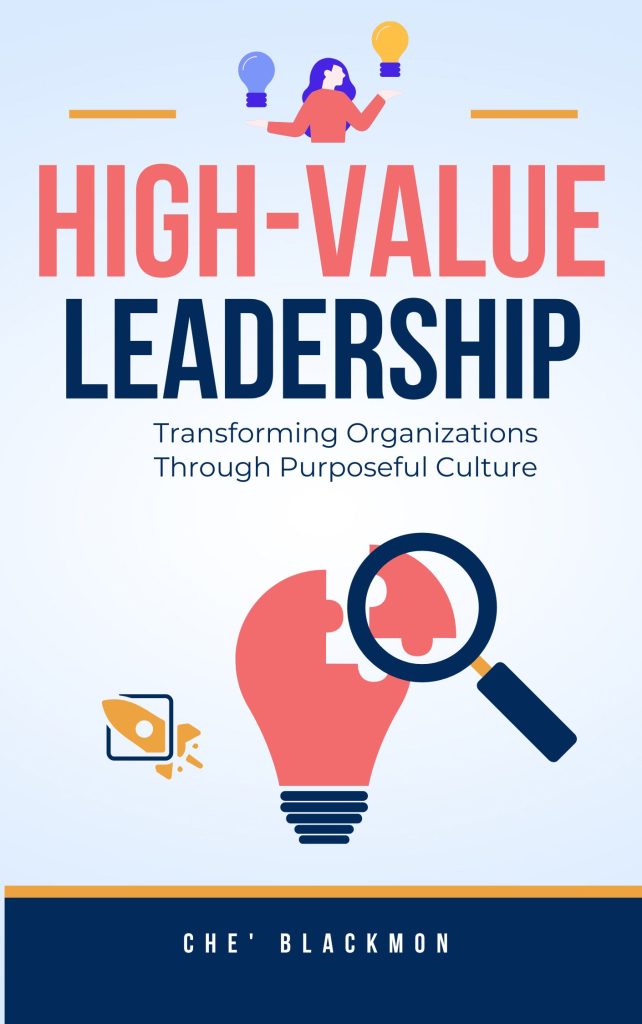
In High-Value Leadership: Transforming Organizations Through Purposeful Culture, I discuss how transformational leaders create sustainable impact. Sometimes that impact comes from building something entirely your own.
The Honest Reality: What Corporate Doesn’t Prepare You For ⚠️
Before we romanticize the transition, let’s be brutally honest about what corporate life doesn’t prepare you for:
You’re Now Responsible for Everything
In corporate roles, someone handles IT issues, accounting, legal contracts, marketing, business development, invoicing, collections, insurance, taxes, and administrative tasks. In consulting? That’s all you—at least initially.
The skillset that made you an exceptional HR executive or operations leader doesn’t automatically translate to running a business. You’ll need to learn (or outsource) functions you’ve never touched.
Income Volatility is Real
Corporate paychecks arrive predictably every two weeks. Consulting income fluctuates wildly, especially early on. You might bill $30,000 one month and $3,000 the next. This volatility requires financial discipline, substantial savings, and psychological adjustment.
One consultant shared: “The first time I had a $0 income month after 20 years of six-figure salaries, I had a full-blown panic attack. I had to completely reframe my relationship with money and income predictability.”
You Are the Brand (And the Product)
In corporate roles, you represent the organization’s brand. In consulting, you ARE the brand. Every interaction, every social media post, every client engagement reflects on you personally. This visibility is both opportunity and pressure.
For Black women especially, this means navigating stereotypes not just about your professional capabilities but about Black women entrepreneurs—assumptions about expertise, credibility, and seriousness that you must actively counter through every client interaction.
Loneliness and Isolation Are Underestimated
Corporate life includes built-in community—colleagues, team meetings, water cooler conversations, organizational culture (even if dysfunctional). Consulting, especially initially, is isolating. You work alone, make decisions alone, and celebrate wins alone.
One former executive admitted: “I didn’t realize how much I’d miss the casual interactions with colleagues. Some days, the only adult conversation I had was with the barista at Starbucks.”
Healthcare, Benefits, and Retirement Planning Become Your Responsibility
Corporate employees often take benefits for granted—employer-subsidized health insurance, 401(k) matching, paid time off, disability insurance. As a consultant, you pay full freight for everything, and costs add up quickly.
Healthcare alone can cost $800-1,500 monthly for individual coverage with high deductibles. Retirement contributions come entirely from your pocket. There’s no paid vacation—if you’re not working, you’re not earning.

The Strategic Transition: A Phased Approach 🗺️
The most successful transitions aren’t impulsive leaps—they’re strategic, phased approaches that reduce risk while building momentum. Here’s the framework:
Phase 1: Foundation Building (6-12 Months Before Exit)
Financial Preparation:
- Build 9-12 months of living expenses in savings (not 3-6 months—that’s insufficient)
- Pay down high-interest debt aggressively
- Reduce monthly expenses to create financial runway
- Research health insurance options and costs
- Understand tax implications of self-employment
Market Research and Validation:
- Identify your specific consulting niche and ideal clients
- Research market rates for your services
- Conduct informal interviews with potential clients about their needs
- Join consulting associations and entrepreneur networks
- Follow and study successful consultants in your field
Skill Development:
- Take courses in business development, marketing, and financial management
- Learn consulting methodologies and frameworks
- Develop your thought leadership voice through writing or speaking
- Build comfort with selling (this is often the hardest skill for former employees)
Legal and Administrative Setup:
- Consult with attorney about business structure (LLC, S-Corp, etc.)
- Work with accountant on tax strategy and bookkeeping systems
- Research business insurance requirements
- Set up basic business infrastructure (website, email, contracts)
Network Cultivation:
- Reconnect with former colleagues and industry contacts
- Join professional associations relevant to your consulting focus
- Attend conferences and networking events
- Begin building your LinkedIn presence and personal brand
There was a corporate VP who spent 18 months preparing for her consulting transition. She saved $75,000 in runway capital, took business courses at the local community college, built relationships with 30 potential clients, and had her first three consulting contracts lined up before giving notice. Her transition was seamless because she’d done the foundational work.
Phase 2: The Bridge Strategy (3-6 Months)
Many successful transitions include a bridge period—time when you’re testing consulting while maintaining some income stability:
Option A: Part-Time or Fractional Role
- Negotiate a transition to part-time status with your current employer
- Take a fractional executive role that provides steady income while allowing consulting time
- Accept contract work that offers flexibility
Option B: Sabbatical or Leave
- Some organizations offer sabbatical programs after tenure milestones
- Unpaid leave provides time to test consulting without fully severing ties
- This approach offers a safety net if consulting doesn’t work out
Option C: Side Hustle Testing
- Begin consulting evenings and weekends while employed (check your employment agreement carefully for non-compete and conflict of interest provisions)
- Test your services, refine your offerings, and validate demand
- Build confidence and client base before full transition
I chose a hybrid approach: I left my corporate role but immediately secured a fractional HR consulting engagement that provided base income while I built my broader consulting practice and launched the AI-powered culture transformation platform I’m developing for CBC Consulting.
Phase 3: The Launch (Months 1-6)
The first six months of full-time consulting are critical:
Business Development Focus:
- Dedicate 50-60% of time to business development initially (networking, proposals, relationship building)
- Say yes to opportunities that build experience and portfolio
- Price competitively while you establish credibility (but not desperately—that signals lack of confidence)
- Track everything: leads, proposals, conversion rates, revenue
Service Refinement:
- Start with services you can deliver immediately based on your expertise
- Gather feedback obsessively and refine offerings
- Document your processes and methodologies
- Create case studies and testimonials
Systems and Infrastructure:
- Implement CRM system for tracking prospects and clients
- Set up bookkeeping and invoicing systems
- Create contract templates and project management tools
- Establish your client delivery process
Marketing and Visibility:
- Publish content regularly (blog posts, LinkedIn articles, videos)
- Speak at industry events and conferences
- Join podcasts or create your own (I launched “Unlock, Empower, Transform with Che’ Blackmon”)
- Build your email list and nurture relationships
One consultant shared: “My first six months, I submitted 47 proposals and landed 6 clients. That 13% conversion rate felt terrible at the time, but looking back, it was exactly what I needed to learn my market, refine my pitch, and build confidence.”
Phase 4: Stabilization and Growth (Months 6-18)
After the initial survival period, focus shifts to sustainability and growth:
Diversify Revenue Streams:
- Consulting services (one-on-one client work)
- Group programs (workshops, cohort-based learning)
- Digital products (online courses, templates, frameworks)
- Speaking engagements
- Writing (books, paid articles)
Systematize and Scale:
- Document delivery methodologies so you’re not reinventing constantly
- Consider subcontractors or associates to expand capacity
- Develop signature frameworks and intellectual property
- Create leveraged offerings (one-to-many rather than one-to-one)
Strategic Positioning:
- Raise rates as demand and expertise grow
- Say no to projects that don’t align with strategy or values
- Focus on ideal clients and premium services
- Build authority in your specific niche
Financial Maturity:
- Implement percentage-based financial system (30% taxes, 20% profit/savings, 50% operations)
- Invest in retirement consistently
- Build emergency fund beyond initial runway
- Consider disability and life insurance
I’m currently in this phase with CBC Consulting—diversifying beyond traditional consulting into the AI-powered culture transformation platform, continuing my doctoral research, maintaining my podcast and YouTube series, and publishing books. Multiple revenue streams create both stability and scalability.
Phase 5: Sustainability and Legacy (18+ Months)
Long-term success requires thinking beyond immediate client work:
Build Assets:
- Intellectual property (books, courses, frameworks, assessments)
- Recurring revenue (retainers, subscriptions, memberships)
- Scalable programs that aren’t dependent on your time
- Systems and team that can operate without you
Strategic Partnerships:
- Collaborate with complementary consultants
- Create referral networks and alliances
- Consider strategic acquisitions or mergers
- Build affiliate and licensing arrangements
Legacy and Impact:
- Mentor emerging consultants, especially from underrepresented backgrounds
- Contribute thought leadership that shapes your industry
- Create pathways for others who’ll follow your journey
- Build something that outlasts your active involvement
In Mastering a High-Value Company Culture, I discuss how high-value organizations create sustainable impact. The same principle applies to consulting businesses—you’re building something with lasting value beyond immediate transactions.
Special Considerations for Black Women Making the Transition 💪
The corporate-to-consulting transition has unique dimensions for Black women that warrant explicit discussion:
1. Addressing the Credibility Gap
Research shows that Black women consultants face more scrutiny about their expertise than white consultants with identical credentials. Clients question your background more aggressively, request more references, and negotiate more aggressively on price.
Strategies:
- Over-credential initially (display degrees, certifications, awards prominently)
- Lead with quantifiable results from corporate career
- Secure early testimonials and case studies from recognizable clients
- Consider partnering with established consultants for larger early projects
- Build a strong digital presence (website, LinkedIn, published content) that establishes authority
2. Navigating Pricing Dynamics
Black women often underprice services due to:
- Internalized messaging about their worth
- Reasonable fear that higher pricing will trigger bias
- Lack of access to information about market rates
- Pressure to prove themselves through “affordability”
Strategies:
- Research market rates obsessively and price at market (minimum)
- Join consultant networks where pricing is discussed transparently
- Practice pricing conversations until they feel natural
- Remember that underpricing signals lack of confidence, not value
- Increase rates regularly (10-15% annually minimum)
There was a Black woman consultant who started pricing her strategic consulting at $150/hour—substantially below the $300-500/hour market rate—because she feared pricing herself out of opportunities. After six months of being constantly busy but barely profitable, a mentor convinced her to raise rates to $400/hour. She lost two price-sensitive clients and gained four high-value clients who respected her expertise. Her revenue doubled while her hours decreased by 30%.
3. Building Networks Without Existing Social Capital
Many successful consultants leverage existing professional networks from their corporate careers. For Black women who were often isolated in corporate spaces or excluded from influential networks, this advantage is limited.
Strategies:
- Intentionally join professional associations and attend conferences
- Create your own community through content creation and thought leadership
- Leverage online networks and communities (LinkedIn, industry-specific groups)
- Partner with other consultants to access their networks
- Focus on delivering exceptional value so clients become enthusiastic referral sources
4. Managing the Emotional Tax
The stress of navigating bias doesn’t end when you leave corporate. Black women consultants still encounter clients who underestimate their expertise, question their credentials, or treat them as less authoritative than white consultants.
Strategies:
- Develop screening questions to assess client fit and readiness
- Walk away from clients who don’t demonstrate respect
- Build a support network of other Black women consultants who understand
- Invest in therapy or coaching to process the emotional labor
- Remember that every problematic client you fire creates space for a great one
5. Accessing Capital and Resources
Black women receive less than 1% of venture capital funding and face systematic barriers accessing business loans and credit. Building a consulting business often requires bootstrap financing.
Strategies:
- Build substantial personal savings before transition
- Start lean and grow organically from revenue
- Explore grants and programs specifically for Black women entrepreneurs
- Consider business incubators and accelerators
- Leverage free or low-cost tools and resources initially
Common Mistakes and How to Avoid Them 🚫
Having made this transition myself and supported others through it, here are the mistakes I see repeatedly:
Mistake #1: Leaving Without Adequate Runway
The biggest mistake is underestimating how long it takes to build sustainable income. Three months of savings isn’t enough. Six months is barely adequate. Nine to twelve months is realistic.
Solution: Stay in corporate longer than you want to while you build financial reserves. The security is worth the temporary frustration.
Mistake #2: Being a Generalist
“I can help any organization with anything” is not a compelling value proposition. Generalists compete on price. Specialists compete on expertise.
Solution: Choose a specific niche and ideal client. You can always expand later, but initial traction requires focus.
Mistake #3: Underinvesting in Marketing and Visibility
Many accomplished professionals assume their expertise will speak for itself. It won’t. Nobody knows you exist unless you tell them—repeatedly and strategically.
Solution: Dedicate 50% of time to business development and visibility in year one, 30-40% in year two, 20-30% ongoing. This is not optional.
Mistake #4: Pricing Too Low
Underpricing doesn’t just hurt your income—it attracts the wrong clients, signals lack of confidence, and makes it harder to raise rates later.
Solution: Research market rates thoroughly and price at or slightly above market. You can always negotiate down, but starting low boxes you in.
Mistake #5: Not Saying No
Early desperation leads many consultants to accept every opportunity, even those that don’t align with their expertise, values, or business strategy.
Solution: Develop clear criteria for ideal clients and projects. Politely decline opportunities that don’t fit. Every bad-fit client steals time from finding good-fit clients.
Mistake #6: Neglecting Financial Management
Many consultants are brilliant at their craft but terrible at business finances. They don’t track expenses, miss tax payments, underbill clients, or spend money they haven’t earned yet.
Solution: Work with a bookkeeper and accountant from day one. Implement simple financial systems immediately. Review finances weekly, not quarterly.
Mistake #7: Isolation and Lack of Community
Solo consulting is lonely. Without intentional effort to build community, isolation leads to burnout, depression, and business failure.
Solution: Join mastermind groups, consultant networks, and coworking spaces. Invest in coaching or peer support. Schedule regular connection with other entrepreneurs.
Your Consulting Business Model: Options to Consider 💼
Not all consulting looks the same. Here are models to consider:
1. Traditional Project-Based Consulting
You’re hired for specific projects with defined scopes, deliverables, and timelines. Common in strategy, operations, HR, and technology consulting.
Pros: Clear boundaries, defined deliverables, ability to command premium rates for expertise Cons: Constant business development, income volatility, project end dates mean you’re always selling
2. Retainer-Based Consulting
Clients pay monthly retainers for ongoing access to your expertise and defined services. Common in fractional executive roles, advisor relationships, and ongoing support.
Pros: Predictable recurring revenue, deeper client relationships, less constant selling Cons: Requires demonstrating ongoing value, can feel like employment without benefits, client dependency risk
3. Hybrid Model (My Approach)
Combination of project work, retainers, speaking, writing, courses, and other revenue streams that create both stability and scalability.
Pros: Diversified income, multiple pathways to impact, reduced dependency on any single revenue source Cons: Complexity in managing multiple business lines, potential for distraction and loss of focus
4. Productized Consulting
You package your expertise into standardized offerings (assessments, workshops, implementation programs) with fixed pricing and defined deliverables.
Pros: Easier to sell and deliver, more scalable than custom consulting, clear client expectations Cons: Less flexibility for unique client needs, potential commoditization, requires significant upfront development
5. Platform/Technology-Enabled Consulting
You build technology platforms or tools that enhance or replace traditional consulting services. This is the model I’m pursuing with the AI-powered culture transformation platform for CBC Consulting.
Pros: Massive scalability, potential for significant valuation and exit, competitive moat through technology Cons: Requires substantial capital and technical expertise, longer development timeline, higher risk
Building Your Consulting Brand and Visibility 📢
In consulting, obscurity is expensive. The most talented consultant nobody knows about earns nothing. Here’s how to build visibility:
Content Marketing:
- Write articles (LinkedIn, Medium, industry publications)
- Create videos (YouTube, social media)
- Launch a podcast
- Publish books (I’ve published three, and each has created client opportunities)
- Share insights and frameworks generously
Speaking:
- Conference presentations
- Industry association events
- Podcast guest appearances
- Webinars and virtual events
- Corporate speaking engagements
Networking:
- Join relevant professional associations
- Attend industry conferences and events
- Participate in online communities
- Host or facilitate connections for others
- Build genuine relationships, not transactional connections
Social Media:
- LinkedIn (essential for B2B consulting)
- Twitter/X (good for thought leadership)
- Instagram (more B2C but growing B2B presence)
- YouTube (high-value content, good SEO)
- Choose 1-2 platforms and excel rather than being mediocre on all
Partnerships and Collaborations:
- Joint ventures with complementary consultants
- Subcontracting with larger firms
- Affiliate relationships
- Guest contributions to others’ platforms
- Strategic alliances
The goal is to become the obvious choice when your ideal clients need the expertise you offer. This requires consistent, strategic visibility over time.
The First Year: What to Actually Expect 📅
Let me be radically honest about what the first year looks like:
Months 1-3: The Honeymoon and Panic
- Initial excitement and freedom
- First few clients from existing network
- Realization of how much you don’t know about running a business
- Oscillation between confidence and terror
- Steep learning curve on everything from invoicing to contracts to marketing
Months 4-6: The Grind
- Rejection becomes normal (most proposals don’t convert)
- Income volatility creates stress
- Questioning whether you made the right decision
- Slowly building systems and processes
- Starting to find your rhythm
Months 7-9: The Breakthrough
- Referrals start coming from early clients
- Your positioning and messaging get clearer
- Confidence improves from successful client outcomes
- Financial picture becomes less terrifying
- You remember why you made this choice
Months 10-12: The Foundation
- Sustainable pipeline of opportunities
- Proven delivery methods and client results
- Financial systems functioning reliably
- Clear sense of what’s working and what’s not
- Excitement about year two possibilities
My first year followed this pattern almost exactly. Months 4-6 were brutally hard—I questioned my decision constantly and wondered if I’d made a catastrophic mistake. But by month 10, I couldn’t imagine going back to corporate. The freedom, impact, and alignment with my values made every challenge worth it.
When Consulting Might Not Be Right 💭
Honesty requires acknowledging that consulting isn’t for everyone. Consider whether you have:
High Risk Tolerance: Can you handle income volatility and uncertainty?
Self-Discipline: Can you structure your days without external accountability?
Sales Comfort: Are you willing to constantly sell yourself and your services?
Financial Cushion: Do you have adequate savings to weather the transition?
Support System: Do you have family/partner support for this journey?
Business Acumen: Are you willing to learn business operations?
Resilience: Can you handle rejection and setbacks without giving up?
If you answered no to most of these, consulting may not be your best path—at least not yet. Consider building these capabilities while remaining employed.
Moving Forward: Your Decision Framework ✅
Ready to evaluate whether the entrepreneurial exit is right for you? Use this framework:
This Week: Honest Assessment
Financial Reality Check:
- Current savings: __________
- Monthly expenses: __________
- Runway months at current savings: __________
- Target runway (9-12 months): __________
- Gap to close: __________
Market Viability Check:
- What specific problem do I solve for which specific clients?
- What are clients currently paying for these solutions?
- Who are 10 potential clients I could approach?
- What would differentiate my consulting from alternatives?
Personal Readiness Check:
- Why do I want to make this transition? (Write 3-5 sentences)
- What am I running FROM vs. running TO?
- Do I have support from family/partner for this journey?
- What scares me most about this transition?
- What excites me most?
This Month: Research and Planning
- Interview 3-5 consultants in your field about their transition experience
- Research market rates for your services extensively
- Draft initial service offerings based on your expertise and market needs
- Create preliminary budget for first year of business
- Identify 3-5 skill gaps you need to address before or during transition
This Quarter: Foundation Building
- Increase savings aggressively toward 9-12 month runway goal
- Build visibility through content creation and networking
- Test your offerings through side projects or pro bono work
- Develop business plan including financial projections and marketing strategy
- Consult with attorney and accountant about business structure and tax strategy
This Year: Execute or Defer Strategically
Based on your foundation work, make one of three decisions:
Option A: Launch If you’ve built adequate runway, validated market demand, and developed necessary skills—make the leap with a clear launch date and transition plan.
Option B: Bridge If you’re not quite ready for full transition, negotiate part-time status, take a fractional role, or find another bridge that provides income while building consulting business.
Option C: Strategic Delay If you need more time for financial preparation or skill development, set a target launch date 12-18 months out and execute your preparation plan systematically.
There’s no universal right answer. The best decision is the one aligned with your specific circumstances, goals, and readiness.
Discussion Questions & Reflection 💭
- What’s driving your interest in consulting—are you running FROM something (corporate frustration) or running TO something (entrepreneurial vision)? Both are valid, but the distinction matters for how you approach the transition.
- If you calculated your true monthly expenses and needed 12 months of runway, how long would it take you to save that amount? Is that timeline acceptable?
- What specific expertise do you have that organizations would pay for as a consultant? Be brutally honest—aspirational expertise doesn’t pay bills.
- For Black women considering this transition: What support structures and networks do you need in place to navigate the unique challenges you’ll face? Who’s in your corner?
- What’s the worst-case scenario if consulting doesn’t work out? Is that outcome acceptable? (Often, examining worst-case reveals it’s less catastrophic than feared.)
Your Next Steps With Che’ Blackmon Consulting 🌟
Whether you’re actively planning your corporate exit or exploring the possibility, having a guide who’s made the journey successfully makes all the difference.
Che’ Blackmon Consulting offers:
- Transition Coaching: One-on-one guidance for professionals planning the corporate-to-consulting move
- Business Launch Support: Strategy development, positioning, pricing, and launch planning
- Consulting Skills Development: Training in business development, client management, and consulting delivery
- Mastermind Groups: Community and peer support for new consultants navigating the first 1-2 years
- Fractional HR Leadership: For those testing consulting through fractional roles while building their practice
As someone who made this transition successfully and is building a consulting practice while pursuing doctoral research and developing AI-powered solutions, I understand both the challenges and the possibilities.
Ready to explore your entrepreneurial exit strategy?
📧 Email: admin@cheblackmon.com
📞 Phone: 888.369.7243
🌐 Web: cheblackmon.com
Let’s build the consulting practice that gives you the freedom, impact, and alignment you’ve been seeking—with a strategic plan that sets you up for success.
Che’ Blackmon is the founder and CEO of Che’ Blackmon Consulting, a DBA candidate at National University, and the author of multiple books on leadership and organizational culture including “High-Value Leadership: Transforming Organizations Through Purposeful Culture” and “Rise & Thrive: A Black Woman’s Blueprint for Leadership Excellence.” After 24+ years of progressive HR leadership across manufacturing, automotive, and healthcare sectors, she launched her consulting practice in 2024, specializing in culture transformation, leadership development, and creating pathways for traditionally overlooked talent to rise and thrive.
#Entrepreneurship #CorporateToConsulting #ConsultingLife #CareerTransition #BlackWomenEntrepreneurs #Solopreneur #BusinessOwnership #ConsultantLife #CareerChange #WomenInBusiness #BlackWomenInBusiness #HighValueLeadership #ProfessionalDevelopment #CareerGrowth #BusinessStrategy #EntrepreneurialJourney #LeavingCorporate #StartupLife #SmallBusinessOwner #WomenEntrepreneurs #ConsultingBusiness #CareerPivot #WorkplaceExit #BuildYourBusiness #FractionalLeadership #BusinessLaunch #EntrepreneurMindset #WealthBuilding #RiseAndThrive #CheBlackmon