


By Che’ Blackmon, Founder & CEO, Che’ Blackmon Consulting | DBA Candidate in Organizational Leadership
Thirty days. It sounds like nothing in the grand scheme of a year. A mere fraction. A blink.
But those first thirty days of a new year carry disproportionate weight. They set patterns that persist. They establish rhythms that become habits. They create momentum that either propels you forward or leaves you fighting upstream for the remaining eleven months.
I’ve spent over two decades watching leaders and organizations either harness this window or squander it. The difference between those who finish the year celebrating breakthroughs and those who wonder where the time went often traces back to how intentionally they approached those crucial first thirty days.
This isn’t about New Year’s resolutions. Those are often abandoned by Valentine’s Day. This is about something more fundamental: using the natural reset of a new year to establish the foundation for sustainable success.
⏱️ Why Thirty Days? The Science of New Beginnings
The “fresh start effect” is well documented in behavioral science. Research published in the journal Management Science by Hengchen Dai and colleagues at the Wharton School found that temporal landmarks, such as the start of a new year, create psychological permission to leave past failures behind and pursue new goals with renewed energy.
But here’s what the research also shows: that fresh start energy dissipates quickly without intentional structures to sustain it. The initial motivation spike typically lasts two to three weeks before reverting to baseline behaviors.
Thirty days gives you enough time to move beyond that initial enthusiasm and begin building genuine habits. It’s long enough to see early results that reinforce new behaviors, yet short enough to maintain focus and urgency. It’s a strategic window, and how you use it matters enormously.
🎯 What “Setting the Tone” Actually Means
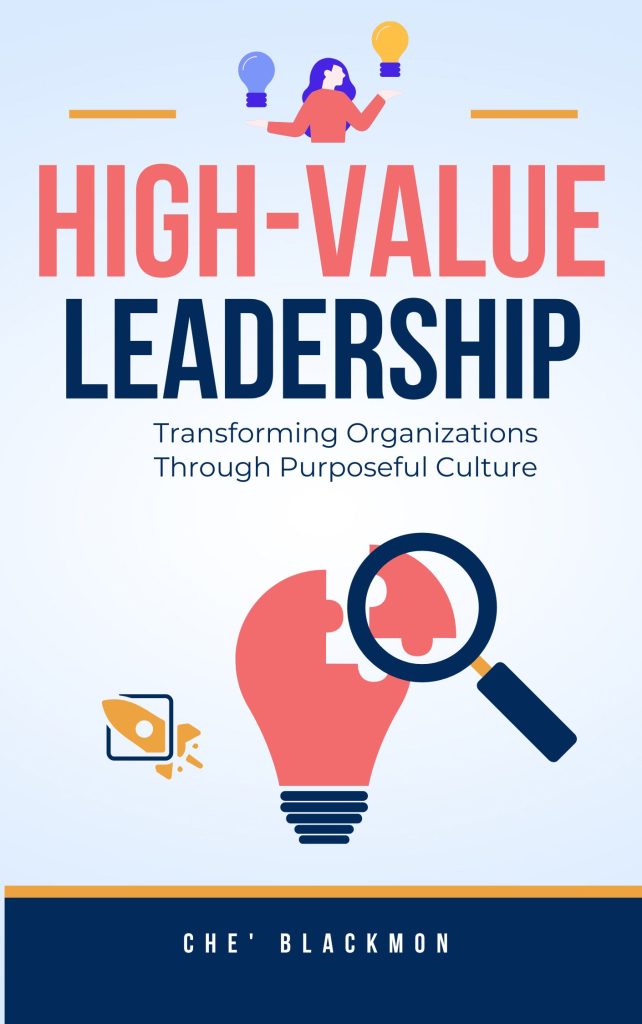
In “High-Value Leadership: Transforming Organizations Through Purposeful Culture,” I explore how culture is established through consistent, observable behaviors rather than stated intentions. The same principle applies to your personal and professional trajectory for the year ahead.
Setting the tone means deliberately choosing the behaviors, boundaries, and priorities that will define your year. It means making conscious decisions about:
- How you will spend your time and what you will protect from intrusion
- What standards you will hold for yourself and what you will accept from others
- Which relationships you will invest in and which you will release
- What narrative you will tell yourself about your capabilities and potential
- How you will respond to setbacks when they inevitably arrive
The tone you set in January becomes the default setting for your year. Choose it deliberately, or circumstances will choose it for you.
🗓️ The High-Value Leadership™ 30 Day Framework
Here’s a structured approach to maximizing your first thirty days. This framework applies whether you’re leading an organization, managing a team, or steering your own career trajectory.
Week One: Reflect and Reset (Days 1 through 7)
Before rushing into new goals, take time to honestly assess where you are. Many people skip this step, carrying forward assumptions and patterns from the previous year without examining whether they’re still serving their highest good.
Conduct a personal year-in-review. What worked last year? What didn’t? Where did you compromise your values or settle for less than you deserved? Where did you surprise yourself with unexpected strength or growth?
Identify your energy drains. What people, activities, or commitments consistently depleted you? The new year is permission to release what no longer serves you.
Clarify your non-negotiables. What boundaries will you hold this year regardless of external pressure? Write them down. Boundaries that exist only in your mind are easily crossed.
Week Two: Define and Declare (Days 8 through 14)
With clarity from week one, now establish your vision and priorities for the year ahead.
Choose your theme. Rather than a list of resolutions, select a single word or phrase that will guide your decisions throughout the year. When faced with choices, ask: Does this align with my theme?
Set three to five anchor goals. These aren’t task lists. They’re the major outcomes that, if achieved, would make this your best year yet. Be specific enough to measure progress but flexible enough to allow for unexpected paths.
Declare your intentions. Share your goals with at least one trusted person. Research consistently shows that public commitment increases follow through. Choose someone who will celebrate your wins and hold you accountable when you drift.
Week Three: Build Your Infrastructure (Days 15 through 21)
Goals without systems are wishes. This week is about creating the structures that make success inevitable rather than accidental.
Design your daily practices. What morning routine will set you up for success? What evening practice will help you reflect and reset? Consistency in small things creates capacity for big things.
Establish your review rhythms. Schedule weekly check-ins with yourself to assess progress. Put them on your calendar like any other important meeting. What gets scheduled gets done.
Remove friction. Identify obstacles that have derailed you in the past. Restructure your environment to make desired behaviors easier and undesired behaviors harder.
Week Four: Activate and Adjust (Days 22 through 30)
The final week is about moving from planning to sustained action while remaining flexible.
Launch one meaningful initiative. Don’t wait for perfect conditions. Start one project or practice that moves you toward your anchor goals. Imperfect action beats perfect planning every time.
Assess early results. What’s working? What needs adjustment? The goal isn’t rigid adherence to your original plan; it’s learning and adapting quickly.
Celebrate small wins. Acknowledge progress, even if it feels minor. Celebration reinforces behavior and builds momentum for the months ahead.

👩🏾💼 For Those Who’ve Been Overlooked: A Different Starting Point
If you’re a Black woman or member of another traditionally marginalized group in corporate spaces, setting the tone for your year requires additional considerations. The playing field isn’t level, and pretending otherwise doesn’t serve you.
Research from the Center for Talent Innovation found that Black women are more likely to feel stalled in their careers despite equal or higher ambition levels compared to their peers. McKinsey’s ongoing Women in the Workplace studies consistently show that Black women face a “broken rung” at the first step up to management and continue encountering barriers at every subsequent level.
This reality doesn’t mean your goals should be smaller. It means your strategy must be more intentional.
In “Rise & Thrive: A Black Woman’s Blueprint for Leadership Excellence,” I address this directly. Setting the tone for your best year includes:
Building Your Board of Directors
Identify sponsors, not just mentors. Sponsors advocate for you in rooms you’re not in. They stake their reputation on your potential. Cultivate relationships with people who have power and are willing to use it on your behalf. Don’t wait to be chosen. Strategically build these connections.
Documenting Your Contributions
Keep a detailed record of your accomplishments, impact, and value. In environments where your work may be overlooked or attributed to others, documentation is protection. Update this record weekly. When opportunities arise, you’ll have evidence ready.
Protecting Your Energy
Navigating spaces not designed for you requires additional emotional and psychological labor. Build recovery practices into your infrastructure. This isn’t self-indulgence; it’s strategic sustainability. You cannot pour from an empty vessel, and you deserve replenishment.
Expanding Your Definition of Success
Traditional career metrics may not capture your full value or honor your full self. Consider what success means to you beyond titles and compensation. Include measures of impact, integrity, well-being, and alignment with your values. Your best year should be defined on your terms.
📊 Two Approaches: Lessons from the First Thirty Days
The Reactive Start
There was a marketing director who began each year the same way. She returned from holiday break and immediately dove into her inbox. Within hours, she was responding to other people’s priorities, attending meetings scheduled by others, and fighting fires that had accumulated during her absence.
By the end of January, she felt exhausted and behind. She had yet to think strategically about her own goals for the year. Her calendar was filled with obligations. Her energy was depleted. The tone was set, and it was a tone of reactivity.
Each subsequent month followed the pattern established in January. When December arrived, she wondered how another year had passed without meaningful progress on her priorities.
The Intentional Beginning
Contrast this with a finance executive who approached January differently. Before returning to the office, she blocked her first week for strategic planning. She let her team know she would be available for emergencies but otherwise unavailable for routine matters.
She used that week to complete her reflection and goal-setting process. She identified her three anchor priorities for the year. She restructured her recurring meetings to protect time for deep work. She had conversations with key stakeholders about her vision and asked for their support.
By the end of January, she had established a rhythm that served her priorities. When unexpected demands arose throughout the year, she had a clear framework for deciding what deserved her attention and what didn’t. The tone was set, and it was a tone of intentionality.
Both leaders faced similar external pressures. The difference was how they chose to begin.
⚠️ Common First-30-Day Pitfalls to Avoid
Setting Too Many Goals
Ambition is admirable, but scattered focus produces scattered results. Three to five anchor goals are more powerful than fifteen competing priorities. Depth beats breadth when it comes to meaningful achievement.
Neglecting Recovery Time
Many people return from the holidays already depleted. Launching into an intense push without adequate rest sets you up for burnout before spring arrives. Sustainable success requires sustainable practices from day one.
Keeping Goals Private
Goals kept entirely to yourself are easier to abandon. Appropriate disclosure to trusted allies creates accountability and often opens unexpected doors of support and opportunity.
Waiting for Perfect Conditions
The perfect time never arrives. Start with what you have, where you are. You can adjust as you go. Waiting for readiness often means waiting forever.
Abandoning Ship at the First Setback
Your first thirty days will include challenges. A difficult meeting, an unexpected crisis, a day when old habits resurface. These aren’t signs that your approach is failing. They’re opportunities to demonstrate commitment to your new tone. Persistence through early obstacles builds the resilience you’ll need throughout the year.
👥 Setting the Tone for Your Team
If you lead others, your first thirty days set the tone not just for yourself but for everyone who follows your leadership. Consider how you might:
- Communicate your vision for the year in a way that inspires rather than overwhelms. Share not just what you want to accomplish but why it matters.
- Invite input on priorities and approaches. People support what they help create. Early involvement builds ownership.
- Model the behaviors you want to see. If you want your team to set boundaries, demonstrate boundary-setting yourself. If you value strategic thinking, protect time for it visibly.
- Check in individually with team members about their own goals and needs. Learn what they want from this year, not just what you want from them.
- Establish early wins that build confidence and momentum. Quick victories in January create belief that bigger goals are achievable.
In “Mastering a High-Value Company Culture,” I emphasize that culture cascades from leadership behavior. Your first thirty days are being watched, consciously or not, by everyone around you. Make them count.
📈 2025 Context: What Makes This Year Different
As you set your tone for the year ahead, consider the broader context shaping professional life in 2025:
The Acceleration of Change
Technology, particularly artificial intelligence, is reshaping work faster than ever. Your first thirty days should include an honest assessment of which skills you need to develop and which roles in your organization may be evolving. Adaptability isn’t optional anymore. It’s essential.
The Premium on Human Skills
As automation handles more routine tasks, distinctly human capabilities become more valuable. Emotional intelligence, creative problem solving, ethical judgment, and the ability to build trust cannot be automated. Your goals for the year might include deepening these capabilities.
The Ongoing Conversation About Work
Employees continue to reevaluate what they want from their careers. Engagement surveys show that meaning, flexibility, and growth opportunities often rank above compensation alone. Whether you’re leading others or managing your own career, alignment between work and values matters more than ever.
🌟 The Invitation
Thirty days from now, you’ll either look back at this month as the foundation for your best year yet or wonder where the time went. The choice is available to you right now, in this moment.
You don’t need to have everything figured out. You don’t need perfect clarity or ideal circumstances. You need intentionality. You need the willingness to choose your tone rather than accepting whatever tone circumstances assign to you.
Your best year yet isn’t a destination you arrive at in December. It’s a series of choices you make starting now. Starting today. Starting with the next thirty days.
What tone will you set?
💬 Discussion Questions
- When you reflect on last year honestly, what patterns served you well and which ones held you back? What do these patterns reveal about what needs to change?
- If you could accomplish only three things this year, what would have the greatest impact on your professional and personal fulfillment?
- What boundaries do you need to establish or strengthen to protect your energy and priorities? Who or what has been crossing these boundaries?
- Who are the sponsors and supporters who can advocate for your advancement this year? How will you cultivate those relationships intentionally?
- What tone do you want to have set by January 31st? What specific actions in the next week will move you toward that tone?
📋 Next Steps
- Block your reflection time. Schedule two hours this week for honest assessment of last year and visioning for this year. Protect this time as you would any critical meeting.
- Choose your word or theme. Select a single guiding concept for your year. Write it somewhere you’ll see it daily. Let it inform your decisions.
- Identify your anchor goals. Name three to five outcomes that would make this your best year yet. Be specific enough to measure progress.
- Find your accountability partner. Share your intentions with someone who will support and challenge you. Schedule monthly check-ins.
- Start your contribution log. Begin documenting your accomplishments and impact weekly. Don’t wait until performance review season to compile your value.
- Deepen your practice. Explore the complete frameworks in “High-Value Leadership: Transforming Organizations Through Purposeful Culture” and “Mastering a High-Value Company Culture” for comprehensive strategies on building sustainable success.
🤝 Ready to Make This Your Breakthrough Year?
At Che’ Blackmon Consulting, we partner with leaders and organizations committed to intentional transformation. As Michigan’s first AI-powered culture transformation firm, we combine proven methodologies with predictive analytics to help you move from aspiration to achievement.
Whether you’re seeking executive coaching, culture transformation for your organization, or strategic HR partnership, we can help you set and sustain the tone for your best year yet through our High-Value Leadership™ approach.
Your breakthrough year begins with a conversation. Let’s start it.
📧 admin@cheblackmon.com
📞 888.369.7243
#HighValueLeadership #First30Days #NewYearGoals #LeadershipDevelopment #CultureTransformation #IntentionalLeadership #BlackWomenInLeadership #CareerGrowth #GoalSetting #ExecutiveCoaching #ProfessionalDevelopment #WorkplaceCulture #HRStrategy #WomenInLeadership #SuccessMindset