


Technology Can’t Replace Wisdom—But It Can Amplify It
Picture this: It’s performance review season. Managers scramble to remember what their direct reports accomplished six months ago. They write generic feedback based on recent memory, unconscious bias, and whoever was most visible. High performers who don’t self-promote get overlooked. Quiet excellence goes unrecognized. And Black women—who navigate the tightrope of being “confident but not aggressive,” “visible but not threatening”—wonder if their actual contributions even register.
Sound familiar?
Now imagine a different scenario. Your performance management system tracks contributions in real-time, flags potential bias in language, provides data-driven insights on patterns, and surfaces achievements that might otherwise be forgotten. But—and this is critical—it doesn’t replace the human conversation. It enhances it.
This isn’t science fiction. It’s happening now. 🚀
Artificial intelligence is transforming performance management. But here’s the question that matters: Will AI make performance reviews more equitable and insightful—or will it simply automate existing biases at scale?
The answer depends entirely on how leaders use it.
Let’s explore how AI and human insight can work together to create performance management systems that actually develop people, recognize excellence fairly, and build the high-value cultures where everyone can thrive.
The Problem With Traditional Performance Reviews 📝
Before we talk about solutions, let’s be honest about what’s broken.
Traditional performance reviews are almost universally despised. Gallup research shows that only 14% of employees strongly agree their performance reviews inspire them to improve. Most people experience reviews as anxiety-inducing, demotivating, and disconnected from their actual work.
Why?
They’re Backward-Looking and Infrequent
Annual or semi-annual reviews focus on the past, often the recent past, leaving months of contributions forgotten. By the time feedback arrives, it’s too late to adjust.
They’re Subjective and Biased
Managers rate employees based on memory, personal affinity, and unconscious bias. Research from Harvard Business Review shows that women receive vague feedback while men receive actionable advice. Black women receive harsher criticism and less developmental feedback than any other group.
They’re Time-Consuming and Hated
Managers spend hours writing reviews they don’t want to write. Employees spend days anxious about reviews they don’t trust. HR spends weeks managing a process nobody values.
They Don’t Actually Improve Performance
The stated goal is development. The actual outcome is often defensive employees, overwhelmed managers, and zero behavior change.
They Perpetuate Inequality
Performance ratings are subjective. Promotion decisions are often based on those ratings. When Black women are rated more harshly for the same performance, when our leadership is questioned while mediocre confidence is rewarded, when our “cultural fit” is constantly interrogated—the performance review becomes a gatekeeper that maintains existing hierarchies.
A financial services company analyzed five years of performance data and discovered a disturbing pattern: Black women consistently received lower ratings than white women and all men—even when objective productivity metrics were identical. The difference? Subjective assessments of “leadership potential,” “communication style,” and “cultural alignment.” These coded phrases masked bias that cost talented women promotions, raises, and opportunities.
The current system isn’t just inefficient. It’s inequitable. And that’s where AI enters the conversation.
What AI Can Actually Do (And What It Can’t) 🔍
Let’s clarify what we mean by AI in performance management. We’re not talking about robots conducting your one-on-ones. We’re talking about technology that:
Tracks Contributions Continuously
AI-powered systems can log achievements, projects completed, goals met, and feedback received in real-time. No more “what did they do in March?” panic during review season.
Analyzes Language for Bias
Natural language processing can flag biased language in reviews before they’re delivered. “She’s too aggressive” versus “He’s assertive.” “She needs to be more strategic” (vague) versus “He should focus on long-term planning” (actionable). AI can catch these patterns.
Surfaces Data-Driven Insights
Who’s consistently hitting goals but not getting recognized? Who’s mentioned positively in peer feedback but rated lower by their manager? Where do rating patterns suggest bias?
Provides Comparative Context
How does this employee’s performance compare to others at the same level? Are they being held to different standards? AI can provide objective benchmarks.
Offers Feedback Suggestions
Based on performance data and best practices, AI can suggest specific, actionable feedback—turning “needs improvement” into concrete developmental guidance.
But Here’s What AI Cannot Do:
AI cannot understand context. It can flag that someone missed a deadline, but it can’t know their parent was hospitalized that week.
AI cannot assess soft skills authentically. Empathy, cultural competence, relationship-building—these require human evaluation.
AI cannot make promotion decisions. It can inform them with data, but judgment requires wisdom.
AI cannot build trust. That’s still on leaders.
AI cannot replace the developmental conversation that changes careers. Technology enhances. Humanity transforms.
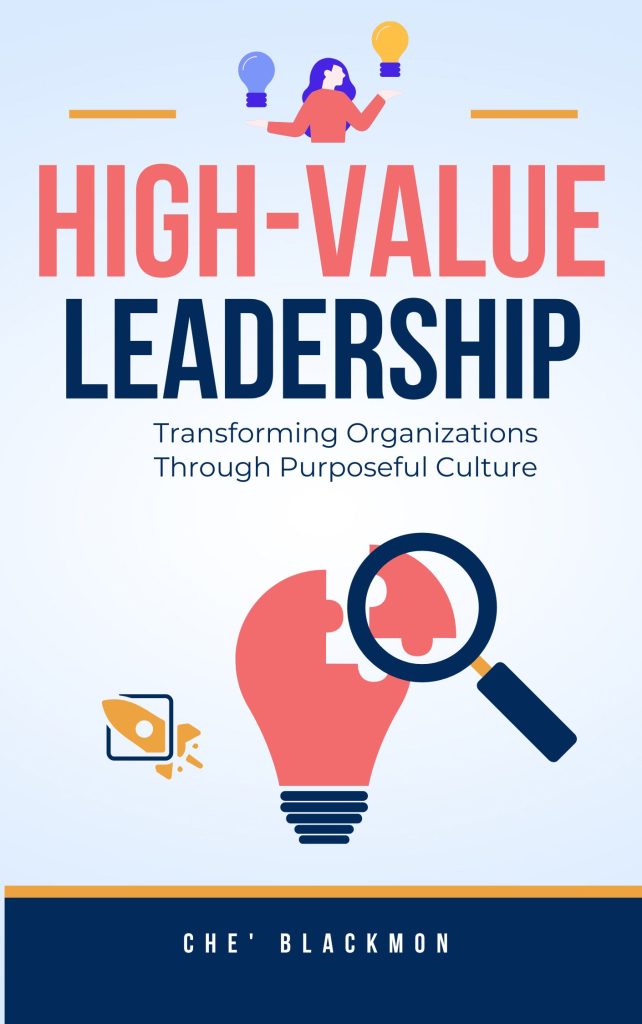
As High-Value Leadership: Transforming Organizations Through Purposeful Culture emphasizes: Tools serve culture, they don’t create it. AI is powerful. But without intentional, equity-focused leadership, it will simply automate existing biases faster.
The Bias Problem: When AI Learns Our Worst Habits ⚠️
Here’s the uncomfortable truth about AI: it learns from data. If your historical data reflects bias, your AI will perpetuate that bias—potentially at scale.
There was a major tech company that built an AI recruiting tool trained on ten years of hiring data. The AI learned to favor male candidates because historically, men had been hired more often. It downgraded resumes that included the word “women’s” (as in “women’s chess club captain”) and favored language more common in male applications. The company eventually scrapped the tool.
The same risk exists in performance management. If AI learns from historical reviews where Black women were rated more harshly, where subjective assessments favored people who “looked like leaders” (meaning white and male), where communication styles were judged through cultural bias—it will recommend similar patterns going forward.
This is why AI in performance management requires:
Clean, Audited Data
Before implementing AI, audit your historical performance data for bias. If patterns suggest inequity, address those patterns before training your AI on them.
Bias-Aware Algorithms
Work with vendors who explicitly design for equity, not just efficiency. Ask: How does your AI identify and flag potential bias? What safeguards exist?
Human Oversight
AI should inform decisions, never make them autonomously. Leaders must review AI recommendations with a critical, equity-focused lens.
Continuous Monitoring
Track outcomes by demographic. If AI-enhanced systems still result in biased ratings or promotions, the system needs adjustment.
Transparency
Employees should know how AI is used in their evaluations. Mystery algorithms erode trust.
The Rise & Thrive Framework: Ensuring AI Serves Everyone 💪🏾
Rise & Thrive: A Black Woman’s Blueprint for Leadership Excellence addresses a question particularly relevant here: How do we ensure new systems don’t just replicate old inequities with better technology?
Black women have learned to be strategic about performance visibility. We document our contributions meticulously because we know memory is selective and credit often goes elsewhere. We’re careful about tone in emails because we’re judged differently. We navigate performance conversations knowing that standards shift depending on who’s being evaluated.
AI, implemented thoughtfully, can actually help:
Objective Documentation
If your AI system tracks all contributions—not just the ones managers remember or the ones that happen in visible meetings—it creates an objective record. The quiet excellence that often goes unrecognized becomes visible.
Pattern Recognition
AI can identify when certain employees consistently contribute to team wins but don’t get credit. When peer feedback is positive but manager ratings are inexplicably lower. When someone’s impact is systematically undervalued.
Bias Flagging
If your manager writes “she’s too direct” in your review, AI trained on equity can flag that language and suggest alternatives: “Consider how this feedback would sound if written about a male colleague. Could you make this more specific and actionable?”
Consistency Enforcement
AI can ensure everyone at the same level is evaluated on the same criteria—not shifting standards that disadvantage some while benefiting others.
But—and this matters—AI only helps if leadership is committed to equity.
If leaders dismiss AI flags about biased language, if they override data showing disparate treatment, if they use AI for efficiency but ignore its equity features, nothing changes. The technology becomes window dressing on the same broken system.
Best Practices: Integrating AI With Human Insight 🎯
The organizations getting this right aren’t replacing humans with AI. They’re using AI to make humans better at evaluation, development, and recognition.
Here’s how:
1. Continuous Feedback Over Annual Events
AI enables ongoing feedback capture. Instead of one annual conversation, performance becomes a continuous dialogue.
A consulting firm implemented an AI-powered feedback system that prompted managers for brief monthly check-ins: “What did [employee] accomplish this month? What support do they need?” The system compiled this throughout the year. When formal review time came, managers had comprehensive records instead of three-month recency bias.
Result? More accurate reviews, more developmental conversations, and significantly higher employee trust in the process.
Implementation Tip: Use AI to prompt regular micro-feedback, not replace substantial conversations. Think of it as the note-taking that supports deeper dialogue.
2. Data-Informed, Not Data-Determined
AI provides insights. Humans make decisions informed by those insights plus context, relationship, and wisdom.
There was a retail company whose AI flagged that a high-performing store manager’s productivity metrics had dropped over two quarters. Instead of using this to justify a poor review, the district manager had a conversation. Turns out, the manager was dealing with a family health crisis but hadn’t felt safe disclosing it. The district manager provided support, the metrics recovered, and the relationship deepened.
The AI caught the pattern. The human provided the response that mattered.
Implementation Tip: Train managers to view AI insights as conversation starters, not verdicts. “The data shows X—help me understand the full picture.”
3. Bias Auditing as Standard Practice
Make equity audits a regular feature of your performance management system, not a one-time initiative.
A technology company analyzes performance ratings quarterly by race, gender, and intersectionality. When patterns emerge—for example, Black women receiving more “needs improvement” ratings for “communication” than other groups—they investigate. Are there specific managers? Specific language patterns? Cultural mismatches in communication style expectations?
They address these patterns immediately with manager training, feedback recalibration, and sometimes, manager accountability.
Implementation Tip: Don’t just collect demographic data on outcomes. Analyze the language, the patterns, the who-rates-whom dynamics. Make equity analysis as routine as financial reporting.
4. Development Over Judgment
The goal of performance management should be growth, not gatekeeping. AI can support this by identifying skill gaps, suggesting learning resources, and tracking developmental progress.
An engineering firm used AI to analyze project assignments and skill development. The system flagged that senior engineers were receiving stretch assignments that built toward principal engineer roles—but mid-level engineers, particularly women and minorities, weren’t. This wasn’t malicious; it was invisible. Leadership adjusted, created intentional stretch assignment rotations, and tracked equity in development opportunities.
Result? More diverse talent pipeline and higher retention of high-potential employees who previously would have left for development opportunities elsewhere.
Implementation Tip: Use AI to ensure development is equitable, not just available. Track who gets high-visibility projects, mentorship, training investment, and stretch opportunities.
5. Transparency and Trust-Building
People need to understand how AI is used in evaluating their performance. Mystery breeds mistrust.
A healthcare organization introduced AI-powered performance tools with full transparency: “Here’s what the system tracks, here’s how it informs reviews, here’s what it cannot do, here’s how we ensure fairness, and here’s how you can access your own data.”
They created documentation, held town halls, and made the AI vendor available for questions. Adoption was smooth because trust was built proactively.
Implementation Tip: Communicate early, often, and honestly about AI in performance management. Allow employees to see their own performance data. Make the system explainable, not mysterious.
The High-Value Culture Approach to AI-Enhanced Reviews ✨
Mastering a High-Value Company Culture centers on a principle directly applicable here: systems should serve your culture, not define it.
AI in performance management is a tool. It can make good cultures better by:
- Reducing administrative burden so managers spend more time on developmental conversations
- Surfacing hidden contributions and ensuring recognition is equitable
- Providing data that helps leaders make more informed, less biased decisions
- Creating consistency and fairness in evaluation criteria
- Tracking growth over time and celebrating progress
But AI can also make bad cultures worse by:
- Automating bias at scale if not properly designed and monitored
- Creating surveillance systems that feel punitive rather than developmental
- Replacing human connection with data dashboards
- Providing cover for leaders to avoid difficult conversations (“the algorithm said…”)
- Reinforcing existing power dynamics if implemented without equity focus
The difference? Leadership intentionality.
High-value cultures use AI to:
Amplify Equity
They design AI systems specifically to catch bias, ensure fairness, and create visibility for traditionally overlooked contributions.
Enhance Human Connection
They use the time AI saves on administration to invest in deeper, more meaningful developmental conversations.
Build Trust Through Transparency
They explain how AI works, what it does and doesn’t do, and give employees agency and visibility into their own data.
Measure What Matters
They use AI to track not just productivity, but growth, well-being, engagement, and inclusion—the drivers of sustainable high performance.
Maintain Human Accountability
They never let AI be the excuse for avoiding hard conversations or abdicating leadership responsibility.

Current Trends: What Leading Organizations Are Doing 📊
The performance management landscape is shifting rapidly. Here’s what the most innovative organizations are implementing:
Real-Time Performance Intelligence
Platforms like Betterworks, Lattice, and 15Five use AI to track goals, gather feedback continuously, and provide performance insights in real-time rather than annually.
Skills-Based Performance Assessment
Organizations are moving from role-based to skills-based evaluation. AI helps map skills, identify gaps, and recommend development—creating more objective and growth-focused reviews.
Peer Recognition Systems
AI-powered platforms enable peer-to-peer recognition that gets compiled into performance records. This reduces the “manager memory” problem and surfaces contributions that might otherwise go unnoticed.
Predictive Analytics for Retention
AI can identify patterns that predict flight risk—not to punish employees, but to prompt developmental conversations before top talent walks out the door.
Natural Language Processing for Equity
Tools like Textio and others analyze performance review language for bias, suggesting more equitable and actionable alternatives.
Integration With Learning Systems
Performance management AI increasingly connects to learning management systems—identifying skill gaps and automatically recommending relevant training, creating seamless development pathways.
The Cautions: What Could Go Wrong 🚨
Let’s be clear-eyed about risks:
Over-Quantification
Not everything meaningful can be measured. Over-reliance on metrics can miss the nuanced, relationship-driven, culturally-intelligent work that often matters most.
Surveillance Culture
AI that tracks every keystroke, email, and minute creates anxiety, not performance. There’s a line between performance insight and invasive monitoring.
False Objectivity
Numbers feel objective but can mask subjective design choices in what’s measured and how. “Data-driven” doesn’t automatically mean “unbiased.”
Dehumanization
If AI becomes the primary performance conversation—reducing people to dashboards and ratings—you’ve lost the humanity that makes development possible.
Equity Theater
Some organizations will implement AI, call it “bias-free,” and use that claim to dismiss ongoing equity concerns. AI doesn’t absolve leadership of equity work.
Privacy Concerns
Performance data is sensitive. How is it stored, who has access, what protections exist? These aren’t optional questions.
The organizations that succeed with AI in performance management don’t ignore these risks—they design explicitly to mitigate them.
Practical Implementation Guide 🛠️
Ready to explore AI-enhanced performance management? Here’s your roadmap:
Phase 1: Assessment and Preparation
Audit Your Current System
- What’s working? What’s broken?
- What biases exist in current performance data?
- What do employees actually think of current reviews?
- What outcomes do you want from performance management?
Define Your Goals
- Are you trying to improve equity, efficiency, development, or all three?
- What would success look like?
- What are your non-negotiables? (For example: “Human conversation remains central”)
Engage Stakeholders
- What do managers need from performance systems?
- What do employees want?
- What does HR need to support and sustain?
- What do underrepresented employees specifically need for equity?
Phase 2: Selection and Design
Evaluate Vendors Critically
- How does the tool address bias?
- What’s actually AI versus marketing hype?
- Can employees access their own data?
- What does implementation require?
- What do current clients say, especially about equity outcomes?
Design for Equity from the Start
- Include diverse voices in system design
- Build in bias auditing features
- Create transparency in how AI is used
- Establish human oversight protocols
- Define how you’ll measure equitable outcomes
Pilot Thoughtfully
- Start small with willing participants
- Include diverse pilot group
- Build in feedback loops
- Be prepared to adjust based on what you learn
- Measure both efficiency and equity outcomes
Phase 3: Implementation and Iteration
Communicate Transparently
- Explain what’s changing and why
- Address concerns proactively
- Provide training for managers and employees
- Make the AI explainable, not mysterious
- Create channels for questions and concerns
Train Leaders Thoroughly
- How to use AI insights effectively
- How to maintain human-centered conversations
- How to recognize and address bias that AI might miss
- How to balance data with context
- How to develop people, not just evaluate them
Monitor and Adjust
- Track outcomes by demographic
- Gather ongoing feedback
- Watch for unintended consequences
- Adjust based on what’s working and what isn’t
- Stay committed to continuous improvement
Phase 4: Sustaining Excellence
Regular Equity Audits
- Quarterly analysis of rating patterns
- Investigation of disparities
- Adjustment when inequity appears
- Public accountability for equity metrics
Continuous Learning
- What’s new in AI ethics?
- What are other organizations learning?
- How is technology evolving?
- What feedback are employees providing?
Cultural Integration
- Make AI-enhanced reviews part of your culture, not separate from it
- Celebrate how the system supports development
- Hold leaders accountable for using tools equitably
- Keep human connection central
For Black Women Leaders: Navigating AI-Enhanced Systems 💼
If you’re a Black woman navigating performance management systems enhanced by AI, here are some strategic considerations:
Document Everything
AI systems often compile multiple data sources. Ensure your contributions are visible in all relevant systems—project management tools, collaboration platforms, feedback channels. Don’t assume managers will remember or credit your work.
Understand the System
Ask questions about how AI is used in your performance evaluation. What data does it track? How are ratings determined? What’s the role of human judgment versus algorithmic input? Knowledge is power.
Advocate for Transparency
If AI’s role in performance management is mysterious, push for clarity—not just for yourself, but for everyone. Systems that can’t be explained shouldn’t be trusted.
Use Data to Your Advantage
If the AI tracks contributions objectively, ensure your work is captured. If it provides peer feedback mechanisms, engage with them. If it surfaces bias, document and escalate patterns.
Demand Equity Audits
Ask whether the organization monitors performance ratings by demographic. If they don’t, advocate for it. If they do but don’t address disparities, escalate.
Build Your Case
Use AI-generated performance data as evidence in promotion conversations, raise negotiations, and advocacy for opportunities. Objective data can counter subjective bias.
Know Your Worth
If an AI-enhanced system still results in biased outcomes, that’s a leadership problem, not a you problem. High-value cultures use AI to enhance equity. If yours doesn’t, consider whether it’s where you want to invest your excellence.
Discussion Questions for Leadership Teams 💬
Use these to facilitate meaningful conversations:
- If we implemented AI in performance management tomorrow, what would we want it to solve? What would we never want it to replace?
- How confident are we that our current performance data is free from bias? What evidence do we have?
- What would our employees—especially those from underrepresented groups—say about our current performance review process? How do we know?
- If AI flagged that certain managers consistently rate certain demographics lower, how would we respond? Do we have the systems and courage to address that?
- What’s the balance we want between efficiency and humanity in performance management? Where is that line?
- How do we ensure that AI enhances development and equity rather than just automating evaluation?
- What transparency are we willing to provide employees about how AI is used in their evaluations?
Next Steps: Moving Toward the Future Thoughtfully 🚀
This Month:
- Research current AI performance management platforms—understand what’s possible
- Audit your existing performance data for bias patterns
- Survey employees about current performance review effectiveness
- Identify your top 3 goals for performance management transformation
This Quarter:
- Form a cross-functional team (HR, leadership, diverse employee voices) to explore AI options
- Conduct a bias audit of historical performance ratings
- Develop criteria for evaluating AI vendors with equity as a core requirement
- Create a communication strategy for potential changes
This Year:
- Pilot an AI-enhanced performance system with a diverse, willing group
- Train leaders on using AI insights while maintaining human-centered conversations
- Establish regular equity audits as part of performance management
- Build feedback loops to continuously improve the system
- Measure outcomes: Are reviews more equitable, developmental, and trusted?
Long-Term:
- Integrate AI-enhanced performance management into your broader culture strategy
- Share learnings transparently—what’s working, what needs adjustment
- Hold leadership accountable for equitable use of performance systems
- Continue evolving as technology and best practices advance
Partner With Che’ Blackmon Consulting 🤝
The future of performance management isn’t about choosing between AI and human insight—it’s about integrating them thoughtfully, equitably, and strategically. But that integration requires expertise in culture, equity, leadership development, and change management.
Che’ Blackmon Consulting helps organizations navigate the intersection of technology and humanity in performance management. We bring deep expertise in building high-value cultures where systems serve people, where equity is designed into processes, and where performance management actually develops talent instead of just evaluating it.
We can help you:
- Assess readiness for AI-enhanced performance management
- Conduct bias audits of existing performance data and processes
- Design equitable performance systems that integrate AI thoughtfully
- Train leaders to use AI insights while maintaining human-centered development
- Establish accountability systems for equitable outcomes
- Navigate implementation with change management expertise
- Measure success through both efficiency and equity lenses
The strongest organizations don’t just adopt new technology—they adopt it strategically, equitably, and in service of their culture and people.
Ready to transform performance management into a tool for development, equity, and excellence?
📧 admin@cheblackmon.com
📞 888.369.7243
🌐 cheblackmon.com
The future of performance reviews isn’t human versus AI. It’s human wisdom enhanced by technological insight, designed intentionally for equity, and implemented in service of cultures where everyone can rise and thrive. ✨
#PerformanceManagement #AIinHR #HighValueLeadership #FutureOfWork #PerformanceReviews #HRTechnology #LeadershipDevelopment #EquityInTech #DiversityAndInclusion #EmployeeDevelopment #AIandEthics #TalentManagement #OrganizationalCulture #HRInnovation #InclusiveLeadership