


By Che’ Blackmon
You made it. You climbed the ladder, earned the title, claimed the seat at the table you worked so hard to reach.
So why do you feel so alone?
You can’t vent to your team about the pressure you’re under—that would undermine their confidence in your leadership. You can’t be fully vulnerable with your peers because you’re competing for the same opportunities. You can’t always confide in your boss because you need them to see you as capable, not struggling. And the higher you climb, the fewer people understand what you’re navigating.
Welcome to one of leadership’s best-kept secrets: it’s lonely up here. 🏔️
For Black women leaders, this loneliness intensifies. You’re often one of few—or the only one—in senior spaces. You carry the weight of representation, the burden of proving yourself repeatedly, and the exhaustion of code-switching across cultural contexts. You may have fought twice as hard to earn half the recognition, and now that you’ve arrived, there’s precious little space to be fully human.
The loneliness of leadership isn’t a personal failing. It’s a structural reality. But it doesn’t have to be a permanent condition.
The Hidden Epidemic: Leadership Isolation by the Numbers
Research from Harvard Business Review found that half of CEOs report feelings of loneliness in their roles, and 61% believe that loneliness hinders their job performance. The isolation isn’t limited to the C-suite—it affects leaders at every level who carry decision-making authority, performance pressure, and the responsibility for others’ livelihoods.
For women leaders and leaders of color, the isolation compounds:
- A 2022 study in the Journal of Business and Psychology found that women leaders report higher levels of workplace isolation than their male counterparts, particularly in male-dominated industries
- Research from the Center for Talent Innovation shows that 37% of Black professionals feel isolated at work, compared to 22% of white professionals
- Black women leaders often describe experiencing “onlyness”—being the only person of their race and gender in decision-making spaces—which creates unique psychological burdens
Dr. Ella F. Washington, organizational psychologist and professor at Georgetown University, notes that for Black women leaders, isolation often stems from being “placed in leadership roles without the structural support, authentic relationships, or cultural belonging necessary for sustainable success.” You’re given the title but not the infrastructure.
This isn’t just uncomfortable—it’s unsustainable. Chronic loneliness correlates with decreased job satisfaction, increased burnout, higher turnover intentions, and even physical health consequences including cardiovascular disease and compromised immune function.
Leadership shouldn’t cost you your wellbeing. But without intentional support systems, it often does.
Why Leadership Feels So Lonely
Understanding the sources of leadership isolation helps us address them more effectively.
1. Positional Power Creates Distance 👥
The moment you become someone’s supervisor, the relationship changes. Employees are less likely to be fully candid with you. Social invitations decrease. The easy camaraderie of peer relationships shifts into something more formal and guarded.
This is especially pronounced for Black women leaders, who may already navigate complex dynamics around authority and likability. Research shows that Black women leaders are more likely to have their authority questioned and must work harder to establish credibility—which can make authentic relationship-building even more challenging.
2. Confidentiality Constraints
Leaders carry information they cannot share: impending layoffs, strategic pivots, performance issues, salary data, succession plans. This necessary confidentiality creates asymmetry in relationships. You know things others don’t, and you can’t fully explain your decisions or concerns.
3. The Vulnerability Paradox
Leaders are expected to project confidence, clarity, and certainty even when they feel uncertain or overwhelmed. Admitting doubt or struggle can be perceived as weakness or incompetence. Yet the absence of vulnerability prevents genuine connection.
For Black women, this paradox is particularly acute. You’re already fighting stereotypes about competence and leadership capability. Showing vulnerability might feel like confirming others’ doubts rather than demonstrating authenticity.
4. Scarcity of True Peers
The higher you climb, the fewer people occupy similar roles. Finding someone who truly understands your specific challenges becomes harder. If you’re a Black woman in senior leadership, you may be navigating dynamics that very few people in your organization—or even your industry—can relate to.
5. Performative Diversity 🎭
There was a Fortune 500 company that celebrated hiring their first Black woman VP with much fanfare—social media announcements, internal town halls, the works. But once the celebration ended, she found herself profoundly isolated. She was expected to lead diversity initiatives on top of her full-time role, invited to speak at recruiting events, and held up as proof of the company’s commitment to inclusion. Yet she had no Black peers in leadership, no mentors who understood her experience, and no structural support for navigating the unique challenges she faced.
Being a “first” or “only” is often framed as an honor. But it’s also isolating.
The Unique Burden: Black Women’s Leadership Isolation
Black women leaders navigate intersectional isolation that compounds racial and gender dynamics:
Cultural Tax Without Cultural Community
Black women are often asked to lead diversity initiatives, mentor other Black employees, educate colleagues about race and inclusion, and represent their entire demographic in decision-making conversations—all without additional compensation or support. This “cultural tax” is exhausting, and it’s typically performed in isolation without a community of peers who share the experience.
Hypervisibility and Invisibility
Black women leaders are hypervisible when it comes to representation—their presence is noted, celebrated, and sometimes tokenized. Yet their ideas, concerns, and contributions are often overlooked or attributed to others. This combination of being seen as a symbol while being unheard as a person is profoundly alienating.
Stereotype Threat and Code-Switching
Research by psychologists Claude Steele and Joshua Aronson shows that stereotype threat—the concern about confirming negative stereotypes about one’s group—creates cognitive burden and anxiety. For Black women leaders, this means constantly calibrating behavior, tone, and expression to avoid triggering stereotypes about Black women being “angry,” “aggressive,” or “unprofessional.”
This code-switching is exhausting and isolating. As I write in “Rise & Thrive: A Black Woman’s Blueprint for Leadership Excellence,” the constant performance of palatability comes at a cost—and that cost is often borne in isolation because admitting the burden feels like weakness.
Limited Access to Sponsorship
Mentorship is valuable, but sponsorship—having senior advocates who actively champion your advancement—is essential. Research from the Center for Talent Innovation found that 71% of executives have protégés who share their gender and race. When senior leadership is predominantly white and male, Black women have fewer natural access points to sponsorship, increasing professional isolation.
What Sustainable Support Actually Looks Like ✨
Addressing leadership loneliness requires both individual agency and organizational responsibility. The most effective support systems include multiple layers of connection and safety.
1. Executive Peer Networks
Structured peer networks bring together leaders at similar levels across different organizations or departments to share challenges, insights, and support. These networks work because:
- Participants don’t compete for the same opportunities
- Confidentiality can be maintained more easily than with internal colleagues
- Diverse perspectives broaden thinking and problem-solving
- The shared experience of leadership challenges creates authentic connection
For Black women leaders, affinity-based peer networks (like the Executive Leadership Council or National Black MBA Association) provide the added benefit of cultural understanding and shared navigation of racialized professional dynamics.
2. Executive Coaching
Professional coaching provides a confidential space for leaders to process challenges, explore blind spots, and develop strategies without judgment or professional risk. Unlike mentorship, which often includes advice-giving and relationship reciprocity, coaching is purely focused on the leader’s growth and wellbeing.
High-quality executive coaching should address both technical leadership competencies and the emotional, psychological, and identity-related dimensions of leadership—particularly for Black women navigating intersectional challenges.
3. Mentorship AND Sponsorship
While these terms are often used interchangeably, they serve different functions:
- Mentors provide guidance, advice, and support based on their experience
- Sponsors use their influence and political capital to advocate for your advancement
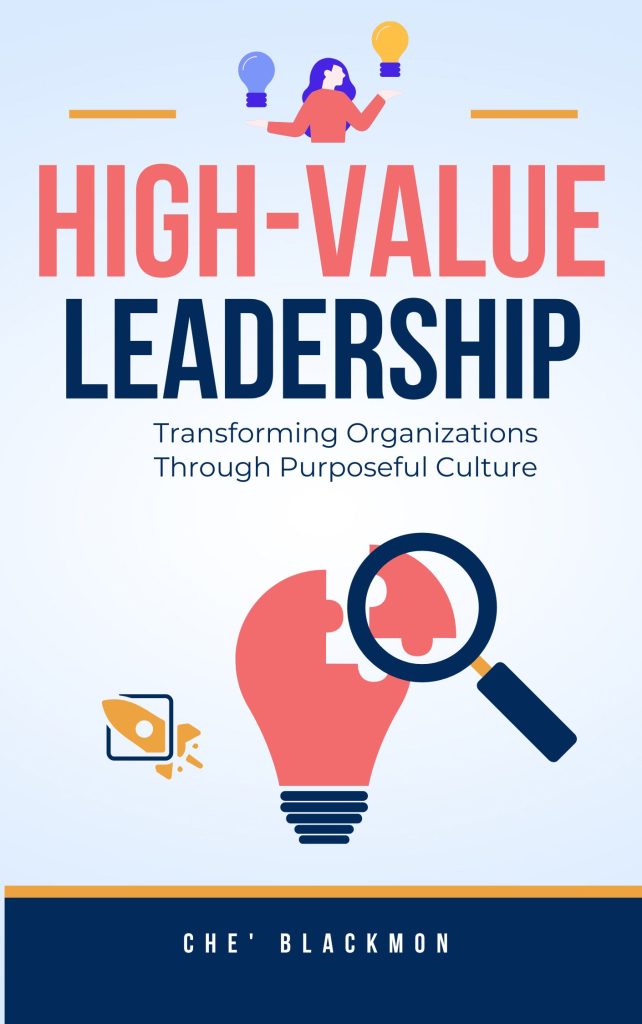
Black women leaders need both—and need them from people with actual power to impact their careers. As I discuss in “High-Value Leadership: Transforming Organizations Through Purposeful Culture,” high-value organizations don’t leave sponsorship to chance; they formalize programs that connect high-potential leaders with senior advocates.
4. Intentional Community Building 🤝
Some leaders create their own support structures: small groups of trusted peers who meet regularly (monthly dinners, quarterly retreats, weekly check-in calls) to share experiences and hold each other accountable.
There was a group of Black women executives across different industries who formed what they called a “Board of Directors for their lives.” They met quarterly, reviewed each member’s professional goals, discussed challenges, and provided direct feedback and support. The structure created accountability, connection, and a space to be fully authentic without professional risk.
5. Therapeutic Support
Leadership is psychologically demanding. Therapy isn’t just for crisis—it’s a proactive tool for managing stress, processing challenges, and maintaining mental health. For Black women leaders navigating racial trauma, microaggressions, and the compounded stress of intersectional marginalization, therapy with culturally competent providers can be essential.
Organizations increasingly recognize that therapy and mental health support aren’t personal luxuries—they’re professional necessities.
6. Internal Structural Changes
Organizations can reduce leadership isolation by:
- Creating executive cohort programs where senior leaders go through development experiences together
- Facilitating cross-functional leadership communities of practice
- Providing structured onboarding for leaders transitioning into new roles
- Normalizing vulnerability and transparency at senior levels
- Establishing formal sponsorship programs, particularly for leaders from underrepresented backgrounds
- Creating affinity groups specifically for leaders (not just entry or mid-level employees)
Red Flags: When Isolation Becomes Crisis 🚨
Leadership loneliness exists on a spectrum. Sometimes it’s manageable discomfort; other times it’s a crisis requiring immediate intervention. Warning signs include:
- Feeling disconnected from your purpose or values
- Chronic exhaustion that rest doesn’t resolve
- Cynicism about your work or the people you lead
- Difficulty making decisions or persistent second-guessing
- Physical symptoms like insomnia, headaches, or digestive issues
- Increased reliance on unhealthy coping mechanisms (overwork, substance use, emotional eating)
- Withdrawal from relationships or activities you previously enjoyed
- Thoughts that you’re failing or that you don’t belong in leadership
If you recognize these signs in yourself, that’s not weakness—it’s information. It means the current situation isn’t sustainable and something needs to change.

Practical Strategies: Building Your Own Support Infrastructure 💪🏾
You don’t have to wait for organizational support to address isolation. Here are strategies you can implement immediately:
Audit Your Current Support System
Ask yourself:
- Who can I talk to about strategic challenges without fear of judgment?
- Who understands the unique dynamics I navigate as a Black woman leader?
- Who has the power to advocate for my advancement?
- Who holds me accountable to my goals and values?
- Who reminds me of my worth when I doubt myself?
If the answers reveal gaps, that’s your starting point.
Diversify Your Support
Don’t rely on a single person or relationship to meet all your support needs. Build a portfolio:
- Strategic advisors for business decisions and leadership development
- Emotional support from trusted friends or therapists who know you deeply
- Identity-based community where you can be fully yourself without code-switching
- Peer accountability partners at similar career stages
- Sponsors with organizational influence
Schedule Connection Deliberately 📅
Waiting until you “have time” for relationships means they never happen. Put connection on your calendar:
- Monthly dinners with your peer group
- Quarterly coffee with mentors or sponsors
- Weekly therapy or coaching sessions
- Annual retreats focused on reflection and restoration
Treat these commitments as seriously as you treat business meetings.
Create Rituals That Ground You
Leadership isolation often includes disconnection from yourself—your values, purpose, and identity beyond your role. Regular practices can help:
- Morning journaling or meditation
- Weekly reflection on wins and challenges
- Monthly evaluation of whether your work aligns with your values
- Annual retreats to reassess goals and direction
As I emphasize in “Mastering a High-Value Company Culture,” sustainable high performance requires intentional restoration, not just relentless productivity.
Be Strategic About Vulnerability
You don’t need to be vulnerable with everyone, but you do need to be vulnerable with someone. Choose wisely:
- Confide in people who have demonstrated trustworthiness over time
- Share struggles with those outside your direct reporting line or competitive sphere
- Be authentic with your team about challenges without undermining confidence in your leadership
- Model appropriate vulnerability to give others permission to be human
Advocate for Organizational Change
If you’re experiencing isolation, you’re probably not alone. Consider:
- Proposing a leadership cohort program
- Initiating an affinity group for Black women leaders
- Requesting executive coaching as part of professional development
- Partnering with HR to create structured sponsorship programs
Your advocacy might benefit not just yourself but future leaders navigating similar challenges.
Organizational Responsibility: Designing for Connection
Leadership isolation isn’t inevitable—it’s often the result of organizational design choices that prioritize hierarchy and competition over connection and support.
High-value organizations recognize that isolated leaders underperform and burn out. They intentionally create structures that foster connection:
Normalize Vulnerability at the Top
When senior leaders model appropriate vulnerability—sharing challenges, admitting uncertainty, asking for help—it creates permission for others to do the same. This doesn’t mean oversharing or undermining confidence; it means being human.
Create Leadership Communities of Practice
Bring together leaders across functions and levels to discuss common challenges, share best practices, and build relationships. These communities reduce isolation while strengthening organizational cohesion.
Invest in Black Women’s Leadership Development
Don’t just hire Black women into leadership and hope they figure it out. Provide:
- Executive coaching from culturally competent coaches
- Sponsorship from senior leaders with actual influence
- Peer networks with other Black women leaders
- Development programs that address the specific challenges of leading while Black and female
- Support for attending external conferences and networks
Measure and Address Isolation
Include questions about belonging, connection, and isolation in engagement surveys. Disaggregate data by race and gender. If Black women leaders report higher isolation, that’s actionable information requiring strategic response.
Rethink Onboarding for Senior Leaders
New executives are often left to “figure it out” with minimal support. Provide structured onboarding that includes:
- Introduction to informal networks and key relationships
- Pairing with a peer buddy at a similar level
- Regular check-ins during the first 90-180 days
- Clear expectations and success criteria
The ROI of Connection: Why This Matters 📊
Some leaders resist investing in support systems because it feels “soft” or indulgent. The data suggests otherwise:
- Research from the American Psychological Association shows that loneliness costs U.S. employers approximately $406 billion annually in reduced productivity, increased turnover, and healthcare costs
- A study in the Academy of Management Journal found that leaders with strong support networks make better decisions, navigate crises more effectively, and report higher job satisfaction
- Gallup research indicates that having a “best friend at work” significantly increases engagement, productivity, and retention—even at senior levels
Support isn’t a luxury. It’s infrastructure for sustainable high performance.
Discussion Questions 💭
- What does leadership loneliness look like in your organization? How does it manifest differently for leaders from different backgrounds?
- What formal and informal support systems exist for senior leaders in your organization? Who has access to them, and who doesn’t?
- How does your organizational culture treat vulnerability? Is it seen as strength, weakness, or something else?
- For Black women leaders: What specific forms of isolation do you experience that others may not? What support would be most valuable?
- What would change if your organization viewed leader wellbeing and connection as strategic priorities rather than personal responsibilities?
- Who in your network truly understands your leadership journey? If the answer is “no one” or “very few,” what does that tell you?
Next Steps: Building Sustainable Support Today 🚀
For Individual Leaders:
- Conduct an honest audit of your current support system and identify gaps
- Reach out to one person this week to initiate or deepen a supportive relationship
- Research executive coaching, peer networks, or professional communities relevant to your role
- Schedule one self-care or connection activity per week for the next month
- If you’re experiencing warning signs of crisis-level isolation, reach out to a therapist or coach immediately
For Organizational Leaders:
- Survey your leadership team about experiences of isolation and belonging
- Create or expand leadership cohort programs that build peer connection
- Formalize sponsorship programs, particularly for underrepresented leaders
- Provide executive coaching as a standard leadership development resource
- Model appropriate vulnerability and normalize asking for support
For HR and Talent Development:
- Develop structured onboarding for senior leaders that includes relationship-building
- Create affinity networks specifically for leaders from underrepresented groups
- Partner with external organizations that provide community and support for Black women executives
- Include connection and belonging metrics in leadership effectiveness evaluations
For Everyone:
- Check in on leaders in your sphere—they may be struggling more than they show
- Create opportunities for authentic connection that transcend hierarchy
- Challenge the notion that leadership requires isolation
- Advocate for cultures where asking for help is seen as strength, not weakness
Work With Che’ Blackmon Consulting
Are you navigating the loneliness of leadership without the support you need? Is your organization losing talented leaders to isolation and burnout?
Che’ Blackmon Consulting partners with leaders and organizations to build the support systems that sustain excellence. We understand that leadership—especially for Black women and other traditionally overlooked talent—requires more than skill development. It requires community, connection, and structural support.
Our services include:
- Executive coaching for senior leaders navigating complex challenges
- Leadership development programs that prioritize wellbeing and sustainability
- Organizational culture assessments identifying isolation patterns
- Design and facilitation of leadership cohort and peer support programs
- Strategic consulting on retention and advancement for underrepresented leaders
We help leaders build the infrastructure for sustainable success—because your leadership should elevate you, not exhaust you.
Ready to build support systems that actually sustain?
📧 admin@cheblackmon.com
📞 888.369.7243
🌐 cheblackmon.com
Leadership doesn’t have to be lonely. When we build intentional support systems—individually and organizationally—we create space for leaders to be both excellent and human. That’s not just good for leaders. It’s good for everyone they serve.
#LeadershipDevelopment #ExecutiveLeadership #BlackWomenLeaders #HighValueLeadership #LeadershipLoneliness #ExecutiveCoaching #WomenInLeadership #MentalHealthAtWork #LeaderWellbeing #SustainableLeadership #DEI #OrganizationalCulture #ExecutiveSupport #BlackExcellence #LeadershipCommunity #ProfessionalDevelopment #CorporateCulture #InclusiveLeadership #LeadershipSupport #WorkplaceWellbeing