

You’ve earned your seat at the table. Your credentials are solid, your track record speaks for itself, and your team respects your leadership. Yet there’s that voice—the one that whispers you’re not enough, that you’re fooling everyone, that any day now they’ll discover you don’t belong here.
Welcome to imposter syndrome, the silent epidemic affecting even the most accomplished leaders.
The Hidden Cost of Self-Doubt
Imposter syndrome isn’t just about occasional self-doubt. It’s a persistent pattern of believing your success is due to luck rather than your actual competence and hard work. For leaders, this internal struggle creates a dangerous paradox: the higher you climb, the more convinced you become that you’re fraudulent.
Research from the International Journal of Behavioral Science estimates that 70% of people experience imposter syndrome at some point in their careers. But for traditionally overlooked groups—particularly Black women in corporate spaces—the statistics tell a more concerning story. The weight of being “the only” or “one of few” in leadership rooms amplifies these feelings exponentially.
When you’re constantly navigating spaces where people who look like you are scarce, every mistake feels magnified. Every achievement gets questioned. You’re not just representing yourself; you carry the unspoken burden of representing your entire demographic. That’s not imposter syndrome—that’s the reality of systemic bias intersecting with internal self-perception.
Why Leaders Struggle in Silence 🤫
Leadership comes with an unwritten rule: appear confident at all times. This expectation creates a trap. Leaders suffering from imposter syndrome believe they must maintain a flawless facade while internally drowning in self-doubt. They fear that admitting uncertainty will undermine their authority.
Consider this scenario: There was a VP at a Fortune 500 company who consistently delivered exceptional results for her division. Despite her achievements, she attributed her success to “being in the right place at the right time” and feared that accepting a C-suite promotion would expose her as inadequate. She turned down the opportunity. Six months later, someone less qualified—but more confident—accepted the role she had declined.
This is the tangible cost of imposter syndrome. It doesn’t just affect how you feel; it shapes the decisions you make, the opportunities you pursue, and ultimately, the impact you create.
The Intersection of Identity and Imposter Syndrome
For Black women leaders, imposter syndrome operates within a complex matrix of racial and gender dynamics. You’re navigating corporate cultures that weren’t designed with you in mind, often lacking the mentorship, sponsorship, and cultural affirmation that others take for granted.
The concept of “code-switching”—modifying your behavior, speech, and appearance to fit dominant cultural norms—becomes exhausting labor that feeds imposter syndrome. When you can’t show up as your authentic self, it’s easy to feel like you’re playing a role rather than being genuinely competent.
Research published in the Harvard Business Review confirms what many Black women already know: they face unique challenges including heightened scrutiny, limited access to informal networks, and the pressure to work twice as hard to receive half the recognition. These aren’t symptoms of imposter syndrome—they’re external realities that fuel internal doubt.
As I explore in “Rise & Thrive: A Black Woman’s Blueprint for Leadership Excellence,” the path to authentic leadership requires acknowledging both the internal narratives we carry and the external systems that shape them. You can’t simply “confidence” your way out of structural inequity, but you can develop strategies to thrive despite it.
Recognizing Imposter Syndrome in Yourself and Your Team
Imposter syndrome manifests in several distinct patterns:
The Perfectionist sets impossibly high standards and views anything less than perfection as failure. They overwork, micromanage, and struggle to delegate because they believe no one else can meet their standards.
The Superwoman/Superman pushes themselves to work harder and longer than everyone else to prove their worth. They measure their value by productivity and feel guilty about rest.
The Natural Genius believes competence means everything should come easily. When they have to work hard or ask for help, they interpret this as evidence of inadequacy.
The Soloist feels they must accomplish everything independently. Asking for help feels like admitting incompetence.
The Expert constantly seeks additional certifications, degrees, and training, never feeling they know enough to be truly qualified.
Do any of these sound familiar? Most leaders exhibit combinations of these patterns, particularly when stepping into new roles or facing increased visibility.

The Leadership Imperative: Creating Cultures That Combat Imposter Syndrome 🌟
If you lead others, you have a responsibility that extends beyond managing your own imposter syndrome. You must actively create environments where people feel genuinely valued for their authentic contributions.
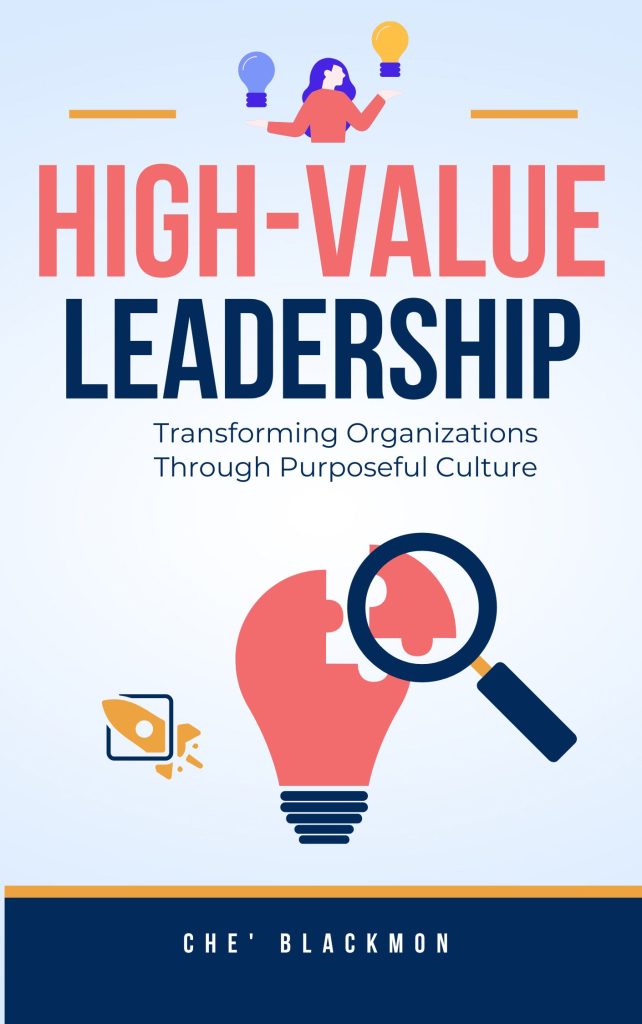
As I outline in “Mastering a High-Value Company Culture” and “High-Value Leadership: Transforming Organizations Through Purposeful Culture,” organizational culture isn’t accidental—it’s intentional. Leaders who understand this don’t simply encourage confidence; they dismantle the systems that make talented people doubt their worth.
Here’s what that looks like in practice:
Normalize conversations about struggle and growth. Share your own experiences with self-doubt. When leaders model vulnerability, they give others permission to be human. This doesn’t undermine your authority; it strengthens your credibility.
Provide specific, substantive feedback. Vague praise like “great job” doesn’t counter imposter syndrome. Instead, be specific: “Your analysis of the market trends in the Q3 report directly influenced our strategic pivot. That saved us from a costly misstep.” Concrete feedback helps people internalize their competence.
Challenge the “culture fit” narrative. Often, “culture fit” becomes code for hiring people who look, think, and act like those already in power. This creates homogeneous teams where diverse talent feels like outsiders. Instead, prioritize “culture add”—what unique perspectives and strengths does this person bring that your team currently lacks?
Sponsor, don’t just mentor. Traditionally overlooked leaders often have plenty of mentors offering advice but few sponsors actively opening doors. Sponsorship means using your influence to advocate for someone’s advancement, even when they’re not in the room.
From Self-Doubt to Authentic Confidence: Practical Strategies
Overcoming imposter syndrome isn’t about eliminating doubt—it’s about developing a healthier relationship with it. Here are evidence-based strategies that work:
1. Reframe Your Internal Narrative 🧠
Pay attention to your self-talk. When you catch yourself thinking “I just got lucky,” counter it with evidence: “I was prepared, I executed well, and I earned this outcome.” Keep a “wins folder”—emails, notes, and documentation of your accomplishments. Review it when doubt creeps in.
2. Distinguish Between Facts and Feelings
Your feelings are valid, but they’re not always accurate. There was an executive director who felt completely unprepared for a board presentation despite having led dozens of successful presentations. She learned to separate the feeling (“I feel unprepared”) from the fact (“I have prepared thoroughly, and I have the expertise needed”). This distinction allowed her to move forward despite the discomfort.
3. Share Your Experience Strategically
You don’t need to broadcast your insecurities to everyone, but sharing selectively with trusted colleagues, mentors, or coaches can be transformative. Often, you’ll discover that high-achievers you admire experience similar doubts. This normalization helps you recognize that imposter syndrome says nothing about your actual competence.
4. Collect and Internalize External Validation
When someone offers genuine praise or positive feedback, don’t deflect it. Practice simply saying “thank you” and actually absorbing the message. Write down specific compliments and refer back to them.
5. Challenge the Myth of “Natural” Success
Nobody wakes up as a fully formed leader. Competence is built through experience, effort, and yes, sometimes failure. When you struggle or need to learn something new, you’re not an imposter—you’re a professional in development.
6. Seek Professional Support When Needed
Sometimes imposter syndrome intersects with anxiety, depression, or trauma. There’s no shame in working with a therapist or executive coach who can provide tools tailored to your specific situation. This is especially important when imposter syndrome is compounded by experiences of discrimination or marginalization.
Current Trends: How Modern Workplaces Are Addressing Imposter Syndrome
Progressive organizations are implementing initiatives specifically designed to support leaders struggling with self-doubt:
Imposter Syndrome Workshops: Companies are hosting facilitated sessions where employees discuss their experiences openly, breaking the silence that allows imposter syndrome to thrive.
Employee Resource Groups (ERGs): ERGs for Black professionals, women in leadership, first-generation professionals, and other affinity groups create spaces where people can share experiences and strategies without judgment.
Leadership Development Programs with Equity Focus: Rather than generic leadership training, these programs acknowledge the unique challenges faced by underrepresented leaders and provide targeted support.
Executive Coaching as Standard Practice: Organizations are normalizing coaching not as a remedial tool but as an investment in leadership excellence. This removes the stigma of seeking support.
Leading With Authenticity: Your Competitive Advantage
Here’s what most people miss about imposter syndrome: your awareness of your own limitations can actually make you a better leader. Leaders who’ve wrestled with self-doubt tend to be more empathetic, more willing to admit mistakes, and more committed to continuous growth.
Authentic confidence isn’t about believing you’re perfect. It’s about knowing you’re capable, recognizing you’re still learning, and trusting that your perspective matters. It’s about showing up fully as yourself—your background, your experiences, your voice—and knowing that this authenticity is your strength, not your weakness.
When you lead from this place, you give others permission to do the same. You create the high-value cultures where talent thrives, where innovation happens, and where people feel genuinely seen and valued for who they are.
Your Path Forward: Discussion Questions & Next Steps 💪
Take time to reflect on these questions, either individually or with your leadership team:
For Personal Reflection:
- When do I most strongly experience imposter syndrome? What triggers these feelings?
- What patterns (perfectionist, superwoman, expert, etc.) do I most identify with?
- What evidence do I have of my actual competence that I tend to dismiss or minimize?
- How does my identity (race, gender, background) influence my experience of self-doubt in professional spaces?
- What would change in my leadership if I trusted my competence more fully?
For Team Discussion:
- How does our organizational culture inadvertently reinforce imposter syndrome?
- Are there team members who might be struggling in silence? How can we create safer spaces for honest conversation?
- What practices can we implement to ensure everyone receives specific, meaningful feedback?
- How are we actively sponsoring diverse talent, not just mentoring?
- What would a culture of authentic confidence look like for our organization?
Take Action Today ✨
Immediate Steps:
- Start your wins folder this week. Capture three recent accomplishments with specific details about your contribution.
- Identify one trusted colleague or mentor with whom you can have an honest conversation about imposter syndrome.
- Notice your self-talk over the next week. When you catch negative self-judgment, write it down and challenge it with facts.
Short-Term Goals (30-60 Days):
- Schedule time with a coach or therapist if imposter syndrome is significantly impacting your performance or wellbeing.
- Advocate for someone else. Practice sponsorship by recommending a colleague for a stretch opportunity.
- Share your own growth story with your team. Model vulnerability as strength.
Long-Term Commitment:
- Work to build organizational systems that support authentic confidence across your team.
- Regularly evaluate whether your culture truly values diverse leadership styles and perspectives.
- Make professional development and coaching accessible to all team members, particularly those from traditionally overlooked backgrounds.
Partner With Che’ Blackmon Consulting
You don’t have to navigate this journey alone. Whether you’re an individual leader working to overcome imposter syndrome or an organization committed to building cultures where everyone can thrive authentically, Che’ Blackmon Consulting offers customized solutions including:
- Executive coaching focused on authentic leadership development
- Organizational culture assessments and transformation strategies
- Leadership development programs centered on equity and inclusion
- Speaking engagements and workshops on high-value culture and leadership
Your next chapter of confident, authentic leadership starts with a conversation.
📧 admin@cheblackmon.com
📞 888.369.7243
🌐 cheblackmon.com
Remember: You’re not an imposter. You’re a leader who earned your place, who continues to grow, and whose authentic voice matters. The world needs your leadership—not a performance of who you think you should be, but the real, capable, powerful leader you already are. #ImposterSyndrome #AuthenticLeadership
#BlackWomenInLeadership #HighValueLeadership #LeadershipDevelopment #ExecutiveCoaching #DiversityAndInclusion #WomenInBusiness #CorporateCulture #LeadershipExcellence #BlackExcellence #ExecutivePresence #WorkplaceCulture #InclusiveLeadership #LeadershipConfidence #ProfessionalDevelopment #BlackWomenLeaders #OrganizationalCulture #LeadershipMindset #CheBlackmonConsulting