


“The ultimate measure of a man is not where he stands in moments of comfort and convenience, but where he stands at times of challenge and controversy.” — Martin Luther King Jr.
The call came at 6 AM. A major client threatening to pull a multi-million dollar contract. Two key executives resigning. A viral social media complaint about workplace discrimination. All before Monday morning coffee.
Sound like your worst nightmare? For one of my clients, this was their reality. Yet six months later, that same organization had not only retained the client but expanded the contract, promoted internal talent to fill leadership gaps more effectively than their predecessors, and transformed their culture to become an industry model for inclusion.
The difference? They discovered how to lead through crisis with both grace and grit—turning potential catastrophe into a catalyst for transformation.
In my twenty-plus years of navigating organizational storms, I’ve learned that crisis doesn’t build character—it reveals it. But more importantly, crisis creates unprecedented opportunities for leaders who know how to harness its transformative power.
The Anatomy of Crisis Leadership: Beyond Fight or Flight
Traditional crisis management focuses on damage control. Stop the bleeding. Minimize fallout. Return to normal. But what if “normal” was the problem?
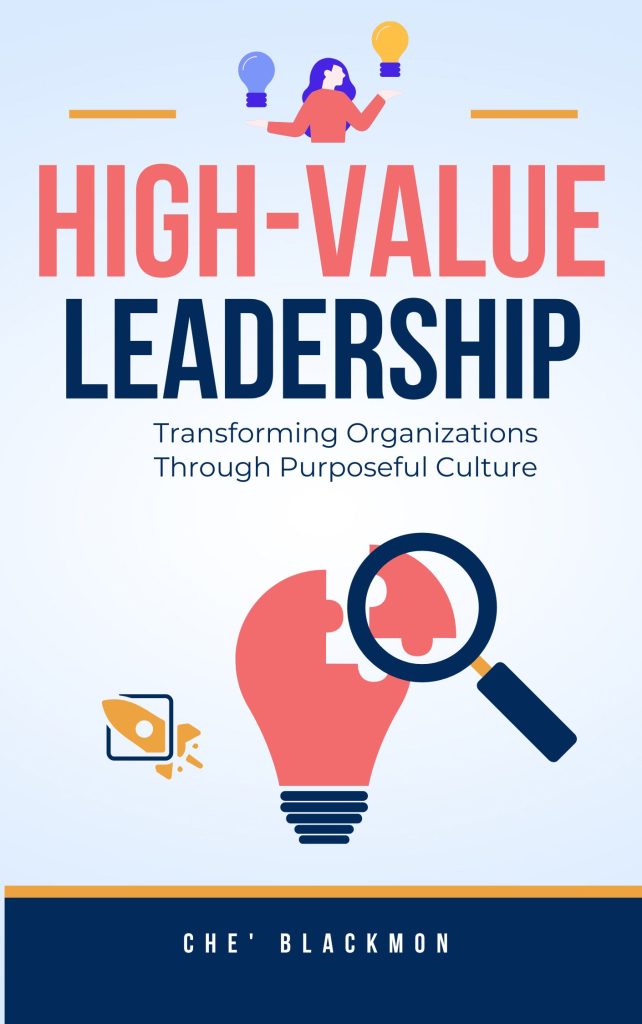
In “High-Value Leadership: Transforming Organizations Through Purposeful Culture,” I argued that true leadership transforms environments rather than just managing them. Crisis amplifies this principle. When everything is shaking, you have a unique opportunity to rebuild on stronger foundations.
The Crisis Leadership Paradox:
Most leaders approach crisis with either:
- Pure Grit: Bulldozing through with sheer determination, often leaving casualties
- Pure Grace: Focusing solely on people’s feelings, potentially missing critical decisions
The magic happens when you combine both—leading with the strength to make tough decisions AND the wisdom to bring people along on the journey.
As Dave Ulrich notes in his evolved HR Business Partner model, modern leaders must be “paradox navigators”—holding seemingly opposing truths in creative tension. Never is this more critical than during crisis.
Grace Under Fire: The Human Side of Crisis Leadership
Grace in crisis isn’t about being soft. It’s about maintaining your humanity—and everyone else’s—when pressure threatens to strip it away.
The Components of Graceful Crisis Leadership:
1. Radical Transparency with Compassion People fill information voids with fear. But brutal honesty without empathy creates different problems.
Case Example: When Airbnb faced massive layoffs during COVID-19, CEO Brian Chesky’s letter to employees became a masterclass in graceful crisis communication. He was direct about the harsh realities while acknowledging the human impact, taking responsibility, and providing extensive support for those affected.
2. Emotional Intelligence in Overdrive Crisis amplifies emotions. Leaders must manage their own while helping others navigate theirs.
In “Rise & Thrive: A Black Woman’s Blueprint for Leadership Excellence,” I discussed the additional emotional labor Black women leaders often carry. During crisis, this burden intensifies as we may face pressure to be the “strong one” while privately processing our own challenges and the weight of representation.
Practical Application: Create “emotional check-in” rituals. Start crisis meetings with a 2-minute round where everyone rates their stress level (1-10) and shares one word describing their state. This acknowledges the human reality before diving into business.
3. Inclusive Decision-Making Under Pressure Crisis often triggers command-and-control instincts. But excluding voices during crisis can lead to blind spots when you can least afford them.
The 70-20-10 Rule for Crisis Decisions:
- 70% of decisions: Leader decides quickly with available input
- 20% of decisions: Small team collaboration
- 10% of decisions: Broader input despite time pressure
This ensures speed while maintaining inclusion for truly critical choices.
Grit in Action: The Strength to Transform
While grace keeps people whole, grit drives transformation. This isn’t about being harsh—it’s about having the courage to make difficult decisions and see them through.
The Elements of Gritty Crisis Leadership:
1. Decisive Action Despite Uncertainty Perfect information is a luxury crisis doesn’t afford. Gritty leaders make the best decisions possible with available data, then adjust as needed.
Real-World Example: When I led HR during a plant closure, we had 72 hours to create a transition plan for 400 employees. No playbook existed. We made decisions hour by hour, communicated constantly, and adjusted based on feedback. Was it perfect? No. Was it effective? The 90% placement rate for displaced workers says yes.
2. Constructive Confrontation Crisis often reveals what’s been broken all along. Gritty leaders address these issues directly rather than hoping to return to a flawed status quo.
From “Mastering a High-Value Company Culture”: During the toxic culture transformation I described, the crisis of 40% turnover forced us to confront longstanding issues—favoritism, inconsistent policies, and retaliatory management. The crisis became our catalyst for change.
3. Resilient Optimism This isn’t fake positivity. It’s the gritty determination to find opportunity within challenge, to believe in eventual triumph while acknowledging current struggle.
Framework for Resilient Optimism:
- Acknowledge the harsh reality (validates people’s experience)
- Identify what you can control (empowers action)
- Find the hidden opportunity (inspires hope)
- Create early wins (builds momentum)
The Integration: Where Grace Meets Grit
The most powerful crisis leadership happens at the intersection of grace and grit. Here’s how to integrate both:
The FORGE Framework for Crisis Leadership
F – Face Reality with Compassion Don’t sugarcoat the situation, but deliver truth with care. “This is hard AND we will get through it together.”
O – Organize for Action Create structure amid chaos. Clear roles, communication channels, and decision rights—delivered with appreciation for people stepping up.
R – Rally the Troops Connect crisis response to larger purpose. Why does overcoming this challenge matter? How will we be stronger?
G – Generate Quick Wins Find something—anything—you can improve quickly. Momentum matters more than magnitude initially.
E – Evolve Through Learning Build learning into the crisis response. What’s working? What isn’t? How are we growing?
Case Study: The Phoenix Project
Let me share a detailed example of grace-and-grit leadership in action. A mid-sized technology company faced a perfect storm:
The Crisis:
- Major product failure affecting 30% of customers
- Lead engineer resigned, taking two key developers
- Competitor launched aggressive campaign targeting their customers
- Board threatening leadership changes
Traditional Response Would Include:
- Panic mode patches
- Desperate counter-offers to departing staff
- Reactive price cuts
- Leadership working 20-hour days
The Grace-and-Grit Approach:
Week 1: Stabilization with Humanity
- CEO held all-hands meeting acknowledging the severity AND expressing confidence in the team
- Created war room with rotating shifts (protecting work-life balance even in crisis)
- Personally called major affected customers with apologies and action plans
- Celebrated small wins daily (first bug fixed, customer retained, etc.)
Week 2-4: Strategic Response
- Rather than matching competitor’s price cuts, focused on superior service
- Promoted internal talent to leadership, providing intensive support
- Launched “Phoenix Project”—rebuilding the product better than before
- Created customer advisory board from those most affected
Month 2-3: Transformation
- Used crisis to accelerate planned architectural improvements
- Implemented pair programming to reduce single points of failure
- Established new cultural norms around transparency and shared ownership
- Turned vocal critics into advocates through engagement
Results:
- Retained 94% of affected customers
- Product reliability increased 300%
- Employee engagement scores rose during crisis
- Attracted top talent drawn to their crisis response
- Competitor’s campaign backfired as company’s authentic response built trust

Practical Tools for Your Crisis Leadership Toolkit
1. The Crisis Communication Cascade
Hour 1: Leadership team aligns on facts and initial response Hour 2-4: Communicate to people managers with talking points Hour 4-8: All-hands communication (even if just “here’s what we know”) Day 1-2: Customer/stakeholder communications Week 1: Follow-up with progress update
2. The Decision Documentation Template
During crisis, document decisions quickly:
- Decision made:
- Based on what information:
- Who was consulted:
- What alternatives were considered:
- Success metrics:
- Review date:
This provides clarity and learning opportunities later.
3. The Energy Management Matrix
Crisis is a marathon, not a sprint. Plot activities on:
- High Energy/High Impact: Do these when fresh
- Low Energy/High Impact: Delegate or systematize
- High Energy/Low Impact: Eliminate during crisis
- Low Energy/Low Impact: Automate or ignore
4. The Stakeholder Check-in Rhythm
- Daily: Core crisis team
- Every 2-3 days: Extended leadership
- Weekly: All employees
- Bi-weekly: Key customers/stakeholders
- Monthly: Board/investors
Building Crisis-Ready Culture
The best time to prepare for crisis? Before it hits. Here’s how to build crisis resilience into your culture:
1. Normalize Productive Conflict Teams that can disagree productively during calm times navigate crisis better. Practice healthy debate regularly.
2. Cross-Train Relentlessly Single points of failure become crisis vulnerabilities. Build redundancy through skill sharing.
3. Create Psychological Safety As discussed in my previous article on “Trust in the Trenches,” teams with high psychological safety perform better under pressure.
4. Celebrate Learning from Failure Make it safe to fail fast and learn faster. This builds the resilience muscle needed during crisis.
5. Practice Crisis Scenarios Run tabletop exercises quarterly. Not to predict specific crises but to build crisis decision-making capabilities.
Your Personal Crisis Leadership Development Plan
Self-Assessment Questions:
Grace Indicators:
- How do I typically respond to others’ emotions during stress?
- What practices help me maintain composure under pressure?
- How comfortable am I showing vulnerability while leading?
Grit Indicators:
- How quickly do I make decisions with incomplete information?
- What’s my track record of seeing difficult decisions through?
- How do I maintain optimism during extended challenges?
Development Priorities:
If You’re Naturally Graceful: Build your grit through:
- Setting tighter decision deadlines
- Practicing difficult conversations
- Taking on stretch challenges
- Building physical resilience
If You’re Naturally Gritty: Develop grace through:
- Emotional intelligence training
- Mindfulness practices
- Seeking feedback on interpersonal impact
- Building deeper relationships
The Transformation Opportunity
Crisis, by definition, is a turning point. The Chinese character for crisis combines “danger” and “opportunity”—a cliché perhaps, but profoundly true.
In “High-Value Leadership,” I wrote about creating environments where both people and organizations thrive. Crisis tests this commitment but also accelerates it. When you lead through crisis with grace and grit, you don’t just survive—you transform.
The Crisis-to-Catalyst Shift Happens When:
- Problems become improvement opportunities
- Departures create promotion possibilities
- Customer complaints drive innovation
- Team stress forges stronger bonds
- Leadership challenges develop new capabilities
Discussion Questions for Your Leadership Team
- What crisis are we currently facing (or avoiding) that could become a catalyst for positive change?
- Where do we typically lean—toward grace or grit—and what’s the cost of that imbalance?
- What organizational vulnerabilities has recent crisis exposed that we need to address?
- How can we build crisis leadership capabilities before the next challenge hits?
- What would leading with both grace AND grit look like in our specific context?
Transform Your Crisis into Your Catalyst
Leading through crisis with grace and grit isn’t just about survival—it’s about emerging stronger, more unified, and better positioned for future success. But it requires expertise, frameworks, and support that honor both the human and business dimensions of crisis.
Che’ Blackmon Consulting specializes in helping leaders navigate crisis while building stronger cultures:
- Crisis Leadership Coaching: Develop your personal grace-and-grit leadership style
- Team Resilience Building: Prepare your organization for productive crisis response
- Culture Transformation: Use current challenges as catalysts for positive change
- Leadership Development: Build bench strength for future challenges
- Post-Crisis Integration: Capture lessons and embed new capabilities
With over twenty years of experience leading through plant closures, cultural transformations, and organizational upheavals, I understand that crisis leadership isn’t just about getting through—it’s about growing through.
Ready to transform your crisis into your catalyst?
Schedule a discovery call to explore how grace-and-grit leadership can turn your current challenges into tomorrow’s strengths. Visit cheblackmon.com or email admin@cheblackmon.com.
Because every crisis contains the seeds of transformation—if you know how to cultivate them.
Che’ Blackmon is the founder of Che’ Blackmon Consulting, a Fractional HR Leadership and Culture Transformation firm. Author of three books on leadership and culture, she believes that the best leaders forge strength from struggle, creating organizations that don’t just survive crisis but are transformed by it.
#CrisisLeadership #LeadershipDevelopment #OrganizationalResilience #ChangeManagement #ExecutiveLeadership #CrisisManagement #BusinessTransformation #LeadershipExcellence #CultureChange #GraceAndGrit #AdaptiveLeadership #HRLeadership #BusinessContinuity #TransformationalLeadership #LeadershipStrategy