


Introduction
In today’s complex professional landscape, the journey to leadership positions remains particularly challenging for Black women. Despite significant educational achievements and professional qualifications, Black women continue to be underrepresented in executive roles across industries. While organizational barriers certainly contribute to this disparity, strategic relationships—specifically mentorship and sponsorship—have emerged as powerful tools for navigating career advancement. These relationships don’t just offer guidance; they provide crucial social capital, opportunities for visibility, and pathways to leadership that might otherwise remain inaccessible.
At Che’ Blackmon Consulting, we’ve witnessed firsthand how these strategic relationships can transform careers and organizations alike. This transformation aligns perfectly with our mission to empower overlooked talent and create sustainable pathways for authentic growth and breakthrough performance. Let’s explore why mentorship and sponsorship are not merely beneficial but essential for professional Black women, and how organizations can foster these relationships to create truly high-value cultures.
Understanding the Distinction: Mentorship vs. Sponsorship
Before diving deeper, it’s important to clarify the distinction between mentorship and sponsorship, as both serve different yet complementary functions in career advancement.
Mentorship involves a relationship where a more experienced professional provides guidance, shares knowledge, and offers advice to help a mentee develop professionally. Mentors help navigate workplace challenges, provide feedback on performance, and offer perspective based on their experiences. This relationship focuses primarily on professional development and personal growth.
Sponsorship, on the other hand, goes beyond advice to active advocacy. Sponsors use their influence and position to create opportunities, recommend their protégés for high-visibility projects or promotions, and speak on their behalf in rooms where decisions are made. While mentors talk to you, sponsors talk about you when you’re not present.
For Black women, who often face both gender and racial barriers in professional settings, having both mentors and sponsors can make the critical difference between stagnation and advancement.
The Unique Challenges Facing Professional Black Women
Professional Black women navigate workplaces where they frequently encounter the “double bind” of gender and racial bias. Research consistently shows these professionals face greater barriers to advancement, receive less support, and are more likely to have their competence questioned compared to other demographic groups.
A study by McKinsey and LeanIn.org found that Black women receive less mentorship and sponsorship than their white counterparts, despite being more likely to express ambition for executive roles. This mentorship gap translates directly to a leadership gap, as informal relationships often inform promotion decisions and opportunity allocation.
The experience of isolation can be particularly acute. Many Black women report being the “only one” in their workplace or leadership tier, creating additional pressure to represent their entire demographic while navigating environments without role models who share their lived experiences.
The Transformative Power of Mentorship
Effective mentorship for Black women professionals provides several critical benefits:
- Navigation of Unwritten Rules: Mentors help decode the often unspoken cultural norms and expectations within organizations. These insights are particularly valuable for professionals from underrepresented groups who may not have inherited this institutional knowledge through family or social networks.
- Safe Space for Processing: Mentors offer a confidential relationship where professionals can discuss challenges, seek advice, and strategize responses to difficult situations without fear of judgment or repercussions.
- Skill Development: Through regular feedback and guidance, mentors help identify growth areas and develop essential leadership competencies.
- Expanded Network Access: Mentors often introduce mentees to their professional networks, vastly expanding access to information, opportunities, and additional relationships.
- Confidence Building: By providing affirmation and constructive feedback, mentors help combat imposter syndrome and build the confidence needed to pursue advancement opportunities.
Case Study: The Mentorship Circle
One particularly effective approach I’ve implemented with clients is the creation of “Mentorship Circles” – structured group mentoring programs specifically designed for Black women professionals.
At a major healthcare organization facing significant diversity challenges in its leadership pipeline, we established a Mentorship Circle comprising eight mid-career Black women and four senior leaders (two of whom were also Black women). The program included monthly group sessions focused on leadership competencies, as well as bi-weekly one-on-one check-ins.
The results were remarkable. Within 18 months, six of the eight participants had received promotions or significant lateral moves that expanded their responsibilities. Participants reported a 67% increase in job satisfaction and a 78% increase in their sense of belonging within the organization. Most importantly, the Mentorship Circle evolved into an ongoing peer support network that continued long after the formal program ended.
This case exemplifies a core principle from “Mastering a High-Value Company Culture” – that intentional relationship structures can systematically dismantle barriers and create pathways for overlooked talent to flourish.

The Critical Role of Sponsorship
While mentorship provides guidance and development, sponsorship directly addresses the opportunity gap. For Black women, sponsorship is particularly crucial because it mitigates the effects of unconscious bias in promotion and assignment decisions.
A sponsor leverages their influence to:
- Advocate Behind Closed Doors: Sponsors recommend their protégés for promotions, speaking opportunities, high-profile assignments, and leadership roles during decision-making conversations.
- Increase Visibility: They create opportunities for their protégés to demonstrate their capabilities to senior leadership and key stakeholders.
- Share Political Capital: Sponsors extend their credibility to their protégés, helping overcome potential bias or skepticism.
- Provide Access to Powerful Networks: Beyond their own influence, sponsors introduce protégés to other influential leaders, expanding their professional network.
- Offer Strategic Career Guidance: Sponsors provide insider knowledge about organizational priorities and opportunities, helping protégés make strategic career moves.
The impact of sponsorship on career trajectories can be dramatic. Research from the Center for Talent Innovation found that professionals with sponsors are 23% more likely to advance than those without sponsors. For Black women, this difference can be even more pronounced.
Case Study: Sponsorship In Action
A particularly illuminating example comes from a financial services client where we implemented a formal sponsorship program paired with our high-value leadership framework.
The program matched five high-potential Black women managers with senior executive sponsors. Unlike traditional mentorship programs, this initiative established clear expectations for sponsors, including regularly advocating for their protégés in leadership meetings, involving them in high-visibility projects, and facilitating introductions to key stakeholders.
The program included quarterly check-ins to ensure sponsors were actively creating opportunities, not merely providing advice. The sponsors themselves received coaching on effective advocacy and how to leverage their influence strategically.
Within two years, four of the five participants had received significant promotions, with two advancing to director-level positions. Perhaps most notably, the organization saw a ripple effect, with senior leaders outside the program beginning to adopt similar sponsorship behaviors with other underrepresented professionals.
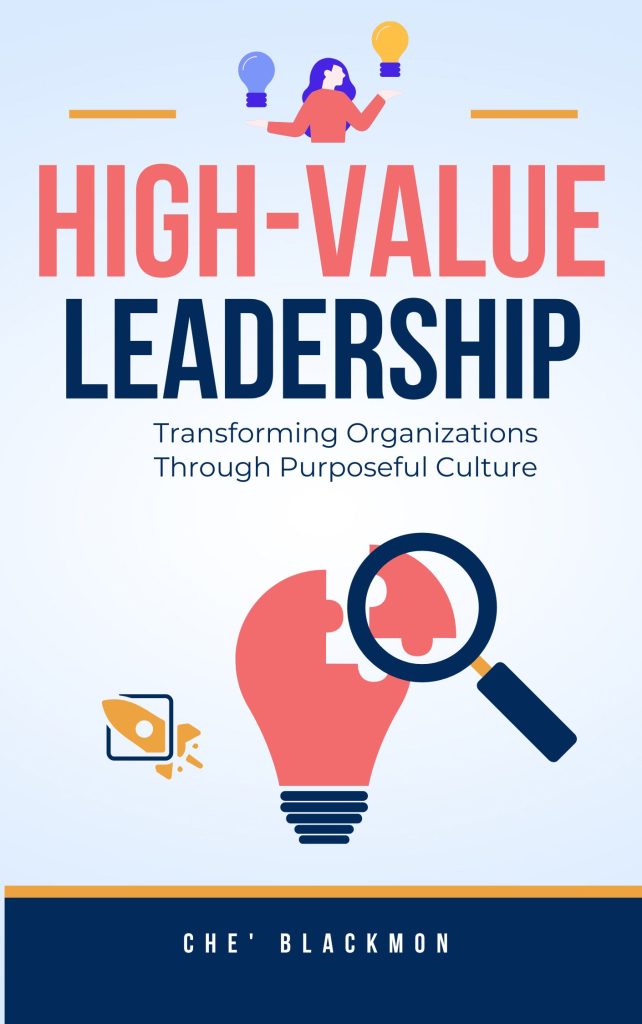
This case embodies a central tenet of “High-Value Leadership: Transforming Organizations Through Purposeful Culture” – that leadership isn’t merely about individual excellence but about creating systems that enable others to excel as well.
Building Effective Mentorship and Sponsorship Relationships
For Black women professionals seeking to develop these crucial relationships, consider these strategies:
- Clarify Your Goals: Before seeking mentors or sponsors, identify specific areas where you need guidance or advocacy. Being clear about what you’re looking for makes it easier to identify the right relationships and makes the best use of everyone’s time.
- Look Beyond Obvious Matches: While mentors who share your identity can provide invaluable perspective, also consider mentors from different backgrounds who have navigated similar professional challenges or have expertise in areas you want to develop.
- Build Relationships Before You Need Them: The most effective mentorship and sponsorship relationships develop organically over time. Look for opportunities to demonstrate your capabilities, work ethic, and potential to potential mentors and sponsors before formally approaching them.
- Make It Mutually Beneficial: The strongest professional relationships provide value to both parties. Consider what you bring to the relationship—fresh perspectives, digital skills, connections to younger talent—and make sure your mentor or sponsor sees the relationship as valuable to them as well.
- Be Specific About Support: When approaching potential sponsors, be clear about the type of support you’re seeking. Rather than asking generally for sponsorship, you might say, “I’m interested in the upcoming project on digital transformation. Would you be willing to recommend me for the team?”
- Maintain Regular Communication: Once you’ve established mentorship or sponsorship relationships, maintain regular check-ins. Update your mentors and sponsors on your progress, seek their input on new challenges, and let them know how their advice or advocacy has helped you.
- Express Gratitude: Acknowledge the time and effort your mentors and sponsors invest in your development. Simple expressions of gratitude strengthen the relationship and encourage continued support.
How Organizations Can Foster Effective Mentorship and Sponsorship
Creating a culture where mentorship and sponsorship thrive isn’t just beneficial for Black women professionals—it strengthens the entire organization by developing talent more effectively and creating more diverse leadership pipelines. Here’s how organizations can support these relationships:
- Implement Formal Programs with Accountability: Establish structured mentorship and sponsorship programs with clear expectations, regular check-ins, and measurements of success. Hold leaders accountable for developing diverse talent.
- Provide Training: Offer training for both mentors/sponsors and mentees/protégés on how to make these relationships most effective. Many professionals have never been explicitly taught how to mentor or sponsor effectively.
- Recognize and Reward Development Work: Include talent development activities in performance evaluations and compensation decisions. Leaders who excel at developing diverse talent should receive recognition and rewards.
- Create Multiple Pathways: Offer various forms of mentorship and sponsorship, including one-on-one relationships, group mentoring, peer mentoring, and reverse mentoring, to accommodate different preferences and needs.
- Address Structural Barriers: Examine organizational policies and practices that might undermine mentorship and sponsorship efforts, such as unclear promotion criteria or limited visibility into leadership opportunities.
- Measure and Adjust: Regularly assess the effectiveness of mentorship and sponsorship initiatives, gathering feedback from participants and tracking metrics like promotion rates and retention among underrepresented groups.
- Model from the Top: Senior leadership should visibly engage in mentorship and sponsorship, demonstrating its importance to organizational success and cultural values.
The Business Case for Supporting Black Women’s Advancement
Beyond the obvious ethical imperative, there’s a compelling business case for organizations to invest in mentorship and sponsorship for Black women. Companies with greater gender and racial diversity consistently outperform their less diverse counterparts. McKinsey’s ongoing research has found that companies in the top quartile for gender diversity are 25% more likely to achieve above-average profitability, while those in the top quartile for ethnic diversity outperform by 36%.
This performance advantage stems from multiple factors: diverse leadership teams bring broader perspectives to problem-solving, better understand diverse customer bases, and create more inclusive environments that attract and retain top talent. By implementing effective mentorship and sponsorship programs for Black women, organizations aren’t just addressing representation—they’re making a strategic investment in their competitive advantage.
Conclusion: Creating Cultures of Purposeful Development
At Che’ Blackmon Consulting, we believe that mentorship and sponsorship are not merely “nice to have” initiatives but essential components of high-value cultures. As I’ve outlined in “High-Value Leadership,” sustainable organizational success comes from creating environments where all talent can thrive authentically.
For Black women professionals, strategic relationships provide crucial pathways to overcome systemic barriers and achieve their full potential. For organizations, fostering these relationships creates stronger leadership pipelines, more innovative teams, and cultures where purpose and performance align.
The journey toward more inclusive leadership isn’t simple or quick, but it’s undoubtedly worthwhile. By investing in mentorship and sponsorship for Black women, we’re not just addressing historical inequities—we’re creating stronger, more resilient organizations capable of meeting the complex challenges of today’s world.
Discussion Questions
- How does your organization currently support mentorship and sponsorship for underrepresented professionals?
- What barriers might prevent effective mentorship and sponsorship relationships from developing organically in your workplace?
- If you’re a leader, how might you use your influence to sponsor talented Black women in your organization?
- What metrics would help your organization assess the effectiveness of its mentorship and sponsorship initiatives?
- How might mentorship circles or group mentoring approaches complement traditional one-on-one mentoring in your context?
Ready to Transform Your Organization?
If you’re ready to create a high-value culture where mentorship and sponsorship enable all talent to thrive, Che’ Blackmon Consulting can help. Our proven frameworks for cultural transformation and leadership development have helped organizations across industries build more inclusive, high-performing teams.
We offer customized programs including:
- Mentorship and sponsorship program design and implementation
- Leadership development for underrepresented professionals
- Training for effective mentors and sponsors
- Cultural assessments and transformation roadmaps
- Executive coaching for inclusive leadership
Contact us today at admin@cheblackmon.com or call 888.369.7243 to schedule a consultation. Together, we can unlock potential, empower overlooked talent, and transform your organization through purposeful culture.
#ProfessionalDevelopment #Mentorship #WomenInLeadership #Sponsorship #DiversityAndInclusion #BlackWomenInBusiness #CareerAdvancement #LeadershipDevelopment
15 responses to “The Importance of Mentorship and Sponsorship for Professional Black Women”
Awesome https://is.gd/N1ikS2
Good https://is.gd/N1ikS2
Thanks.
Awesome https://is.gd/N1ikS2
Thanks.
Thanks, much appreciated.
Very good https://is.gd/N1ikS2
Thanks.
Very good https://is.gd/N1ikS2
Thanks, much appreciated.
Thanks.
Very good https://is.gd/N1ikS2
Thanks, much appreciated.
Very good https://is.gd/N1ikS2
Thank you