


By Che’ Blackmon, DBA Candidate | Founder & CEO, Che’ Blackmon Consulting
We have entered a new era of business. The old economy rewarded those who hoarded information, guarded resources, and climbed over others to reach the top. But that economy is fading. In its place, something far more powerful has emerged: the connection economy.
In this new landscape, relationships are currency. Trust is capital. And the leaders who invest in genuine human connection are the ones generating extraordinary results.
This is not soft leadership. This is smart leadership. Research consistently shows that organizations with strong relational cultures outperform their competitors in every measurable way. They attract better talent. They retain employees longer. They innovate faster. They weather crises more effectively. The data is clear: connection drives results.
🌐 What Is the Connection Economy?
The term “connection economy” describes a fundamental shift in how value is created and exchanged in the modern workplace. Unlike the industrial economy that valued efficiency above all else, or the knowledge economy that prioritized information, the connection economy recognizes that sustainable success flows through relationships.
Seth Godin, who popularized this concept, argues that in an age of automation and artificial intelligence, human connection has become the most valuable and irreplaceable commodity. Machines can process data. Algorithms can optimize operations. But only humans can build the trust, empathy, and collaborative spirit that transforms good organizations into great ones.
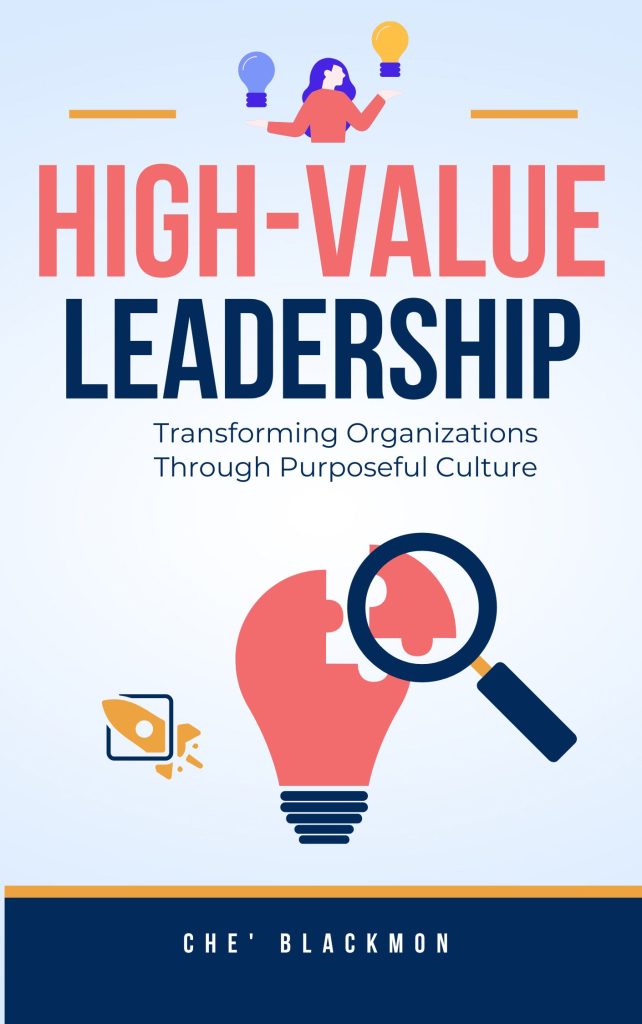
As I explore in High-Value Leadership: Transforming Organizations Through Purposeful Culture, the most effective leaders understand that their primary job is not managing tasks but cultivating relationships. They create environments where people feel seen, valued, and connected to something larger than themselves.
📊 The Business Case for Connection
If you need to convince skeptics that relationships matter, the numbers tell a compelling story.
According to Gallup’s State of the Global Workplace report, employees who have a best friend at work are seven times more likely to be engaged in their jobs. They produce higher quality work, have better safety records, and are significantly less likely to leave. Yet only three in ten employees strongly agree that they have a best friend at work, representing a massive untapped opportunity for organizations willing to prioritize connection.
Research from MIT’s Human Dynamics Laboratory found that patterns of communication are the most important predictor of a team’s success. Not the content of discussions. Not individual intelligence. But the frequency, energy, and inclusiveness of interactions. Teams that communicate in certain patterns, with members engaging equally and face to face, consistently outperform teams that do not.
A landmark study published in Harvard Business Review found that companies with highly connected cultures experienced 2.5 times higher revenue growth over a three year period compared to companies with disconnected cultures. The researchers concluded that connection was not just a “nice to have” but a significant competitive advantage.
💫 Connection and the Overlooked Leader
For traditionally overlooked talent in corporate spaces, particularly Black women in leadership, the connection economy presents both unique challenges and powerful opportunities.
The challenges are real. Research from LeanIn.Org and McKinsey’s Women in the Workplace study consistently shows that Black women are less likely to have access to senior leaders, less likely to receive sponsorship, and more likely to have their judgment questioned. They often find themselves excluded from the informal networks where crucial information flows and career advancing relationships form.
In Rise & Thrive: A Black Woman’s Blueprint for Leadership Excellence, I address this reality head on. The connection economy does not automatically level the playing field. Systemic barriers persist. But understanding how connection works provides a strategic framework for navigating and ultimately transforming these systems.
Here is the opportunity: Black women have been building connection economies within their communities for generations. The mutual aid networks, the sisterhood circles, the “each one teach one” mentality that has sustained Black communities through centuries of exclusion represents sophisticated relational intelligence that is now recognized as essential for organizational success.
The skills that have helped Black women survive and thrive despite systemic barriers, including the ability to read rooms, build coalitions across difference, and create belonging from scratch, are precisely the skills the connection economy rewards. The task now is ensuring these contributions are recognized, valued, and compensated appropriately.
🔑 Five Pillars of Connection Driven Leadership
1. Intentional Presence 👁️
Connection begins with presence. Not physical proximity, but genuine attentiveness. In an age of constant distraction, the simple act of giving someone your full attention has become revolutionary.
There was a technology company struggling with cross functional collaboration. Teams worked in silos, communication broke down regularly, and projects consistently missed deadlines. The solution was not a new project management system but a cultural intervention focused on presence. Leaders committed to device free meetings, active listening protocols, and what they called “connection before content” practices where every meeting began with genuine check ins. Within six months, project completion rates improved by 34%.
Action Step: For one week, practice being fully present in every conversation. Put away devices. Make eye contact. Listen to understand rather than to respond. Notice what shifts in your relationships.
2. Psychological Safety 🛡️
Google’s extensive research on team effectiveness, known as Project Aristotle, found that psychological safety was the single most important factor in high performing teams. Psychological safety means team members feel safe to take risks, voice opinions, and be themselves without fear of punishment or humiliation.
This is particularly significant for overlooked leaders. When people must constantly monitor how they are perceived, code switch to fit in, or guard against microaggressions, the cognitive load leaves less capacity for innovation and contribution. Creating psychological safety is not just ethical. It is strategic.
In Mastering a High-Value Company Culture, I outline specific practices for building psychological safety, including normalizing vulnerability from leadership, responding productively to mistakes, and actively seeking dissenting opinions.
Action Step: In your next team meeting, ask a question that invites disagreement, such as “What am I missing?” or “What concerns have we not addressed?” Thank people genuinely when they offer critical perspectives.
3. Strategic Vulnerability 💝
Brené Brown’s research on vulnerability has transformed how we understand leadership. Contrary to traditional models that equated leadership with invulnerability, Brown’s work shows that the willingness to be seen, including strengths and struggles, is what creates genuine connection.
Strategic vulnerability does not mean oversharing or inappropriate emotional displays. It means authentically acknowledging challenges, admitting mistakes, and showing up as a whole human rather than a polished facade. When leaders model this behavior, it gives permission for others to do the same.
There was a financial services firm where the CEO began sharing brief monthly reflections with the entire organization. These were not triumphant announcements but honest assessments that included mistakes made, lessons learned, and areas of uncertainty. Employee surveys showed a 28% increase in trust scores within one year. More importantly, teams throughout the organization began having more honest conversations about challenges, leading to faster problem identification and resolution.
Action Step: Identify one area where you have been projecting certainty despite feeling uncertain. Find an appropriate opportunity to acknowledge that uncertainty with your team. Notice how they respond.
4. Inclusive Networks 🌍
Connection driven leaders do not just build networks. They build inclusive networks that span hierarchies, departments, and demographic groups. They intentionally connect with people who are different from themselves and create opportunities for others to do the same.
Research from organizational network analysis shows that the most innovative ideas and solutions typically emerge at the intersections of different groups rather than within homogeneous clusters. Leaders who bridge diverse networks become conduits for these innovations.
For Black women and other overlooked leaders, building inclusive networks often requires extra intentionality. This might mean joining professional associations, seeking reverse mentoring relationships, or creating affinity groups within organizations. It also means using whatever positional power you have to pull others into networks from which they have been excluded.
Action Step: Map your current professional network. Identify gaps in diversity, whether by role, department, demographic, or perspective. Commit to making three new connections in the next month that begin to fill those gaps.
5. Generative Reciprocity 🔄
The connection economy runs on reciprocity, but not the transactional kind that keeps score. Generative reciprocity means contributing to relationships and communities without immediate expectation of return, trusting that value flows in unexpected ways over time.
Adam Grant’s research on giving and taking in organizations shows that “givers,” those who contribute to others without keeping score, tend to be both the lowest and highest performers. The difference is that successful givers are strategic about how and to whom they give, protecting their energy while maximizing their impact.
There was a healthcare system that implemented what they called “pay it forward” leadership development. Senior leaders were expected to sponsor at least two emerging leaders annually, with particular focus on talent from underrepresented groups. Within three years, the organization’s leadership pipeline diversified significantly, and sponsored leaders showed promotion rates 2.3 times higher than unsponsored peers.
Action Step: Identify someone early in their career who could benefit from your knowledge or connections. Reach out this week with an offer of support, expecting nothing in return.

📈 Connection in the Age of AI and Remote Work
Two major trends are reshaping how we think about connection at work: the rise of artificial intelligence and the normalization of remote and hybrid work arrangements.
Some feared that these trends would diminish human connection. Instead, they have highlighted its irreplaceable value. As AI takes over routine cognitive tasks, the uniquely human abilities to empathize, collaborate, and build trust become even more essential. Organizations are realizing that their competitive advantage lies not in having the best algorithms but in having the strongest relationships.
Remote work has forced organizations to be more intentional about connection. The casual hallway conversations and lunch meetings that once happened organically now require deliberate design. This intentionality, while initially challenging, has led many organizations to develop more inclusive connection practices that work for introverts, caregivers, and employees who were previously excluded from the after hours networking events where relationships traditionally formed.
Current best practices for virtual connection include regular one on one check ins focused on relationships rather than just tasks, virtual coffee conversations paired across departments or levels, asynchronous video messages that convey tone and personality, and hybrid meeting protocols that ensure remote participants are fully included.
🏗️ Building a Connection Culture
Individual leaders can model connection driven behavior, but sustainable transformation requires embedding connection into organizational culture. This means examining systems, structures, and practices through a relational lens.
Questions to consider include: Do our hiring practices assess relational skills alongside technical competencies? Do our performance management systems reward collaboration as much as individual achievement? Do our meeting structures allow for genuine connection or just information transfer? Do our physical and virtual spaces facilitate relationship building? Do our development programs include training on emotional intelligence, active listening, and inclusive leadership?
In Mastering a High-Value Company Culture, I provide frameworks for conducting this kind of cultural audit and implementing changes that strengthen relational infrastructure. The goal is not to add connection initiatives on top of existing practices but to weave connection into the fabric of how work gets done.
🌱 The Ripple Effect of Connected Leadership
When leaders prioritize connection, the effects ripple outward in ways that are difficult to measure but impossible to miss. Teams become more cohesive. Collaboration becomes more fluid. Information flows more freely. Problems get surfaced earlier. Innovation accelerates. People stay longer and contribute more fully.
But perhaps the most profound impact is on the leaders themselves. Leading through connection is more sustainable than leading through control. It distributes the burden of leadership across relationships rather than concentrating it in one person. It creates feedback loops that help leaders learn and grow. It generates the kind of meaning and fulfillment that protects against burnout.
For Black women leaders who have often been expected to carry organizations while receiving the least support, connection driven leadership offers a more reciprocal model. When you invest in relationships, those relationships invest back in you. When you build bridges, those bridges hold you up.
🎯 The Connection Imperative
The connection economy is not a trend that will pass. It is a fundamental shift in how value is created and success is achieved. Organizations and leaders who fail to adapt will find themselves increasingly marginalized, unable to attract talent, unable to innovate, unable to retain the relationships that drive results.
But those who embrace this shift, who invest in relationships as deliberately as they invest in technology or processes, will discover that connection is not just good for business. It is good for the soul. It transforms work from a place where we merely exchange labor for wages into a community where we grow, contribute, and belong.
The question is not whether you can afford to prioritize connection. The question is whether you can afford not to.
💬 Discussion Questions
1. How would you describe the relational health of your current team or organization? What evidence supports your assessment?
2. Which of the five pillars of connection driven leadership represents your greatest strength? Which represents your biggest growth opportunity?
3. How have you experienced or observed the challenges faced by overlooked leaders in building professional networks? What strategies have been effective in overcoming these barriers?
4. In what ways has remote or hybrid work affected relationship building in your organization? What practices have helped maintain or strengthen connection?
5. If you were to audit your organization’s culture through a relational lens, what would you examine first? What changes might you recommend?
🚀 Your Next Steps
Becoming a connection driven leader does not require a complete overhaul of how you work. It begins with small, consistent shifts in attention and intention. This week, choose one of the action steps from this article and commit to implementing it. Pay attention to what changes in your relationships and your results.
Remember that building a connection economy is not a solo endeavor. Share these ideas with colleagues. Start conversations about relational health in your organization. Create opportunities for others to connect. The more people who embrace this approach, the more powerful its effects become.
In the connection economy, your greatest asset is not what you know or even what you can do. It is who you are in relationship with others. Invest accordingly.
✨ Ready to Build Your Connection Economy?
If you are ready to transform your organization’s culture through the power of connection, Che’ Blackmon Consulting is here to guide the journey. We specialize in culture transformation, leadership development, and building organizations where relationships drive results.
📧 Email: admin@cheblackmon.com
📞 Phone: 888.369.7243
🌐 Website: cheblackmon.com
Let’s unlock your potential, empower your leadership, and transform your impact together.
📖 About the Author
Che’ Blackmon is the Founder and CEO of Che’ Blackmon Consulting, a Michigan-based fractional HR and culture transformation consultancy. With over 24 years of progressive HR leadership experience across manufacturing, automotive, healthcare, and other sectors, Che’ brings deep expertise in building organizations where people and performance thrive together. She is currently pursuing her Doctor of Business Administration (DBA) in Organizational Leadership with research focused on AI-enhanced organizational transformation. Che’ is the author of High-Value Leadership: Transforming Organizations Through Purposeful Culture, Mastering a High-Value Company Culture, and Rise & Thrive: A Black Woman’s Blueprint for Leadership Excellence. She hosts the “Unlock, Empower, Transform” podcast and the “Rise & Thrive” YouTube series.
#Leadership #ConnectionEconomy #WorkplaceCulture #HighValueLeadership #RelationshipBuilding #LeadershipDevelopment #EmployeeEngagement #OrganizationalCulture #TrustInLeadership #TeamBuilding #HRLeadership #ProfessionalNetworking #CultureTransformation #BlackWomenInLeadership #LeadWithPurpose