Blog

Cross-Functional Leadership: Breaking Down Silos

In today’s complex business environment, organizational silos can be the silent killers of innovation, growth, and cultural transformation. Throughout my research for “Mastering a High-Value Company Culture” and my consulting work, I’ve found that effective cross-functional leadership is essential for empowering overlooked talent and creating sustainable pathways for authentic growth.

Understanding the Silo Challenge

Organizational silos are more than just structural divisions—they’re cultural barriers that:

  • Limit collaboration and innovation
  • Reduce operational efficiency
  • Hinder talent development
  • Impede organizational agility

Case Study: Manufacturing Transformation

When working with a major automotive supplier, we discovered that departmental silos were causing:

  • 35% longer product development cycles
  • Significant quality issues
  • Low employee engagement
  • Missed market opportunities

Building Cross-Functional Excellence

1. Leadership Framework

  • Clear shared vision
  • Aligned objectives
  • Integrated processes
  • Collaborative metrics

2. Cultural Components

  • Trust-based relationships
  • Open communication channels
  • Shared accountability
  • Innovation mindset

Practical Implementation Strategies

Phase 1: Assessment and Planning

1. Evaluate Current State

  • Map organizational structure
  • Identify communication barriers
  • Assess collaboration levels
  • Document pain points

2. Design Integration Points

  • Cross-functional teams
  • Shared projects
  • Joint planning sessions
  • Combined metrics

Phase 2: Implementation

1. Build Collaborative Infrastructure

  • Communication platforms
  • Shared workspaces
  • Project management tools
  • Knowledge sharing systems

2. Develop Team Capabilities

  • Cross-functional training
  • Collaboration skills
  • Change management
  • Cultural awareness

Success Metrics and Measurement

Key Performance Indicators

1. Operational Metrics

  • Process efficiency
  • Project completion rates
  • Innovation outcomes
  • Quality improvements

2. Cultural Indicators

  • Collaboration levels
  • Employee engagement
  • Knowledge sharing
  • Trust measures

Best Practices for Cross-Functional Leadership

1. Communication Excellence

  • Regular cross-team meetings
  • Transparent information sharing
  • Clear decision protocols
  • Feedback mechanisms

2. Team Development

  • Cross training opportunities
  • Rotation programs
  • Mentorship initiatives
  • Shared learning experiences

3. Process Integration

  • Aligned workflows
    • Shared tools
    • Integrated systems
    • Common metrics

Common Challenges and Solutions

Challenge 1: Resistance to Change

Solution:

  • Build compelling case for collaboration
    • Demonstrate early wins
    • Celebrating shared successes
    • Provide support and resources

Challenge 2: Competing Priorities

Solution:

  • Establish clear objectives
    • Create shared metrics
    • Align incentives
    • Foster mutual accountability

Implementation Roadmap

Month 1-3: Foundation

  • Assess current state
    • Build leadership alignment
    • Design integration strategy
    • Plan implementation

Month 4-6: Implementation

  • Launch cross-functional initiatives
    • Develop team capabilities
    • Establish measurement systems
    • Monitor progress

Month 7-12: Optimization

  • Refine processes
    • Scale successful practices
    • Address challenges
    • Celebrating achievements

Leadership Actions for Success

1. Model Collaboration

  • Work across boundaries
    • Share information openly
    • Support joint initiatives
    • Celebrating team success

2. Build Capabilities

  • Develop cross-functional skills
    • Foster cultural awareness
    • Enhance communication
    • Strengthening relationships

Discussion Questions

  1. How do silos currently impact your organization’s performance?
  2. What cross-functional opportunities exist in your environment?
  3. How can you better align team objectives and metrics?
  4. What support do you need to drive collaboration?
  5. How will you measure cross-functional success?

Next Steps for Leaders

1. Assess Your Environment

  • Map current relationships
    • Identify barriers
    • Document opportunities
    • Define priorities

2. Create Your Action Plan

  • Set clear objectives
    • Define success metrics
    • Allocate resources
    • Establish timelines

3. Build Support

  • Engage stakeholders
    • Develop capabilities
    • Create accountability
    • Monitor progress

Partner with Che’ Blackmon Consulting

Ready to transform your organization through cross-functional leadership? We offer:

  • Organizational assessment
    • Strategy development
    • Implementation support
    • Leadership coaching

Our approach helps organizations:

  • Break down silos
    • Build collaborative cultures
    • Enhance performance
    • Driving innovation

Through customized solutions, we help you:

  • Assess current state
    • Design integration strategies
    • Develop leadership capabilities
    • Measure and optimize results

Contact us at admin@cheblackmon.com to begin your transformation:

  • Schedule a consultation
    • Evaluate your needs
    • Create your roadmap
    • Start your journey

Breaking down silos isn’t just about structural change—it’s about creating a culture of collaboration that empowers talent and drives sustainable growth. Let’s work together to transform your organization through effective cross-functional leadership.

Remember, true organizational excellence comes from breaking down barriers and building bridges that enable all talent to contribute their best work. The journey starts with leadership commitment and continues through consistent action and continuous improvement.

#OrganizationalDevelopment #CrossFunctionalTeams #LeadershipStrategy #InnovationCulture #ChangeManagement #BusinessTransformation #TeamCollaboration #OrganizationalCulture #LeadershipDevelopment #BusinessGrowth


Developing Your Leadership Philosophy and Brand

In today’s dynamic business environment, authentic leadership isn’t just about what you do—it’s about who you are and what you stand for. As I discuss in “Mastering a High-Value Company Culture,” your leadership philosophy and personal brand form the foundation for building high-value cultures and transforming organizations.

Understanding Leadership Philosophy

Your leadership philosophy is your north star. It guides your decisions, shapes your actions, and influences how you develop others. Like my mission to empower overlooked talent and transform organizational cultures, your philosophy should reflect both your values and your vision for impact.

Core Components of Leadership Philosophy

1. Values Foundation

  • Personal core values
  • Ethical principles
  • Leadership beliefs
  • Cultural commitments

2. Vision for Impact

  • Desired outcomes
  • Transformation goals
  • Legacy aspirations
  • Stakeholder benefits

3. Leadership Approach

  • Communication style
  • Decision-making framework
  • Team development methods
  • Performance expectations

Building Your Leadership Brand

Your leadership brand is how others experience your philosophy in action. It should be:

  • Authentic to your values
    • Consistent cross-counter interactions
    • Memorable and distinct
    • Value-creating for others

Case Study: Transformational Leadership Brand

Consider Sarah Chen’s leadership brand at Midwest Manufacturing. She built her brand around:

  • Innovation leadership
    • Inclusive decision-making
    • Transparent communication
    • Continuous learning

The result? A 40% increase in employee engagement and successful transformation into new market opportunities.

Practical Steps to Develop Your Philosophy and Brand

1. Self-Assessment

  • Document your values
    • Identify your strengths
    • Understand your purpose
    • Define your impact goals

2. Stakeholder Input

  • Gather feedback from team members
    • Seek mentor perspectives
    • Listen to peer insights
    • Consider customer views

3. Brand Development

1. Create Your Leadership Statement
  • Articulate your purpose
    • Define your principles
    • Describe your approach
    • State your commitments
2. Develop Your Communication Plan
  • Key messages
    • Delivery channels
    • Frequency of communication
    • Feedback mechanisms

Implementing Your Philosophy and Brand

Daily Practices

1. Model Your Values
  • Demonstrate consistency
    • Show authenticity
    • Build trust
    • Lead by example
2. Communicate Effectively
  • Share your vision
    • Listen actively
    • Provide feedback
    • Celebrating success

Strategic Actions

1. Team Development

  • Mentor others
    • Build capabilities
    • Foster growth
    • Create opportunities

2. Cultural Impact

  • Shape environment
    • Influence behaviors
    • Driving innovation
    • Build inclusion

Common Challenges and Solutions

1. Authenticity vs. Expectations

Challenge: Balancing personal style with organizational needs

Solution:

  • Align values with organizational goals
    • Find authentic ways to meet requirements
    • Communicate your approach clearly
    • Build understanding and support

2. Consistency Across Contexts

Challenge: Maintaining brand consistency in different situations

Solution:

  • Develop flexible response frameworks
    • Practice adaptable communication
    • Stay true to core values
    • Seek feedback regularly

Measuring Impact

Track your leadership effectiveness through:

  1. Team performance metrics
  2. Employee engagement scores
  3. Cultural health indicators
  4. Stakeholder feedback
  5. Development outcomes

Future Trends in Leadership Branding

Current trends emphasize:

  • Authentic leadership
    • Digital presence
    • Social impact
    • Cultural influence
    • Sustainable practices

Discussion Questions

  1. What values are non-negotiable in your leadership approach?
  2. How does your leadership philosophy align with your organization’s culture?
  3. What impact do you want your leadership brand to have?
  4. How will you measure your leadership effectiveness?
  5. What support do you need to develop your brand?

Action Steps

1. Document Your Philosophy

  • Write your leadership statement
    • Define your principles
    • Clarify your approach
    • Set impact goals

2. Create Your Brand Plan

  • Develop key messages
    • Choose communication channels
    • Plan implementation steps
    • Establish feedback loops

3. Build Support Systems

  • Identify mentors
    • Create accountability structures
    • Establish review processes
    • Plan development activities

Partner with Che’ Blackmon Consulting

Ready to develop your leadership philosophy and brand? We offer:

  • Leadership development programs
    • Executive coaching
    • Brand strategy workshops
    • Implementation support

Our approach helps leaders:

  • Clarify their philosophy
    • Build authentic brands
    • Drive cultural transformation
    • Create lasting impact

Through customized solutions, we help you:

  • Define your leadership vision
    • Develop your unique brand
    • Implement effective strategies
    • Measure and adjust for success

Contact us at admin@cheblackmon.com to start your leadership development journey:

  • Schedule a consultation
    • Assess your current state
    • Create your development plan
    • Begin your transformation

Remember, your leadership philosophy and brand are powerful tools for creating positive change. By developing them thoughtfully and implementing them consistently, you can build high-value cultures and empower others to achieve breakthrough performance. Let’s work together to define and develop your leadership philosophy and brand, creating sustainable pathways for authentic growth and organizational transformation.

#LeadershipDevelopment #PersonalBranding #AuthenticLeadership #ExecutiveLeadership #OrganizationalCulture #LeadershipPhilosophy #LeadershipStrategy #ProfessionalDevelopment #CareerGrowth #BusinessLeadership

Strategic Planning for New Leaders: Creating Your 12-Month Roadmap

As highlighted in “Mastering a High-Value Company Culture,” success in leadership isn’t about quick wins—it’s about thoughtful, strategic planning that aligns with organizational values while empowering overlooked talent. Whether you’re stepping into a new leadership role or seeking to transform your current organization, your first 12 months are crucial for establishing direction, building trust, and creating sustainable pathways for growth.

The Foundation: Understanding Your Environment

Assessment Phase (Months 1-3)

Before implementing any changes, take time to:

1. Cultural Assessment

  • Document current organizational values and practices
  • Identify gaps between stated and lived values
  • Map informal power structures and influence networks
  • Evaluate team dynamics and relationships

2. Operational Review

  • Analyze key performance indicators
  • Review existing processes and systems
  • Identify immediate pain points
  • Assess resource allocation

3. Stakeholder Mapping

  • Build relationships with key team members
  • Understand various perspectives and concerns
  • Identify potential allies and resistance points
  • Create communication channels

Building Your Strategic Framework

Vision Alignment (Months 4-6)

During this phase, focus on:

1. Goal Setting

  • Short-term wins (90 days)
    • Medium-term objectives (6 months)
    • Long-term aspirations (12 months+)
    • Alignment with organizational mission

2. Team Development

  • Skills assessment and gap analysis
    • Individual development plans
    • Team capability building
    • Leadership capacity enhancement

Case Study: Manufacturing Leadership Transition

A new plant manager I worked with used this framework to transform a struggling facility. By spending her first three months deeply understanding existing processes and building relationships, she identified that poor communication between shifts was causing quality issues. Her systematic approach to improvement led to:

  • 30% reduction in quality defects
    • 25% increase in employee engagement
    • 15% improvement in productivity

Implementation Strategy

Months 7-9: Execution Phase

1. Priority Initiatives

  • Launch high-impact projects
    • Implement process improvements
    • Develop talent pipelines
    • Build cross-functional collaboration

2. Change Management

  • Clear communication plans
    • Stakeholder engagement
    • Resistance management
    • Progress monitoring

Success Metrics

Track both quantitative and qualitative measures:

  • Performance metrics
    • Employee engagement scores
    • Cultural health indicators
    • Leadership effectiveness measures

Sustainability and Growth

Months 10-12: Reinforcement and Evolution

1. System Integration

  • Embed new processes
    • Document best practices
    • Create feedback loops
    • Establish ongoing review cycles

2. Culture Building

  • Reinforce desired behaviors
    • Celebrate successes
    • Share lessons learned
    • Build momentum for future growth

Action Steps for Success

1. First 30 Days

  • Complete organizational assessment
    • Meet key stakeholders
    • Review existing data and metrics
    • Draft initial observations

2. 60-90 Days

  • Develop strategic framework
    • Create action plans
    • Build team alignment
    • Establish priority initiatives

3. Ongoing Activities

  • Regular team check-ins
    • Progress reviews
    • Stakeholder updates
    • Course corrections as needed

Common Pitfalls to Avoid

1. Moving Too Quickly

  • Take time to understand before acting
    • Build relationships and trust
    • Test assumptions
    • Validate strategies

2. Insufficient Communication

  • Maintain regular updates
    • Use multiple channels
    • Seek feedback
    • Address concerns promptly

Discussion Questions for Leaders

  1. What are your organization’s current strengths and challenges?
  2. How well do your team members understand and embody organizational values?
  3. What metrics will best indicate success in your environment?
  4. How will you balance quick wins with long-term transformation?
  5. What support systems do you need to ensure sustainable change?

Next Steps

Ready to create your strategic roadmap? Here’s how to get started:

1. Self-Assessment

  • Review your leadership style
    • Identify development areas
    • Clarify your vision
    • Set personal goals

2. Team Engagement

  • Schedule individual meetings
    • Conduct team sessions
    • Gather feedback
    • Build alignment

3. Action Planning

  • Prioritize initiatives
    • Allocate resources
    • Define metrics
    • Create timelines

Partner with Che’ Blackmon Consulting

Looking for support in developing and implementing your leadership roadmap? Che’ Blackmon Consulting specializes in:

  • Strategic planning facilitation
    • Leadership development programs
    • Cultural transformation initiatives
    • Performance optimization strategies

We help leaders create sustainable pathways for authentic growth and breakthrough performance through:

  • Customized consulting solutions
    • Executive coaching
    • Team development workshops
    • Cultural assessment and transformation

Contact us at admin@cheblackmon.com to schedule a consultation and learn how we can help you achieve your leadership goals while building a high-value organizational culture.

This comprehensive roadmap aligns with both proven leadership principles and our commitment to empowering overlooked talent through strategic HR leadership. Let’s work together to transform your organization’s culture and create lasting positive change.

#NewLeadership #StrategicPlanning #LeadershipDevelopment #OrganizationalSuccess #ChangeManagement #ExecutiveLeadership #LeadershipStrategy #BusinessTransformation #TeamDevelopment #LeadershipJourney

Building High Performance Leadership Teams

Through my research on “Mastering a High-Value Company Culture” and extensive consulting experience, I’ve discovered that the key to organizational excellence often lies in the strength of its leadership teams. High-performance leadership teams do not happen by accident—they’re built through intentional design, careful cultivation, and ongoing development.

The Foundation of High-Performance Teams

Consider the transformation of the Detroit Lions under Dan Campbell. The success wasn’t just about individual leadership, it was about creating a leadership team that could execute effectively while modeling the desired culture. Each member brought unique strengths, yet they operated as a cohesive unit with shared purpose and values.

Five Core Elements of High-Performance Leadership Teams

1. Shared Purpose and Vision

  • Clear understanding of team objectives
  • Alignment with organizational mission
  • Commitment to common goals
  • Unified direction

2. Complementary Capabilities

  • Diverse skill sets
  • Balanced strengths
  • Cross-functional expertise
  • Combined experience

3. Trust and Psychological Safety

  • Open communication
    • Healthy conflict resolution
    • Risk-taking support
    • Mutual accountability

4. Clear Roles and Responsibilities

  • Defined expectations
    • Understood boundaries
    • Collaborative overlap
    • Seamless coordination

5. Performance Discipline

  • Measurable outcomes
    • Regular review cycles
    • Continuous improvement
    • Shared accountability

Building Your Leadership Team

Phase 1: Foundation Setting

1. Assessment

  • Individual capabilities
  • Team dynamics
  • Performance gaps
  • Cultural alignment

2. Design

  • Role definition
  • Responsibility allocation
  • Communication protocols
  • Decision-making frameworks

Phase 2: Development

1. Individual Growth

  • Skill enhancement
  • Leadership development
  • Emotional intelligence
  • Cultural competency

2. Team Capability

  • Collaboration skills
  • Decision-making processes
  • Conflict resolution
  • Change management

Creating High-Performance Team Dynamics

1. Communication Excellence

  • Regular structured meetings
  • Open feedback channels
  • Clear information flow
  • Transparent decision-making

2. Trust Building

  • Shared experiences
  • Vulnerability permission
  • Accountability practice
  • Success celebration

3. Conflict Management

  • Healthy debate encouragement
    • Issue resolution protocols
    • Different perspective value
    • Solution focus

Common Challenges and Solutions

Challenge 1: Silos and Territorialism

Solution:

  • Cross-functional projects
    • Shared goals and metrics
    • Collaborative decision-making
    • Regular team building

Challenge 2: Poor Communication

Solution:

  • Structured communication rhythms
    • Multiple feedback channels
    • Clear expectations
    • Regular check-ins

Challenge 3: Misaligned Priorities

Solution:

  • Regular strategy alignment
    • Shared performance metrics
    • Clear goal hierarchy
    • Regular priority reviews

Measuring Team Performance

Hard Metrics

  1. Goal achievement
  2. Project completion rates
  3. Financial results
  4. Operational efficiency

Soft Metrics

  1. Team engagement
  2. Cultural alignment
  3. Innovation levels
  4. Collaboration quality

Best Practices for Sustaining Performance

1. Regular Assessment

  • Performance review
    • Team dynamics evaluation
    • Capability assessment
    • Culture alignment check

2. Continuous Development

  • Skill enhancement
    • Leadership growth
    • Team building
    • Cultural reinforcement

3. Active Management

  • Regular coaching
    • Performance feedback
    • Course correction
    • Success celebration

The Impact on Organizational Culture

High-performance leadership teams directly influence organizational culture by:

  • Modeling desired behaviors
    • Setting performance standards
    • Driving cultural alignment
    • Creating psychological safety
    • Fostering innovation

Looking Forward

As organizations face increasing complexity, the need for high-performance leadership teams becomes more critical. Teams must be able to:

  • Navigate uncertainty
    • Driving innovation
    • Lead change
    • Build resilience
    • Maintain cultural integrity

Conclusion

Building high-performance leadership teams is both an art and a science. It requires careful attention to individual capabilities, team dynamics, and organizational culture. When done well, these teams become powerful engines of organizational success, driving both performance and cultural excellence.

Ready to take your leadership team to the next level? Contact Che’ Blackmon Consulting at admin@cheblackmon.com to learn how we can help you build and develop high-performance teams that drive organizational success.

#LeadershipTeams #TeamPerformance #OrganizationalExcellence #ExecutiveLeadership #TeamDevelopment #HighPerformanceTeams #LeadershipDevelopment #OrganizationalCulture #TeamBuilding #BusinessSuccess

The Power of Vulnerability in Leadership

In the world of leadership, vulnerability is often misunderstood. Through my research for “Mastering a High-Value Company Culture” and my extensive consulting work, I’ve discovered that true leadership strength often emerges from the courage to be vulnerable. This isn’t about weakness—it’s about authentic connection, trust-building, and creating environments where innovation and growth can flourish.

Redefining Vulnerability in Leadership

When Dan Campbell took over from the Detroit Lions, he demonstrated what vulnerable leadership looks like in action. He openly shared his emotions, acknowledged uncertainties, and admitted when he needed help. This authenticity didn’t diminish his authority, it enhanced it. His team responded with increased trust, engagement, and performance.

The Three Dimensions of Leadership Vulnerability

1. Emotional Authenticity

  • Being genuine about feelings and challenges
  • Showing empathy for team members’ struggles
  • Creating space for emotional expression
  • Modeling healthy emotional management

2. Intellectual Humility

  1. Admitting when you don’t have all the answers
  2. Being open to new ideas and perspectives
  3. Learning from mistakes openly
  4. Encouraging diverse viewpoints

3. Relational Transparency

  • Building genuine connections with team members
    • Sharing appropriate personal experiences
    • Being accessible and approachable
    • Maintaining professional boundaries while being human

Business Case for Vulnerable Leadership

Research shows that vulnerable leadership contributes to:

  1. Higher employee engagement
  2. Increased innovation
  3. Stronger team collaboration
  4. Better problem-solving
  5. Improved organizational resilience

Consider Sarah Chen’s transformation of Midwest Manufacturing. By openly acknowledging the challenges of transitioning to electric vehicle components and sharing her own learning journey, she created an environment where employees felt safe to experiment and innovate.

Practical Applications for Vulnerable Leadership

In Decision Making

  • Share the reasoning behind decisions
    • Acknowledge uncertainties and risks
    • Invite input and feedback
    • Be open about mistakes and lessons learned

In Team Development

  • Create psychological safety
    • Encourage experimentation
    • Celebrate learning from failure
    • Sharing personal growth stories

In Change Management

  1. Address fears and concerns openly
    1. Acknowledge the emotional impact of change
    1. Share personal struggles with adaptation
    1. Maintain transparent communication

Balancing Vulnerability and Authority

Effective vulnerable leadership requires:

1. Clear Boundaries

  • Know what to share and what to keep private
  • Maintain professional relationships
  • Focus on relevant experiences
  • Stay aligned with organizational values

2. Strong Self-Awareness

  • Understand your triggers and biases
  • Monitor your emotional state
  • Know when to seek support
  • Practice self-reflection

3. Purposeful Vulnerability

  • Share with intention
  • Focus on growth and learning
  • Model desired behaviors
  • Create psychological safety

Common Misconceptions and Realities

Misconception 1: Vulnerability Shows Weakness

  • Reality: Authentic vulnerability demonstrates courage and confidence.

Misconception 2: Leaders Should Have All the Answers

  • Reality: Acknowledging uncertainty builds trust and encourages innovation.

Misconception 3: Vulnerability Undermines Authority

  • Reality: Appropriate vulnerability strengthens leadership influence.

Building Vulnerability Skills

To develop your capacity for vulnerable leadership:

1. Start Small

  • Practice in low-risk situations
  • Build confidence gradually
  • Learn from each experience
  • Seek feedback and adjust

2. Create Safe Spaces

  • Establish trust within your team
  • Model desired behaviors
  • Celebrate vulnerability in others
  • Address fear and resistance

3. Maintain Balance

  • Stay professional
  • Share appropriately
  • Focus on growth
  • Monitor impact

The Impact on High-Value Culture

Vulnerable leadership directly contributes to creating a high-value culture by:

  • Fostering trust and psychological safety
  • Encouraging innovation and creativity
  • Building stronger relationships
  • Promoting continuous learning
  • Creating authentic connections

Looking Forward

As organizations face increasing complexity and change, vulnerable leadership becomes more critical. Leaders who can balance strength with openness, authority with authenticity, and power with vulnerability will be better positioned to build resilient, innovative organizations.

Conclusion

Vulnerability in leadership isn’t a trend—it’s a fundamental capability for building high-value cultures and driving sustainable success. By embracing appropriate vulnerability, leaders can create environments where people feel safe to innovate, grow, and contribute their best work.

Want to develop vulnerable leadership capabilities in your organization? Contact Che’ Blackmon Consulting at admin@cheblackmon.com  to learn how we can help you build a culture of trust and innovation through authentic leadership.

#AuthenticLeadership #VulnerableLeadership #LeadershipDevelopment #OrganizationalCulture #EmployeeEngagement #TeamBuilding #LeadershipStrategy #InnovativeCulture #ExecutiveLeadership #WorkplaceCulture

Leading Through Change: A Strategic Approach

In today’s business landscape, change isn’t just constant—it’s accelerating. Through my work with organizations and research for “High-Value Leadership” and “Mastering a High-Value Company Culture,” I’ve discovered that successful change leadership requires more than just good intentions. It demands a strategic approach that balances organizational needs with human dynamics.

Understanding the Change Leadership Challenge

Consider the transformation of the Detroit Lions under Dan Campbell’s leadership. The challenge wasn’t simply about improving performance metrics. It required fundamentally reshaping organizational culture while maintaining operational effectiveness. This example demonstrates how successful change leadership operates on multiple levels simultaneously.

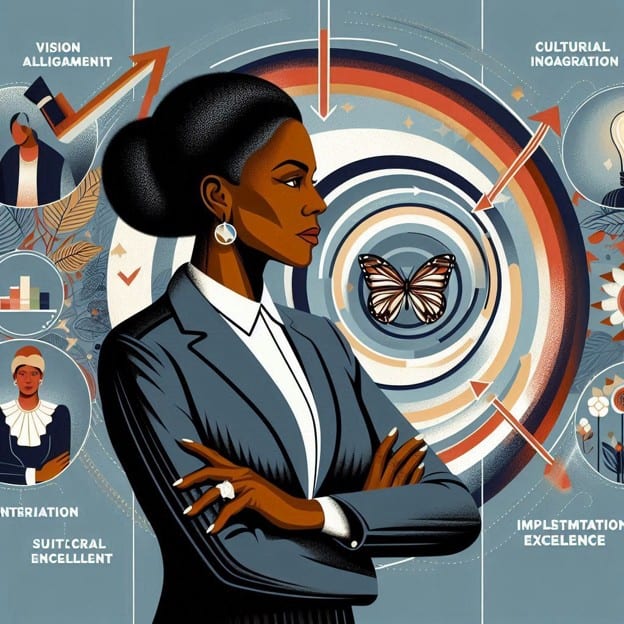
The Four Pillars of Strategic Change Leadership

1. Vision Alignment

Before implementing any change, leaders must:

  • Clearly articulate the reason for change
  • Connect change initiatives to organizational purpose
  • Create a compelling vision of the future state
  • Align change efforts with core values

For example, when Sarah Chen transformed Midwest Manufacturing from traditional automotive parts to electric vehicle components, she first established a clear vision that connected the company’s heritage of quality with future innovation.

2. Cultural Integration

Changed efforts must work within and enhance organizational culture:

  • Assess current cultural strengths and challenges
  • Identify cultural supports and barriers to change
  • Design initiatives that reinforce desired cultural elements
  • Build capacity to change within the organization

3. Stakeholder Engagement

Successful change requires active participation at all levels:

  1. Leadership alignment and modeling
  2. Middle management buy-in and support
  3. Front-line employee involvement
  4. External stakeholder communication

4. Implementation Excellence

Strong execution includes:

  • Clear milestones and metrics
  • Regular communication and feedback loops
  • Resource allocation and support
  • Continuous learning and adjustment

The Change Leadership Framework

Based on my research and consulting experience, here’s a comprehensive framework for leading changes:

Phase 1: Preparation

1. Assessment

  • Current state analysis
  • Stakeholder mapping
  • Cultural readiness evaluation
  • Risk assessment

2. Planning

  • Vision development
  • Strategy creation
  • Resource allocation
  • Timeline establishment

Phase 2: Implementation

1. Communication

  • Clear messaging
  • Multiple channels
  • Two-way dialogue
  • Regular updates

2. Engagement

  • Leadership alignment
  • Employee involvement
  • Training and development
  • Recognition and celebration

Phase 3: Sustainability

1. Monitoring

  • Progress tracking
  • Impact assessment
  • Course corrections
  • Success measurement

2. Integration

  • Process alignment
  • System updates
  • Cultural reinforcement
  • Continuous improvement

Common Pitfalls and How to Avoid Them

1. Insufficient Communication

  • Solution: Develop a comprehensive communication strategy
  • Example: One manufacturing client increased change initiative success by 40% through daily huddles and weekly update meetings

2. Lack of Middle Management Support

  • Solution: Invest in management development and engagement
  • Example: A healthcare organization achieved 85% change adoption by creating change champion roles for middle managers

3. Cultural Misalignment

  • Solution: Design change initiatives that build cultural strengths
  • Example: A tech company successfully transformed by incorporating their innovative culture into change processes

Measuring Change Success

Effective change of leadership requires both hard and soft metrics:

Hard Metrics

  • Performance indicators
  • Financial results
  • Project milestones
  • Operational efficiency

Soft Metrics

  • Employee engagement
  • Cultural alignment
  • Leadership effectiveness
  • Stakeholder satisfaction

Building Change Leadership Capability

To strengthen your organization’s change leadership capacity:

1. Develop Leadership Skills

  • Change management training
  • Emotional intelligence development
  • Communication capability building
  • Cultural awareness enhancement

2. Create Support Systems

  • Change management frameworks
  • Communication platforms
  • Feedback mechanisms
  • Recognition programs

3. Foster Learning Culture

  • Knowledge sharing
  • Best practice documentation
  • Lesson capture
  • Continuous improvement

Looking Forward

As organizations face increasing complexity and disruption, the ability to lead change effectively becomes more critical. Leaders must develop both the strategic understanding and practical skills to guide their organizations through transformation while maintaining cultural integrity and operational excellence.

Conclusion

Leading through change is both an art and a science. It requires careful planning, robust execution, and unwavering commitment to organizational values and culture. By adopting a strategic approach and building the necessary capabilities, leaders can guide their organizations through transformation while creating lasting positive impact.

Ready to strengthen your organization’s change leadership capabilities? Contact Che’ Blackmon Consulting at admin@cheblackmon.com to learn how we can help you develop and implement effective change strategies that align with your organizational culture and values.

#ChangeManagement #LeadershipTransformation #OrganizationalChange #StrategicLeadership #BusinessTransformation #CorporateCulture #ChangeLeadership #ExecutiveLeadership #BusinessStrategy #OrganizationalDevelopment