


By Che’ Blackmon, DBA Candidate & Founder, Che’ Blackmon Consulting
Have you ever wondered why some leaders seem to effortlessly create positive waves throughout their entire organization while others struggle to effect even the smallest changes? The answer lies not in authority or budget, but in understanding how individual leadership choices cascade through organizational systems. This is the power of the culture catalyst—a leader who, by shifting their mindset and approach, inspires organization-wide transformation.
In my work with executives and organizations across manufacturing, healthcare, and professional services, I have witnessed firsthand how one leader’s commitment to authentic, purposeful culture can fundamentally reshape how people work. The question is not whether you have the power to create change. The question is whether you are ready to become the culture catalyst your organization needs.
What Is a Culture Catalyst? 🧪
A culture catalyst is a leader who understands that organizational culture is not something that happens to an organization—it is something that is intentionally created through consistent, aligned actions and decisions. Unlike a charismatic figure who inspires through personality alone, a culture catalyst creates systemic change by modeling high-value behaviors and establishing clear expectations that ripple through every level of the organization.
The culture catalyst operates from a foundation of purpose. In my book Mastering a High-Value Company Culture, I emphasize that high-value cultures are built on clarity about who we are, what we stand for, and why our work matters. A culture catalyst is deeply committed to bringing that vision to life daily.
Culture catalysts share several key characteristics. They communicate with authenticity and transparency. They hold themselves and others accountable to shared values. They listen deeply and create psychological safety where people feel comfortable taking intelligent risks. Most importantly, they understand that their role is not to have all the answers, but to ask the right questions and create the conditions where teams can solve problems together.
The Multiplier Effect of Leadership Integrity 💫
One of the most powerful truths about leadership is that your integrity—the alignment between your words and actions—is not a personal virtue. It is a catalyst for organizational transformation. When your team observes that you genuinely live the values you speak about, something shifts. Trust increases. Engagement improves. People become willing to bring their full selves to their work.
Consider a manufacturing facility where a newly promoted operations director arrived to find an organization struggling with safety compliance and engagement. Rather than implementing a top-down mandate, this leader began by walking the production floor every single day, listening to frontline employees, and most importantly, following the exact same safety protocols she expected from others. There were no shortcuts for leadership. No exceptions. Within six months, safety incidents had declined significantly, and employees began taking ownership of safety initiatives themselves. Why? Because the leader had made safety a lived value, not a policy.
This is the multiplier effect. Your individual commitment to integrity does not simply improve your own leadership—it gives permission for integrity to flourish at every level of the organization. People take cues from leadership. When they see you holding yourself to the same standard you hold them to, they internalize that standard. When they see you admitting mistakes and learning from them, they become more willing to take intelligent risks. When they see you staying committed to organizational values even when it is financially difficult, they understand what you truly value.
This is especially important in conversations about diversity, equity, and inclusion. Black women in particular often navigate corporate spaces where the dominant culture has never genuinely prioritized them. A culture catalyst who is committed to building truly inclusive organizations does not just say the right things. She or he actively creates space for historically overlooked voices to be heard. She or he examines systems and processes to ensure they do not inadvertently exclude. Most importantly, she or he holds this commitment even when there is no external pressure to do so. That consistency is what changes culture.
The Hidden Barriers Facing Overlooked Leaders 🚧
If culture catalysts are so powerful, why are some leaders unable to create meaningful change? Often, the answer lies in how organizational systems can inadvertently suppress the very contributions we need most. This is particularly true for Black women and other traditionally overlooked talent in corporate spaces.
Consider the subtle but significant barriers. A Black woman leader might offer an innovative approach to solving a process problem, only to have her idea overlooked until a colleague—typically someone who looks like the existing power structure—proposes a similar idea and receives credit and advancement. Over time, that leader might internalize the message that her contributions are not valued. Her engagement decreases. Her willingness to speak up diminishes. The organization loses a potential culture catalyst because the system did not create space for her brilliance to be recognized.
In my research and work with organizations, I have observed that the most critical barrier is not a lack of talent or capability among overlooked populations. The barrier is a lack of intentional systems to recognize and amplify that talent. I address this extensively in my e-book Rise and Thrive: A Black Woman’s Blueprint for Leadership Excellence, which explores how women of color can navigate these systems while staying true to their authentic selves.
A true culture catalyst recognizes this. She or he actively works to dismantle the hidden systems that prevent talented people from being seen, heard, and valued. This might mean implementing blind resume review processes, creating mentorship programs specifically designed to develop overlooked talent, or conducting regular check-ins to ensure that great ideas are being attributed and recognized regardless of who proposes them. These actions signal that the organization is serious about building a culture where all talent can thrive.
Real-World Examples of Culture Catalysts at Work 📊
To make this tangible, let me share some general examples of how culture catalysts have created real transformation in their organizations.
Example One: From Compliance to Commitment
A healthcare organization was struggling with low engagement scores, particularly among clinical staff. Employees felt like they were simply complying with policies rather than being part of a meaningful mission. A new HR leader began shifting the conversation. In every meeting, she started by reminding people why the organization exists and how their individual work connects to that mission. She invited frontline staff to meetings that had previously been leadership-only. She implemented a system where frontline employees could propose changes directly, knowing those proposals would receive genuine consideration.
The result? Engagement scores increased by twelve percent over two years. More importantly, employees began taking initiative to solve problems without being asked. Clinical staff started mentoring newer team members. Retention improved. The culture shifted from compliance to ownership because one leader decided to treat people as partners in the mission rather than workers executing a job.
Example Two: Creating Space for Overlooked Talent
A manufacturing organization had a diverse workforce, but leadership positions were predominantly filled by one demographic group. A new operations manager made a conscious decision to change this pattern, not through quotas, but through visibility and opportunity. She began rotating people from non-traditional leadership backgrounds into temporary leadership roles. She provided explicit mentorship. She made sure that when these emerging leaders made mistakes, they were coached rather than punished, while also ensuring they received the same high expectations as any other leader.
Over three years, three of these talented individuals were promoted into permanent leadership roles. The organization’s leadership team became more diverse. Innovation increased because teams now had varied perspectives solving problems. The culture shifted because one leader believed that leadership talent exists throughout the organization and created the systems to surface it.
Example Three: Turning Around a Team Facing Burnout
A department head inherited a team that had experienced significant turnover and whose remaining members were exhausted. Her predecessor had managed through fear and high pressure. She made a conscious choice to enter the role differently. She conducted listening sessions with every team member to understand what had driven people away and what would help people stay. She implemented clearer decision-making processes so people understood not just what decisions were made, but why. She protected her team from unnecessary organizational chaos, filtering what needed their attention from what did not.
Within eighteen months, turnover had stabilized. The team’s productivity metrics improved. People began volunteering to take on stretch assignments. The shift in culture happened because one leader decided that the way she led would be fundamentally different from what came before.
The Four Pillars of a Culture Catalyst 🏛️
Based on my research and experience, culture catalysts operate from four foundational pillars. Understanding these pillars is essential if you want to become a catalyst in your own organization.
Pillar One: Clarity of Purpose
Culture catalysts are crystal clear about why the organization exists and what it stands for. This clarity is not something that lives only in mission statements on the wall. It lives in daily decisions. A leader with clarity of purpose asks questions like: Does this decision align with who we say we are? Is this action consistent with our values? Am I making this choice because it is easy or because it is right? When clarity of purpose guides decisions, employees see that the organization’s values are not merely aspirational—they are operational.
Pillar Two: Authentic Communication
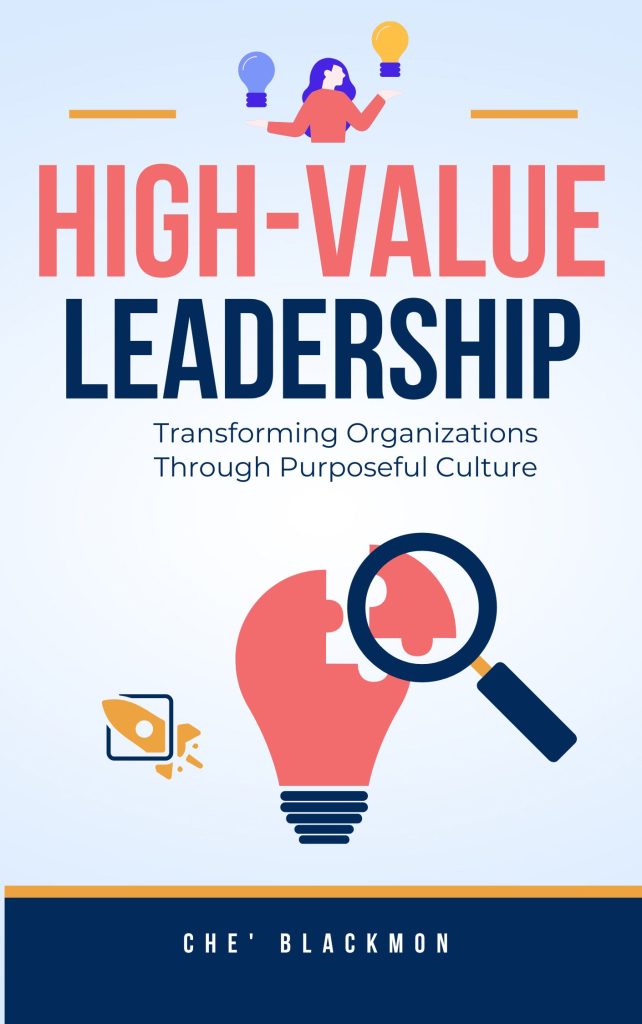
Culture catalysts communicate with transparency and vulnerability. They do not pretend to have all the answers. They share what they know and what they do not know. They explain their thinking process when making decisions. They acknowledge mistakes and talk about what they learned. This kind of communication creates psychological safety. It sends the message that it is acceptable to be human at work. In my book High-Value Leadership: Transforming Organizations Through Purposeful Culture, I emphasize that authentic communication is not a soft skill. It is a fundamental driver of business outcomes because it enables trust, and trust enables everything else.
Pillar Three: Intentional Accountability
Culture catalysts hold themselves and others accountable to shared standards, but they do so in a way that grows people rather than diminishing them. Accountability means clear expectations. It means honest feedback delivered with the intent to help someone improve. It means consequences for choices, delivered with respect. It also means that leaders hold themselves to the same standard they hold their teams to. This kind of accountability builds trust. It signals that standards matter because people matter.
Pillar Four: Inclusive Excellence
Culture catalysts understand that their organizations are stronger when the full spectrum of talent is visible, valued, and developed. Inclusive excellence is not about lowering standards or practicing preferential treatment. It is about recognizing that talent looks different and comes from different backgrounds. It is about removing barriers that have historically prevented certain populations from being seen and heard. It is about creating mentorship and advancement pathways that work for people with different starting points. When a leader commits to inclusive excellence, she or he signals that the organization values innovation, different perspectives, and the full humanity of every person.

Current Trends in Culture Transformation 🌐
As we move deeper into 2026 and beyond, several trends are reshaping how culture catalysts operate.
AI and Human-Centered Leadership
Artificial intelligence is transforming how organizations operate, from automating routine tasks to providing predictive insights about employee engagement and retention. Culture catalysts are leveraging these tools not to replace human connection, but to free up time and energy for more meaningful leadership work. Data can now surface which employees are at risk of leaving, but a culture catalyst uses that data to have deeper conversations and create more supportive environments. Technology becomes a tool for human-centered leadership, not a replacement for it.
The Rise of Purpose-Driven Organizations
Employees, particularly younger workers, want to work for organizations that stand for something beyond profit. Culture catalysts are responding by ensuring that organizational purpose is clear, authentic, and embedded in daily operations. This is not performative corporate social responsibility. This is genuine commitment to making a positive impact. Organizations led by culture catalysts are finding that when people understand how their work contributes to meaningful outcomes, engagement and retention improve dramatically.
Building Cultures of Psychological Safety
In complex, rapidly changing business environments, organizations need people who are willing to speak up, take intelligent risks, and challenge ideas. Culture catalysts understand that this kind of innovation only happens when psychological safety is present. People need to feel confident that they can make a mistake, propose an unconventional idea, or say no to an unreasonable request without facing career consequences. Leaders are increasingly creating explicit structures to build this safety, from psychological safety assessments to training in how to respond to bad news without blaming.
Actionable Steps to Become a Culture Catalyst 🎯
If you are ready to become a culture catalyst in your organization, here are specific actions you can take immediately.
One: Define Your Core Values and Practice Them
Before you can model values for others, you need to be crystal clear about what your core values are. What do you believe about people? What do you believe about work? What do you believe about integrity? Once you have clarity, practice living those values daily. This is not theoretical work. This is real. In every decision you make, every interaction you have, every meeting you run, ask yourself: Is this aligned with my values? Am I modeling what I expect from others? When your team observes this consistency over time, they will begin to internalize those values themselves.
Two: Listen More Than You Talk
One of the most underrated leadership skills is listening. Culture catalysts listen with genuine curiosity. They ask questions and then resist the urge to fill silence with their own opinions. They listen to understand, not to prepare their rebuttal. Make a commitment to spend time listening to frontline employees, to people in underrepresented groups, to people whose voices have been overlooked. Ask them what barriers they experience. Ask them what would help them do their best work. Then actually act on what you hear. When people feel genuinely heard, they become more engaged, more committed, and more willing to go above and beyond.
Three: Examine Your Systems for Hidden Bias
Culture catalysts understand that even well-intentioned systems can perpetuate bias and exclude overlooked talent. Take time to examine your hiring process. Who typically advances? Does it follow a predictable pattern based on background, school, demographic characteristics? Examine your feedback systems. Do certain groups receive harsher feedback or less specific developmental guidance? Examine your promotion timelines. Is there a pattern in who gets promoted quickly and who gets stuck? Once you identify these patterns, work systematically to change them. This might mean blind resume review. This might mean structured interviews. This might mean diverse hiring panels. This might mean explicit mentorship programs. The key is that you are being intentional about removing barriers that prevent talent from being seen.
Four: Create Psychological Safety Explicitly
Do not assume that psychological safety will happen naturally. Create it intentionally. This means establishing group norms about how mistakes are treated. It means responding to bad news with curiosity rather than blame. It means protecting people who speak up with unconventional ideas. It means acknowledging when you do not know something. It means asking for help from people at all levels. Small actions send powerful signals about whether it is safe to take risks in your organization.
Five: Invest in Your Own Development
Culture catalysts understand that leadership development is not a one-time event. It is an ongoing journey. Invest in your own learning. Read. Take courses. Work with a mentor or coach. Join peer learning groups. Stay curious about organizational psychology, human behavior, and culture transformation. The more you understand yourself and how systems work, the more effective you become at catalyzing change. Importantly, make your own learning visible. Let your team see you wrestling with difficult concepts. Let them see you trying new approaches and adjusting when something does not work. This signals that learning is valued and that growth is always possible.
The Ripple Effect of One Leader’s Commitment 🌊
One of the most beautiful aspects of culture catalysts is the ripple effect of their commitment. You do not need buy-in from the entire organization to start shifting culture. You do not need permission from the C-suite. You simply need to commit to leading differently in your own sphere of influence.
When you, as a leader, commit to treating people with respect and transparency, something shifts in your team. People become more trusting. They become more willing to contribute ideas. They become more engaged. That shift spreads. Your team members begin treating each other differently. They begin holding each other accountable to higher standards of respect and collaboration. That energy spreads to other departments. Other leaders notice. The organization begins to shift.
This is especially true when culture catalysts intentionally work to create space for overlooked talent. When a leader commits to identifying and developing talented people from underrepresented backgrounds, that sends a powerful signal throughout the organization. It creates new possibilities. It changes who people see as capable of leadership. Over time, the organization becomes genuinely more diverse and more innovative because people who were previously invisible are now visible and contributing their full talents.
Do not underestimate the power of your individual commitment. Your leadership matters. Your willingness to model different behaviors, ask different questions, and make different decisions ripples far beyond what you can see in any given moment.
Key Takeaways 📌
A culture catalyst is a leader who creates organization-wide transformation through integrity, clarity of purpose, and authentic communication.
Your individual commitment to high standards of integrity does not just improve your own leadership. It gives permission for integrity to flourish at every level of your organization.
Culture catalysts intentionally work to identify and develop talent from traditionally overlooked populations, recognizing that competitive advantage comes from accessing the full spectrum of human talent.
The four pillars of culture catalysts are clarity of purpose, authentic communication, intentional accountability, and inclusive excellence.
You do not need buy-in from the entire organization to start shifting culture. You simply need to commit to leading differently in your own sphere of influence.
The ripple effect of one leader’s commitment is profound and far-reaching.
Discussion Questions for Your Leadership Team 💭
What core values do you want to model as a leader, and are you currently practicing them consistently across all your decisions and interactions?
Who in your organization has talent that remains underutilized or invisible, and what specific actions could you take to help that talent become visible?
What hidden barriers exist in your hiring, feedback, and promotion systems, and how might those barriers prevent talented people from advancing?
How do your team members currently experience psychological safety in your organization, and what specific actions could you take to strengthen it?
What would change in your organization if you committed to leading with the same authenticity and vulnerability you expect from others?
How are you currently investing in your own development as a leader, and what would it mean to make that development a visible, ongoing commitment?
Next Steps: Ready to Catalyze Change? 🚀
Culture transformation is not something that happens overnight, and it is not something you need to figure out alone. If you are ready to become a culture catalyst in your organization, Che’ Blackmon Consulting can help.
Che’ Blackmon Consulting specializes in working with leaders and organizations to build high-value cultures that attract, develop, and retain exceptional talent. With over twenty-four years of progressive HR leadership experience across manufacturing, healthcare, and professional services, Che’ brings deep expertise in culture transformation, inclusive talent development, and predictive analytics for employee retention.
Our services include fractional HR consulting, executive coaching focused on culture leadership, organizational assessments to identify hidden barriers, talent development programs, and customized training designed specifically for your organization’s needs. We work with organizations ranging from twenty to two hundred employees, combining our High-Value Leadership methodology with data-driven insights to create sustainable culture change.
Whether you are ready for a full organizational transformation or you want to start by working with your leadership team, we can design an approach that fits your needs and your timeline. Our goal is simple: to help you become the culture catalyst your organization needs.
Connect with Che’ Blackmon Consulting
📧 Email: admin@cheblackmon.com
📞 Phone: 888.369.7243
🌐 Website: cheblackmon.com
Your organization needs what you have to offer. The question is not whether you have the power to create change. The question is whether you are ready to step into your role as a culture catalyst. We are here to support you on that journey.
Here’s to building organizations where everyone can thrive. 💚
#CultureTransformation #LeadershipDevelopment #OrganizationalCulture #InclusiveLeadership #DiverseLeadership #WomenInLeadership #BlackWomenLeaders #HighValueLeadership #AuthenticLeadership #TalentDevelopment #EmployeeEngagement #CultureChange #LeadershipExcellence #CorporateCulture #TeamLeadership