


Let’s start with an uncomfortable truth. Most recognition programs fail.
That employee-of-the-month parking spot? The generic anniversary plaques? The annual awards dinner where the same five people get honored? They’re not just ineffective—they’re actively damaging your culture. Because nothing breeds cynicism faster than recognition that feels forced, formulaic, or unfair.
But here’s what keeps me up at night: while organizations pump millions into recognition programs that don’t work, 65% of employees haven’t received any recognition in the past year. Not a thank you. Not an acknowledgment. Nothing.
We’re living in what I call the Thank You Economy—where genuine recognition has become so rare, it’s now a competitive differentiator. Organizations that crack the code on authentic appreciation don’t just retain talent. They unleash it.
The Recognition Revolution: Why Traditional Systems Fail 📉
Traditional recognition systems fail for three fundamental reasons. First, they’re episodic rather than embedded. Second, they recognize outcomes instead of efforts. Third—and this is critical—they reflect and reinforce existing power structures, systematically overlooking contributions from those outside the inner circle.
McKinsey’s latest research confirms what many of us have experienced: traditional recognition programs have a negative ROI. Companies spend an average of $100 per employee annually on recognition programs, yet engagement continues to plummet. Why? Because we’ve confused recognition with rewards, appreciation with administration.
There was a Fortune 500 company that spent $2.3 million on their annual recognition program. Fancy awards. Big ceremony. Professional video production. Post-event surveys revealed 72% of employees felt less valued after the event. The reason? Watching the same leadership favorites receive awards while everyday excellence went unnoticed actually highlighted how little most contributions mattered.
The Thank You Economy demands something different. Not bigger budgets or fancier programs, but fundamental restructuring of how we see, value, and acknowledge contribution.
The Neuroscience of Recognition: What Actually Happens in Our Brains 🧠
Dr. Paul White’s research on appreciation languages revolutionized my understanding of why recognition fails. Just as we have different love languages, we have different appreciation languages. Some thrive on public praise. Others prefer private acknowledgment. Some value quality time with leadership. Others want increased autonomy.
But here’s where it gets interesting. Neuroscientist Dr. Matthew Lieberman’s UCLA studies show that social recognition activates the same reward centers as financial compensation—sometimes more powerfully. When someone receives authentic appreciation, their brain releases oxytocin (the connection hormone) and dopamine (the motivation chemical). It’s literally addictive.
Yet most recognition programs trigger the opposite response. Generic, inauthentic recognition activates the anterior cingulate cortex—the brain’s BS detector. Our brains can distinguish between genuine gratitude and checkbox appreciation in milliseconds. That’s why that templated “Great job!” email lands flat. Your brain knows it’s fake.
The solution? Recognition systems built on specificity, authenticity, and frequency. Not annual. Not monthly. Daily.
The Equity Imperative: Recognizing the Traditionally Overlooked 🌟
Let’s address the elephant in every boardroom. Recognition isn’t distributed equally.
Research from Harvard Business Review reveals that women receive 25% less recognition than men for identical contributions. For Black women, the gap widens to 38%. This isn’t just unfair—it’s economically irrational. Organizations are literally ignoring excellence because it doesn’t fit their mental model of what achievement looks like.
In “Rise & Thrive: A Black Woman’s Blueprint for Leadership Excellence,” I explore how Black women navigate what I call “excellence invisibility”—working twice as hard for half the recognition. The psychological toll is devastating. The organizational cost? Incalculable.
Consider this reality: Black women are the most educated demographic in America, yet hold only 1.5% of executive positions. Part of this stems from chronic under-recognition throughout their careers. Their innovations get attributed to others. Their leadership gets labeled as “help.” Their strategic thinking gets dismissed as “operational support.”
There was a healthcare organization in Chicago that discovered something shocking during their recognition audit. Black women in their organization had submitted 43% of process improvement suggestions that got implemented, yet received only 8% of innovation awards. Why? Their contributions were consistently reframed as “team efforts” while individual men received sole credit for similar innovations.
Once exposed, they didn’t just adjust their awards. They rebuilt their entire recognition infrastructure to capture and celebrate all forms of excellence. Within 18 months, promotion rates for Black women increased 40%. Not through quotas—through finally recognizing what was already there.
The Architecture of Effective Recognition Systems 🏗️
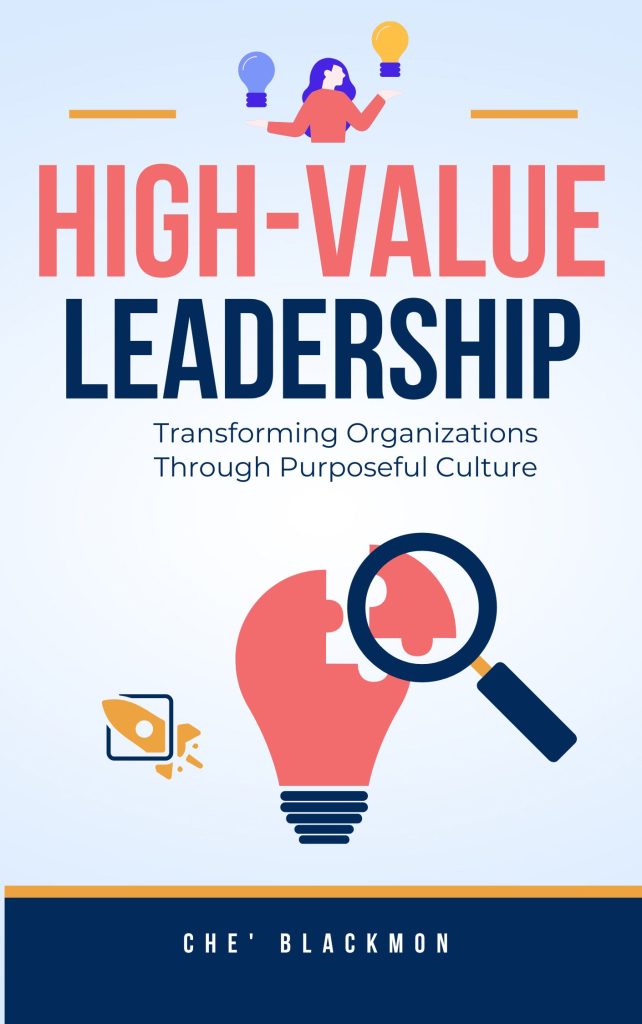
Building recognition systems that actually work requires abandoning everything you think you know about appreciation. In “High-Value Leadership: Transforming Organizations Through Purposeful Culture,” I outline the framework that transforms recognition from performance theater to performance catalyst:
The SEEN Method™:
- Specific: Acknowledge exact contributions, not general performance
- Equitable: Actively seek overlooked excellence
- Embedded: Build recognition into daily operations
- Networked: Enable peer-to-peer appreciation
Let me show you how this works in practice.
Daily Stand-up Appreciations: Start every team meeting with 60 seconds of specific peer recognition. Not “Good job everyone” but “Sarah, your analysis yesterday helped us avoid a $30K mistake. Thank you.” Simple. Powerful. Transformative.
Recognition Mapping: Track who gives and receives recognition. Plot it visually. You’ll immediately see the gaps. One manufacturing company discovered 80% of their recognition flowed between just 12% of employees—all in senior positions. Making the invisible visible changed everything.
Contribution Journals: Require managers to document one specific contribution from each team member weekly. Not for HR files—for recognition planning. When you actively look for excellence, you find it everywhere.
Cross-functional Spotlights: Monthly sessions where departments recognize other teams’ contributions. IT thanks accounting for fast invoice processing. Sales acknowledges operations for rush fulfillment. Silos dissolve when appreciation flows horizontally.
Current Trends: The Future of Recognition 🚀
The Thank You Economy is evolving rapidly. Here’s what’s reshaping recognition:
AI-Powered Recognition Platforms: Companies like Workhuman and Achievers use artificial intelligence to prompt managers when recognition gaps emerge. If someone hasn’t been recognized in two weeks, managers get nudged. Participation rates increased 340% in early adopters.
Micro-Recognition Systems: Forget annual awards. The future is continuous micro-appreciations. Slack kudos. Teams celebrations. LinkedIn shoutouts. Death by a thousand thank-yous beats one grand gesture every time.
Values-Aligned Recognition: Don’t just recognize what people achieve. Recognize how they achieve it. When someone demonstrates core values—integrity, innovation, inclusion—make it visible. There was a tech startup that saw 50% culture score improvement after shifting from results-only to values-based recognition.
Peer-to-Peer Predominance: Manager recognition matters, but peer recognition transforms. Organizations with strong peer recognition report 35% better customer satisfaction scores. Why? Appreciated employees appreciate customers.
Cultural Competence in Recognition: One size doesn’t fit all. Some cultures value public recognition; others prefer private acknowledgment. Some prize individual achievement; others emphasize collective success. Effective systems adapt to cultural diversity rather than forcing conformity.

The ROI of Real Recognition 💰
Let’s talk numbers, because transformation without measurement is just hope:
Organizations with effective recognition systems report:
- 31% lower voluntary turnover
- 14% better productivity metrics
- 12% stronger customer metrics
- 22% better profitability
- 28% higher engagement scores
But my favorite statistic? Companies with strong recognition cultures have 2.5x better stock market performance over 10 years. The Thank You Economy isn’t just nice. It’s profitable.
There was a regional bank struggling with 34% annual turnover in their call center. Traditional retention strategies—salary increases, better benefits, flexible schedules—barely moved the needle. Then they implemented daily peer recognition through a simple app. Employees could send “praise points” with specific appreciations. No budget. No prizes. Just visibility and gratitude.
Result? Turnover dropped to 11% in nine months. Customer satisfaction scores increased 23%. The only cost? The commitment to make appreciation systematic rather than sporadic.
Building Your Recognition Infrastructure: A 90-Day Blueprint 📋
Ready to build recognition systems that actually work? Here’s your roadmap:
Days 1-30: Assessment and Awareness
- Conduct a recognition audit. Who gets recognized? For what? By whom?
- Survey employees about their appreciation preferences
- Map current recognition patterns to identify gaps
- Document overlooked contributions, especially from traditionally marginalized groups
Days 31-60: Design and Development
- Create your recognition philosophy statement
- Build daily appreciation practices into existing meetings
- Develop peer-to-peer recognition mechanisms
- Train managers on specific, authentic appreciation
- Establish recognition metrics and tracking systems
Days 61-90: Implementation and Integration
- Launch with leader modeling—recognition starts at the top
- Celebrate early wins and participation
- Adjust based on feedback and participation data
- Embed recognition into performance discussions
- Create sustainability plans to prevent program decay
The Hidden Cost of Recognition Gaps 😔
We need to talk about what happens when recognition systems fail traditionally overlooked employees. It’s not just disengagement. It’s talent hemorrhaging.
Black women are leaving corporate America at unprecedented rates. They’re not leaving for better pay—studies show they often take pay cuts. They’re leaving because they’re exhausted from excellence invisibility. From having their ideas credited to others. From being told they’re “not ready” for promotions while training their less-qualified supervisors.
The Thank You Economy offers a solution. Not perfect, but powerful. When recognition becomes systematic, democratic, and transparent, bias has fewer places to hide. When peer recognition supplements manager recognition, diverse excellence gets surfaced. When contribution tracking becomes standard, patterns of oversight become obvious.
There was a financial services firm that thought they had a pipeline problem with Black female talent. After implementing transparent recognition systems, they discovered the truth: they had a visibility problem. Black women were consistently delivering exceptional results that went unrecognized. Once their contributions became visible through systematic appreciation, promotion rates equalized within two years. No special programs. Just equal recognition for equal excellence.
Technology and Tools: Scaling Recognition 🛠️
The Thank You Economy thrives on technology that makes recognition frictionless:
Recognition Platforms Worth Considering:
- Bonusly: Peer-to-peer recognition with redeemable points
- Kudos: Analytics-driven appreciation platform
- Achievers: AI-powered recognition with science-based insights
- TINYpulse: Combines recognition with engagement surveying
- Assembly: Free tier available for smaller organizations
But here’s the critical insight: technology enables recognition; it doesn’t create it. The fanciest platform fails without leadership commitment. Conversely, a simple spreadsheet can transform culture when leadership genuinely values appreciation.
Low-Tech High-Impact Options:
- Gratitude walls where anyone can post appreciations
- Weekly newsletter featuring peer-nominated recognitions
- Team WhatsApp groups dedicated to celebrations
- Old-fashioned handwritten notes (still the gold standard)
- Walking meetings focused entirely on appreciation
The Leadership Imperative: Modeling the Way 👥
Recognition systems fail when leaders don’t participate authentically. You can’t delegate appreciation. You can’t outsource gratitude. You must model what you expect.
In “Mastering a High-Value Company Culture,” I share the 5-3-1 Rule:
- 5 minutes daily for appreciation planning
- 3 specific recognitions delivered daily
- 1 weekly reflection on recognition patterns
Leaders who follow this simple framework report profound shifts. Not just in their teams’ performance, but in their own leadership satisfaction. There’s something powerful about actively looking for excellence. You start seeing it everywhere.
But here’s the challenge: most leaders are recognition-starved themselves. They’re pouring from empty cups. That’s why effective recognition systems must flow omnidirectionally—up, down, and sideways. Everyone needs appreciation. Even—especially—those at the top.
Sustaining the System: Beyond the Honeymoon Phase 🌱
Every recognition program starts strong. The challenge is sustainability. Here’s how to prevent recognition decay:
Rotation and Refresh: Change recognition methods quarterly to prevent staleness. If you’ve been doing shoutouts, switch to peer nominations. If public recognition has become routine, try private appreciation.
Measurement and Accountability: Track recognition metrics like any other KPI. Participation rates. Coverage gaps. Frequency patterns. What gets measured gets sustained.
Story Collection: Document how recognition changed outcomes. That project saved because someone felt valued enough to speak up. That customer retained because an appreciated employee went extra. Stories sustain systems.
Cultural Integration: Don’t treat recognition as a program. Embed it into your cultural DNA. Make appreciation as natural as breathing, as expected as showing up on time.
Your Call to Action 📢
The Thank You Economy isn’t coming. It’s here. Organizations that master authentic recognition will win the war for talent. Those that don’t will wonder why their best people keep leaving for “opportunities” that pay less but appreciate more.
Here’s your immediate action plan:
- Today: Deliver three specific appreciations. Not “good job” but “Your analysis in yesterday’s meeting revealed insights we all missed. Thank you.”
- This Week: Audit your recognition patterns. Who are you overlooking? Whose contributions go unnoticed? Commit to recognizing someone outside your usual circle.
- This Month: Implement one systematic recognition practice. Start meetings with appreciation. End emails with gratitude. Create a peer recognition channel. Choose one and stick with it.
- This Quarter: Build your recognition infrastructure. Design systems that surface all excellence, not just the loudest or most visible.
Discussion Questions for Leadership Teams 💭
- What percentage of our employees received meaningful recognition last month? Last week? Yesterday?
- How does recognition flow in our organization—who gives it, who receives it, and who’s excluded?
- What contributions in our organization consistently go unrecognized?
- How might systematic recognition specifically impact our traditionally overlooked talent?
- What would change if every employee received specific appreciation daily?
- How can we build recognition systems that survive leadership transitions?
- What’s preventing us from starting today?
Transform Your Recognition Reality
Ready to build recognition systems that actually work? Systems that surface excellence wherever it exists, retain your best talent, and create cultures where everyone—especially your traditionally overlooked contributors—can thrive?
Che’ Blackmon Consulting specializes in designing and implementing recognition infrastructures that deliver measurable results. Through our High-Value Leadership™ framework, we’ll help you build appreciation systems that transform culture and drive performance.
Don’t let another day pass with excellence going unrecognized in your organization.
Start your recognition revolution today:
📧 Email us: admin@cheblackmon.com
📞 Call us: 888.369.7243
🌐 Visit us: cheblackmon.com
Because in the Thank You Economy, the organizations that win won’t be those with the biggest recognition budgets. They’ll be the ones that see and celebrate all forms of excellence. The ones where appreciation flows freely in all directions. The ones where no contribution goes unnoticed and no excellence remains invisible.
Your people are already delivering excellence. The question is: will you recognize it before your competitors do?
Remember: Recognition isn’t expensive. Turnover is. In the Thank You Economy, appreciation isn’t just nice to have—it’s a business imperative. Master it, and watch your organization transform from a place people work to a place people thrive.
#ThankYouEconomy, #EmployeeRecognition, #HighValueLeadership, #CompanyCulture, #TalentRetention, #LeadershipDevelopment, #DiversityEquityInclusion, #BlackWomenInBusiness, #WorkplaceAppreciation, #EmployeeEngagement, #OrganizationalCulture, #PeerRecognition, #CultureTransformation, #HRStrategy, #LeadershipExcellence, #RecognitionMatters, #WorkplaceCulture, #InclusiveLeadership, #TalentManagement, #BusinessTransformation