

By Che’ Blackmon, Founder & CEO, Che’ Blackmon Consulting
Let’s be honest: most of us would rather discuss almost anything else—our weekend plans, the weather, even politics—before we willingly talk about money at work. Yet compensation conversations are the cornerstone of professional growth, organizational fairness, and personal financial security. The awkwardness surrounding these discussions isn’t just uncomfortable; it’s costly, particularly for those already navigating systemic barriers in corporate spaces.
Why the Silence Costs Us All
The reluctance to discuss compensation stems from deeply rooted cultural taboos, power dynamics, and fear of professional consequences. We’ve been socialized to believe that talking about money is impolite, greedy, or unprofessional. This silence, however, perpetuates pay inequities and keeps talented professionals from achieving their full earning potential.
Consider this: women earn approximately 84 cents for every dollar earned by men, and Black women earn just 67 cents for every dollar earned by white, non-Hispanic men. These gaps don’t narrow by accident. They persist because of the very awkwardness we’re addressing—the discomfort that prevents honest dialogue about what we’re worth and what we’re paid.
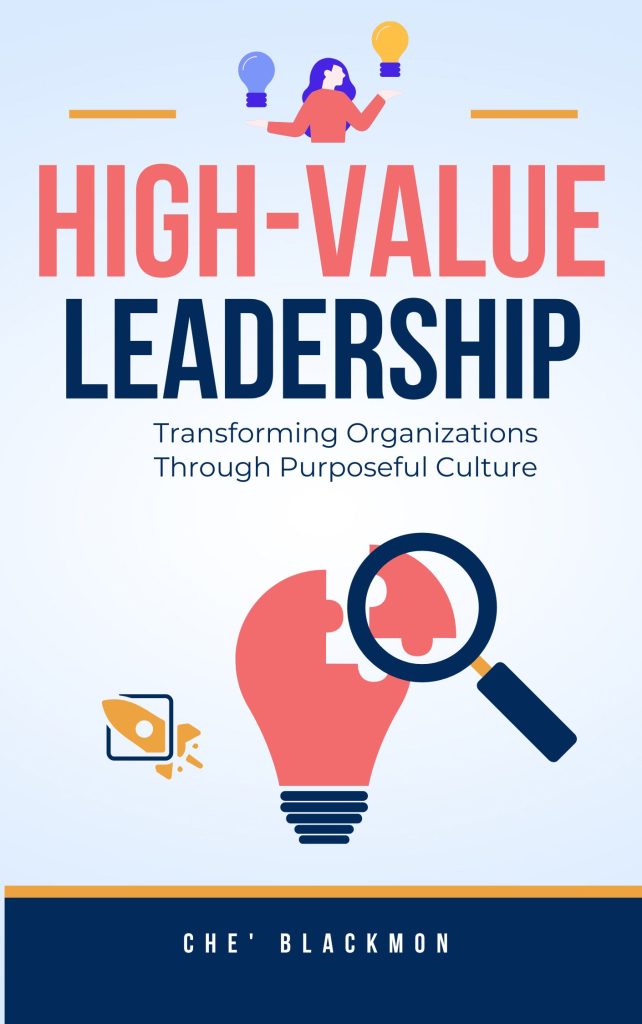
In High-Value Leadership: Transforming Organizations Through Purposeful Culture, I discuss how transformational leaders create environments where difficult conversations become catalysts for positive change. Compensation transparency is one of those conversations. When organizations cultivate cultures that normalize these discussions, everyone benefits—from entry-level employees to the C-suite.
The Cultural Conditioning That Keeps Us Quiet 🤫
From childhood, many of us receive mixed messages about money. “Don’t ask people what they make.” “Be grateful for what you have.” “Asking for more seems greedy.” These well-intentioned lessons create professional adults who struggle to advocate for their worth.
For Black women and other traditionally overlooked professionals, these challenges compound. Research shows that Black women face unique stereotyping when negotiating—they’re often perceived as “aggressive” or “difficult” for demonstrating the same assertiveness that earns white male colleagues respect. This double standard creates a minefield: speak up and risk being labeled; stay silent and accept less than you deserve.
A major technology company discovered this firsthand when conducting an internal pay equity audit. They found that their highest-performing Black female engineers were consistently paid 12-18% less than their male counterparts with identical experience and performance ratings. The disparity wasn’t intentional; it resulted from years of those women avoiding compensation conversations out of fear, while their male colleagues negotiated freely and frequently.
Breaking the Awkwardness: A Framework for Success ✨
1. Prepare With Data, Not Emotion
The most effective compensation conversations are grounded in market research, performance metrics, and tangible contributions. Before initiating the discussion, gather:
- Industry salary benchmarks for your role, experience level, and geographic location
- Documentation of your achievements: quantifiable results, completed projects, exceeded targets
- Expansion of responsibilities you’ve taken on since your last compensation review
- Market movement: how your industry and role have evolved
This preparation transforms the conversation from personal (“I need more money”) to professional (“Based on market data and my contributions, here’s the compensation alignment I’m seeking”).
2. Choose Timing Strategically
There’s an art to when you raise compensation discussions. Optimal times include:
- Annual review cycles (but don’t wait for your manager to initiate)
- After completing a significant project or achievement
- When taking on expanded responsibilities
- During market shifts that affect your role’s value
One mid-sized manufacturing organization implemented quarterly “career conversations” separate from performance reviews. This normalized ongoing dialogue about growth, development, and compensation, removing much of the tension from annual review discussions.
3. Frame the Conversation Properly
Language matters enormously. Compare these approaches:
Less Effective: “I really need a raise. My rent went up and things are expensive.”
More Effective: “I’d like to discuss compensation alignment. Based on my research, professionals in similar roles with comparable experience are earning 15-20% more. Given my contributions to the recent product launch and the expanded team leadership I’ve assumed, I believe a salary adjustment to [specific number] reflects market value and my impact.”
The second approach is professional, data-driven, and positions you as someone who understands their value and the broader market context.
4. Practice the Uncomfortable Silence
After stating your case, stop talking. The silence will feel unbearable, but resist the urge to fill it with justifications, apologies, or backtracking. This is where many professionals—especially women—undermine their own negotiations by talking themselves down from their initial request.
There was a company whose HR director noticed a pattern: male candidates averaged 23 seconds of silence after stating their salary expectations, while female candidates averaged 7 seconds before adding qualifiers like “but I’m flexible” or “that might be too high.” Those extra 16 seconds of confidence translated to an average difference of $8,400 in starting salaries.
Special Considerations for Black Women and Traditionally Overlooked Professionals 🎯
In Rise & Thrive: A Black Woman’s Blueprint for Leadership Excellence, I address the unique navigation required when you’re breaking barriers while building your career. Compensation conversations require additional strategic thinking when you’re already managing stereotypes and biases.
The Preparation Tax
Black women often need to be twice as prepared to be considered equally credible. While this reality is frustrating, acknowledging it allows you to plan accordingly:
- Anticipate potential objections and prepare responses
- Bring documentation that white colleagues might not need
- Have external validation ready (market studies, competitive offers, industry benchmarks)
- Consider having allies or mentors review your approach beforehand
The Collaboration Strategy
Building coalitions with other professionals navigating similar challenges creates strength in numbers. When multiple team members approach leadership about compensation equity concerns—backed by data—it’s harder to dismiss as individual complaints.
A healthcare organization faced this when six Black women in their nursing leadership team simultaneously requested compensation reviews. Rather than approaching individually (where concerns might be deflected), they presented collective data showing systematic pay disparities. The organization conducted a comprehensive audit and implemented corrective adjustments within 90 days.
The Documentation Discipline
Keep meticulous records of your accomplishments, contributions, and any verbal commitments about compensation. Documentation protects you and provides irrefutable evidence when memories become selective.

Creating a Culture That Welcomes These Conversations 🏢
As a doctoral candidate researching organizational transformation and someone who has spent over two decades in progressive HR leadership, I’ve seen how the right culture changes everything. Organizations serious about equity must actively cultivate environments where compensation conversations are normalized, not penalized.
In Mastering a High-Value Company Culture, I outline how purposeful culture transformation requires intentional systems and practices. Here’s how organizations can reduce awkwardness around compensation:
Implement Transparent Salary Bands
When employees understand the compensation range for their role and what it takes to progress, mystery and guesswork disappear. Buffer, Whole Foods, and others have pioneered radical transparency, publishing salaries internally or even publicly.
Train Managers in Compensation Conversations
Most managers receive little training in discussing money. They’re as uncomfortable as employees, which creates defensive, awkward exchanges. Investing in manager development around compensation discussions improves outcomes for everyone.
Conduct Regular Pay Equity Audits
Proactive organizations don’t wait for problems to surface. They regularly analyze compensation data by gender, race, and other demographics, addressing disparities before they become legal or reputational issues.
Establish Clear Compensation Philosophies
When organizations articulate how they determine pay—market positioning, internal equity, performance impact—employees have a framework for understanding their compensation and requesting adjustments.
A regional financial services company implemented these practices after discovering their employee engagement scores around “fair compensation” were 30 points below industry benchmarks. Within 18 months of creating transparency, conducting audits, and training managers, those scores increased by 28 points, and voluntary turnover decreased by 34%.
The Script: What to Actually Say 📝
Let’s get practical. Here are frameworks for different compensation scenarios:
Requesting a Raise During Your Review:
“Thank you for the positive feedback on my performance this year. I’d like to discuss compensation. Based on my contributions—specifically [achievement 1], [achievement 2], and [achievement 3]—along with market research showing similar roles in our industry range from $X to $Y, I’m requesting a salary adjustment to $[specific amount]. This aligns with both my performance and market value. What are your thoughts?”
Addressing a Pay Disparity You’ve Discovered:
“I’ve become aware of compensation differences between my role and similar positions. I’d like to understand our compensation philosophy and discuss alignment. My research indicates [provide specific data]. Can we schedule time to review my compensation in relation to internal equity and market rates?”
Negotiating a New Job Offer:
“I’m excited about this opportunity. Based on my experience, the responsibilities we’ve discussed, and market rates for this role, I was expecting compensation in the range of $X to $Y. Is there flexibility in the current offer?”
Following Up After a “No”:
“I appreciate you considering my request. Can you help me understand what specific criteria or accomplishments would support a compensation increase? I’d like to establish clear goals we can revisit in [timeframe].”
When the Answer is No: Strategic Next Steps 🚀
Not every compensation request results in immediate salary increases. How you handle “no” determines your long-term success:
- Request Specificity: “What exactly would need to change for this conversation to have a different outcome?”
- Establish Timeline: “When can we revisit this discussion? What milestones should I focus on?”
- Explore Alternatives: If base salary isn’t negotiable, consider bonuses, additional PTO, professional development funds, flexible work arrangements, or expanded responsibilities that position you for future increases.
- Assess Honestly: Is this a temporary “not now” or a permanent ceiling? If you’re consistently undervalued despite strong performance and market data, it might be time to explore opportunities elsewhere.
One professional services firm found that employees who engaged in these strategic follow-up conversations after initial denials had a 73% success rate in securing increases within six months, compared to 31% who simply accepted the initial “no” without further discussion.
The Ripple Effect: How Your Conversation Helps Others 🌊
When you successfully navigate compensation conversations, you create pathways for others. This is especially significant for traditionally overlooked professionals who benefit when predecessors normalize these discussions and demonstrate effective strategies.
Every time you negotiate successfully, you:
- Challenge bias about who “should” ask for more money
- Create precedent for fair compensation in your role
- Model confidence for junior colleagues watching your example
- Contribute data that helps organizations identify and correct systemic issues
Your willingness to have uncomfortable conversations today makes them less uncomfortable for everyone tomorrow.
The Organizational Imperative 💼
For leaders and organizations reading this: compensation awkwardness isn’t just an employee problem. It’s an organizational dysfunction that costs you talent, engagement, and competitive advantage.
High-value organizations, as I define them in my work on purposeful culture transformation, recognize that compensation transparency and fairness aren’t nice-to-haves—they’re fundamental to building trust, attracting top talent, and achieving sustainable success.
When employees believe they’re paid fairly and have clear paths to increased compensation, they:
- Invest more deeply in their work
- Stay with organizations longer
- Refer high-quality candidates
- Contribute more innovative thinking
- Build stronger client relationships
Conversely, compensation secrecy and inequity create toxic cultures where talent exits, performance suffers, and employer brand deteriorates.
Moving Forward: Your Action Plan ✅
The awkwardness around money conversations doesn’t disappear overnight, but it diminishes with practice and preparation. Here’s your roadmap:
This Week:
- Research market rates for your role using Glassdoor, Payscale, salary.com, and industry reports
- Document your accomplishments and quantifiable contributions from the past year
- Identify the appropriate person and timing for your compensation conversation
This Month:
- Practice your compensation conversation script with a trusted mentor or friend
- Gather any additional documentation needed to support your request
- Schedule the conversation with your manager
This Quarter:
- Have the compensation conversation
- Follow up strategically based on the outcome
- If employed in a leadership role, audit your team’s compensation for equity
- Share learnings with your professional network to help others navigate similar conversations
Discussion Questions & Reflection 💭
- What specific fears or concerns have prevented you from initiating compensation conversations in your career? Where do those fears originate?
- How might your organization’s culture currently support or hinder open discussions about compensation? What’s one change that would make the biggest difference?
- For leaders: When was the last time you proactively addressed compensation equity within your team? What prompted that review, and what did you discover?
- What role does mentorship play in helping traditionally overlooked professionals navigate compensation conversations more effectively? How can senior leaders better support this?
- How do you balance gratitude for your current opportunity with advocacy for fair compensation? Are these truly in conflict?
Your Next Steps With Che’ Blackmon Consulting 🌟
If you’re ready to transform how your organization approaches compensation, culture, and equity—or if you’re a professional who wants personalized support navigating these crucial conversations—let’s talk.
Che’ Blackmon Consulting specializes in:
- Culture transformation strategies that address systemic inequities
- Leadership development for executives committed to purposeful change
- Compensation equity audits and remediation strategies
- Executive coaching for professionals navigating career advancement
- AI-powered predictive analytics for organizational transformation
Whether you’re building Michigan’s next high-value culture or positioning yourself for leadership excellence, we’re here to help you unlock potential, empower change, and transform outcomes.
Ready to have better conversations about compensation and culture?
📧 Email: admin@cheblackmon.com
📞 Phone: 888.369.7243
🌐 Web: cheblackmon.com
Let’s unlock the uncomfortable conversations that lead to transformational outcomes—for individuals, organizations, and entire industries.
Che’ Blackmon is the founder and CEO of Che’ Blackmon Consulting, a DBA candidate at National University, and the author of multiple books on leadership and organizational culture including “High-Value Leadership: Transforming Organizations Through Purposeful Culture” and “Rise & Thrive: A Black Woman’s Blueprint for Leadership Excellence.” With over 24 years of progressive HR leadership experience, she specializes in culture transformation and empowering traditionally overlooked talent to rise and thrive in corporate spaces.
#CompensationEquity #PayTransparency #SalaryNegotiation #BlackWomenInBusiness #WageGap #HighValueLeadership #HRLeadership #OrganizationalCulture #PayEquity #WomenInLeadership #DiversityAndInclusion #CompensationStrategy #LeadershipDevelopment #CultureTransformation #ProfessionalDevelopment #CareerAdvancement #ExecutiveCoaching #HRConsulting #WorkplaceEquity #CorporateCulture #BlackWomenLeaders #SalaryTransparency #FairPay #DEI #EmployeeEngagement #TalentRetention #LeadershipExcellence #HRTransformation #RiseAndThrive #CheBlackmon